
In today’s fast-paced digital ecosystem, mobile applications are at the heart of business transformation. From e-commerce platforms and food delivery apps to fintech and healthcare solutions, mobile apps are reshaping how businesses interact with their customers.
At Developers App India , we specialize in building scalable, secure, and user-centric applications tailored to modern business needs. However, building a successful mobile app is not just about coding — it involves a structured, step-by-step process that ensures quality, performance, and usability.
If you’re planning to develop an app, explore our custom mobile app development services to transform your idea into a powerful digital product.
Why Understanding the Mobile App Development Process is Important
A clear understanding of the mobile app development lifecycle helps businesses make informed decisions, manage costs effectively, and ensure faster delivery. Without a structured approach, projects often face delays, budget overruns, and performance issues.
- Ensures better planning and execution
- Reduces development risks
- Improves user experience
- Enhances scalability and performance
Overview of the Mobile App Development Lifecycle
| Stage | Description | Outcome |
|---|---|---|
| Idea & Research | Validating concept and analyzing market demand | Clear product vision |
| Planning | Defining features, tech stack, and roadmap | Project blueprint |
| Design | Creating UI/UX layouts and prototypes | User-friendly interface |
| Development | Frontend and backend implementation | Functional application |
| Testing | Quality assurance and bug fixing | Stable product |
| Deployment | Launching on app stores | Live application |
| Maintenance | Updates and optimization | Long-term success |
Step 1: Idea Validation and Market Research
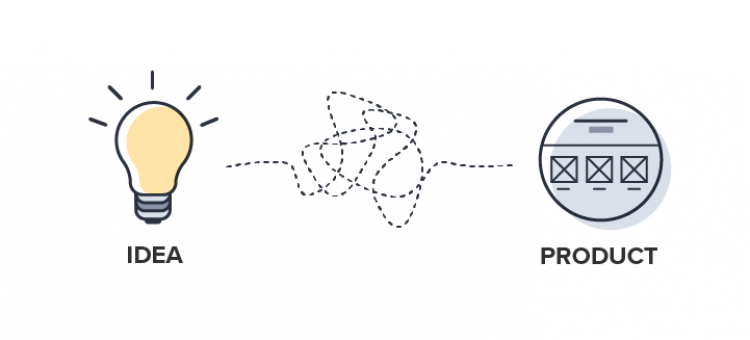
Every mobile application begins with an idea, but not every idea turns into a successful product. Validation is crucial to ensure that your app solves a real problem.
Key Activities:
- Identify target users
- Study competitors
- Define unique value proposition (UVP)
- Analyze market demand
This stage helps you avoid unnecessary development costs by ensuring that your app has real potential in the market.
Step 2: Strategic Planning and Requirement Analysis
Once your idea is validated, the next step is creating a solid plan. This includes defining features, selecting technologies, and setting timelines.
Planning Components:
- Feature prioritization (MVP approach)
- Technology stack selection
- Budget estimation
- Timeline planning
| App Type | Technology Stack | Best Use Case |
|---|---|---|
| Native Apps | Swift, Kotlin | High performance apps |
| Cross-platform Apps | React Native, Flutter | Cost-effective solutions |
| Web Apps | PWA | Browser-based applications |
Step 3: UI/UX Design Process
Design is one of the most critical factors in determining app success. A well-designed app not only looks attractive but also enhances usability.
Design Phases:
- Wireframing
- Prototyping
- Visual UI design
A great user experience ensures higher engagement, retention, and satisfaction.
Step 4: Mobile App Development
This is the core stage where developers turn designs into a functional application.
Frontend Development:
- UI implementation
- Responsive design
- Animations and interactions
Backend Development:
- Server-side logic
- Database management
- API integration
| Component | Technologies |
|---|---|
| Frontend | React Native, Flutter |
| Backend | Node.js, Django |
| Database | MongoDB, PostgreSQL |
Step 5: Testing and Quality Assurance
Testing ensures that your app performs well under various conditions and is free from critical bugs.
Testing Types:
- Functional Testing
- Performance Testing
- Security Testing
- Usability Testing
A well-tested app ensures better user satisfaction and fewer negative reviews.
Step 6: Deployment and Launch
After successful testing, the app is deployed to app stores.
- Google Play Store
- Apple App Store
Proper optimization and compliance with guidelines are essential for approval.
Step 7: Maintenance and Continuous Improvement
Mobile app development does not end after launch. Continuous updates are necessary to improve performance and add new features.
- Bug fixes
- Feature enhancements
- Security updates
Challenges in Mobile App Development

- Choosing the right technology
- Managing development cost
- Ensuring security
- Maintaining scalability
Cost Breakdown of Mobile App Development
| App Complexity | Estimated Cost | Development Time |
|---|---|---|
| Basic App | $5,000 – $15,000 | 1–3 months |
| Medium App | $15,000 – $50,000 | 3–6 months |
| Advanced App | $50,000+ | 6+ months |
Why Choose Developers App India BM Coder?
We provide end-to-end mobile app development services with a focus on innovation, performance, and scalability.
- Experienced development team
- Affordable pricing models
- Latest technologies
- Customer-focused approach
🚀 Get Started Today
Have an app idea? Let’s build something amazing together. Contact our team today and take the first step toward your digital success.
📧 Email: [email protected]
💬 WhatsApp: +91 9586979730
Conclusion
Building a modern mobile application involves multiple stages, from idea validation to continuous improvement. Each step plays a crucial role in ensuring the app’s success.
By following a structured development process and partnering with experienced professionals like Developers App India BM Coder, businesses can create powerful mobile applications that drive growth and deliver exceptional user experiences.
Blog ID: 1191Author: parth
Date: 20-03-2026
We to code. It's our passion










you can also reach us at our given
email address or phone number.