
In today's fast-moving digital economy, logistics platforms have evolved from basic tracking systems into highly sophisticated ecosystems that drive efficiency, visibility, and scalability across supply chains. Businesses operating in eCommerce, manufacturing, retail, and distribution increasingly rely on intelligent logistics software to streamline operations and meet rising customer expectations.
If you're planning to build or upgrade your logistics solution, investing in advanced logistics software development is critical. A high-performance logistics platform is not just about moving goods—it’s about optimizing every touchpoint from warehouse to last-mile delivery.
This comprehensive guide explores the essential capabilities that define modern logistics platforms and how they contribute to operational excellence, cost efficiency, and competitive advantage.
1. Real-Time Tracking and Visibility
Real-time tracking is the backbone of any high-performance logistics platform. It enables businesses and customers to monitor shipments at every stage, from dispatch to final delivery.
Key Features:
- GPS-enabled vehicle tracking
- Live shipment status updates
- Estimated Time of Arrival (ETA) predictions
- Geofencing alerts
With real-time visibility, logistics managers can quickly respond to disruptions, reroute shipments, and ensure timely deliveries. Customers also benefit from transparency, which enhances trust and satisfaction.
2. Intelligent Route Optimization

Route optimization uses advanced algorithms and AI to determine the most efficient delivery routes. This reduces fuel consumption, delivery times, and operational costs.
| Factor | Impact |
|---|---|
| Traffic Conditions | Avoids congestion and delays |
| Weather Data | Ensures safer routing |
| Delivery Priorities | Improves SLA adherence |
| Vehicle Capacity | Maximizes load efficiency |
By leveraging AI-driven route planning, logistics platforms can significantly improve delivery efficiency while reducing environmental impact.
3. Warehouse Management Integration
A high-performance logistics platform must seamlessly integrate with warehouse management systems (WMS). This ensures accurate inventory tracking, faster order processing, and efficient storage utilization.
Core Capabilities:
- Inventory synchronization
- Automated picking and packing
- Barcode and RFID scanning
- Stock level alerts
Integration with warehouse operations eliminates manual errors and enhances overall supply chain coordination.
4. Automation and Workflow Management
Automation is essential for scaling logistics operations. From order processing to dispatch scheduling, automated workflows reduce human intervention and improve accuracy.
Modern platforms support:
- Automated order assignment
- Dispatch scheduling
- Invoice generation
- Exception handling workflows
Automation not only speeds up operations but also reduces operational costs and improves consistency.
5. Advanced Analytics and Reporting
Data-driven decision-making is a hallmark of high-performance logistics platforms. Advanced analytics provide insights into performance metrics, enabling continuous optimization.
| Metric | Description |
|---|---|
| Delivery Time | Measures efficiency of logistics operations |
| Fleet Utilization | Tracks vehicle productivity |
| Order Accuracy | Ensures correct deliveries |
| Cost per Shipment | Analyzes operational expenses |
Custom dashboards and reports empower businesses to identify bottlenecks and improve performance proactively.
6. Multi-Channel Order Management
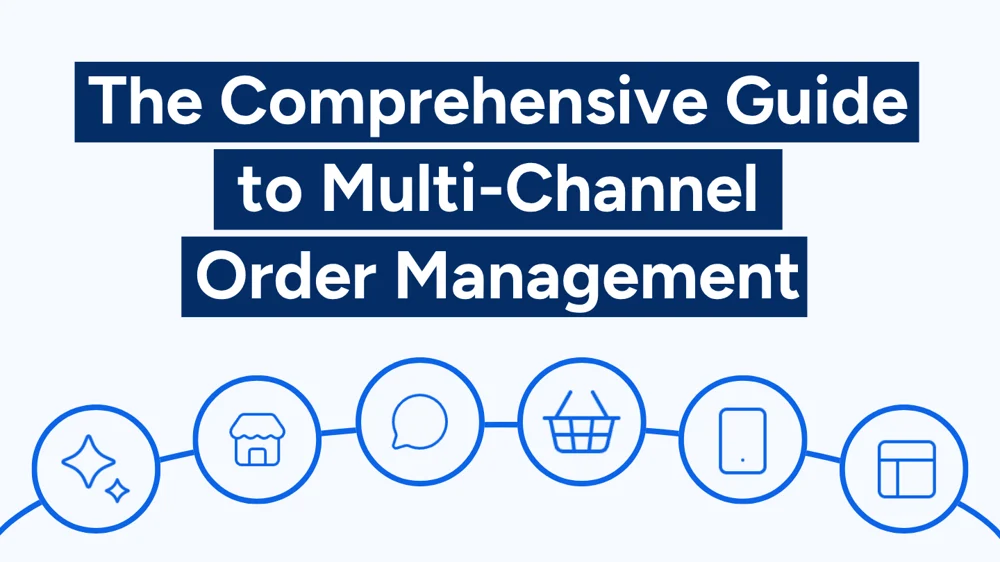
Logistics platforms must support orders from multiple channels, including eCommerce websites, marketplaces, and offline systems.
This includes:
- Centralized order processing
- Omnichannel integration
- Order prioritization
- Returns management
A unified order management system ensures seamless operations across all sales channels.
🚀 Build a High-Performance Logistics Platform
Looking to develop a scalable and feature-rich logistics application tailored to your business needs?
📧 Email: [email protected]
💬 WhatsApp: +91 9586979730
7. Fleet Management System
Efficient fleet management is crucial for logistics success. A robust platform provides tools to monitor vehicle performance, driver behavior, and maintenance schedules.
Key Features:
- Vehicle tracking
- Fuel consumption monitoring
- Driver performance analytics
- Maintenance alerts
These capabilities help reduce downtime, improve safety, and optimize fleet operations.
8. Scalability and Cloud Infrastructure
Modern logistics platforms must be built on scalable cloud infrastructure to handle increasing demand and data volume.
Benefits include:
- On-demand scalability
- High availability
- Data security
- Cost efficiency
Cloud-based solutions ensure that your platform can grow with your business without performance bottlenecks.
9. API Integration and Ecosystem Connectivity
A high-performance logistics platform should easily integrate with third-party systems such as payment gateways, CRM tools, ERP systems, and shipping carriers.
API-driven architecture enables:
- Seamless data exchange
- Faster integration
- Enhanced flexibility
This interconnected ecosystem improves operational efficiency and enhances user experience.
10. Security and Compliance
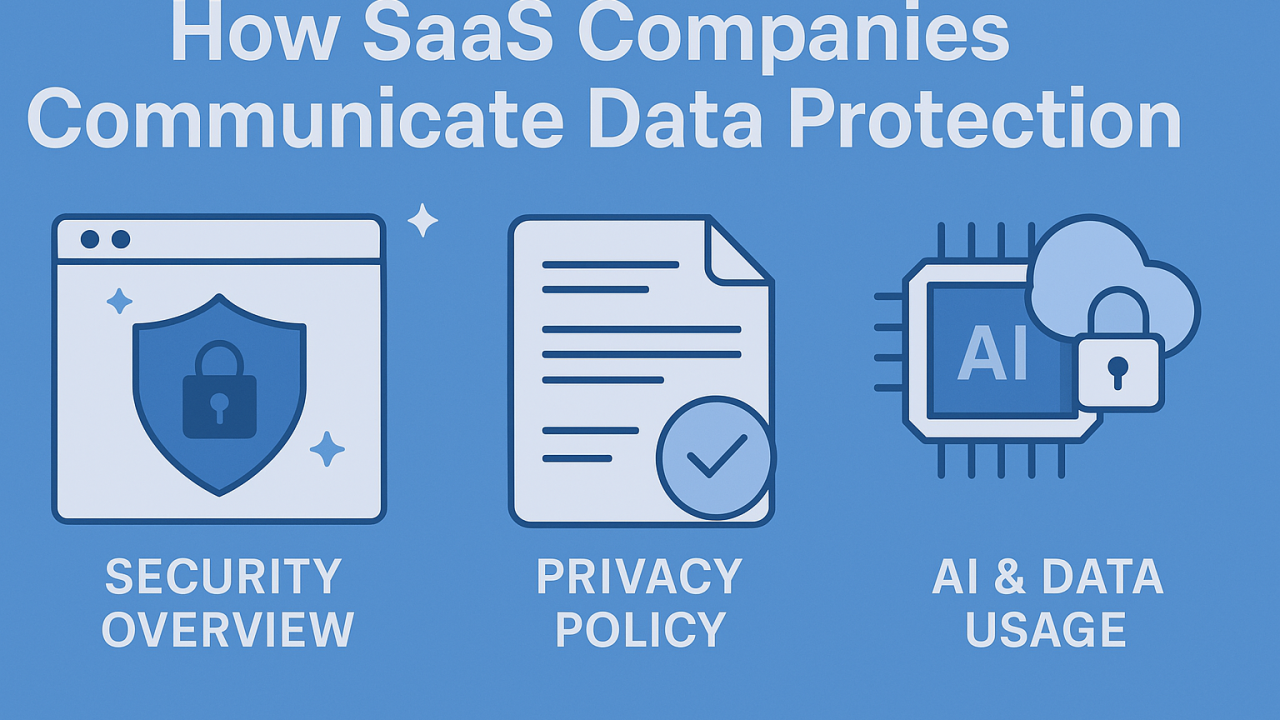
Data security is critical in logistics operations, especially when handling sensitive customer and business information.
| Security Feature | Purpose |
|---|---|
| Data Encryption | Protects sensitive information |
| Access Control | Restricts unauthorized access |
| Audit Logs | Tracks system activity |
| Compliance Standards | Ensures legal adherence |
A secure platform builds trust and ensures compliance with industry regulations.
11. Last-Mile Delivery Optimization
The last mile is often the most complex and expensive part of logistics. High-performance platforms provide tools to optimize this critical stage.
Capabilities include:
- Dynamic route adjustments
- Proof of delivery (POD)
- Customer communication tools
- Delivery scheduling
Optimizing last-mile delivery enhances customer satisfaction and reduces operational costs.
12. User-Friendly Interface and Experience
A powerful logistics platform must also be easy to use. Intuitive interfaces improve adoption and productivity.
Key elements:
- Dashboard customization
- Mobile-friendly design
- Simple navigation
- Real-time notifications
User experience plays a crucial role in maximizing the platform's effectiveness.
📦 Ready to Transform Your Logistics Operations?
Partner with experienced developers to build a custom logistics solution that delivers performance, scalability, and innovation.
📧 Email: [email protected]
💬 WhatsApp: Chat Now
Conclusion
High-performance logistics platforms are no longer optional—they are essential for businesses aiming to compete in a fast-paced, customer-centric market. From real-time tracking and AI-driven optimization to robust security and seamless integrations, these capabilities define the future of logistics technology.
By investing in the right features and working with experienced development partners, businesses can build logistics platforms that not only meet current demands but also adapt to future challenges.
Whether you're a startup or an enterprise, now is the time to embrace digital transformation in logistics and unlock new levels of efficiency, visibility, and growth.
Blog ID: 1455Author: parth
Date: 17-04-2026
We to code. It's our passion










you can also reach us at our given
email address or phone number.