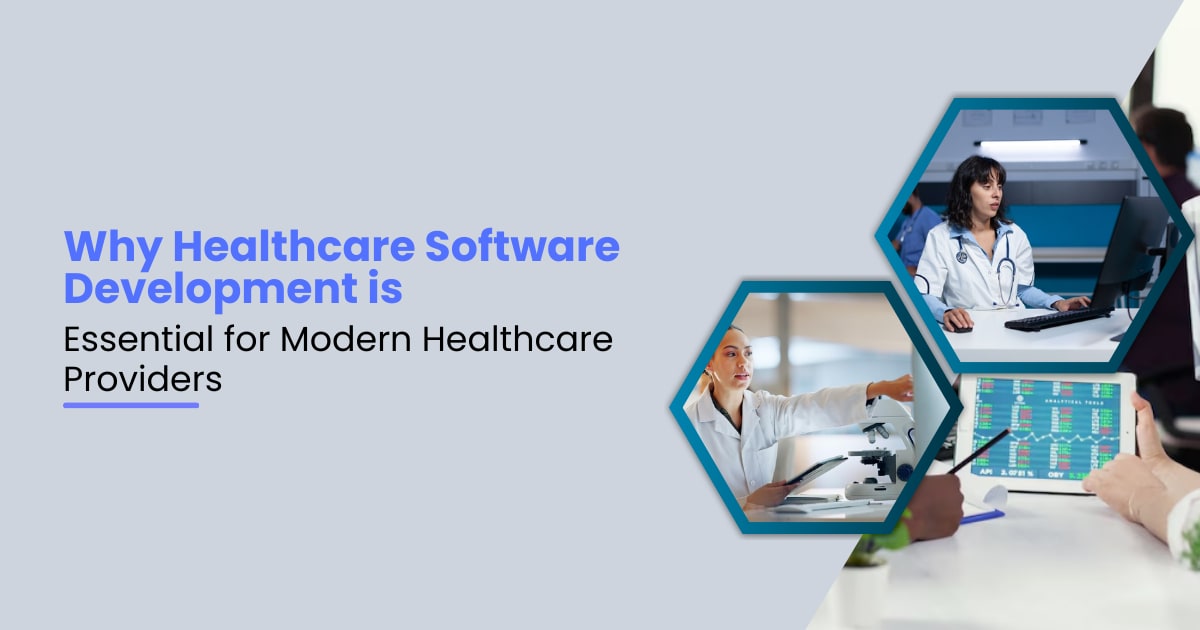
Healthcare is rapidly evolving through digital transformation. Hospitals, clinics, healthcare startups, pharmaceutical companies, laboratories, and wellness providers are increasingly adopting advanced digital healthcare platforms to improve patient outcomes, operational efficiency, and medical accessibility.
Modern healthcare applications are no longer limited to appointment booking or patient record management. Today’s platforms integrate artificial intelligence, telemedicine, remote monitoring, analytics, electronic health records, automation systems, secure communication, and cloud infrastructure into one connected ecosystem.
As patient expectations continue to grow, healthcare organizations require robust, scalable, secure, and feature-rich applications that support medical professionals while delivering seamless patient experiences.
Businesses looking for advanced healthcare solutions often partner with professional healthcare software teams offering custom healthcare app development to build scalable platforms tailored to hospitals, clinics, diagnostic centers, and digital health startups.
Why Modern Healthcare Platforms Matter
Traditional healthcare systems often suffer from fragmented communication, manual paperwork, delayed diagnostics, inefficient workflows, and poor patient engagement. Modern healthcare platforms solve these challenges by centralizing operations and digitizing healthcare delivery.
These platforms create connected healthcare ecosystems where patients, doctors, administrators, pharmacists, laboratories, insurers, and caregivers can collaborate efficiently in real time.
| Traditional Healthcare Challenges | Modern Healthcare Platform Solutions |
|---|---|
| Manual paperwork | Digital records and automation |
| Limited accessibility | Telemedicine and remote care |
| Data fragmentation | Integrated healthcare systems |
| Long patient wait times | Smart scheduling systems |
| Poor patient engagement | Patient mobile applications |
| Security concerns | HIPAA-compliant architecture |
1. Electronic Health Record (EHR) Integration
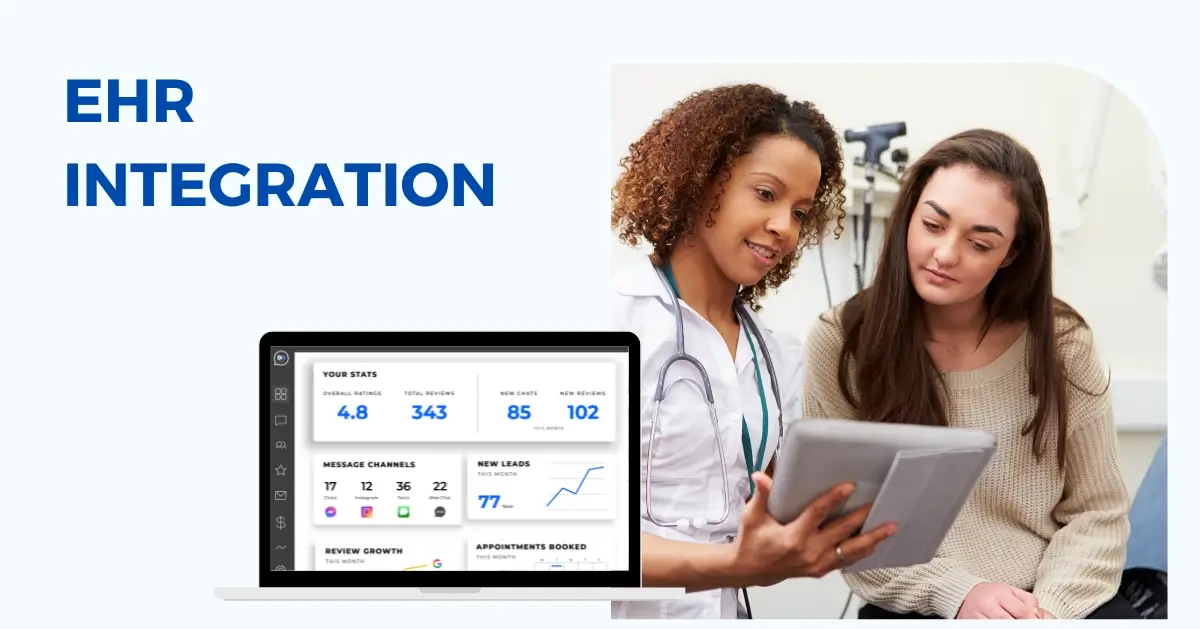
Electronic Health Record integration is one of the most critical capabilities of modern healthcare platforms. EHR systems centralize patient information, allowing healthcare providers to access medical history, prescriptions, reports, allergies, diagnoses, and treatment plans instantly.
Integrated EHR systems eliminate duplicate documentation and reduce administrative burdens for medical staff.
Key Benefits of EHR Integration
- Centralized patient information
- Faster diagnosis and treatment
- Improved clinical decision-making
- Reduced documentation errors
- Better coordination between healthcare departments
- Real-time data accessibility
Healthcare platforms with advanced EHR integration improve continuity of care while enhancing operational efficiency across hospitals and clinics.
2. Telemedicine and Virtual Consultation Features
Telemedicine has transformed the healthcare industry by enabling remote consultations between doctors and patients. Modern healthcare platforms now include secure video conferencing, chat systems, remote prescription management, and virtual follow-up features.
These capabilities are especially valuable for rural healthcare accessibility, chronic disease management, elderly care, and post-treatment monitoring.
| Telemedicine Features | Purpose |
|---|---|
| Video Consultation | Remote doctor-patient communication |
| Digital Prescriptions | Online medication management |
| Appointment Scheduling | Efficient consultation booking |
| Chat Messaging | Quick patient support |
| Remote Follow-Ups | Continuous patient care |
Telemedicine platforms also reduce hospital overcrowding and improve healthcare delivery speed.
3. Patient Portal and Self-Service Features
Modern patients expect digital convenience similar to banking or eCommerce applications. Patient portals provide users with self-service capabilities that improve engagement and satisfaction.
These portals allow patients to:
- Book appointments online
- Access medical records
- View prescriptions
- Pay medical bills
- Receive test reports
- Communicate with doctors
- Track treatment progress
Self-service healthcare systems reduce administrative workload while improving patient experience significantly.
4. Secure Communication Infrastructure
Healthcare data is highly sensitive and requires strong security protocols. Modern healthcare platforms must include encrypted communication channels to protect patient confidentiality.
Secure communication systems include:
- Encrypted messaging
- Secure file sharing
- HIPAA-compliant chat systems
- Role-based access control
- Multi-factor authentication
- Secure APIs
Healthcare providers must comply with regulations such as HIPAA, GDPR, and HL7 standards to ensure patient privacy and legal compliance.
5. AI-Powered Healthcare Analytics
Artificial Intelligence is becoming a major component of modern healthcare platforms. AI-driven analytics help healthcare providers process large volumes of patient data and improve medical decision-making.
AI systems can analyze symptoms, predict risks, detect anomalies, and provide data-driven treatment recommendations.
Applications of AI in Healthcare Platforms
- Disease prediction
- Medical imaging analysis
- Predictive analytics
- Patient risk assessment
- Clinical workflow automation
- Healthcare chatbot assistance
AI technologies improve diagnostic accuracy while reducing healthcare costs and operational inefficiencies.
6. Remote Patient Monitoring (RPM)
Remote Patient Monitoring systems enable healthcare providers to track patients outside hospital environments using connected devices and wearable technologies.
RPM solutions are widely used for chronic disease management, elderly care, post-surgery monitoring, and preventive healthcare.
| RPM Devices | Monitored Metrics |
|---|---|
| Smart Watches | Heart rate and activity |
| Glucose Monitors | Blood sugar levels |
| Blood Pressure Devices | Blood pressure tracking |
| Pulse Oximeters | Oxygen saturation |
| ECG Devices | Heart activity monitoring |
These systems improve patient outcomes through continuous monitoring and early intervention.
7. Smart Appointment and Scheduling Management

Healthcare scheduling systems are essential for efficient hospital and clinic operations. Modern healthcare platforms include intelligent appointment booking systems that minimize scheduling conflicts and improve patient flow.
Key scheduling features include:
- Online appointment booking
- Automated reminders
- Doctor availability tracking
- Queue management
- Calendar synchronization
- Rescheduling automation
Automated scheduling reduces no-show rates and improves operational productivity.
8. Integrated Billing and Payment Systems
Modern healthcare platforms must support seamless billing and payment management. Integrated financial systems improve transparency while simplifying insurance claims and patient payments.
Healthcare billing modules often include:
- Insurance verification
- Online payments
- Invoice generation
- Claim management
- Revenue tracking
- Payment reminders
Digital billing solutions improve revenue cycle management while enhancing patient convenience.
9. Cloud-Based Infrastructure
Cloud technology is powering the scalability and flexibility of modern healthcare systems. Cloud-based healthcare platforms enable real-time data access, remote collaboration, and centralized storage.
Benefits of cloud healthcare infrastructure include:
- Scalability
- Reduced infrastructure costs
- Disaster recovery
- Remote accessibility
- Real-time synchronization
- Data backup and redundancy
Cloud systems also support integration with multiple healthcare applications and third-party APIs.
10. Healthcare Workflow Automation
Automation capabilities significantly improve efficiency within healthcare organizations. Workflow automation reduces repetitive manual tasks and allows medical staff to focus more on patient care.
Examples of healthcare automation include:
- Automated appointment reminders
- Prescription refill notifications
- Lab result alerts
- Patient onboarding workflows
- Billing automation
- Insurance verification processes
Automation reduces operational costs while improving productivity and accuracy.
11. Multi-Device Accessibility
Modern healthcare users access platforms from smartphones, tablets, desktops, and wearable devices. Healthcare applications must provide responsive and cross-platform experiences for both patients and healthcare providers.
Cross-device accessibility ensures:
- Better patient engagement
- Remote accessibility
- Improved healthcare continuity
- Flexible communication
- Enhanced operational mobility
Healthcare mobile applications are now considered essential components of digital healthcare ecosystems.
12. Advanced Reporting and Dashboard Systems
Healthcare organizations require real-time insights into operational performance, patient outcomes, and financial metrics. Advanced dashboard systems provide centralized analytics for administrators and medical professionals.
| Dashboard Metrics | Business Value |
|---|---|
| Patient Volume | Resource planning |
| Revenue Analytics | Financial management |
| Appointment Trends | Operational optimization |
| Treatment Outcomes | Clinical improvements |
| Staff Performance | Productivity tracking |
Data-driven healthcare management enables organizations to improve both patient care and operational efficiency.
13. Interoperability and Third-Party Integrations
Healthcare platforms often need to connect with laboratories, pharmacies, insurance providers, wearable devices, government systems, and external healthcare databases.
Interoperability allows seamless data exchange across systems while improving collaboration between healthcare stakeholders.
Important integration standards include:
- HL7
- FHIR
- DICOM
- HIPAA compliance APIs
Strong integration capabilities ensure healthcare systems remain scalable and future-ready.
14. Role-Based Access and User Management
Healthcare organizations involve multiple user roles including doctors, nurses, administrators, pharmacists, lab technicians, and patients.
Modern healthcare platforms implement role-based access systems to ensure users only access relevant information.
This improves:
- Security
- Compliance
- Workflow management
- Operational organization
- Data privacy protection
15. Scalability for Future Healthcare Innovation
Healthcare technology continues to evolve rapidly. Modern platforms must support future scalability and emerging technologies such as:
- AI diagnostics
- IoT healthcare devices
- Blockchain healthcare systems
- AR/VR medical training
- Predictive healthcare analytics
- Genomic data analysis
Scalable healthcare architecture ensures long-term adaptability and business growth.
Key Technologies Used in Modern Healthcare Platforms
| Technology | Usage |
|---|---|
| React & Angular | Frontend healthcare interfaces |
| Node.js | Backend healthcare APIs |
| Python AI Frameworks | Healthcare analytics and AI |
| MongoDB & PostgreSQL | Healthcare database management |
| AWS & Azure | Cloud healthcare infrastructure |
| WebRTC | Telemedicine video communication |
Challenges in Building Modern Healthcare Platforms
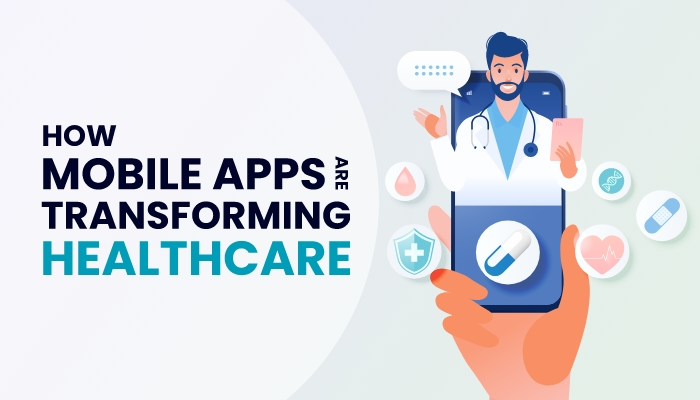
Despite the benefits, healthcare application development comes with several technical and regulatory challenges.
Major Challenges
- Data privacy compliance
- Complex healthcare workflows
- Integration difficulties
- High security requirements
- Scalability management
- User adoption challenges
- Cross-platform compatibility
Professional healthcare software development teams help organizations overcome these challenges through secure architecture planning and industry-specific expertise.
The Future of Healthcare Platforms
The future of healthcare technology is centered around intelligent, connected, patient-focused ecosystems. Emerging innovations will continue transforming how healthcare services are delivered worldwide.
Future healthcare platforms will increasingly rely on:
- AI-assisted diagnostics
- Real-time health monitoring
- Personalized medicine
- Automation-driven workflows
- Blockchain medical records
- Smart wearable integration
- Predictive patient care systems
Healthcare providers that adopt modern digital healthcare platforms today will gain significant advantages in operational efficiency, patient satisfaction, and healthcare innovation.
Conclusion
Modern healthcare platforms are transforming the medical industry by improving accessibility, efficiency, patient engagement, and clinical outcomes. Essential capabilities such as telemedicine, EHR integration, AI analytics, automation, remote monitoring, secure communication, and cloud infrastructure are becoming the foundation of next-generation healthcare systems.
Healthcare organizations that invest in scalable and feature-rich healthcare applications can improve operational performance while delivering better patient experiences.
As digital healthcare continues evolving, businesses need reliable technology partners capable of building secure, scalable, and compliance-ready healthcare solutions tailored to modern industry requirements.
CTA — Build Advanced Healthcare Platforms with BM Coder
Looking to develop a secure, scalable, and feature-rich healthcare application for your hospital, clinic, startup, or healthcare organization?
Developers App India BM Coder specializes in custom healthcare software development, telemedicine platforms, patient portals, healthcare admin panels, AI healthcare solutions, and HIPAA-compliant medical applications.
Contact our healthcare software development experts today:
📧 Email: [email protected]
📱 WhatsApp: +91.9586979730
Blog ID: 1548Author: parth
Date: 11-05-2026
We to code. It's our passion





you can also reach us at our given
email address or phone number.