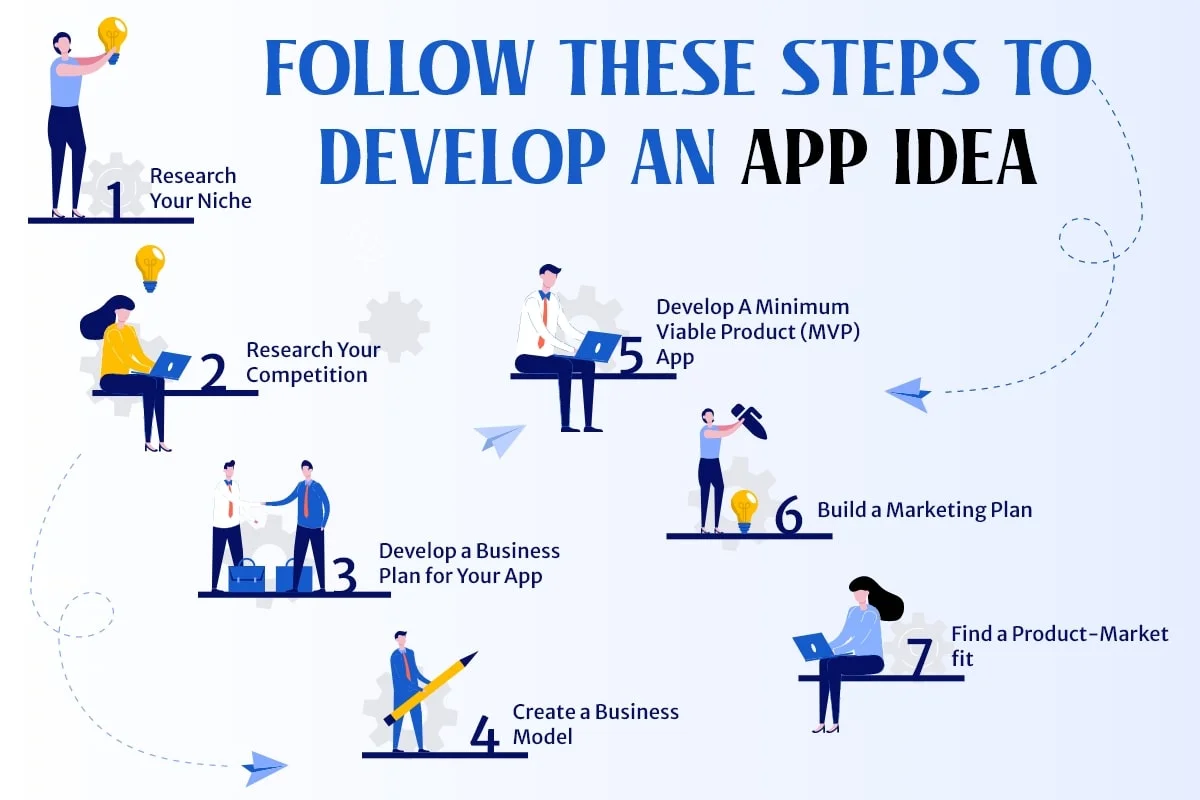
Every successful mobile application starts with a simple idea. But transforming that idea into a fully functional app available on the App Store or Google Play is a complex and strategic journey. Startups often struggle with where to begin, how to validate their idea, and how to execute development efficiently.
In this comprehensive guide, we’ll walk you through every stage of the product development lifecycle—from ideation to launch—so you can build a scalable, user-friendly app that stands out in today’s competitive digital landscape.
If you are looking to bring your idea to life, working with a professional app development company can significantly streamline the entire process and ensure high-quality results.
1. Ideation: Turning a Vision into a Concept
The journey begins with a clear idea. But not all ideas are viable. You need to refine your concept and ensure it solves a real-world problem.
Key Questions to Ask:
- What problem does your app solve?
- Who is your target audience?
- What makes your app unique?
| Aspect | Description |
|---|---|
| Problem Statement | Define the core issue your app addresses |
| Target Users | Identify your ideal audience |
| Unique Value | What differentiates your app from competitors |
Startups that invest time in ideation often reduce failure risk significantly.
2. Market Research & Validation
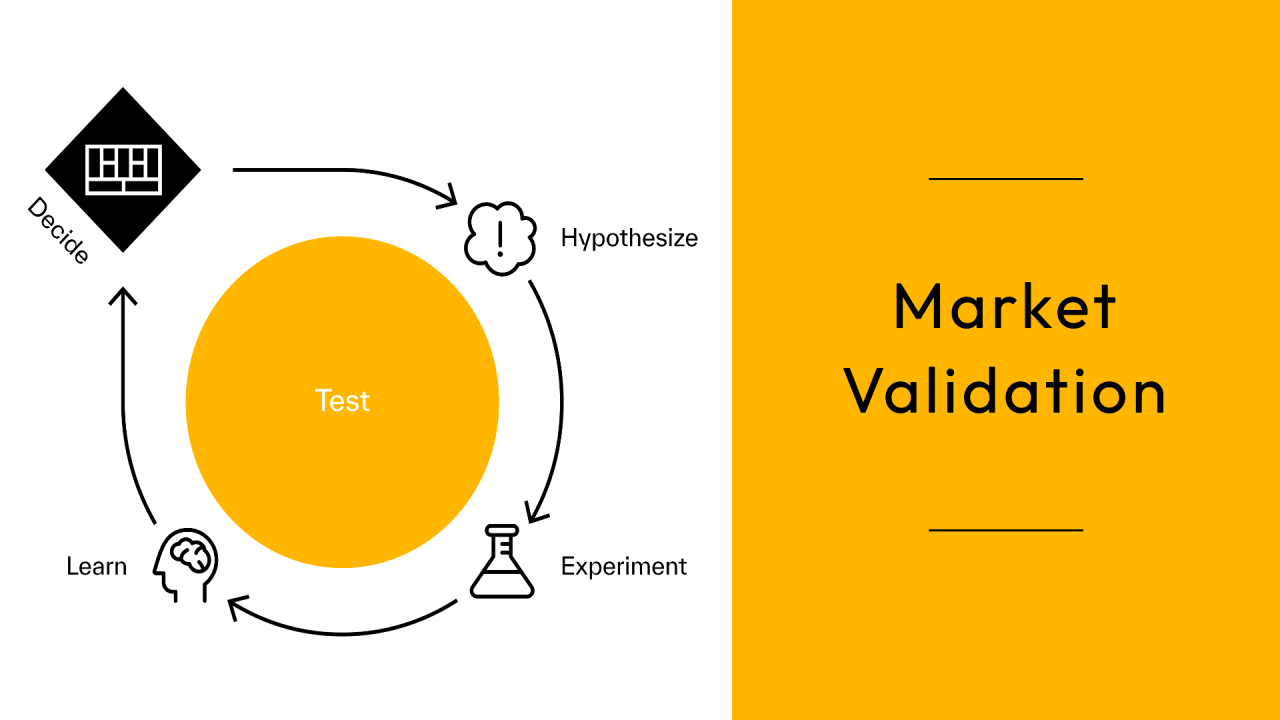
Before writing a single line of code, validate your idea in the market.
Methods for Validation:
- Competitor analysis
- User surveys
- Landing pages
- MVP testing
| Validation Method | Purpose |
|---|---|
| Competitor Analysis | Understand market landscape |
| User Feedback | Validate demand |
| MVP | Test core features quickly |
Validation ensures you're building something people actually want.
3. Planning & Strategy
This phase involves creating a roadmap for your product development.
Key Components:
- Feature prioritization
- Technology stack selection
- Budget planning
- Timeline creation
| Planning Element | Details |
|---|---|
| Features | Define must-have vs nice-to-have features |
| Tech Stack | Choose platforms like iOS, Android, or cross-platform |
| Budget | Estimate development costs |
| Timeline | Set realistic milestones |
🚀 Start Your App Journey Today
Have an idea but not sure where to start? Let our experts guide you from concept to launch.
📧 Email: [email protected]
📱 WhatsApp: +91 9586979730
4. UI/UX Design: Creating User-Centric Experiences
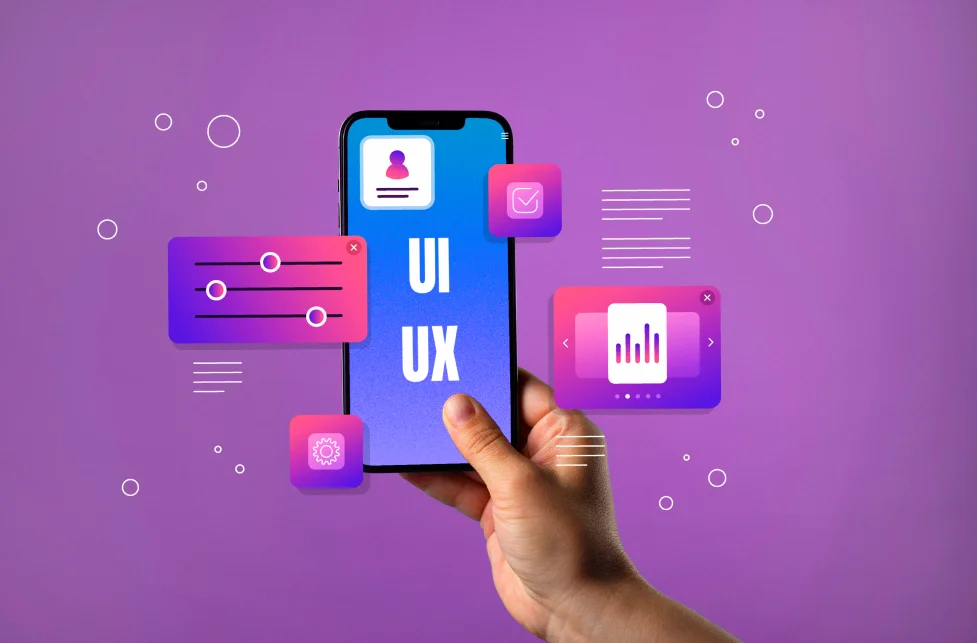
Design plays a crucial role in app success. A well-designed app enhances user engagement and retention.
Design Stages:
- Wireframing
- Prototyping
- User testing
| Design Phase | Objective |
|---|---|
| Wireframes | Basic layout structure |
| Prototype | Interactive mockups |
| User Testing | Validate usability |
Good UX design can be the difference between success and failure.
5. Development: Bringing Your App to Life
This is where your idea becomes a reality. Development includes frontend, backend, and integration processes.
Development Types:
- Native Apps (iOS/Android)
- Cross-platform Apps
- Web Apps
| Type | Pros | Cons |
|---|---|---|
| Native | High performance | Higher cost |
| Cross-platform | Cost-effective | Limited performance |
| Web App | Easy to deploy | Limited functionality |
Choosing the right development approach is critical for scalability.
6. Testing & Quality Assurance
No app should go live without thorough testing.
Types of Testing:
- Functional testing
- Performance testing
- Security testing
- User acceptance testing
| Testing Type | Purpose |
|---|---|
| Functional | Ensure features work correctly |
| Performance | Check speed and responsiveness |
| Security | Protect user data |
Testing ensures your app is reliable and bug-free.
7. Deployment: Launching on App Stores
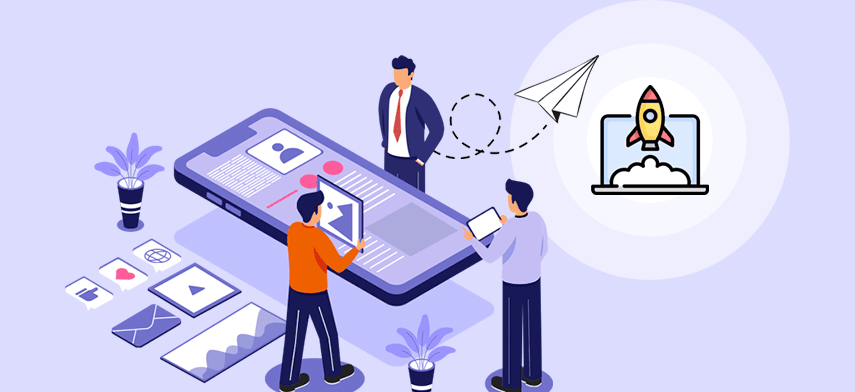
Once your app is ready, it’s time to launch.
Steps for Deployment:
- Create developer accounts
- Prepare app store listings
- Submit for review
- Fix rejections if any
| Platform | Review Time |
|---|---|
| Google Play | 1–3 days |
| Apple App Store | 3–7 days |
Optimization of app listing (ASO) helps improve visibility.
8. Marketing & Growth Strategy
Launching your app is just the beginning. Marketing drives user acquisition.
Effective Channels:
- Social media marketing
- Paid ads
- Influencer marketing
- Content marketing
| Channel | Benefit |
|---|---|
| Social Media | Brand awareness |
| Paid Ads | Quick user acquisition |
| SEO | Long-term growth |
9. Post-Launch Maintenance & Updates
Continuous improvement is key to long-term success.
Maintenance Activities:
- Bug fixes
- Feature updates
- Performance improvements
- User feedback integration
Regular updates keep users engaged and improve ratings.
💡 Turn Your Idea Into a Successful App
Ready to build your mobile app? Our expert team is here to help you every step of the way.
📧 Email: [email protected]
📱 WhatsApp: Chat on WhatsApp
Conclusion
The journey from idea to App Store is filled with challenges, but with the right strategy, tools, and team, success is achievable. Startups must focus on validation, user experience, and continuous improvement to build impactful applications.
Partnering with an experienced app development company ensures your idea is executed professionally and efficiently, giving your startup the best chance to succeed in today’s competitive market.
Author: parth
Date: 07-04-2026
We to code. It's our passion









you can also reach us at our given
email address or phone number.