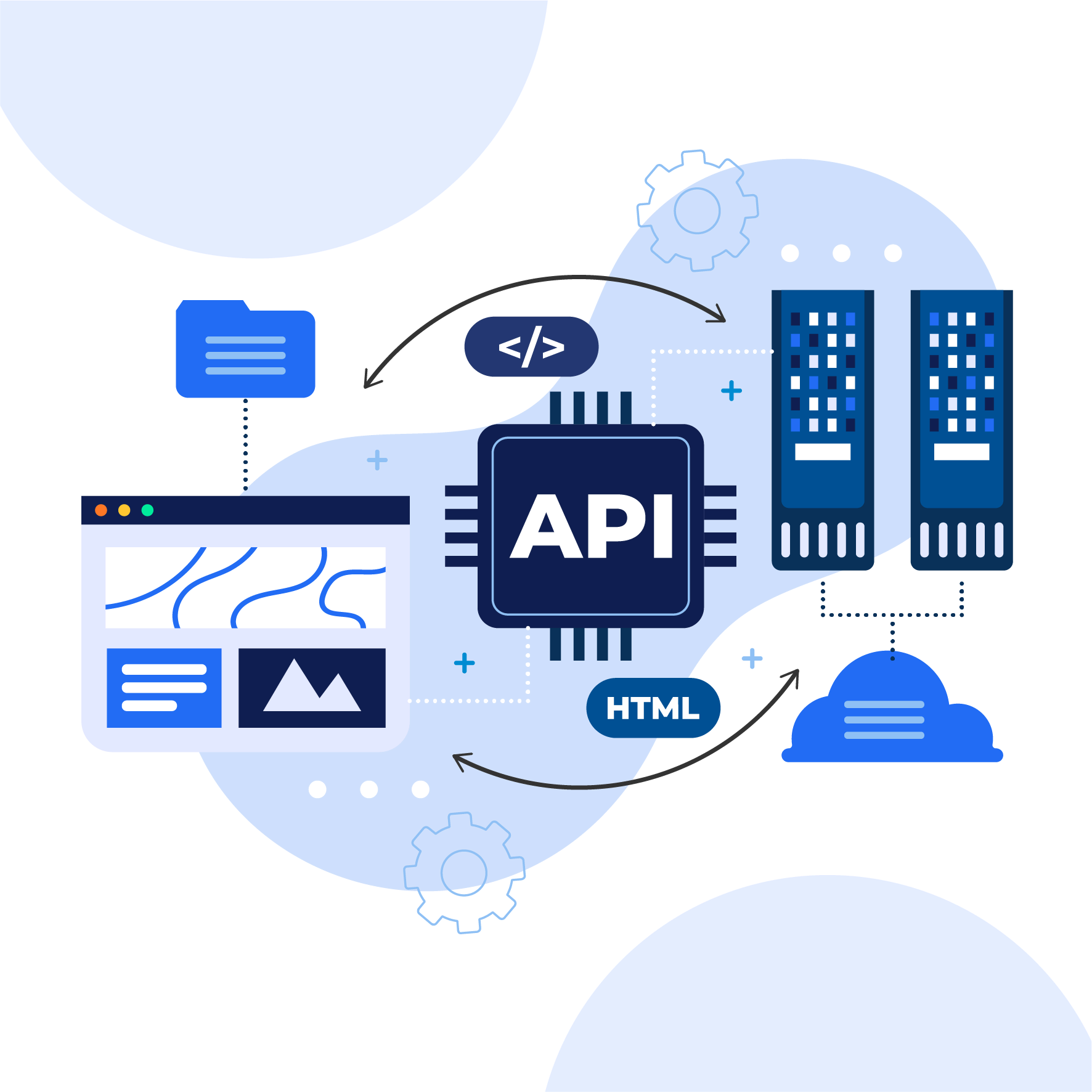
Modern Android applications are no longer standalone systems. Instead, they function as part of a broader digital ecosystem, connecting users, services, and data in real-time. The backbone of this connectivity is APIs (Application Programming Interfaces). APIs allow Android apps to communicate with servers, third-party services, and other applications, making them more dynamic, scalable, and feature-rich.
Whether you are building a social media platform, an eCommerce store, or a fintech solution, APIs play a vital role in ensuring smooth performance and seamless user experience. In this comprehensive guide, we will explore how APIs enable Android app functionality, why they matter, and how businesses can leverage them effectively.
If you're planning to build a robust app, explore our Android-app-api-development to get scalable and secure solutions tailored to your business.
🚀 Build Powerful API-Driven Android Apps
Need expert help integrating APIs into your Android application?
📧 Email: [email protected]
📱 WhatsApp: +91 9586979730
What is an API?
An API (Application Programming Interface) is a set of rules and protocols that allows different software applications to communicate with each other. In Android development, APIs act as intermediaries that enable apps to request and exchange data with external systems.
For example, when you use a weather app, it fetches real-time weather data from a remote server using an API. Similarly, payment apps use APIs to connect with banking systems.
Why APIs are Essential for Android Applications
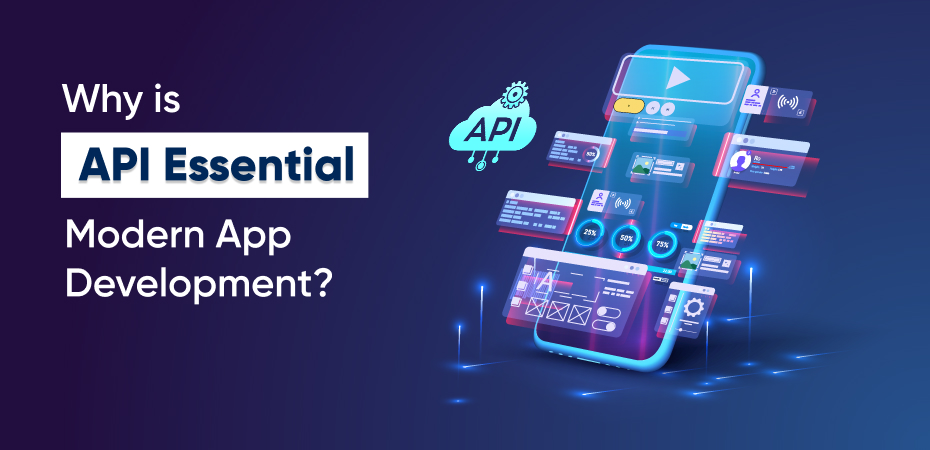
APIs are crucial because they extend the capabilities of Android apps beyond local device functionality. Here are the key benefits:
- Enable real-time data synchronization
- Allow integration with third-party services
- Reduce development time and cost
- Improve scalability and flexibility
- Enhance user experience with dynamic features
Types of APIs Used in Android Development
Different types of APIs serve different purposes. Understanding them helps in designing efficient applications.
| API Type | Description | Use Case |
|---|---|---|
| REST APIs | Use HTTP requests for communication | Most common for mobile apps |
| SOAP APIs | Protocol-based with XML messaging | Enterprise-level applications |
| GraphQL APIs | Flexible query-based API | Efficient data fetching |
| WebSocket APIs | Real-time communication | Chat and live updates |
How APIs Work in Android Apps
The process of API communication typically involves the following steps:
- The app sends a request to the server via an API endpoint
- The server processes the request
- The server sends back a response (usually JSON or XML)
- The app displays the data to the user
This seamless exchange happens within milliseconds, ensuring smooth performance.
Key Functionalities Enabled by APIs
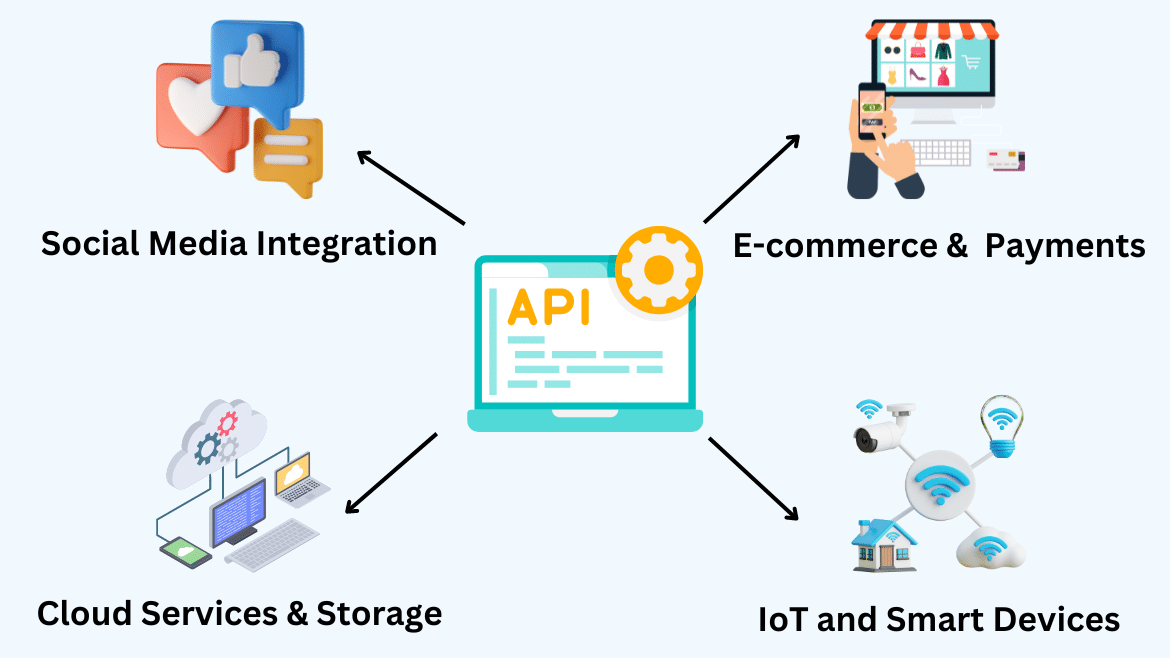
1. User Authentication
APIs enable secure login systems using OAuth, JWT, and social logins like Google or Facebook.
2. Payment Processing
Payment gateways rely heavily on APIs to process transactions securely.
3. Location Services
APIs like Google Maps provide real-time navigation and location tracking.
4. Cloud Storage
Apps use APIs to store and retrieve data from cloud servers.
5. Push Notifications
APIs enable real-time alerts and notifications to users.
API Integration Cost Factors
Integrating APIs into an Android app also affects development costs. Below is a breakdown:
| Factor | Impact on Cost |
|---|---|
| Number of APIs | More APIs = higher cost |
| Complexity | Advanced APIs require more development time |
| Security Requirements | High security increases cost |
| Third-Party Fees | Some APIs have usage charges |
Best Practices for API Integration
- Use secure authentication methods
- Optimize API calls to reduce latency
- Handle errors efficiently
- Cache data to improve performance
- Use versioning for future updates
💡 Need Scalable API Solutions?
We help businesses integrate secure and high-performance APIs into Android apps.
📧 Email: [email protected]
📱 WhatsApp: Chat on WhatsApp
Common Challenges in API Integration
While APIs offer numerous benefits, they also come with challenges:
- Latency issues
- Data security concerns
- Compatibility problems
- API rate limits
- Versioning conflicts
Working with experienced developers helps overcome these challenges effectively.
Security Considerations
API security is critical for protecting user data and preventing cyber threats.
| Security Measure | Description |
|---|---|
| HTTPS Encryption | Secures data transmission |
| Authentication Tokens | Verifies user identity |
| Rate Limiting | Prevents abuse |
| Data Validation | Ensures safe inputs |
Future Trends in API Development
The future of APIs in Android apps is evolving rapidly. Key trends include:
- AI-powered APIs
- Serverless architectures
- Microservices-based development
- GraphQL adoption
- Enhanced API security standards
Why Choose BM Coder for API-Driven Android Apps?
Developers App India BM Coder specializes in building scalable, secure, and high-performance Android applications powered by advanced API integrations. Our team ensures seamless connectivity, optimized performance, and future-ready architecture.
- Expert Android developers
- Custom API solutions
- Secure integrations
- Cost-effective development
- Ongoing support and maintenance
📞 Let's Build Your API-Powered App
Transform your app idea into a powerful digital solution.
📧 Email: [email protected]
📱 WhatsApp: +91 9586979730
Conclusion
APIs are the backbone of modern Android applications, enabling seamless functionality, real-time data exchange, and powerful integrations. From authentication to payments and cloud storage, APIs make apps smarter and more efficient.
Understanding how APIs work and implementing them effectively can significantly enhance your app’s performance and user experience. By partnering with experienced developers, businesses can leverage APIs to build scalable and future-ready applications.
Blog Slug URL: /android-app-api-development
Blog ID: 1289Author: parth
Date: 26-03-2026
We to code. It's our passion










you can also reach us at our given
email address or phone number.