Modern healthcare systems depend heavily on secure and fast data communication. Hospitals, clinics, telemedicine platforms, pharmacies, laboratories, insurance systems, wearable devices, and patient portals all need to exchange information in real time. This is where APIs become one of the most important technologies in healthcare software development.
APIs, or Application Programming Interfaces, act as bridges between different healthcare platforms. They allow systems to communicate securely, share patient information, automate workflows, and improve operational efficiency without exposing sensitive medical data to unauthorized users.
Today’s healthcare organizations are investing in connected ecosystems where doctors, patients, and administrators can access accurate data instantly. Whether it is appointment scheduling, medical record synchronization, prescription management, telemedicine consultation, billing automation, or insurance verification, APIs are powering the entire digital healthcare infrastructure.
Businesses looking to build scalable healthcare systems often invest in custom healthcare application development that integrate secure APIs for data exchange, interoperability, compliance management, and real-time communication between healthcare stakeholders.
What Are APIs in Healthcare?
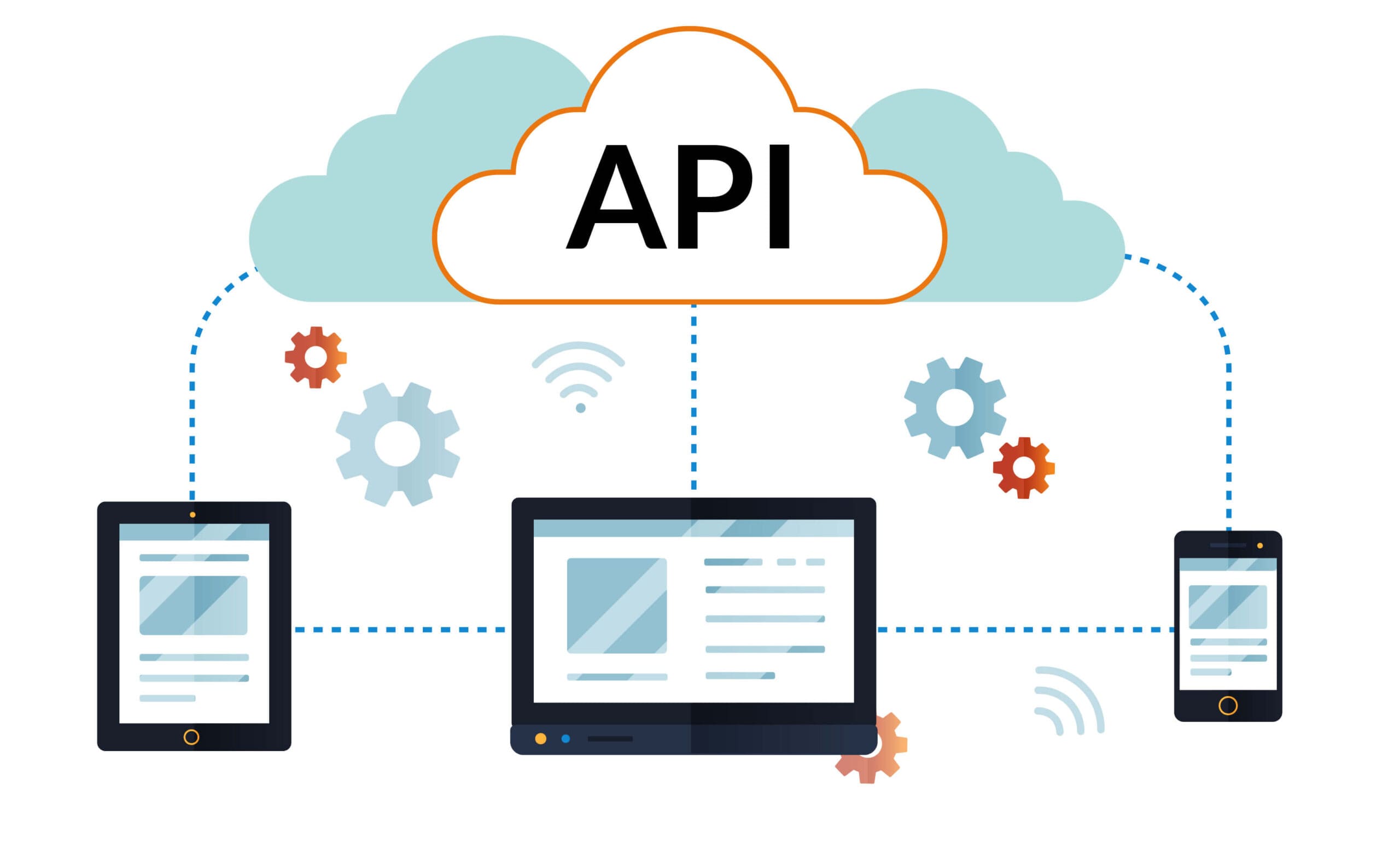
Healthcare APIs are software interfaces that allow healthcare applications and systems to exchange data securely. APIs connect different systems such as:
- Electronic Health Records (EHR)
- Hospital Management Systems
- Telemedicine Platforms
- Laboratory Systems
- Insurance Platforms
- Pharmacy Applications
- Wearable Health Devices
- Patient Portals
- Billing Systems
- Appointment Management Platforms
Without APIs, healthcare systems would operate independently with limited communication. APIs create a connected healthcare environment where information flows securely and efficiently.
Why Secure Data Exchange Matters in Healthcare
Healthcare data is one of the most sensitive types of information in the world. Patient records include:
- Medical history
- Diagnostic reports
- Prescription information
- Insurance data
- Personal identity information
- Financial records
- Lab reports
- Radiology images
Unauthorized access or data breaches can lead to serious legal, financial, and reputational damage. Therefore, healthcare APIs must follow strict security and compliance standards.
| Security Concern | Impact on Healthcare Systems |
|---|---|
| Data Breach | Exposure of sensitive patient records |
| Unauthorized Access | Privacy violations and compliance issues |
| System Downtime | Disruption in patient care operations |
| Data Tampering | Incorrect diagnosis or treatment risks |
| Weak Authentication | Unauthorized platform access |
How APIs Improve Healthcare Communication
APIs simplify communication between different healthcare systems and ensure that healthcare professionals have instant access to accurate information.
1. Real-Time Patient Data Sharing
Doctors can instantly access patient records from multiple healthcare providers. APIs allow:
- Real-time medical history access
- Prescription synchronization
- Diagnostic result sharing
- Cross-hospital communication
2. Telemedicine Integration
Telemedicine applications rely on APIs for:
- Video consultation integration
- Patient scheduling
- E-prescription systems
- Secure messaging
- Health record synchronization
3. Laboratory Integration
Healthcare APIs connect laboratories with hospitals and clinics, enabling:
- Automated lab report delivery
- Faster diagnosis workflows
- Reduced manual errors
- Real-time testing updates
4. Insurance Verification
Insurance APIs automate:
- Eligibility verification
- Claims management
- Billing synchronization
- Policy validation
Types of APIs Used in Healthcare Systems
| API Type | Purpose |
|---|---|
| EHR APIs | Access and manage electronic health records |
| Payment APIs | Handle secure healthcare payments |
| Scheduling APIs | Manage appointments and calendars |
| Messaging APIs | Enable secure communication |
| Pharmacy APIs | Prescription and medication management |
| Wearable APIs | Collect patient fitness and health data |
| Analytics APIs | Support healthcare reporting and insights |
Key Security Features in Healthcare APIs
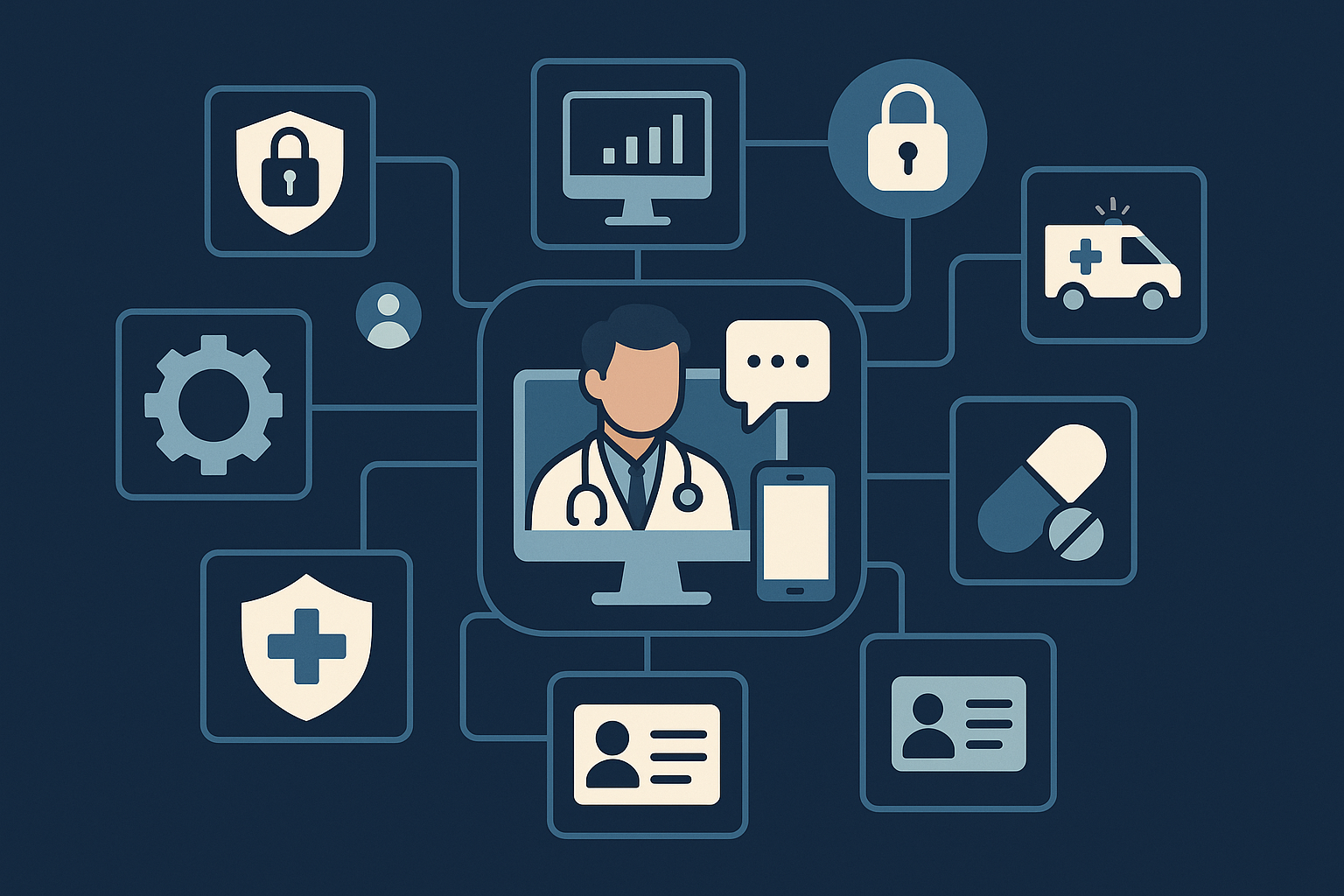
Healthcare APIs require advanced security mechanisms to protect patient data and maintain compliance.
1. Authentication and Authorization
APIs use authentication methods like:
- OAuth 2.0
- JWT Tokens
- API Keys
- Role-Based Access Control
These methods ensure only authorized users and systems can access healthcare information.
2. Data Encryption
Encryption protects healthcare data during transmission and storage. APIs use:
- SSL/TLS encryption
- AES encryption standards
- End-to-end secure communication
3. Audit Logs
Healthcare systems maintain logs for:
- User activity tracking
- Access monitoring
- Security auditing
- Compliance reporting
4. Multi-Factor Authentication
MFA adds additional security layers to healthcare systems and prevents unauthorized access.
5. Token Expiration
Temporary access tokens reduce security risks and improve API protection.
Healthcare API Standards and Compliance
Healthcare APIs must follow strict compliance regulations depending on the region and healthcare environment.
| Compliance Standard | Purpose |
|---|---|
| HIPAA | Protect patient health information in the USA |
| FHIR | Healthcare interoperability standard |
| HL7 | Healthcare data exchange framework |
| GDPR | Protect healthcare data privacy in Europe |
| HITECH | Improve healthcare data security |
What Is FHIR and Why Is It Important?
FHIR (Fast Healthcare Interoperability Resources) is one of the most important healthcare API standards. It enables healthcare systems to exchange data in a standardized format.
FHIR supports:
- Faster integrations
- Cross-platform compatibility
- Mobile healthcare applications
- Cloud healthcare platforms
- Real-time healthcare communication
FHIR APIs are becoming the foundation of modern healthcare interoperability.
Benefits of APIs in Healthcare Systems
1. Better Patient Experience
Patients can access:
- Medical records
- Lab reports
- Prescriptions
- Appointments
- Doctor communication portals
This improves transparency and patient satisfaction.
2. Faster Clinical Decisions
Doctors receive real-time patient information, helping them make faster and more accurate treatment decisions.
3. Reduced Administrative Work
APIs automate manual tasks such as:
- Insurance processing
- Billing workflows
- Appointment scheduling
- Prescription management
4. Improved Interoperability
Healthcare organizations can integrate multiple systems seamlessly using APIs.
5. Enhanced Security
Modern healthcare APIs include strong authentication, encryption, and monitoring systems.
Real-World Use Cases of Healthcare APIs
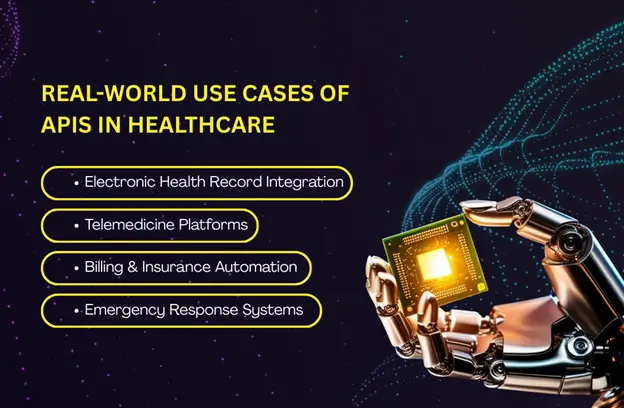
Telemedicine Applications
Telemedicine platforms use APIs for:
- Video conferencing
- Patient registration
- E-prescriptions
- Payment gateways
- Medical record integration
Wearable Health Devices
Fitness trackers and wearable devices share:
- Heart rate data
- Sleep patterns
- Blood pressure
- Physical activity metrics
APIs synchronize this information with healthcare applications.
Hospital Management Systems
Hospitals use APIs to connect:
- Billing departments
- Patient records
- Laboratory systems
- Radiology departments
- Pharmacy systems
Online Pharmacy Applications
APIs enable:
- Prescription verification
- Medicine inventory updates
- Order tracking
- Doctor-pharmacy communication
Challenges in Healthcare API Development
Despite their benefits, healthcare APIs come with technical and compliance challenges.
| Challenge | Description |
|---|---|
| Compliance Complexity | Healthcare laws differ by country and region |
| Legacy System Integration | Older systems may not support modern APIs |
| Data Security Risks | Healthcare data is a major cyberattack target |
| Scalability Issues | Systems must support large healthcare networks |
| Data Standardization | Different systems store data differently |
Best Practices for Secure Healthcare API Development
Use Secure Authentication
Implement OAuth 2.0, JWT tokens, and role-based permissions.
Encrypt Sensitive Data
Protect data using advanced encryption standards during storage and transmission.
Implement API Rate Limiting
Prevent abuse and cyberattacks through request limitation systems.
Maintain Audit Trails
Track all API interactions for compliance and security monitoring.
Perform Security Testing
Conduct:
- Penetration testing
- Vulnerability scanning
- Compliance audits
- Code security reviews
Use Cloud Security Standards
Healthcare cloud environments should follow strict security frameworks and infrastructure best practices.
Role of Cloud APIs in Healthcare
Cloud computing has transformed healthcare technology. Cloud APIs allow healthcare systems to:
- Scale faster
- Store data securely
- Support remote healthcare access
- Improve disaster recovery
- Enable multi-location healthcare operations
Cloud-native healthcare APIs also improve system performance and availability.
Future of APIs in Healthcare Systems
Healthcare APIs will continue evolving with technologies like:
- Artificial Intelligence
- Machine Learning
- IoT Healthcare Devices
- Blockchain Security
- Predictive Analytics
- Remote Patient Monitoring
Future healthcare ecosystems will depend heavily on connected platforms that exchange secure data in real time.
Healthcare providers are increasingly adopting API-first development approaches to build scalable digital healthcare infrastructures that support innovation, patient engagement, and operational efficiency.
Why Businesses Need Custom Healthcare API Development
Every healthcare organization has unique workflows, compliance requirements, and operational goals. Custom API development helps businesses:
- Build secure healthcare ecosystems
- Improve interoperability
- Reduce operational costs
- Automate healthcare workflows
- Improve patient engagement
- Support scalable healthcare platforms
Professional healthcare API development companies understand:
- HIPAA compliance
- FHIR implementation
- Healthcare security standards
- Cloud healthcare infrastructure
- Healthcare interoperability
- Telemedicine architecture
Conclusion
APIs have become the backbone of modern healthcare technology. They enable secure communication between hospitals, clinics, telemedicine platforms, pharmacies, laboratories, wearable devices, insurance systems, and patient applications.
As healthcare organizations continue their digital transformation journey, secure API integration will remain essential for interoperability, compliance, operational efficiency, and patient-centered care.
Healthcare providers and startups investing in secure healthcare API development can build scalable, compliant, and future-ready digital healthcare ecosystems that improve both patient outcomes and business performance.
CTA — Build Secure Healthcare APIs with Developers App India BM Coder
Looking to build secure and scalable healthcare APIs for your hospital, telemedicine platform, clinic management system, patient portal, pharmacy app, or healthcare SaaS solution?
Developers App India BM Coder specializes in custom healthcare software development, secure API integration, healthcare interoperability, HIPAA-compliant systems, and scalable digital healthcare platforms.
Contact our healthcare development experts today:
📧 Email: [email protected]
📱 WhatsApp: +91.9586979730
Blog ID: 1545Author: parth
Date: 11-05-2026
We to code. It's our passion










you can also reach us at our given
email address or phone number.