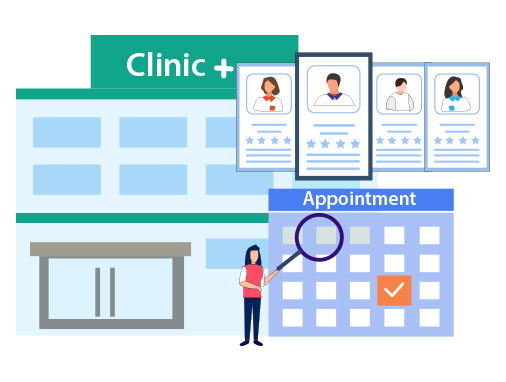
In today’s healthcare environment, patient expectations are rapidly evolving. Long wait times, inefficient scheduling, overcrowded clinics, and administrative bottlenecks are among the biggest pain points patients face when seeking medical care. Simultaneously, clinics and healthcare providers are under pressure to improve operational efficiency, optimize provider schedules, and deliver better patient experiences.
Traditional appointment systems—often reliant on phone calls, manual bookings, paper schedules, or outdated software—can no longer meet the demands of modern healthcare. This is where digital appointment booking platforms are transforming healthcare delivery.
Appointment platforms streamline patient scheduling, automate workflows, reduce no-shows, improve communication, and optimize clinical resources. For healthcare providers seeking scalable and efficient solutions, investing in advanced doctor appointment booking app development can significantly improve both patient satisfaction and clinic performance.
The Growing Challenge of Wait Times in Healthcare

Patient wait times are a critical issue across healthcare systems. Delays can occur due to:
- Manual scheduling errors
- Double bookings
- No-shows
- Overbooked providers
- Administrative inefficiencies
- Poor patient communication
- Limited resource allocation
Extended wait times negatively impact:
- Patient satisfaction
- Treatment adherence
- Clinical workflow
- Revenue generation
- Staff productivity
Digital appointment systems address these challenges through automation and intelligent scheduling.
Core Features of Modern Appointment Platforms
| Feature | Purpose | Operational Benefit |
|---|---|---|
| Online Appointment Booking | Allow patients to schedule visits anytime | Reduced call volume |
| Real-Time Availability | Display provider schedules instantly | Optimized scheduling |
| Automated Reminders | Reduce missed appointments | Lower no-show rates |
| Rescheduling Tools | Improve scheduling flexibility | Higher patient retention |
| Queue Management | Monitor patient flow | Reduced in-clinic congestion |
| Telehealth Integration | Offer virtual consultations | Expanded care access |
| Analytics Dashboard | Monitor scheduling KPIs | Data-driven improvements |
How Appointment Platforms Reduce Wait Times
1. Real-Time Scheduling Optimization
Digital platforms provide live access to physician availability, allowing patients to book appointments based on actual provider schedules. This minimizes:
- Double bookings
- Scheduling conflicts
- Administrative errors
- Provider overload
By matching patient demand with resource availability, clinics can improve appointment distribution and reduce bottlenecks.
2. Automated Appointment Reminders
No-shows significantly contribute to wasted time and inefficient clinic operations. Automated systems send:
- SMS reminders
- Email confirmations
- Push notifications
- Pre-visit instructions
This dramatically lowers missed appointments while improving patient preparedness.
3. Digital Queue Management
Appointment platforms often include waiting room management features that allow clinics to:
- Track patient arrivals
- Manage real-time delays
- Send check-in notifications
- Balance provider workloads
This improves patient flow while reducing overcrowding.
Improving Clinic Efficiency Through Automation
Administrative staff often spend substantial time on repetitive scheduling tasks. Appointment platforms automate:
- Scheduling
- Rescheduling
- Patient intake forms
- Insurance verification
- Billing coordination
- Patient communications
Automation reduces manual workload, allowing staff to focus on higher-value tasks.
Enhancing Patient Experience
Today’s patients prioritize convenience and accessibility. Appointment platforms improve patient experiences through:
- 24/7 self-service scheduling
- Faster bookings
- Reduced waiting periods
- Digital forms
- Secure messaging
- Virtual consultations
This creates a more patient-centered care environment.
Telemedicine Integration Expands Access

Appointment systems increasingly include telehealth capabilities that allow:
- Video consultations
- Remote follow-ups
- Prescription renewals
- Specialist consultations
This reduces unnecessary in-person visits while improving provider utilization.
Analytics for Operational Improvement
Advanced platforms offer analytics dashboards that track:
- Average wait times
- No-show rates
- Provider utilization
- Peak booking periods
- Revenue trends
- Patient satisfaction metrics
These insights help clinics continuously optimize performance.
Security and Compliance in Appointment Systems
Healthcare appointment platforms must protect patient data and meet regulations such as:
- HIPAA
- GDPR
- Role-based access controls
- Secure encryption
- Audit trails
Custom development ensures healthcare-grade security and compliance.
Benefits for Healthcare Providers
| Provider Benefit | Operational Impact |
|---|---|
| Reduced Administrative Workload | Lower staffing inefficiencies |
| Improved Schedule Utilization | Higher appointment volumes |
| Reduced No-Shows | Revenue protection |
| Patient Retention | Better long-term growth |
| Scalable Infrastructure | Supports expansion |
Benefits for Patients
- Convenient appointment booking
- Shorter wait times
- Better communication
- Digital accessibility
- Improved care continuity
- Greater satisfaction
Custom Appointment Platforms vs Generic Scheduling Software
Generic scheduling tools may not meet healthcare-specific demands. Custom healthcare platforms offer:
- Medical workflow integration
- EHR compatibility
- Insurance systems
- Patient privacy compliance
- Specialty-specific features
- Scalable healthcare architecture
Future Trends in Appointment Platform Development

Emerging technologies are making appointment platforms even more powerful through:
- AI-powered scheduling optimization
- Predictive patient flow management
- Voice booking systems
- Wearable device integrations
- Mobile-first ecosystems
- Behavioral analytics
These innovations will further improve efficiency and healthcare accessibility.
Why Clinics Should Invest in Appointment Platforms Now
Healthcare competition, patient expectations, and operational pressures continue to increase. Clinics adopting advanced scheduling systems gain:
- Higher efficiency
- Competitive advantage
- Improved patient loyalty
- Scalable digital operations
- Enhanced revenue opportunities
Digital transformation is no longer optional—it is essential for sustainable healthcare growth.
Build Advanced Appointment Solutions for Modern Healthcare
Developers App India BM Coder specializes in secure, scalable doctor appointment booking app development solutions for clinics, hospitals, and healthcare startups.
Email: [email protected]
WhatsApp: +91 9586979730
Conclusion
Appointment platforms are transforming healthcare by reducing wait times, improving scheduling accuracy, automating operations, and delivering better patient experiences. Through real-time booking, telehealth integration, analytics, and workflow automation, clinics can optimize resources while meeting modern patient expectations.
For healthcare organizations seeking long-term growth, digital appointment platforms provide a critical foundation for operational excellence and patient-centered care. Investing in specialized appointment software today positions clinics for future success in an increasingly digital healthcare landscape.
Blog ID: 1501Author: parth
Date: 29-04-2026
We to code. It's our passion










you can also reach us at our given
email address or phone number.