The logistics industry is experiencing a major transformation driven by Artificial Intelligence (AI). With increasing demand for faster deliveries, real-time tracking, and cost efficiency, logistics companies are under pressure to optimize their operations like never before. Traditional routing methods and manual planning are no longer sufficient in a world where customers expect same-day or next-day delivery.
AI-powered logistics platforms are redefining how goods move across cities, countries, and continents. Businesses are rapidly adopting AI-powered logistics app development to enhance route optimization, reduce delivery time, and improve overall operational efficiency. These intelligent systems are enabling logistics providers to make smarter, data-driven decisions in real time.
Understanding Route Optimization in Logistics
Route optimization refers to the process of determining the most efficient path for delivering goods from one point to another. It involves analyzing multiple variables such as distance, traffic conditions, delivery windows, fuel consumption, and vehicle capacity.
Traditionally, route planning relied on static maps and human decision-making. However, this approach often leads to inefficiencies, delays, and increased operational costs. AI introduces dynamic and adaptive route planning that continuously improves based on real-time data.
Challenges in Traditional Delivery Systems
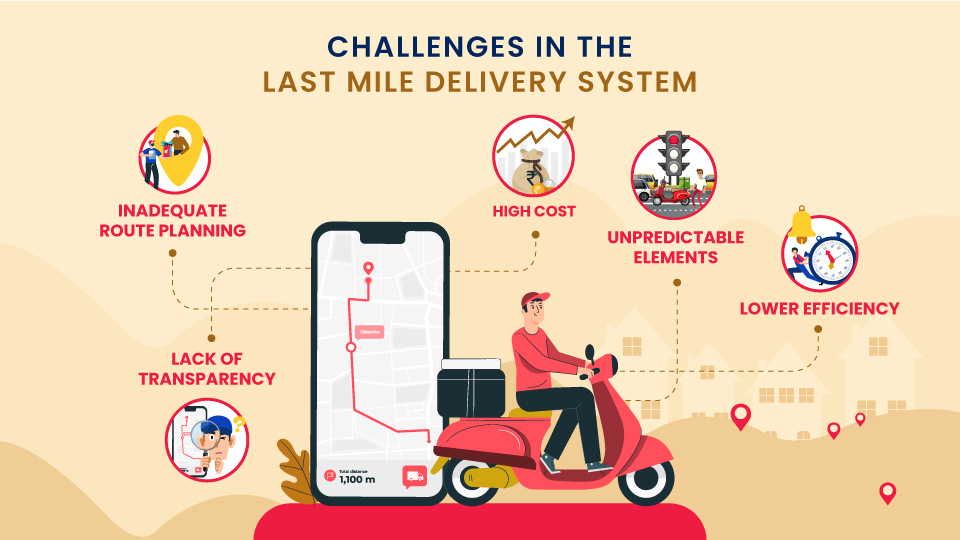
- Static route planning with no real-time updates
- High fuel costs due to inefficient routes
- Limited visibility into delivery operations
- Difficulty handling last-mile delivery complexities
- Inability to scale operations effectively
How AI Transforms Route Optimization
1. Real-Time Traffic Analysis
AI systems analyze live traffic data to adjust routes instantly. This helps drivers avoid congestion, accidents, and road closures, ensuring faster deliveries.
2. Predictive Analytics
AI uses historical data to predict traffic patterns, weather conditions, and delivery delays. This allows logistics companies to plan routes more accurately.
3. Dynamic Routing
Unlike traditional systems, AI continuously updates routes during transit. If a delay occurs, the system automatically suggests alternative paths.
4. Multi-Stop Optimization
AI efficiently plans routes for multiple deliveries, ensuring the shortest possible path while meeting delivery time windows.
Key Benefits of AI in Logistics Routing
| Benefit | Description | Impact |
|---|---|---|
| Reduced Fuel Costs | Optimized routes minimize fuel consumption | Lower operational expenses |
| Faster Deliveries | Real-time adjustments reduce delays | Improved customer satisfaction |
| Better Resource Utilization | Efficient use of vehicles and drivers | Higher productivity |
| Enhanced Visibility | Real-time tracking and updates | Improved decision-making |
AI Technologies Powering Logistics Optimization
Machine Learning Algorithms
Machine learning models analyze large datasets to identify patterns and improve route planning over time. The more data they process, the smarter they become.
Geospatial Analytics
AI uses geospatial data to map routes accurately and identify the most efficient paths based on terrain, road conditions, and traffic patterns.
Computer Vision
Computer vision helps in monitoring road conditions, detecting obstacles, and improving driver safety.
Natural Language Processing (NLP)
NLP enables better communication between systems and users, improving customer support and delivery updates.
Role of AI in Last-Mile Delivery
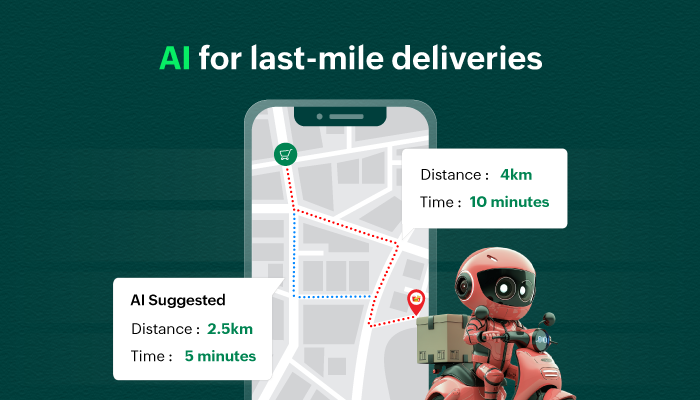
Last-mile delivery is one of the most complex and expensive parts of the logistics process. AI plays a crucial role in optimizing this stage by:
- Reducing delivery time through optimized routes
- Improving delivery accuracy
- Enhancing customer communication
- Minimizing failed delivery attempts
AI vs Traditional Routing Systems
| Aspect | Traditional Systems | AI-Powered Systems |
|---|---|---|
| Route Planning | Static and manual | Dynamic and automated |
| Data Usage | Limited | Real-time and historical data |
| Adaptability | Low | High |
| Efficiency | Moderate | High |
Optimize Your Logistics with AI Today
Leverage AI-powered solutions to enhance route efficiency and delivery performance.
Email: [email protected]
WhatsApp: +91 9586979730
Implementation of AI in Logistics Platforms
Step-by-Step Approach
| Step | Description |
|---|---|
| Data Collection | Gather data from GPS, traffic, and delivery systems |
| Model Training | Train AI models using historical data |
| Integration | Integrate AI with existing logistics systems |
| Deployment | Launch AI-powered routing solutions |
| Continuous Improvement | Refine models based on performance data |
Challenges in AI Adoption

- High initial investment
- Data quality and availability issues
- Integration with legacy systems
- Need for skilled professionals
Future Trends in AI Logistics
| Trend | Description | Impact |
|---|---|---|
| Autonomous Vehicles | Self-driving delivery vehicles | Reduced labor costs |
| Drone Deliveries | Faster last-mile delivery | Improved delivery speed |
| AI-Powered Warehouses | Automation in inventory management | Higher efficiency |
Build Intelligent Logistics Solutions
Partner with experts to create AI-driven logistics platforms tailored to your needs.
Email: [email protected]
WhatsApp: +91 9586979730
Conclusion
Artificial Intelligence is revolutionizing the logistics industry by enabling smarter, faster, and more efficient operations. From route optimization to last-mile delivery, AI is transforming every aspect of the supply chain.
Businesses that invest in AI-powered logistics platforms gain a competitive edge by reducing costs, improving delivery performance, and enhancing customer satisfaction. As technology continues to evolve, AI will play an even greater role in shaping the future of logistics.
Adopting AI is no longer optional—it is essential for companies looking to scale and succeed in the modern logistics landscape.
Blog ID: 1452Author: parth
Date: 17-04-2026
We to code. It's our passion










you can also reach us at our given
email address or phone number.