Android applications have become essential tools for millions of users worldwide, serving everything from social media, e-commerce, streaming, to banking and more. But behind the smooth experience on your device lies a complex and robust backend system designed to handle massive amounts of traffic efficiently. Understanding how backend systems support high-traffic Android applications is key for businesses looking to scale and deliver seamless user experiences.
Many businesses turn to Android app backend development to ensure their applications can handle peak loads, provide real-time data, and maintain high performance. A well-designed backend architecture ensures apps remain responsive, secure, and scalable.
In this detailed guide, we will discuss the components, technologies, strategies, and best practices used in building backend systems for high-traffic Android applications.
Understanding Backend Systems in Android Applications
The backend of an Android application refers to the server-side infrastructure that manages data, processes business logic, handles authentication, and communicates with external services. Unlike the front-end interface, which users interact with, the backend ensures the app functions reliably and efficiently.
Key backend components include:
- Application servers
- Databases
- APIs for communication
- Authentication and authorization modules
- Cloud infrastructure for scaling
Why a Strong Backend Is Critical for High-Traffic Apps
When millions of users access an app simultaneously, weak backend systems can lead to slow responses, app crashes, and a poor user experience. A strong backend ensures:
| Requirement | Importance |
|---|---|
| Scalability | Ability to handle increasing users and data without performance loss |
| Reliability | Consistent uptime and minimal service interruptions |
| Security | Protects user data from unauthorized access |
| Performance | Fast response times even under heavy loads |
| Maintainability | Easy to update, monitor, and manage backend components |
Key Technologies for Backend Development
1. Cloud Platforms
Cloud platforms like AWS, Google Cloud, and Microsoft Azure offer scalable infrastructure, storage, and computing resources. They allow Android apps to dynamically scale during traffic surges.
2. Databases
High-traffic apps require databases that can handle concurrent requests. Choices include:
- SQL Databases (MySQL, PostgreSQL)
- NoSQL Databases (MongoDB, Firebase)
- In-memory Databases (Redis, Memcached) for caching
3. REST and GraphQL APIs
APIs enable secure communication between the frontend and backend. REST and GraphQL are popular choices for flexible, scalable data exchanges.
4. Load Balancers
Load balancers distribute incoming requests across multiple servers to prevent bottlenecks and ensure reliability.
5. Microservices Architecture
Breaking the backend into microservices allows each module to scale independently, improving fault tolerance and maintainability.
Strategies to Handle High Traffic
1. Caching
Store frequently accessed data temporarily to reduce database load and improve response times. Tools include Redis, Varnish, and Cloudflare caching.
2. Horizontal Scaling
Add more servers to manage increasing requests instead of overloading a single machine.
3. Asynchronous Processing
Use message queues (like RabbitMQ or Kafka) to handle background tasks and reduce synchronous load on servers.
4. Database Optimization
Use indexing, partitioning, and query optimization to ensure fast data retrieval even under heavy traffic.
5. Content Delivery Networks (CDN)
Distribute static content globally to reduce latency and improve user experience.
Monitoring and Maintenance
High-traffic apps require constant monitoring to detect issues early and prevent downtime. Common monitoring practices include:
| Monitoring Tool | Purpose |
|---|---|
| New Relic / Datadog | Application performance monitoring |
| Prometheus / Grafana | Server and resource usage tracking |
| ELK Stack | Logging and error tracking |
| Pingdom / UptimeRobot | Availability monitoring |
Security Considerations for High-Traffic Android Apps
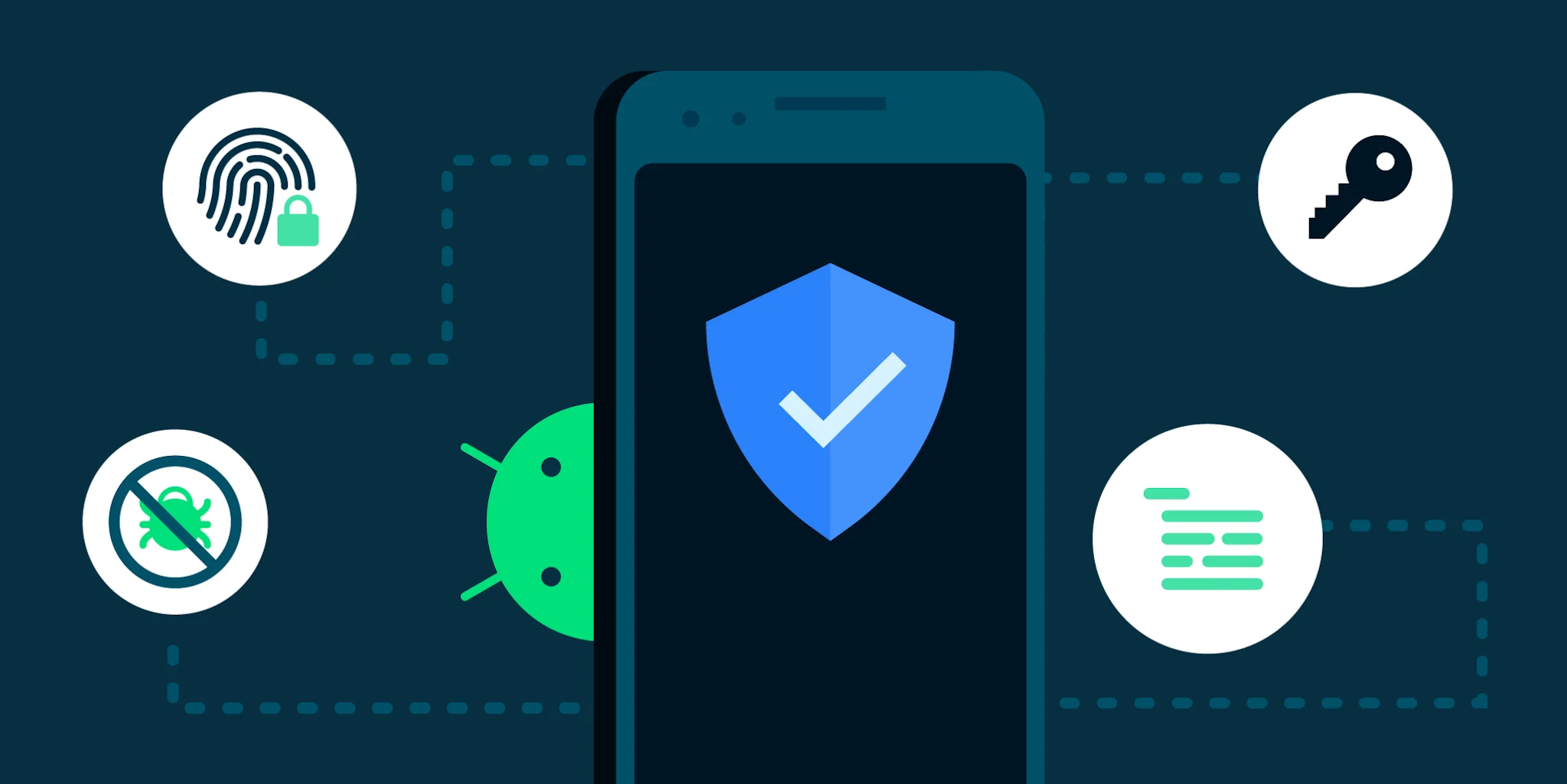
- Secure API endpoints using HTTPS and tokens
- Implement proper authentication & authorization (OAuth, JWT)
- Regular security audits
- Data encryption at rest and in transit
- Rate limiting to prevent abuse
Build Scalable Android Apps with Robust Backends
Developers App India BM Coder helps businesses create backend systems capable of supporting millions of users efficiently.
📧 Email: [email protected]
📱 WhatsApp: +91 9586979730
Case Studies of High-Traffic Android Apps
| App Type | Backend Strategy | Outcome |
|---|---|---|
| Streaming Service | Microservices, CDN, horizontal scaling | Seamless video playback for millions of users |
| E-Commerce App | REST APIs, caching, database optimization | Fast product searches and checkout experience |
| Ride-Sharing App | Real-time APIs, geolocation services, load balancing | Reliable tracking and booking during peak hours |
| Social Media App | NoSQL DB, asynchronous processing, cloud scaling | High engagement without performance degradation |
Best Practices for Backend Development in Android Apps
- Adopt modular architecture for easy updates
- Implement automated testing and CI/CD pipelines
- Use logging and monitoring for proactive issue resolution
- Optimize database queries and use caching
- Regularly update libraries, frameworks, and SDKs
Future Trends in Android Backend Development

- Serverless architecture for dynamic scaling
- AI-powered backend analytics and predictions
- Integration with IoT and wearable devices
- Edge computing to reduce latency
- Improved security protocols and blockchain integration
Why Choose Developers App India BM Coder?
Developers App India BM Coder provides end-to-end Android backend development services. We design systems that are scalable, secure, and capable of supporting high-traffic applications with minimal downtime.
- Expert backend engineers
- Cloud and server management
- High-performance architecture design
- Comprehensive testing and monitoring
Conclusion
Backend systems are the backbone of high-traffic Android applications. From scalability and performance to security and reliability, a well-designed backend ensures a seamless experience for millions of users. Businesses investing in robust backend solutions gain a competitive edge and ensure long-term app success.
Start Your High-Traffic Android App Project
Partner with Developers App India BM Coder to build a backend that scales effortlessly with your Android app.
Author: parth
Date: 01-04-2026
We to code. It's our passion








you can also reach us at our given
email address or phone number.