
Virtual healthcare platforms have changed how patients consult doctors, access prescriptions, upload medical records, receive follow-ups, and manage ongoing care. But behind every smooth telemedicine app, video consultation system, appointment dashboard, digital prescription module, and patient communication workflow, there is one powerful foundation: the backend system.
For healthcare businesses, clinics, hospitals, startups, and digital health companies, the backend is not just a technical layer. It is the control center that manages users, appointments, doctors, payments, medical data, notifications, reports, permissions, and compliance. Without a strong backend, even the best-looking healthcare app can become slow, insecure, difficult to scale, and unreliable.
Developers App India BM Coder is a software development company that helps healthcare brands build secure, scalable, and business-ready digital systems. If you are planning a virtual healthcare platform, investing in a strong telemedicine backend and admin panel development can help you manage operations, users, doctors, appointments, payments, prescriptions, and platform performance from one centralized system.
What Is a Backend System in a Virtual Healthcare Platform?
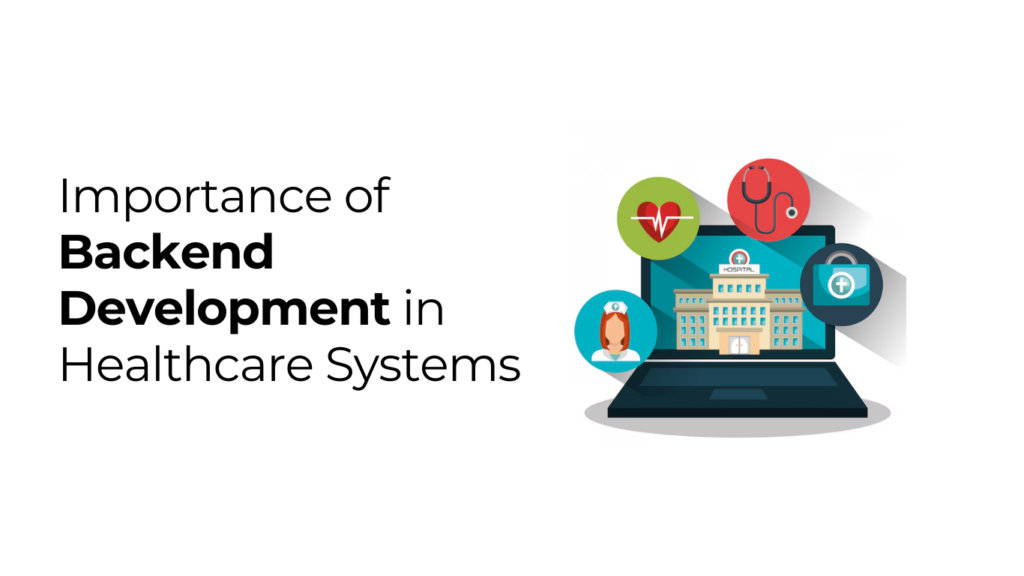
A backend system is the server-side engine of a virtual healthcare platform. Patients may interact with the mobile app or website, but every action they take is processed by the backend. When a patient books an appointment, uploads a report, joins a consultation, receives a prescription, or makes payment, the backend validates, stores, connects, and manages that data.
In simple terms, the frontend is what users see, while the backend is what makes everything work. For healthcare platforms, the backend must be more advanced because the system handles sensitive medical data, real-time consultation workflows, role-based access, appointment scheduling, and regulatory expectations.
Why Backend Systems Matter in Telemedicine
Telemedicine platforms depend on accuracy, security, speed, and trust. A delay in appointment confirmation, an error in patient records, or weak data protection can directly affect patient experience and healthcare quality. A powerful backend reduces these risks by making every process organized and automated.
| Backend Function | How It Supports Virtual Healthcare |
|---|---|
| User Management | Manages patients, doctors, admins, staff, and role-based access. |
| Appointment Scheduling | Handles booking, cancellation, rescheduling, and doctor availability. |
| Medical Records | Stores reports, prescriptions, consultation history, and patient data securely. |
| Payment Processing | Supports consultation fees, invoices, refunds, and payment status tracking. |
| Notifications | Sends reminders, booking alerts, follow-up messages, and prescription updates. |
| Analytics | Tracks platform usage, revenue, appointments, patient activity, and doctor performance. |
Core Backend Features for Virtual Healthcare Platforms
1. Patient Management System
A virtual healthcare platform must manage complete patient profiles. This includes personal details, medical history, appointment records, uploaded documents, prescriptions, payment history, and communication logs. The backend ensures that all this data is stored properly and can be accessed only by authorized users.
A good patient management backend helps clinics and healthcare companies provide personalized care. Doctors can view previous consultations, check reports, understand symptoms, and make better decisions during online consultations.
2. Doctor and Specialist Management
Telemedicine platforms often include multiple doctors, specialists, consultants, and healthcare providers. The backend allows admins to add doctors, verify credentials, manage specialties, define consultation fees, update availability, and track performance.
This feature is especially useful for multi-specialty healthcare apps where patients need to search doctors by category, experience, rating, language, availability, or consultation type.
3. Appointment Booking and Scheduling
Appointment scheduling is one of the most important backend features in virtual healthcare. The backend manages doctor availability, patient booking requests, time slots, cancellations, rescheduling, waiting lists, and reminders.
Without a strong scheduling engine, double bookings, missed appointments, and confusion can happen. A proper backend prevents these issues by updating availability in real time and syncing appointment status across patient, doctor, and admin dashboards.
4. Video Consultation Support

Many virtual healthcare platforms include video consultation features. The backend connects patients and doctors using secure session links, consultation tokens, waiting rooms, time limits, and access permissions.
It can also maintain consultation logs, start and end times, payment validation, and post-call actions such as prescription generation or follow-up scheduling.
5. Digital Prescription Management
After a virtual consultation, doctors often need to create and share prescriptions. The backend stores prescription data, links it to patient records, and makes it available inside the patient app or dashboard.
Advanced backend systems can include prescription templates, medicine dosage instructions, diagnosis notes, digital signatures, and downloadable prescription PDFs.
6. Medical Record Storage
Patients may upload lab reports, scans, insurance documents, previous prescriptions, and other health files. The backend must store these documents securely and organize them under the correct patient profile.
Secure file management is important because healthcare data is sensitive. The backend should include encryption, access control, file validation, and proper storage architecture.
7. Payment and Billing System
Virtual healthcare platforms need reliable payment handling. The backend manages consultation charges, online payments, invoices, refunds, transaction status, wallet balance, discounts, and doctor payouts.
A strong payment backend helps reduce manual work and gives both patients and administrators a clear record of all financial activity.
8. Admin Panel and Operational Dashboard
The admin panel is the main control area for the healthcare business. From this dashboard, admins can manage users, doctors, appointments, payments, support tickets, reports, content, notifications, and platform settings.
A well-developed admin panel gives full visibility into platform operations. It helps business owners understand what is working, where users are facing issues, and how the platform can be improved.
Role-Based Access in Healthcare Backend Systems
Not every user should have access to the same data. A patient should access only their own records. A doctor should access only relevant patient data for consultation. Admins may need wider control, while support staff may only manage appointment or payment queries.
| User Role | Backend Access |
|---|---|
| Patient | Profile, appointments, reports, prescriptions, payments, notifications. |
| Doctor | Patient consultation details, schedule, prescriptions, follow-up notes. |
| Admin | Full platform control, reports, users, doctors, payments, settings. |
| Support Staff | Appointment help, patient queries, limited user information. |
| Finance Team | Payments, invoices, refunds, settlements, payout reports. |
Security Requirements for Telemedicine Backend Systems
Healthcare platforms deal with private and sensitive information. Security is not optional; it is one of the most important parts of backend development. A secure backend protects patient identity, medical records, prescriptions, payment details, and internal business data.
Common backend security practices include encrypted data storage, HTTPS communication, JWT or session-based authentication, role-based permissions, secure password hashing, API rate limiting, audit logs, and regular vulnerability checks.
Important Security Features
- Secure login and authentication
- Role-based access control
- Encrypted medical records
- Secure API communication
- Activity logs and audit trails
- Data backup and recovery
- Protection against unauthorized access
- Secure file upload validation
How Backend Systems Improve Patient Experience
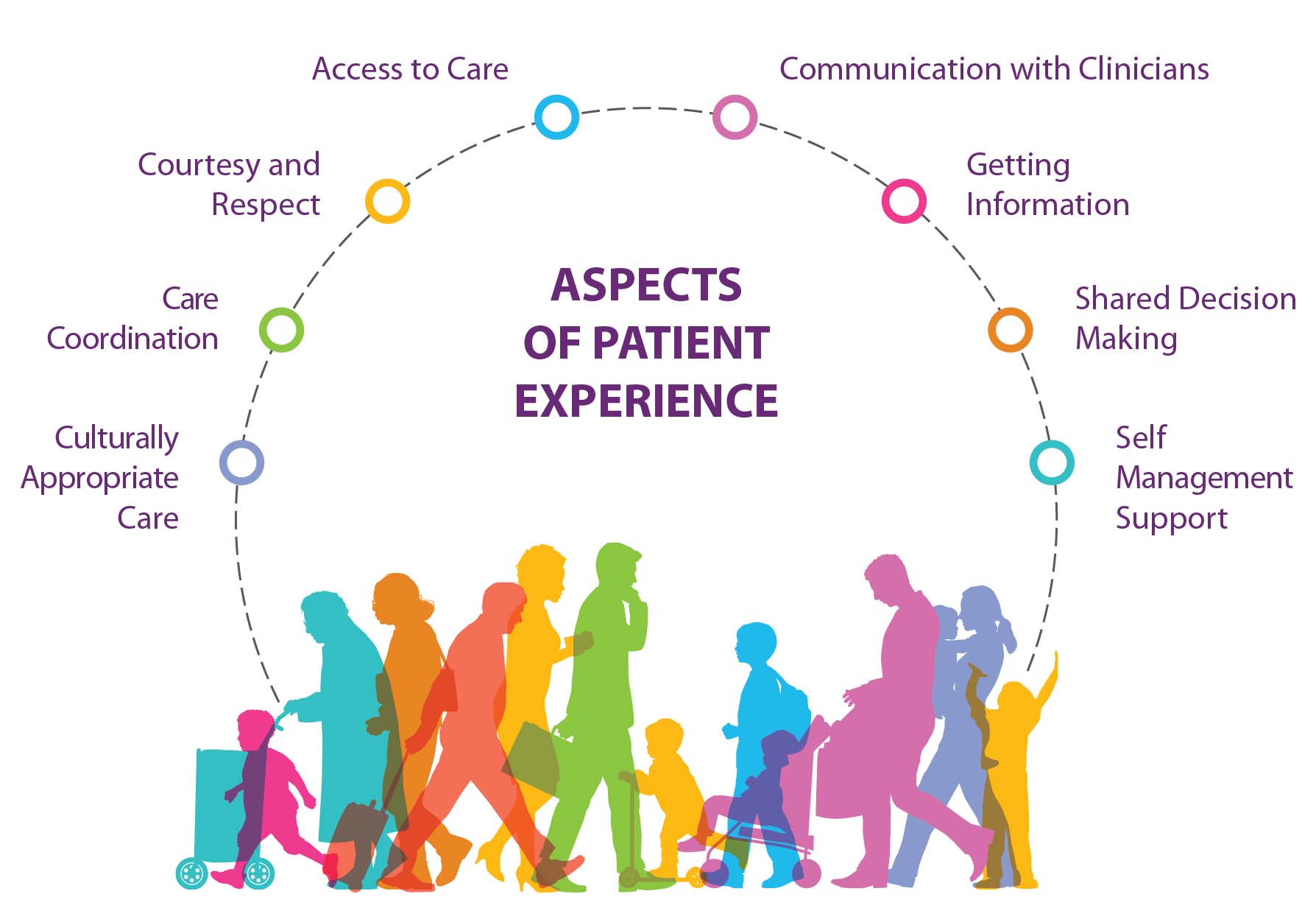
Patients expect virtual healthcare platforms to be fast, simple, and reliable. They want to book appointments quickly, consult doctors without confusion, access prescriptions easily, and receive timely reminders.
The backend improves patient experience by automating these actions. It confirms bookings instantly, sends notifications, stores history, enables easy payment, and keeps the patient journey smooth from registration to follow-up care.
How Backend Systems Help Doctors Work Efficiently
Doctors need quick access to patient information, appointment schedules, consultation notes, and prescription tools. A strong backend allows doctors to manage consultations without wasting time on manual tasks.
Doctor dashboards connected to the backend can show upcoming appointments, patient symptoms, uploaded reports, previous consultation history, and payment status. This helps doctors provide better care with less administrative burden.
Backend Analytics and Reporting
Healthcare businesses need data to make better decisions. Backend analytics can show how many patients registered, how many consultations were completed, which doctors are most active, what revenue was generated, and where users are dropping off.
| Report Type | Business Value |
|---|---|
| Appointment Reports | Understand booking volume, cancellations, and completed consultations. |
| Revenue Reports | Track consultation income, refunds, doctor payouts, and payment trends. |
| Doctor Performance | Measure ratings, completed consultations, availability, and response time. |
| Patient Activity | Analyze registrations, repeat visits, app usage, and engagement. |
| Support Reports | Monitor complaints, ticket resolution, and service quality. |
Scalability in Virtual Healthcare Backend Development
A healthcare platform may start with a few doctors and patients, but over time it can grow to thousands of users, multiple specialties, different locations, and higher consultation volume. Scalability ensures the backend can handle this growth without performance issues.
Scalable backend architecture includes optimized databases, cloud hosting, caching, load balancing, modular APIs, background jobs, and monitoring systems. This makes the platform ready for future growth.
API Integration in Telemedicine Platforms
APIs connect the backend with different services. A telemedicine platform may need payment gateway APIs, SMS APIs, email APIs, video consultation APIs, pharmacy APIs, lab test APIs, insurance APIs, and EHR or EMR integrations.
With proper API architecture, the platform becomes more powerful and flexible. For example, a patient can consult a doctor, receive a prescription, order medicines, book a lab test, and receive reminders from one connected healthcare ecosystem.
Common Backend Modules for Virtual Healthcare Platforms
| Module | Purpose |
|---|---|
| Authentication Module | Manages login, signup, password reset, OTP, and access tokens. |
| Patient Module | Handles patient profiles, records, history, and preferences. |
| Doctor Module | Manages doctors, specialties, availability, ratings, and consultation fees. |
| Appointment Module | Controls booking, cancellation, rescheduling, reminders, and status updates. |
| Prescription Module | Creates, stores, and shares digital prescriptions. |
| Payment Module | Manages transactions, invoices, refunds, and payouts. |
| Notification Module | Sends SMS, email, push notifications, and alerts. |
| Admin Module | Controls platform settings, reports, users, support, and operations. |
Why Admin Panels Are Essential for Telemedicine Platforms
A telemedicine admin panel gives business owners and operations teams complete control over the platform. Without an admin panel, every change would require technical support or direct database access, which is risky and inefficient.
Admins can approve doctors, monitor appointments, check failed payments, respond to support issues, update platform content, send announcements, view reports, and manage user access from one place.
Backend Automation in Healthcare Operations
Automation reduces manual work and improves service speed. The backend can automatically send appointment reminders, generate invoices, assign support tickets, update consultation status, notify doctors, and trigger follow-up messages.
This creates a more professional experience for patients and saves time for healthcare teams.
Database Design for Healthcare Platforms
Database structure is very important in healthcare backend development. The system must organize patient data, doctor data, appointment data, payment data, prescriptions, documents, and logs in a clean and secure way.
Poor database design can create slow performance, duplicate records, missing information, and reporting problems. A well-planned database makes the platform faster, more reliable, and easier to maintain.
Benefits of a Strong Backend for Healthcare Businesses
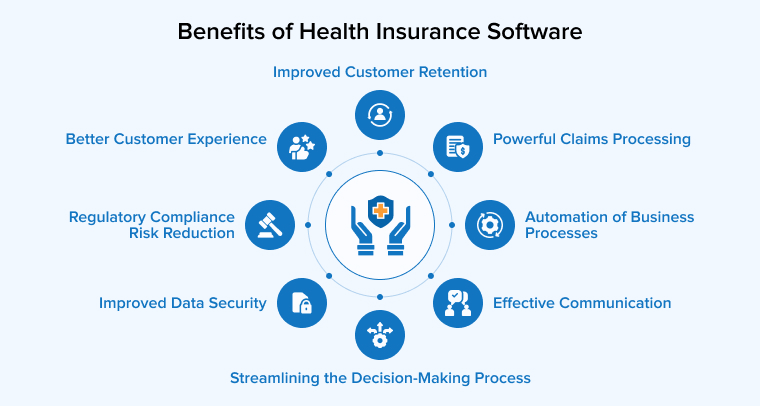
- Better patient experience
- Faster appointment management
- Secure medical record handling
- Improved doctor productivity
- Centralized platform control
- Better analytics and reporting
- Reduced manual work
- Higher scalability
- Improved payment tracking
- Stronger compliance readiness
Custom Backend vs Ready-Made Healthcare Software
Many businesses compare custom backend development with ready-made software. Ready-made tools may work for basic use cases, but they often have limited flexibility. Custom backend development gives more control over features, workflows, integrations, branding, and scalability.
| Factor | Custom Backend | Ready-Made Software |
|---|---|---|
| Flexibility | High flexibility based on business needs. | Limited to existing features. |
| Scalability | Can be planned for long-term growth. | Depends on provider limitations. |
| Branding | Fully customized experience. | Often limited branding options. |
| Integrations | Can connect with required APIs and systems. | May support only selected integrations. |
| Ownership | More control over product and data architecture. | Often dependent on third-party provider. |
Technology Stack for Telemedicine Backend Development
The technology stack depends on platform requirements, traffic expectations, security needs, and integration goals. Common backend technologies include Node.js, Laravel, Django, Java, PHP, PostgreSQL, MongoDB, MySQL, Redis, cloud storage, and secure API frameworks.
For modern healthcare platforms, the backend should be API-first, secure, modular, and easy to scale. This helps the platform support mobile apps, websites, doctor dashboards, admin panels, and third-party integrations.
How Developers App India BM Coder Helps
Developers App India BM Coder helps businesses build healthcare software systems that are practical, secure, and scalable. Whether you need a telemedicine platform, doctor consultation app, patient management system, healthcare admin panel, or custom backend system, the development approach should focus on business workflows and long-term growth.
A strong backend can help your platform manage users, doctors, appointments, prescriptions, payments, notifications, reports, and admin operations with better reliability.
Conclusion
Backend systems are the backbone of virtual healthcare platforms. They manage the invisible but critical processes that make online healthcare reliable, secure, and scalable. From appointment booking and doctor management to prescriptions, payments, medical records, notifications, analytics, and admin control, the backend supports every part of the digital healthcare journey.
For healthcare businesses planning to launch or improve a virtual care platform, backend development should be treated as a core investment. A strong backend improves user experience, protects sensitive data, supports growth, and gives administrators complete control over operations.
Build a Secure Telemedicine Backend System with Developers App India BM Coder
Planning to build a virtual healthcare platform, telemedicine admin panel, doctor consultation system, or healthcare backend solution? Developers App India BM Coder can help you develop a secure, scalable, and custom healthcare software platform for your business.
Email: [email protected]
WhatsApp: +91.9586979730
Author: parth
Date: 01-05-2026
We to code. It's our passion









you can also reach us at our given
email address or phone number.