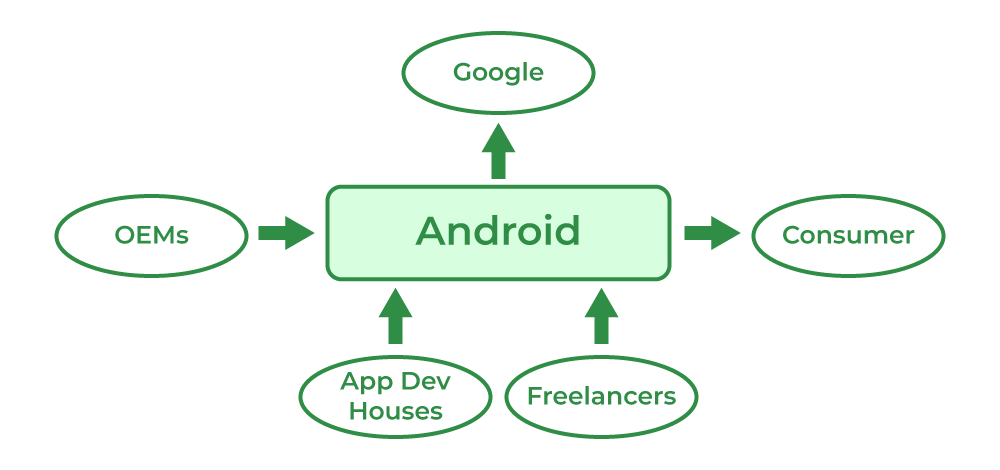
In the rapidly evolving digital landscape, businesses are no longer just building mobile apps—they are building scalable digital ecosystems. With Android dominating the global smartphone market, companies are increasingly investing in Android applications that can handle growth, adapt to user demands, and integrate seamlessly with modern technologies.
But what does it truly mean to build a scalable Android application? And how do successful businesses ensure their apps remain fast, reliable, and efficient as user bases grow?
This in-depth guide explores the strategies, technologies, and best practices businesses use to build scalable Android applications for long-term success.
If you're planning to build a future-ready solution, explore our Mobile-android-app-development designed for scalability, performance, and growth.
🚀 Build a Scalable Android App Today
Looking to develop a high-performance Android application?
📧 Email: [email protected]
📱 WhatsApp: +91 9586979730
What is a Scalable Android Application?
A scalable Android application is designed to handle increasing numbers of users, data, and transactions without compromising performance or user experience. Scalability ensures that your app can grow alongside your business.
There are two main types of scalability:
- Vertical Scalability: Increasing resources like CPU and RAM
- Horizontal Scalability: Adding more servers or instances
Why Scalability Matters for Businesses
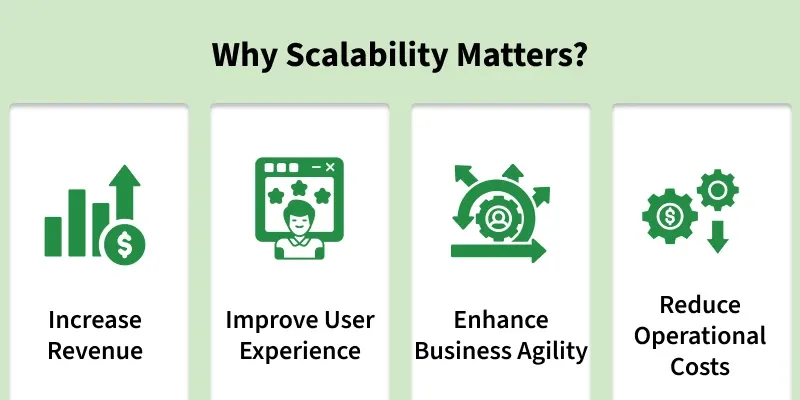
Scalability is not just a technical requirement—it’s a business necessity. Here’s why:
- Supports rapid user growth
- Prevents app crashes during peak traffic
- Improves user experience
- Reduces long-term development costs
- Ensures future readiness
Key Components of Scalable Android Applications
1. Robust Architecture
Choosing the right architecture is the foundation of scalability. Popular Android architectures include:
| Architecture | Description | Scalability Level |
|---|---|---|
| MVC | Model-View-Controller | Low |
| MVP | Model-View-Presenter | Medium |
| MVVM | Model-View-ViewModel | High |
| Clean Architecture | Layered and modular | Very High |
Modern apps often use MVVM or Clean Architecture for better scalability and maintainability.
2. Cloud Integration
Cloud platforms enable apps to scale dynamically. Businesses use cloud services for:
- Data storage
- Server management
- Real-time processing
Popular cloud solutions include AWS, Google Cloud, and Azure.
3. API-Driven Development
APIs allow apps to communicate with backend services and third-party tools, making them flexible and scalable.
Benefits include:
- Faster development
- Easy integration
- Modular structure
4. Database Optimization
Efficient database management is critical for scalability.
| Database Type | Use Case |
|---|---|
| SQL | Structured data |
| NoSQL | Large-scale, flexible data |
| Cloud Databases | Scalable storage solutions |
Development Strategies for Scalability
1. Start with MVP
Building a Minimum Viable Product helps businesses validate ideas before scaling.
2. Modular Development
Breaking the app into modules makes it easier to update and scale.
3. Code Optimization
Efficient code reduces load and improves performance.
4. Automated Testing
Ensures stability as the app grows.
Performance Optimization Techniques
| Technique | Benefit |
|---|---|
| Lazy Loading | Loads data only when needed |
| Caching | Reduces server calls |
| Data Compression | Improves speed |
| Background Processing | Enhances user experience |
💡 Scale Your App with Expert Developers
We help businesses build scalable Android applications with modern technologies.
📧 Email: [email protected]
📱 WhatsApp: Chat on WhatsApp
Security Considerations
Scalability must go hand-in-hand with security. Key measures include:
- Data encryption
- Secure APIs
- Authentication protocols
- Regular security audits
DevOps and Continuous Integration
Modern scalable apps rely on DevOps practices:
- Continuous Integration (CI)
- Continuous Deployment (CD)
- Automated monitoring
This ensures faster updates and better performance.
Challenges in Building Scalable Android Apps
| Challenge | Solution |
|---|---|
| High traffic load | Use cloud scaling |
| Data management | Optimize databases |
| Performance issues | Implement caching |
| Security risks | Use encryption and audits |
Future Trends in Scalable Android Development

- AI and Machine Learning integration
- 5G-enabled applications
- IoT connectivity
- Serverless architecture
- Edge computing
Why Choose BM Coder?
Developers App India BM Coder specializes in building scalable, secure, and high-performance Android applications tailored to business needs.
- Experienced Android developers
- Scalable architecture design
- API and cloud integration
- Cost-effective solutions
- Ongoing support
📞 Let's Build Your Scalable Android App
Turn your idea into a high-performance application.
📧 Email: [email protected]
📱 WhatsApp: +91 9586979730
Conclusion
Building scalable Android applications is essential for businesses aiming for long-term growth and success. By leveraging modern architectures, cloud technologies, APIs, and performance optimization techniques, companies can create apps that handle increasing demand without compromising quality.
Investing in scalability from the beginning ensures your app remains competitive, reliable, and ready for the future.
Blog Slug URL: /mobile-android-app-development
Blog ID: 1291Author: parth
Date: 26-03-2026
We to code. It's our passion







you can also reach us at our given
email address or phone number.