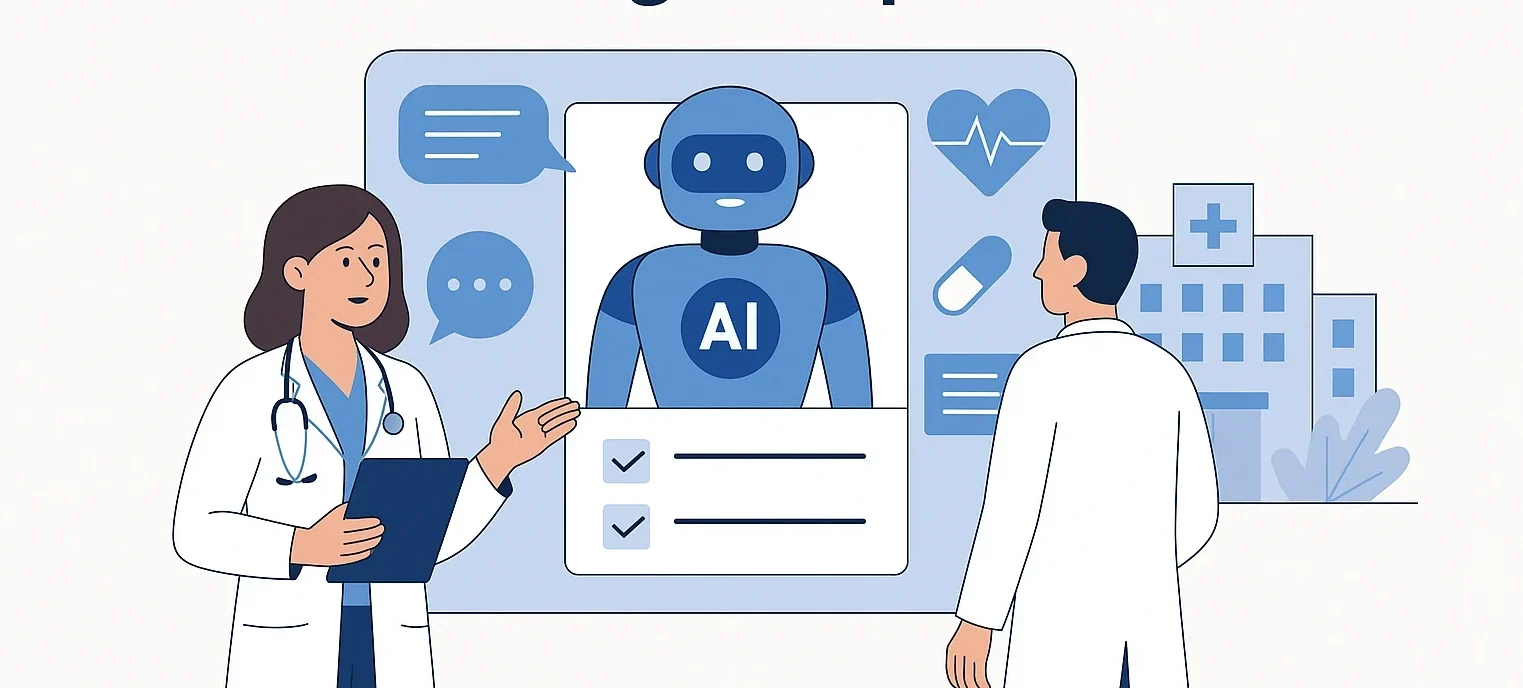
Modern hospitals manage thousands of operational activities every day. From patient admissions and staff scheduling to billing, pharmacy coordination, compliance tracking, and real-time reporting, healthcare organizations depend heavily on smooth administrative workflows. As hospitals continue to adopt digital healthcare technologies, centralized admin panels have become one of the most important tools for operational efficiency and patient management.
A centralized hospital admin panel acts as the operational command center of a healthcare organization. It enables administrators, doctors, department heads, finance teams, and support staff to manage multiple processes from one unified platform. Instead of handling disconnected software systems or relying on manual operations, hospitals can streamline workflows, improve communication, reduce operational delays, and enhance patient experiences.
Healthcare providers looking to modernize their systems often invest in custom hospital administration software that integrate patient records, staff management, billing systems, analytics, compliance tracking, and operational monitoring into one centralized dashboard.
What Is a Centralized Hospital Admin Panel?

A centralized admin panel is a unified digital dashboard that helps healthcare organizations manage their operational activities from a single platform. It provides access controls, data visibility, reporting tools, workflow automation, and communication systems for multiple departments.
The admin panel typically connects various hospital operations including:
- Patient registration and appointments
- Doctor and staff scheduling
- Billing and insurance management
- Electronic Health Records (EHR)
- Laboratory and pharmacy management
- Inventory tracking
- Compliance monitoring
- Analytics and reporting
- Emergency management
- Multi-location hospital administration
By centralizing these functions, hospitals reduce data fragmentation and improve operational transparency.
Why Hospitals Need Centralized Admin Panels
Traditional hospital management often relies on multiple disconnected systems. Departments may use separate software applications, spreadsheets, manual records, or outdated workflows. This creates communication gaps, delays, data duplication, and operational inefficiencies.
Centralized admin systems solve these problems by creating a single source of truth across the organization.
| Traditional Hospital Operations | Centralized Admin Panel Operations |
|---|---|
| Manual reporting | Real-time automated dashboards |
| Disconnected departments | Integrated workflow management |
| Paper-based records | Digital centralized data storage |
| Delayed communication | Instant notifications and updates |
| Limited operational visibility | Complete hospital performance monitoring |
| High administrative workload | Workflow automation and task optimization |
Key Features of a Hospital Admin Panel
1. Centralized Dashboard Management
The dashboard provides administrators with complete visibility into hospital operations. Managers can monitor appointments, bed occupancy, emergency cases, revenue metrics, staff schedules, pending approvals, and operational performance from one interface.
This centralized visibility helps healthcare organizations make faster decisions and improve operational coordination.
2. Role-Based Access Control
Hospitals handle highly sensitive patient and operational data. Admin panels include role-based permissions that ensure employees only access the information relevant to their responsibilities.
For example:
- Doctors access patient medical records
- Finance teams manage billing systems
- HR departments monitor staff attendance
- Lab technicians update diagnostic reports
- Hospital executives review analytics dashboards
This improves security while maintaining operational efficiency.
3. Staff and Workforce Management
Hospital staffing is one of the most complex operational challenges. Centralized admin panels simplify workforce management through:
- Automated shift scheduling
- Attendance monitoring
- Leave management
- Department assignments
- Payroll integration
- Performance tracking
- Emergency staffing coordination
This helps hospitals optimize workforce utilization while reducing scheduling conflicts.
4. Patient Workflow Management
Efficient patient management improves both operational productivity and patient satisfaction. Admin panels streamline:
- Patient registration
- Appointment scheduling
- Doctor allocation
- Bed management
- Discharge processing
- Follow-up scheduling
- Patient communication
Hospitals can reduce waiting times and improve treatment coordination.
5. Billing and Revenue Administration
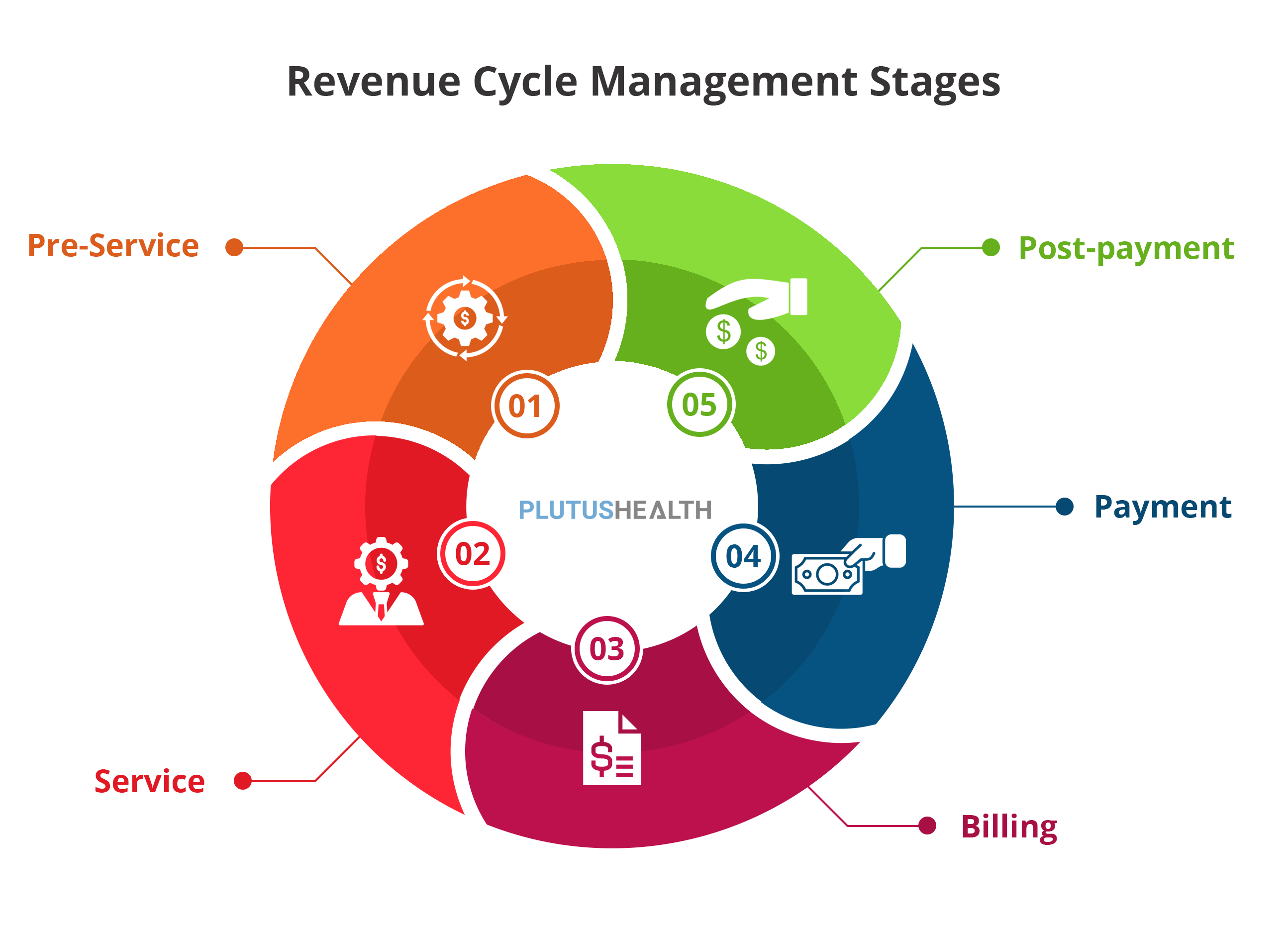
Hospital billing involves insurance claims, treatment costs, pharmacy charges, laboratory fees, consultations, and payment collections. A centralized admin panel integrates financial workflows to improve transparency and revenue management.
Key capabilities include:
- Automated invoice generation
- Insurance claim tracking
- Payment status monitoring
- Revenue analytics
- Outstanding balance alerts
- Financial reporting
6. Inventory and Pharmacy Monitoring
Hospitals manage large inventories of medicines, equipment, surgical supplies, and consumables. Admin panels help automate inventory tracking and stock management.
| Inventory Management Functions | Benefits |
|---|---|
| Real-time stock monitoring | Reduces shortages and overstocking |
| Automated reorder alerts | Improves supply continuity |
| Expiry tracking | Prevents medicine wastage |
| Vendor management | Improves procurement efficiency |
| Usage analytics | Supports cost optimization |
How Centralized Admin Panels Improve Hospital Efficiency
Faster Decision-Making
Hospital administrators need real-time operational insights to make effective decisions. Centralized dashboards provide instant access to:
- Department performance metrics
- Patient admission trends
- Staff utilization reports
- Emergency room occupancy
- Revenue performance
- Operational bottlenecks
This improves strategic planning and operational responsiveness.
Reduced Administrative Burden
Manual processes consume significant administrative time. Automation reduces repetitive tasks such as:
- Data entry
- Report generation
- Appointment reminders
- Billing calculations
- Compliance reporting
- Inventory updates
Hospital staff can focus more on patient care instead of paperwork.
Improved Department Coordination
Hospitals operate through collaboration between departments including emergency care, laboratories, radiology, pharmacy, billing, and administration.
Centralized systems improve communication by enabling real-time data sharing across departments. This minimizes delays, duplicate work, and communication gaps.
Enhanced Patient Experience
Patient satisfaction is directly linked to operational efficiency. Faster appointments, smoother billing, reduced waiting times, and better communication create a more positive healthcare experience.
Patients benefit from:
- Online appointment scheduling
- Digital billing access
- Faster admissions and discharge
- Automated reminders
- Improved treatment coordination
Role of Analytics in Hospital Admin Panels
Advanced analytics help hospitals monitor operational performance and identify improvement opportunities.
Admin panels provide insights into:
- Patient admission trends
- Hospital occupancy rates
- Average treatment duration
- Financial performance
- Staff productivity
- Resource utilization
- Operational bottlenecks
These analytics support data-driven healthcare management.
Security and Compliance Benefits
Healthcare organizations must comply with strict data privacy regulations and security standards. Centralized admin panels help hospitals maintain compliance through:
- Encrypted data storage
- Access control systems
- Audit trails
- Automated compliance reporting
- Secure patient record management
- Backup and disaster recovery systems
Hospitals can improve data protection while reducing compliance risks.
Multi-Location Hospital Management
Healthcare networks often operate multiple clinics, hospitals, diagnostic centers, and specialty departments. Managing these facilities separately creates operational complexity.
Centralized admin panels simplify multi-location management through:
- Unified reporting systems
- Cross-location resource monitoring
- Centralized staff management
- Shared patient databases
- Integrated financial tracking
- Organization-wide analytics
Executives gain complete visibility into the performance of the entire healthcare network.
Cloud-Based Hospital Admin Panels
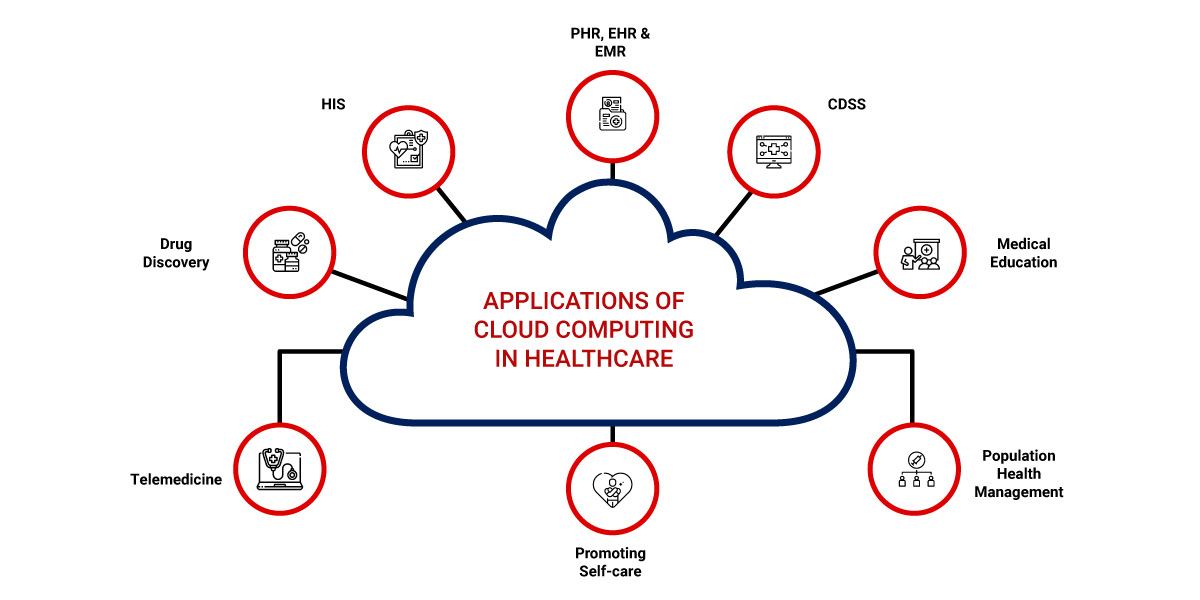
Modern healthcare systems increasingly adopt cloud-based administration platforms because they offer:
- Remote accessibility
- Scalable infrastructure
- Lower hardware costs
- Automatic updates
- Disaster recovery support
- Enhanced collaboration
Cloud-based systems also improve business continuity and remote operational management.
Integration Capabilities of Modern Admin Panels
Hospital admin systems often integrate with:
- Electronic Health Record systems
- Insurance platforms
- Payment gateways
- Telemedicine platforms
- Laboratory systems
- Pharmacy management software
- HR and payroll systems
- Government healthcare portals
These integrations create a connected healthcare ecosystem that improves workflow efficiency.
| Integrated System | Operational Benefit |
|---|---|
| EHR Systems | Centralized patient medical records |
| Billing Platforms | Faster payment processing |
| Laboratory Systems | Real-time diagnostic reporting |
| Telemedicine Tools | Remote patient consultations |
| Pharmacy Software | Medicine inventory automation |
Challenges Hospitals Face Without Centralized Systems
Hospitals relying on fragmented systems often struggle with:
- Data inconsistencies
- Communication delays
- Higher administrative costs
- Manual reporting inefficiencies
- Compliance risks
- Limited operational visibility
- Slow patient processing
- Revenue leakage
Centralized administration platforms help healthcare providers overcome these operational barriers.
Artificial Intelligence in Hospital Admin Panels
AI-powered hospital administration systems are becoming increasingly common. Artificial intelligence helps hospitals automate complex operational tasks and improve decision-making.
AI features may include:
- Predictive staffing recommendations
- Patient flow forecasting
- Automated report generation
- Smart scheduling systems
- Revenue prediction models
- Resource optimization analytics
- Intelligent alerts and notifications
These technologies improve operational efficiency and healthcare planning.
Future of Hospital Administration Systems
The future of healthcare administration will continue evolving toward:
- AI-driven automation
- Predictive operational analytics
- Mobile-first management systems
- Advanced interoperability
- Voice-enabled administration tools
- Real-time patient engagement systems
- IoT-enabled hospital monitoring
- Advanced cybersecurity frameworks
Healthcare organizations that invest in centralized digital administration platforms today will be better prepared for future operational demands.
Why Healthcare Organizations Choose Custom Admin Panel Development
Every hospital has unique workflows, specialties, compliance requirements, and operational structures. Custom admin panel development allows healthcare organizations to create solutions tailored to their specific needs.
Custom healthcare admin systems provide:
- Scalable architecture
- Workflow customization
- Department-specific modules
- Advanced integrations
- Custom reporting tools
- Enhanced security controls
- Brand-specific interfaces
This flexibility helps hospitals optimize operational efficiency while supporting long-term digital transformation goals.
Need a Custom Hospital Admin Panel Solution?
Developers App India BM Coder specializes in building advanced healthcare administration platforms, hospital management systems, and custom medical software solutions for modern healthcare organizations.
Our team develops scalable, secure, and feature-rich centralized admin panels designed to streamline hospital workflows, improve operational visibility, and enhance patient care management.
📧 Email: [email protected]
📱 WhatsApp: +91.9586979730
Conclusion
Centralized admin panels are transforming modern hospital operations by improving workflow efficiency, enhancing communication, automating administrative tasks, and enabling data-driven healthcare management. As hospitals face increasing operational complexity, digital administration platforms provide the visibility, scalability, and automation needed to deliver high-quality patient care while optimizing organizational performance.
From workforce management and patient coordination to billing, compliance, analytics, and inventory tracking, centralized healthcare administration systems help hospitals operate more efficiently and effectively. Organizations that invest in advanced hospital admin panel development can improve operational agility, reduce costs, strengthen compliance, and create better healthcare experiences for both patients and staff.
Blog ID: 1557Author: parth
Date: 22-05-2026
We to code. It's our passion




you can also reach us at our given
email address or phone number.