The logistics industry is evolving rapidly, driven by the need for speed, transparency, and operational excellence. Businesses are no longer able to rely on fragmented systems and manual processes to manage complex supply chains. Instead, they are adopting centralized control systems to gain full visibility and control over logistics operations.
A centralized control system acts as the command center for logistics operations, integrating multiple processes into a unified platform. From fleet tracking to warehouse management and order fulfillment, these systems enable businesses to monitor and optimize every stage of the supply chain in real time.
Organizations aiming to enhance operational efficiency are increasingly investing in advanced logistics admin panel development to build robust centralized control systems tailored to their needs.
What is a Centralized Control System in Logistics?
A centralized control system is a digital platform that consolidates data and operations from various logistics functions into a single interface. It provides real-time insights, automation capabilities, and seamless coordination across departments.
Core Components
| Component | Description | Benefit |
|---|---|---|
| Dashboard | Unified interface for monitoring operations | Real-time visibility |
| Data Integration | Combines data from multiple sources | Improved decision-making |
| Automation Engine | Automates workflows | Reduced manual effort |
| Analytics Module | Provides actionable insights | Performance optimization |
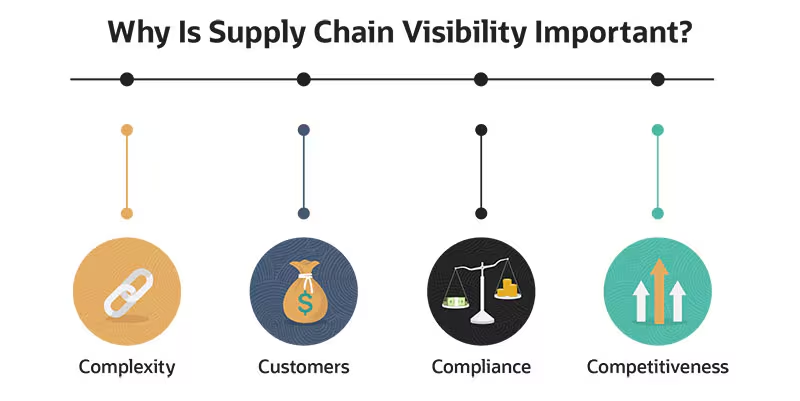
Why Logistics Visibility Matters

Visibility is the foundation of efficient logistics operations. Without it, businesses struggle with delays, miscommunication, and inefficiencies.
Centralized systems provide:
- End-to-end tracking of shipments
- Real-time inventory updates
- Transparent communication across teams
- Faster issue resolution
How Centralized Systems Improve Efficiency
1. Real-Time Data Synchronization
Centralized control systems ensure that all stakeholders have access to the same data in real time. This eliminates discrepancies and enables faster decision-making.
| Aspect | Without Centralization | With Centralization |
|---|---|---|
| Data Accuracy | Inconsistent | Highly accurate |
| Update Speed | Delayed | Instant |
| Decision Making | Reactive | Proactive |
2. Streamlined Communication
Communication gaps are a major cause of inefficiencies in logistics. A centralized system connects all departments, ensuring seamless communication and collaboration.
3. Automation of Workflows
Automation reduces manual intervention, minimizing errors and speeding up operations. Tasks such as order processing, dispatching, and reporting can be automated.
4. Improved Resource Utilization
With complete visibility, businesses can allocate resources more effectively, reducing waste and improving productivity.
🚀 Upgrade Your Logistics Control System
Build a centralized logistics platform that delivers real-time visibility and unmatched efficiency.
📧 Email: [email protected]
📱 WhatsApp: +91 9586979730
Key Features of a Centralized Logistics Control System
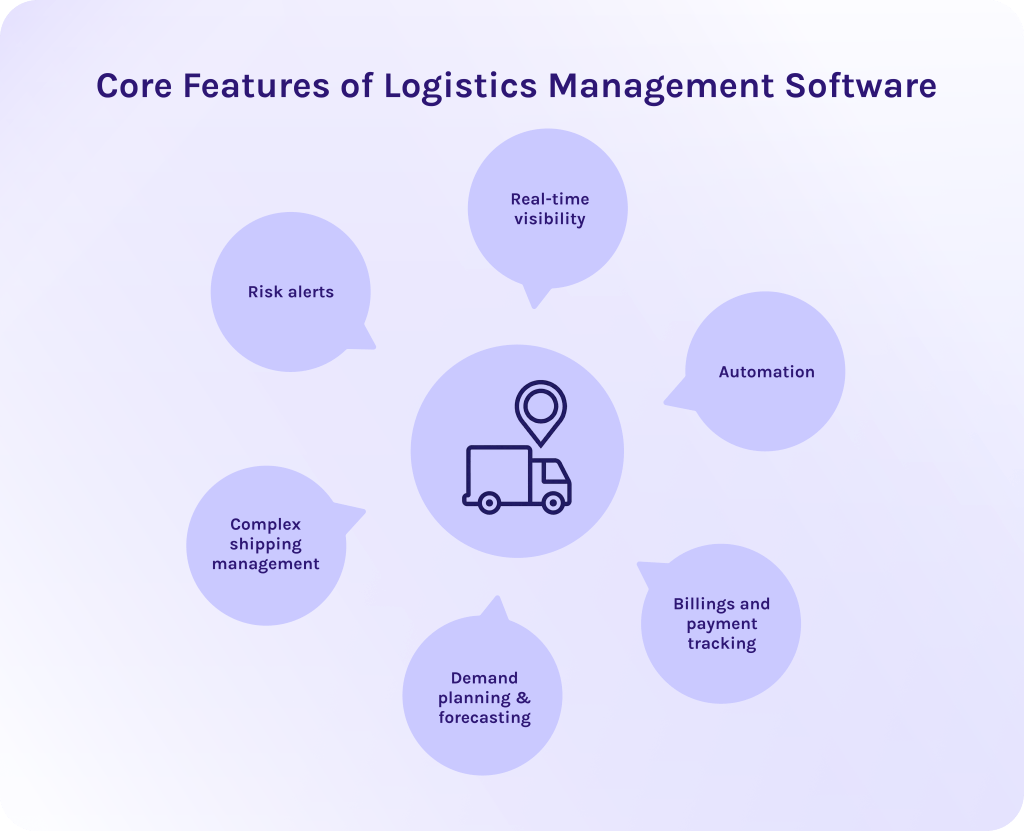
Real-Time Tracking
Monitor shipments, vehicles, and inventory in real time.
Advanced Analytics
Gain insights into performance metrics and operational trends.
Role-Based Access
Ensure secure access for different users based on roles.
Customizable Dashboards
Display relevant data for quick decision-making.
| Feature | Impact on Operations |
|---|---|
| Tracking | Improved transparency |
| Analytics | Better insights |
| Automation | Increased efficiency |
| Security | Data protection |
Benefits for Logistics Businesses
- Reduced operational costs
- Faster delivery times
- Improved customer satisfaction
- Enhanced scalability
- Better compliance and reporting
Efficiency Comparison
| Metric | Traditional Systems | Centralized Systems |
|---|---|---|
| Operational Speed | Moderate | High |
| Error Rate | High | Low |
| Visibility | Limited | Complete |
Use Cases in Logistics
- Fleet management systems
- Warehouse operations
- Order fulfillment platforms
- Last-mile delivery tracking
- Supply chain analytics
Challenges in Implementing Centralized Systems
1. Integration with Legacy Systems
Solution: Use scalable APIs and experienced developers.
2. Data Security Concerns
Solution: Implement encryption and compliance measures.
3. Initial Investment
Solution: Focus on long-term ROI and efficiency gains.
💡 Build a Smart Logistics Admin Panel
Partner with experts to develop a powerful centralized control system tailored to your logistics business.
📧 Email: [email protected]
📱 WhatsApp: Chat on WhatsApp
Future Trends in Centralized Logistics Systems
The future of logistics control systems lies in advanced technologies:
- Artificial Intelligence for predictive analytics
- IoT for real-time tracking
- Cloud-based platforms for scalability
- Blockchain for secure transactions
Conclusion
Centralized control systems are transforming logistics operations by providing real-time visibility, improving efficiency, and enabling data-driven decision-making. Businesses that adopt these systems can streamline operations, reduce costs, and deliver superior customer experiences.
As logistics becomes more complex, the need for centralized systems will continue to grow. Investing in a robust logistics admin panel is no longer optional—it is essential for staying competitive in the modern market.
📲 Start Building Your Centralized Logistics System
Contact us today to create a scalable, efficient, and intelligent logistics control platform.
📧 Email: [email protected]
📱 WhatsApp: +91 9586979730
Author: parth
Date: 15-04-2026
We to code. It's our passion










you can also reach us at our given
email address or phone number.