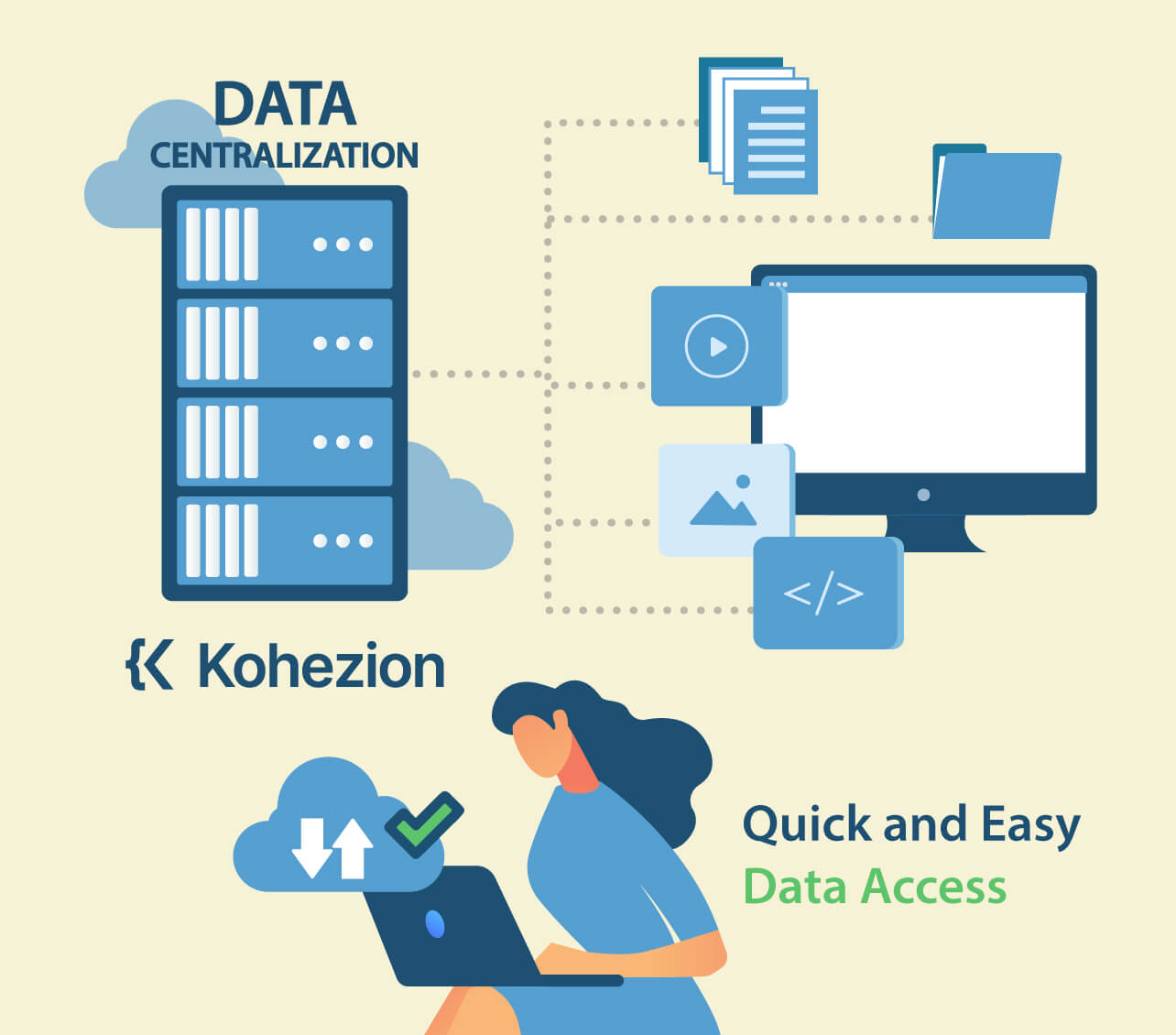
In an increasingly data-driven world, organizations that rely on field operations—such as logistics, construction, agriculture, utilities, and healthcare—face a common challenge: managing vast amounts of data generated from distributed locations. Without a centralized system, this data often becomes fragmented, delayed, or difficult to analyze.
This is where centralized dashboards play a transformative role. By consolidating data from multiple sources into a single, unified interface, these dashboards enable organizations to monitor, analyze, and act on field data in real time.
To build such powerful systems, businesses should invest in custom admin panel development that offer scalability, flexibility, and seamless integration with field data collection platforms.
In this comprehensive guide, we explore how centralized dashboards are designed, their key capabilities, and how they empower organizations to manage field data efficiently.
1. What Is a Centralized Dashboard?
A centralized dashboard is a unified interface that aggregates data from various systems, devices, and applications into a single view. It provides real-time insights, analytics, and controls for managing operations.
Core Functions:
- Data aggregation from multiple sources
- Real-time monitoring
- Performance analytics
- Decision support
Centralized dashboards act as the command center for organizations, enabling them to oversee field operations with clarity and precision.
2. Challenges Without Centralized Data Management
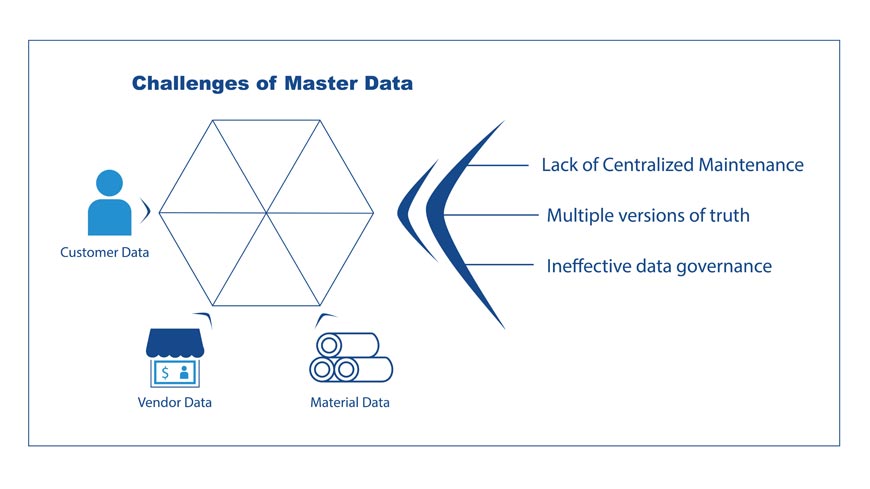
Organizations that lack centralized dashboards often struggle with inefficiencies and poor decision-making.
| Challenge | Impact | Solution with Dashboard |
|---|---|---|
| Data silos | Fragmented insights | Unified data view |
| Delayed reporting | Slow decisions | Real-time updates |
| Manual processes | Higher error rates | Automation |
| Lack of visibility | Operational inefficiencies | Comprehensive monitoring |
Centralized dashboards eliminate these challenges by providing a single source of truth.
3. Real-Time Data Monitoring
One of the most significant advantages of centralized dashboards is real-time data monitoring. Organizations can track field activities as they happen.
Key Benefits:
- Immediate visibility into operations
- Faster issue detection
- Improved responsiveness
Real-time monitoring ensures that managers can make timely decisions and address issues proactively.
4. Data Integration Across Systems
Centralized dashboards integrate data from various systems, including mobile apps, IoT devices, ERP systems, and CRM platforms.
| System | Data Type |
|---|---|
| Mobile Apps | Field data entries |
| IoT Devices | Sensor data |
| ERP Systems | Operational data |
| CRM Systems | Customer information |
This integration creates a holistic view of operations, enabling better decision-making.
🚀 Build Powerful Centralized Dashboards
Looking to develop a scalable admin panel for managing field operations?
📧 Email: [email protected]
💬 WhatsApp: +91 9586979730
5. Advanced Analytics and Reporting
Centralized dashboards provide advanced analytics tools that transform raw data into actionable insights.
Analytics Features:
- Custom reports
- Data visualization (charts, graphs)
- Trend analysis
- Predictive analytics
These insights help organizations optimize operations and improve performance.
6. Role-Based Access Control
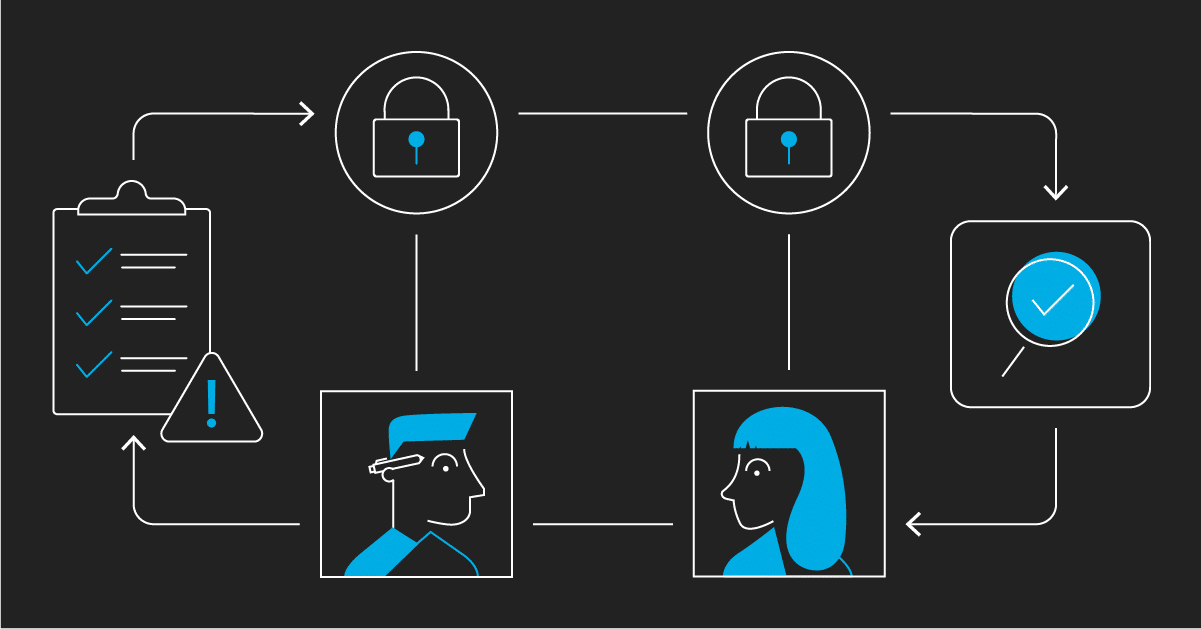
Security and data access control are critical in centralized systems. Dashboards support role-based access to ensure that users only see relevant data.
| Role | Access Level |
|---|---|
| Admin | Full control |
| Manager | Operational insights |
| Field Staff | Limited access |
This ensures data security and operational efficiency.
7. Workflow Automation
Centralized dashboards enable automation of routine tasks, reducing manual effort and improving efficiency.
Automation Examples:
- Task assignment
- Alerts and notifications
- Report generation
- Data synchronization
Automation streamlines operations and reduces human errors.
8. Customizable Dashboards
Different organizations have different needs. Customizable dashboards allow users to tailor the interface to their specific requirements.
Customization Options:
- Widget-based layouts
- Custom KPIs
- User-specific views
Customization enhances usability and relevance.
📊 Need a Custom Admin Panel?
We design and develop powerful dashboards tailored to your business needs.
📧 Email: [email protected]
💬 WhatsApp: Chat Now
9. Scalability and Cloud Integration
Modern dashboards are built on cloud infrastructure, allowing them to scale with business growth.
Benefits:
- Handles large data volumes
- Supports multiple users
- Ensures high availability
Cloud integration ensures that dashboards remain efficient as operations expand.
10. Data Security and Compliance
Centralized dashboards must adhere to strict security standards to protect sensitive data.
| Security Feature | Purpose |
|---|---|
| Encryption | Protects data |
| Authentication | Verifies users |
| Audit logs | Tracks activity |
Robust security ensures trust and compliance with regulations.
11. Industry Use Cases
Centralized dashboards are used across various industries:
| Industry | Use Case |
|---|---|
| Logistics | Fleet and delivery tracking |
| Healthcare | Patient data monitoring |
| Agriculture | Crop data analysis |
| Construction | Project tracking |
These applications highlight the versatility of centralized dashboards.
12. Future Trends in Dashboard Development
The future of centralized dashboards is driven by emerging technologies:
- AI-powered analytics
- Real-time predictive insights
- Voice-enabled dashboards
- Enhanced data visualization
These innovations will further improve decision-making and operational efficiency.
Conclusion
Centralized dashboards are essential for managing field data efficiently in today’s complex operational environments. They provide real-time visibility, advanced analytics, and seamless integration with various systems.
By investing in custom dashboard development, organizations can streamline operations, improve decision-making, and achieve greater efficiency.
Whether you’re managing logistics, healthcare, or field services, a centralized dashboard can transform the way you handle data and drive business success.
Partnering with experienced developers ensures that your dashboard is scalable, secure, and tailored to your specific needs.
Blog ID: 1460Author: parth
Date: 17-04-2026
We to code. It's our passion




you can also reach us at our given
email address or phone number.