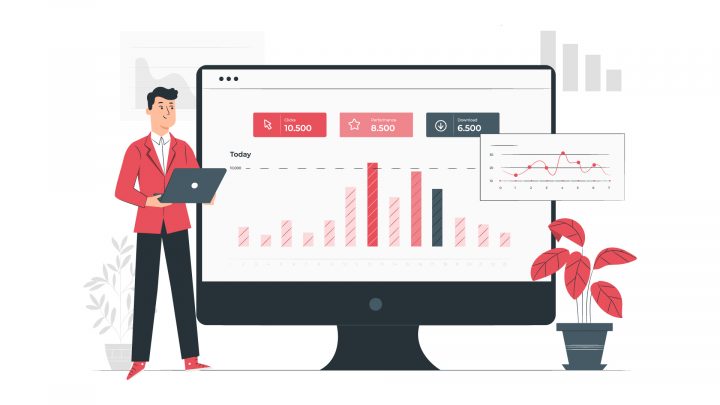
In a world where data drives every strategic decision, organizations that rely on field operations face a unique challenge: managing large volumes of data generated across multiple locations in real time. Industries such as logistics, construction, healthcare, agriculture, utilities, and field services depend heavily on accurate and timely data collected from the field.
Without a centralized system, this data often becomes fragmented, delayed, or inconsistent, leading to inefficiencies and poor decision-making. This is where centralized dashboards emerge as a powerful solution. They act as a unified control center, enabling organizations to monitor, analyze, and optimize field operations efficiently.
To build such high-performance systems, businesses should consider investing in scalable admin panel development that integrate seamlessly with field data platforms and provide real-time insights.
This in-depth guide explores how centralized dashboards work, their key capabilities, and how they transform field data management for modern organizations.
1. Understanding Centralized Dashboards
A centralized dashboard is a unified interface that aggregates data from multiple sources into a single platform. It provides real-time visibility, analytics, and control over operations.
Core Capabilities:
- Data aggregation from multiple systems
- Real-time monitoring
- Interactive visualizations
- Automated reporting
By consolidating information, centralized dashboards eliminate data silos and create a single source of truth.
2. Challenges in Field Data Management
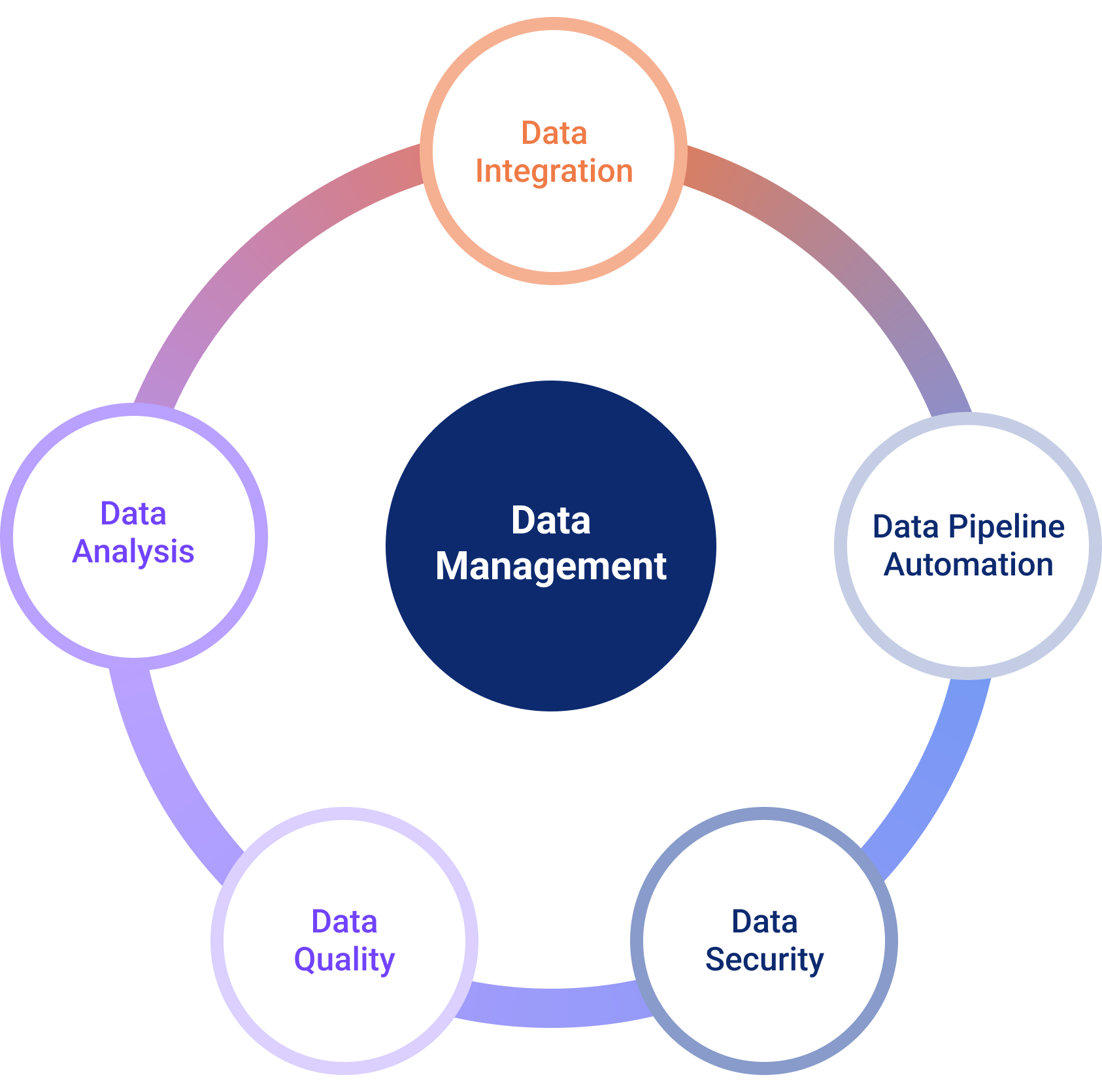
Organizations without centralized dashboards often face several operational challenges:
| Challenge | Impact | Dashboard Solution |
|---|---|---|
| Data fragmentation | Inconsistent insights | Unified data platform |
| Manual reporting | Time-consuming processes | Automated reporting |
| Delayed updates | Slow decision-making | Real-time data access |
| Lack of visibility | Operational inefficiencies | Comprehensive monitoring |
Centralized dashboards address these issues by streamlining data collection and analysis.
3. Real-Time Monitoring and Visibility
One of the most valuable features of centralized dashboards is real-time monitoring. Managers can track field activities as they happen, enabling faster decision-making.
Benefits:
- Instant access to field data
- Quick identification of issues
- Improved operational control
Real-time visibility ensures that organizations can respond proactively to challenges.
4. Seamless Data Integration
Centralized dashboards integrate data from various systems, creating a holistic view of operations.
| Source | Data Type |
|---|---|
| Mobile Apps | Field reports and entries |
| IoT Devices | Sensor data |
| ERP Systems | Business operations data |
| CRM Platforms | Customer information |
Integration ensures consistency and improves data accuracy across the organization.
🚀 Build Your Centralized Dashboard Today
Looking to develop a powerful admin panel for managing field operations efficiently?
📧 Email: [email protected]
💬 WhatsApp: +91 9586979730
5. Advanced Analytics and Insights
Centralized dashboards transform raw data into actionable insights using advanced analytics tools.
Features:
- Custom reports
- Data visualization (charts, graphs)
- Trend analysis
- Predictive analytics
These insights help organizations identify patterns, optimize operations, and make informed decisions.
6. Workflow Automation
Automation is a key feature of modern dashboards. It reduces manual effort and improves efficiency.
| Process | Automation Benefit |
|---|---|
| Task assignment | Faster execution |
| Notifications | Real-time alerts |
| Report generation | Time savings |
| Data synchronization | Improved accuracy |
Automation ensures consistency and reduces human errors.
7. Role-Based Access Control
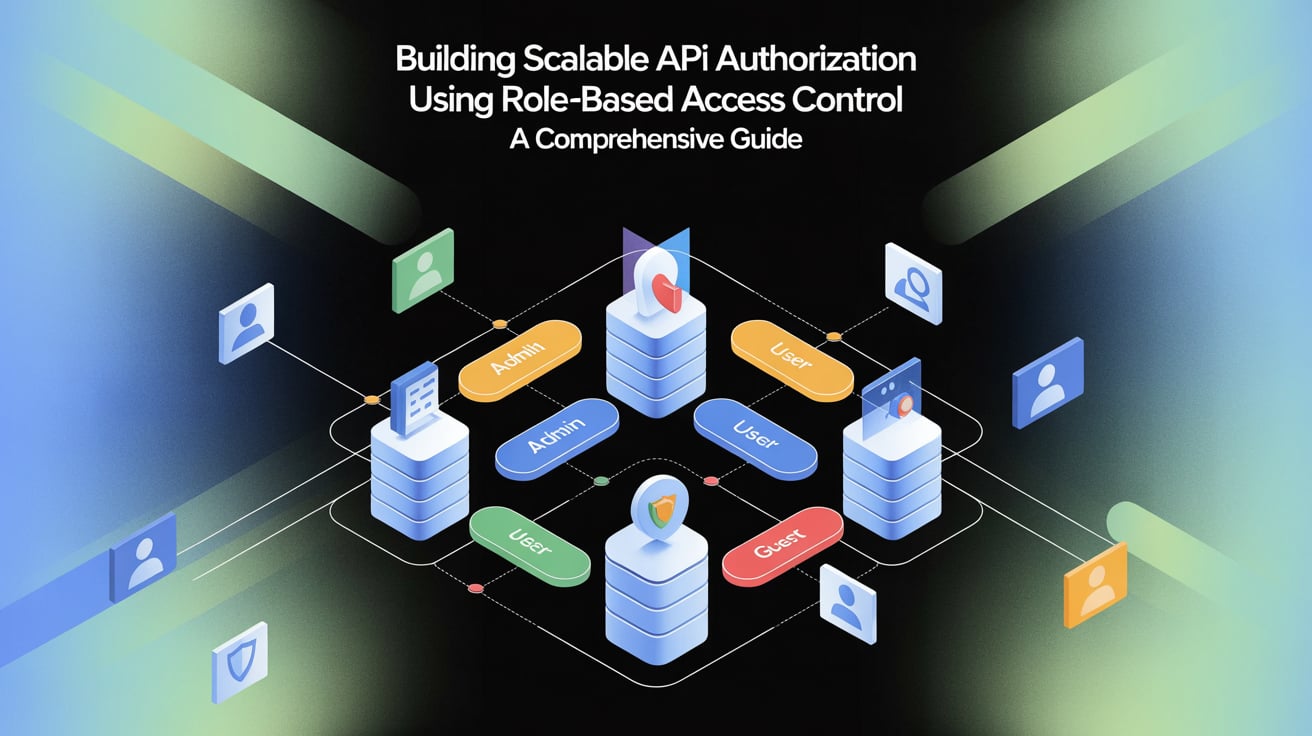
Security and data access management are critical in centralized dashboards. Role-based access control ensures that users only see relevant data.
- Admins: Full system access
- Managers: Operational insights
- Field Staff: Limited access
This enhances both security and usability.
8. Customizable Dashboard Interfaces
Every organization has unique requirements. Customizable dashboards allow users to tailor the interface to their needs.
Customization Options:
- Custom widgets
- Personalized views
- Configurable KPIs
Customization improves user experience and productivity.
📊 Need a Custom Admin Panel Solution?
We specialize in building scalable dashboards tailored to your business goals.
📧 Email: [email protected]
💬 WhatsApp: Chat Now
9. Scalability and Cloud Integration
Modern dashboards are built on cloud infrastructure, enabling them to scale as the business grows.
Advantages:
- Handles large data volumes
- Supports multiple users
- Ensures high availability
Cloud-based dashboards provide flexibility and reliability.
10. Data Security and Compliance
Centralized dashboards must ensure data security and compliance with industry standards.
| Security Feature | Purpose |
|---|---|
| Encryption | Protects sensitive data |
| Authentication | Verifies user identity |
| Audit logs | Tracks system activity |
Strong security measures build trust and ensure compliance.
11. Industry Applications
Centralized dashboards are widely used across industries:
| Industry | Use Case |
|---|---|
| Logistics | Fleet tracking and delivery monitoring |
| Healthcare | Patient data management |
| Agriculture | Crop monitoring and analysis |
| Construction | Project tracking and reporting |
These applications demonstrate the versatility of centralized dashboards.
12. Future Trends in Dashboard Development
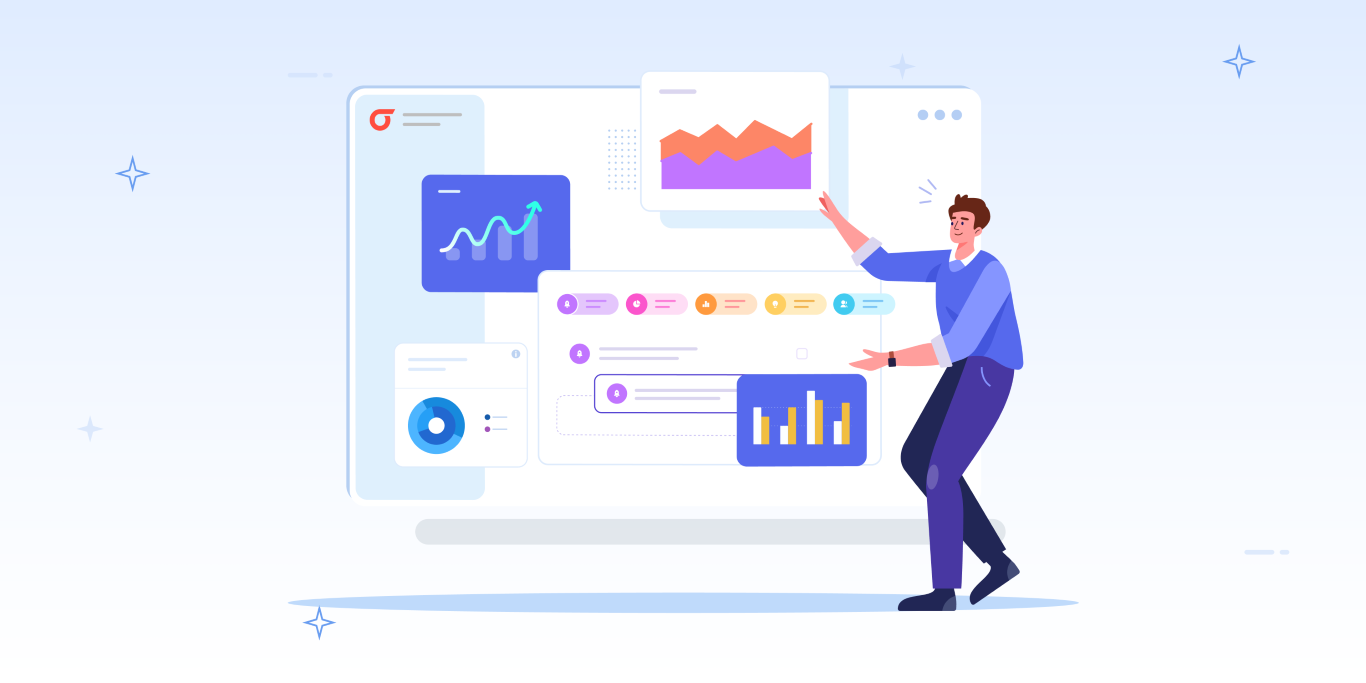
The future of centralized dashboards is driven by emerging technologies:
- AI-powered insights
- Real-time predictive analytics
- Voice-enabled dashboards
- Advanced visualization tools
These innovations will further enhance efficiency and decision-making capabilities.
Conclusion
Centralized dashboards are essential for organizations looking to manage field data efficiently. They provide real-time visibility, advanced analytics, and seamless integration with various systems.
By investing in custom admin panel development, businesses can streamline operations, improve decision-making, and achieve greater efficiency.
Whether you operate in logistics, healthcare, or field services, a centralized dashboard can transform your data management processes and drive long-term success.
Partnering with experienced developers ensures that your dashboard is scalable, secure, and tailored to your specific needs.
Blog ID: 1462Author: parth
Date: 17-04-2026
We to code. It's our passion



you can also reach us at our given
email address or phone number.