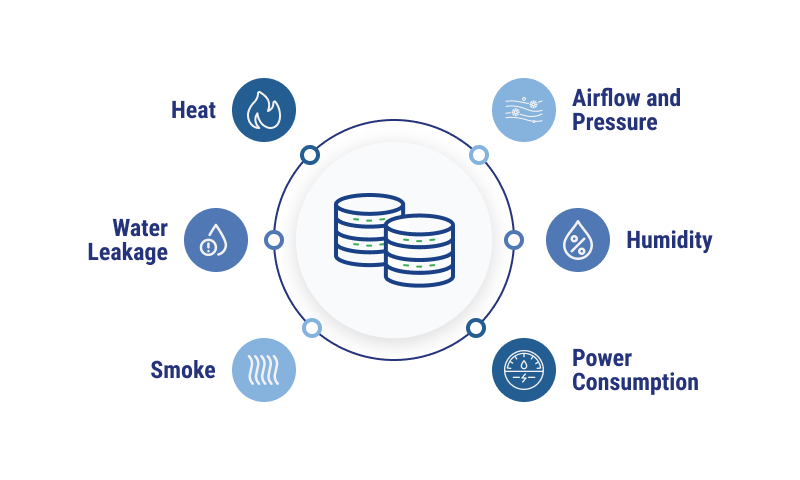
As the global climate crisis intensifies, the need for accurate, real-time environmental data has never been more urgent. Governments, environmental organizations, researchers, and enterprises are increasingly relying on climate data platforms to monitor environmental changes, ensure regulatory compliance, and make data-driven decisions.
These platforms integrate advanced technologies such as IoT sensors, satellite imagery, artificial intelligence, and mobile applications to collect, process, and analyze environmental data. The result is a powerful ecosystem that enables precise monitoring and transparent reporting across various environmental domains.
If you are planning to build scalable and intelligent climate solutions, explore our custom mobile app development to create robust, real-time monitoring systems.
The Growing Importance of Climate Data Platforms

Climate change is no longer a distant threat—it is a present-day challenge affecting ecosystems, economies, and communities worldwide. Accurate data is essential for understanding environmental patterns, predicting future scenarios, and implementing effective interventions.
Climate data platforms play a critical role by:
- Providing real-time environmental insights
- Enabling proactive decision-making
- Supporting regulatory compliance and reporting
- Enhancing transparency and accountability
- Facilitating global collaboration
What Are Climate Data Platforms?
Climate data platforms are digital systems designed to collect, manage, analyze, and visualize environmental data from multiple sources. These platforms often include mobile applications, cloud infrastructure, and analytics dashboards that work together to deliver actionable insights.
Key Components of Climate Data Platforms
| Component | Description | Function |
|---|---|---|
| IoT Sensors | Devices that collect environmental data | Measure temperature, humidity, air quality |
| Mobile Applications | Field data collection tools | Enable real-time data entry and access |
| Cloud Infrastructure | Centralized data storage | Scalable and secure data management |
| Analytics Engine | Data processing systems | Generate insights and predictions |
| Visualization Dashboards | Graphical interfaces | Display trends and reports |
How Climate Data Platforms Enable Environmental Monitoring
1. Real-Time Data Collection
Climate platforms collect data continuously from sensors, satellites, and field officers. This real-time data allows organizations to monitor environmental conditions as they evolve.
2. Multi-Source Data Integration
These platforms integrate data from various sources, including:
- Weather stations
- Satellite imagery
- IoT devices
- Manual field inputs
This holistic approach provides a comprehensive view of environmental conditions.
3. Geographic Mapping and Geo-Tagging
Geo-tagging enables precise location-based monitoring, making it easier to identify environmental changes in specific regions.
4. Automated Alerts and Notifications
Systems can trigger alerts for events such as pollution spikes, temperature anomalies, or deforestation activities.
5. Historical Data Analysis
Climate platforms store historical data, enabling trend analysis and long-term environmental assessments.
Role in Environmental Reporting

Accurate reporting is essential for compliance, policy-making, and public awareness. Climate data platforms streamline reporting by:
- Automating data aggregation
- Generating standardized reports
- Ensuring data accuracy and consistency
- Providing audit trails
| Reporting Feature | Benefit |
|---|---|
| Automated Reports | Saves time and reduces manual errors |
| Real-Time Dashboards | Instant visibility into environmental metrics |
| Compliance Tracking | Ensures adherence to regulations |
| Data Export Options | سهولة integration with external systems |
Use Cases of Climate Data Platforms
1. Air Quality Monitoring
Tracking pollutants and ensuring compliance with environmental standards.
2. Water Resource Management
Monitoring water levels, quality, and usage.
3. Forest and Wildlife Conservation
Detecting deforestation and tracking biodiversity.
4. Agriculture and Climate Impact
Analyzing weather patterns and their impact on crops.
5. Disaster Management
Predicting and responding to natural disasters such as floods and wildfires.
Technologies Powering Climate Data Platforms
| Technology | Role |
|---|---|
| IoT | Real-time environmental data collection |
| AI/ML | Predictive analytics and pattern recognition |
| Cloud Computing | Scalable data storage and processing |
| GIS | Geospatial data analysis |
| Blockchain | Ensures data integrity and transparency |
Benefits of Climate Data Platforms
- Improved decision-making
- Enhanced transparency
- Better regulatory compliance
- Cost efficiency through automation
- Scalable and adaptable solutions
Challenges in Implementing Climate Data Platforms

Despite their advantages, organizations may face challenges such as:
- High initial investment
- Data integration complexities
- Connectivity issues in remote areas
- Data security concerns
- Need for skilled personnel
Best Practices for Building Climate Data Platforms
- Design for scalability and flexibility
- Ensure data security and privacy
- Implement offline functionality
- Use intuitive user interfaces
- Enable seamless integration with existing systems
The Role of Mobile Applications in Climate Platforms
Mobile apps are a critical component, enabling field officers and researchers to collect and access data on the go. Features such as offline data capture, geo-tagging, and real-time sync make mobile apps indispensable.
Future Trends in Climate Data Technology
- AI-driven climate predictions
- Advanced satellite monitoring
- Edge computing for faster processing
- Integration with smart city infrastructure
- Increased use of open data platforms
Why Choose BM Coder for Climate Data Solutions?
Developers App India BM Coder specializes in building advanced mobile and cloud-based platforms for environmental monitoring. Our expertise in real-time data systems, IoT integration, and scalable architectures ensures that your climate data platform is reliable, secure, and future-ready.
We understand the complexities of environmental data and deliver solutions that are both technically robust and user-friendly.
Get Started Today
Conclusion
Climate data platforms are essential tools in the fight against environmental challenges. By enabling real-time monitoring, accurate reporting, and data-driven decision-making, these platforms empower organizations to take meaningful action.
As environmental concerns continue to grow, investing in robust digital solutions will be critical for sustainable development. Partner with BM Coder to build innovative climate data platforms that drive impact and create a better future.
Blog ID: 1466Author: parth
Date: 22-04-2026
We to code. It's our passion









you can also reach us at our given
email address or phone number.