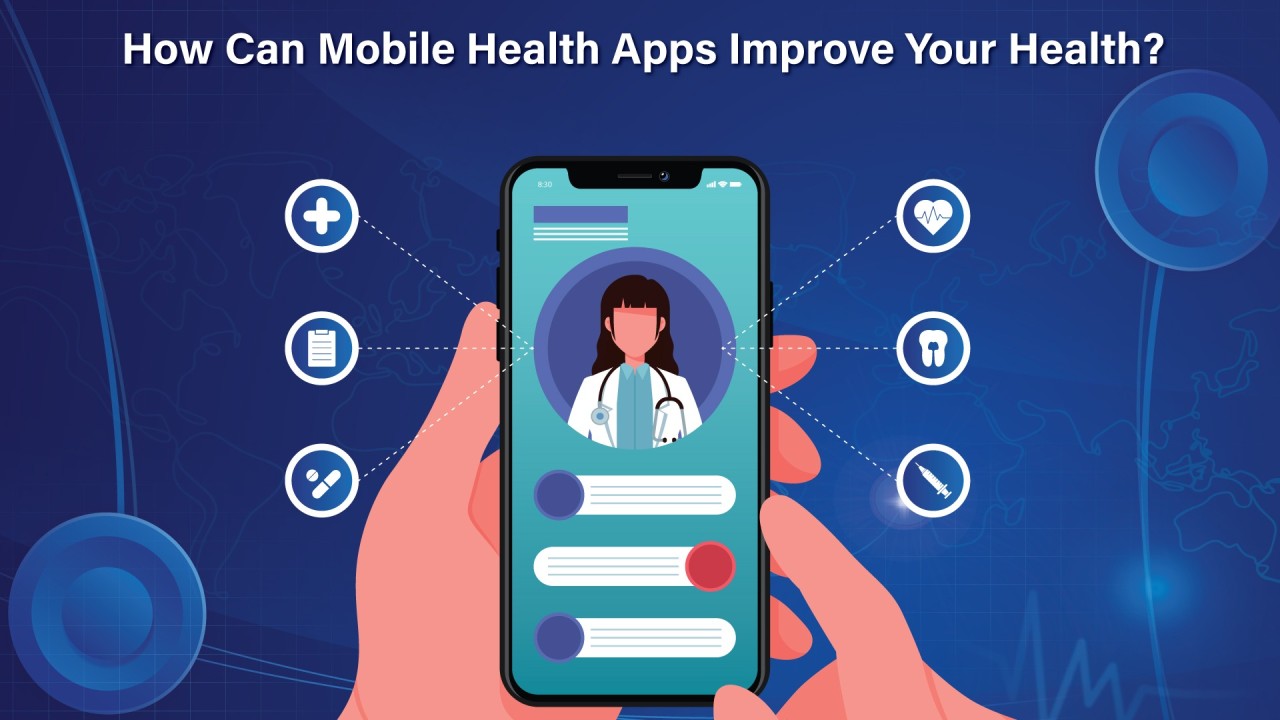
Healthcare is becoming more digital every year, and patients now expect faster, simpler, and more personalized medical services. Clinics that still depend only on traditional systems often face problems such as long waiting times, missed appointments, paperwork issues, delayed communication, and inefficient patient management.
Mobile applications are changing this experience completely. Modern clinic mobile apps help healthcare providers improve communication, simplify operations, and deliver better patient care. From online appointment scheduling to telemedicine consultations and digital health records, mobile applications are helping clinics create smoother and more convenient healthcare journeys.
Today, patients want healthcare services that are accessible anytime and anywhere. Clinics that invest in digital healthcare technologies can increase patient satisfaction, improve retention rates, and strengthen operational efficiency.
Businesses looking to build scalable healthcare solutions can explore professional clinic management software development to create secure, patient-friendly, and feature-rich applications tailored for modern healthcare environments.
Why Patient Experience Matters in Modern Clinics

Patient experience directly affects clinic reputation, patient loyalty, operational efficiency, and healthcare outcomes. A positive experience encourages patients to continue treatment, attend follow-up appointments, and recommend the clinic to others.
However, many clinics still struggle with:
- Long appointment booking processes
- Poor communication between staff and patients
- Manual paperwork and billing delays
- Lack of appointment reminders
- Limited access to medical records
- High patient wait times
- Inefficient follow-up management
Mobile applications solve these problems by creating a centralized digital platform for healthcare interactions.
How Mobile Applications Transform Clinic Operations
Clinic mobile applications improve both the patient side and the administrative side of healthcare management. Patients receive easier access to services, while clinics improve workflow automation and resource management.
| Traditional Clinic System | Mobile Application-Based System |
|---|---|
| Manual appointment booking | Online self-scheduling |
| Paper-based records | Digital health records |
| Phone-call reminders | Automated notifications |
| Long waiting times | Smart queue management |
| Limited patient engagement | 24/7 patient communication |
| Physical consultation only | Telemedicine support |
Key Ways Clinics Improve Patient Experience with Mobile Applications
1. Easy Appointment Scheduling
One of the biggest frustrations patients face is scheduling appointments through phone calls or physical visits. Mobile apps simplify this process significantly.
Patients can:
- View doctor availability
- Select convenient time slots
- Book appointments instantly
- Reschedule appointments easily
- Cancel appointments digitally
- Receive instant confirmation
This reduces administrative workload while improving convenience for patients.
2. Automated Appointment Reminders
Missed appointments create financial losses for clinics and disrupt scheduling systems. Mobile applications solve this problem through automated reminders.
Apps can send:
- SMS reminders
- Push notifications
- Email alerts
- Follow-up reminders
- Prescription refill reminders
These notifications help improve patient attendance and treatment adherence.
3. Telemedicine and Virtual Consultations
Telemedicine has become one of the most important features in modern clinic applications. Patients can consult doctors remotely without visiting the clinic physically.
Benefits include:
- Faster medical access
- Reduced travel costs
- Convenience for elderly patients
- Remote chronic disease management
- Better rural healthcare access
- Reduced waiting room congestion
Virtual consultations improve accessibility while saving time for both patients and healthcare providers.
4. Digital Medical Records Access
Patients often struggle to manage physical reports and prescriptions. Mobile applications provide secure access to digital health records.
Patients can:
- View medical history
- Download reports
- Access prescriptions
- Check lab results
- Monitor treatment plans
- Share reports with specialists
This improves transparency and allows better continuity of care.
5. Secure Patient-Doctor Communication
Communication gaps can reduce treatment quality and patient satisfaction. Mobile applications enable secure messaging systems between clinics and patients.
Patients can:
- Ask follow-up questions
- Request prescription renewals
- Share symptoms
- Receive treatment guidance
- Communicate with healthcare staff
Secure communication builds trust and improves patient engagement.
6. Faster Check-In and Reduced Waiting Times
Long waiting times are one of the most common complaints in clinics. Mobile apps help optimize patient flow through digital check-ins and queue management systems.
Patients can:
- Complete pre-registration forms
- Upload insurance details
- Check queue status
- Receive estimated waiting times
- Get notifications when their turn approaches
This creates a smoother clinic experience and improves operational efficiency.
7. Personalized Healthcare Experience
Modern patients expect personalized services similar to other digital platforms they use daily. Clinic apps can personalize experiences based on patient data and preferences.
Examples include:
- Customized health recommendations
- Personalized reminders
- Preferred doctor suggestions
- Treatment tracking
- Lifestyle guidance
- Medication alerts
Personalization increases patient satisfaction and engagement.
Features Patients Expect in Modern Clinic Applications
| Feature | Purpose |
|---|---|
| Appointment Booking | Schedule visits digitally |
| Telemedicine | Enable remote consultations |
| Health Records | Store patient medical history |
| Payment Integration | Support online payments |
| Push Notifications | Send reminders and updates |
| Prescription Management | Track medications digitally |
| Lab Report Access | View diagnostic results online |
| Multi-language Support | Improve accessibility |
| AI Chatbots | Provide instant patient support |
| Patient Feedback System | Collect reviews and suggestions |
Benefits of Clinic Mobile Applications for Healthcare Providers
Improved Operational Efficiency
Automation reduces manual administrative work and allows clinic staff to focus more on patient care.
Higher Patient Retention
Convenient digital experiences encourage patients to return for future treatments and follow-ups.
Better Resource Management
Smart scheduling systems help clinics optimize doctor availability and reduce overcrowding.
Increased Revenue Opportunities
Digital healthcare platforms can generate additional revenue through virtual consultations, subscription plans, and premium services.
Enhanced Brand Reputation
Clinics using advanced technology often gain stronger trust and credibility among patients.
Role of AI and Automation in Clinic Applications
Artificial intelligence is becoming a major part of healthcare mobile applications. AI-powered systems improve efficiency and help clinics deliver smarter healthcare services.
AI can assist with:
- Symptom checking
- Appointment recommendations
- Predictive healthcare insights
- Automated chat support
- Patient risk analysis
- Treatment recommendations
- Health monitoring
Automation also reduces repetitive administrative tasks and improves clinic productivity.
Importance of Security in Healthcare Mobile Applications
Healthcare applications manage highly sensitive patient data, making security extremely important.
Clinic apps must include:
- End-to-end encryption
- Secure authentication
- Role-based access control
- HIPAA-compliant systems
- Data backup and recovery
- Secure cloud storage
- Multi-factor authentication
Strong security systems protect patient privacy and build trust in digital healthcare platforms.
How Mobile Apps Improve Chronic Disease Management
Patients with chronic illnesses require continuous monitoring and regular communication with healthcare providers. Mobile applications make long-term care more manageable.
Healthcare apps help patients:
- Track symptoms
- Monitor medication schedules
- Record health metrics
- Access remote consultations
- Receive treatment reminders
- Share reports with doctors
This improves treatment adherence and overall patient outcomes.
Impact of Mobile Applications on Patient Engagement
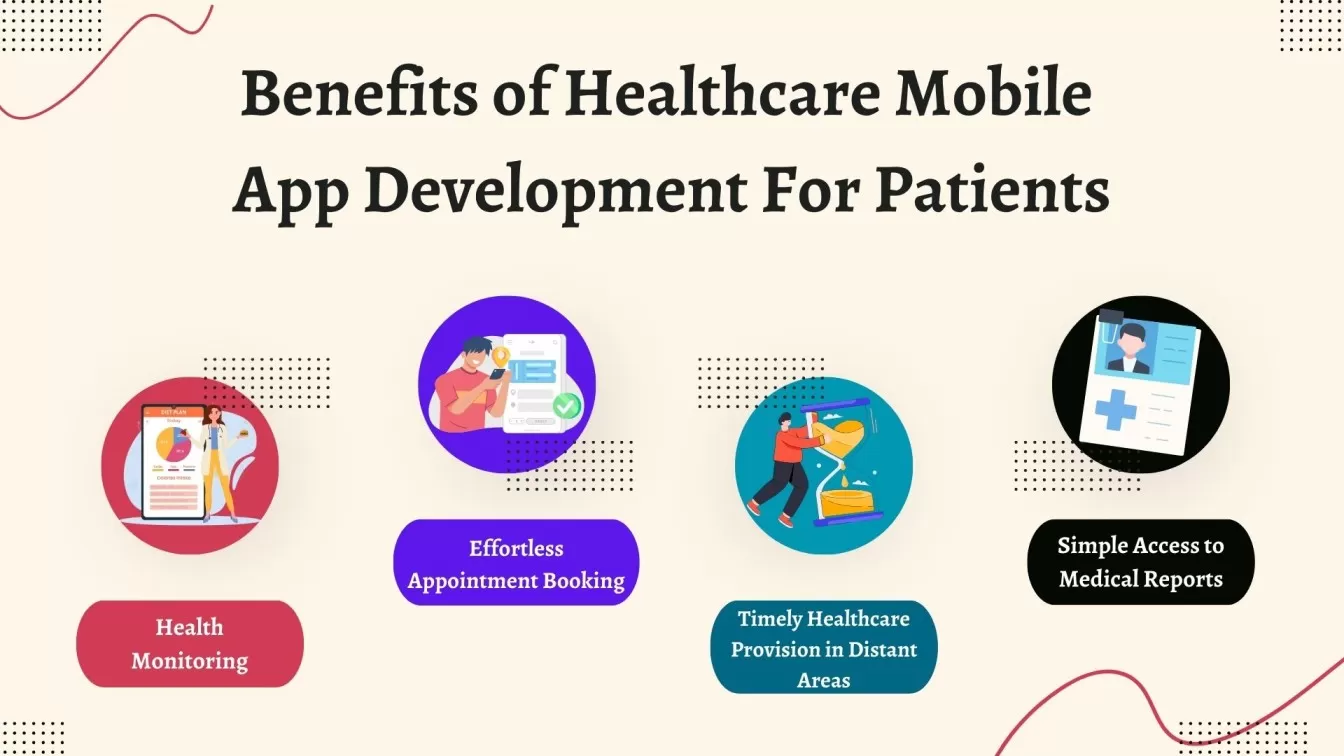
Patient engagement plays a major role in healthcare success. Engaged patients are more likely to follow treatment plans and participate actively in their healthcare journey.
Mobile applications improve engagement through:
- Interactive health dashboards
- Educational healthcare content
- Personalized recommendations
- Health tracking features
- Gamification elements
- Wellness monitoring
Engaged patients generally experience better healthcare outcomes and higher satisfaction levels.
Challenges Clinics Face During Mobile App Development
Although healthcare apps provide many advantages, clinics may face several development challenges.
| Challenge | Solution |
|---|---|
| Data security concerns | Implement advanced encryption |
| Regulatory compliance | Follow healthcare standards |
| User adoption issues | Create user-friendly UI/UX |
| Integration complexity | Use scalable APIs |
| System scalability | Use cloud infrastructure |
| Maintenance costs | Choose modular architecture |
Best Practices for Building a Successful Clinic Mobile Application
Focus on User Experience
The application should be easy to use for patients of all age groups.
Ensure Fast Performance
Slow applications can frustrate users and reduce engagement.
Use Secure Architecture
Patient data protection must remain the top priority.
Support Multiple Devices
Applications should work smoothly across Android, iOS, tablets, and web platforms.
Enable Scalability
The system should support future clinic expansion and feature upgrades.
Integrate Smart Features
AI, automation, analytics, and telemedicine features increase long-term value.
Future Trends in Clinic Mobile Applications
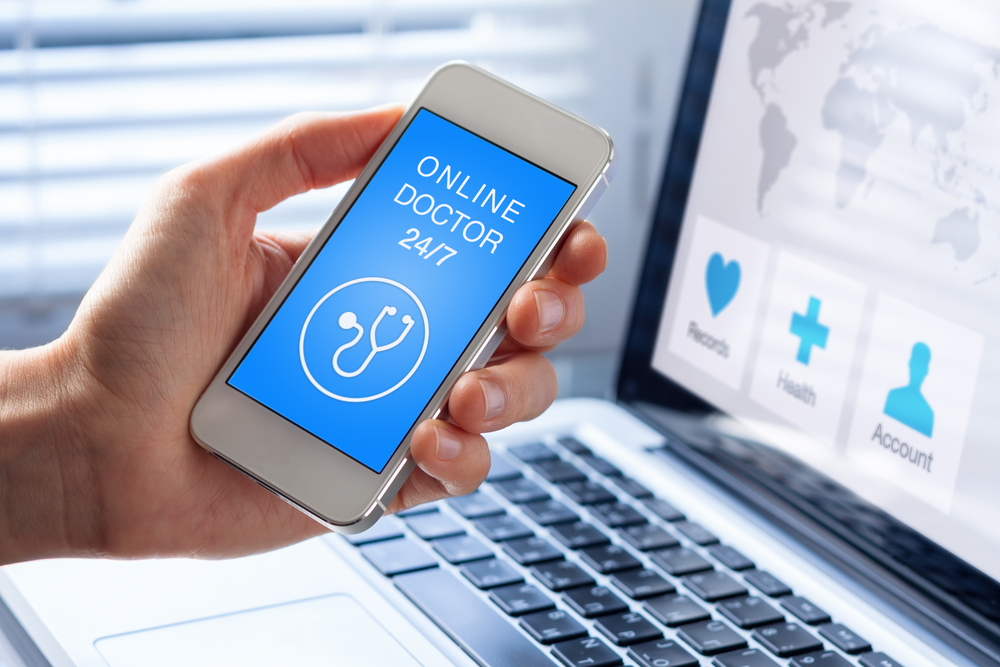
Healthcare technology is evolving rapidly, and clinic applications will continue becoming more intelligent and personalized.
Future trends include:
- AI-powered diagnostics
- Wearable device integration
- Voice-enabled healthcare assistants
- Blockchain-based health records
- Advanced predictive analytics
- Remote patient monitoring
- IoT-enabled healthcare systems
- AR/VR healthcare experiences
Clinics adopting these technologies early can gain a strong competitive advantage.
Why Clinics Should Invest in Mobile Applications
The healthcare industry is becoming increasingly digital, and patient expectations are rising continuously. Mobile applications are no longer optional for modern clinics — they are becoming essential tools for improving patient satisfaction, operational efficiency, and healthcare accessibility.
A well-designed clinic mobile application helps healthcare providers:
- Improve patient communication
- Reduce administrative workload
- Increase appointment efficiency
- Strengthen patient loyalty
- Enhance healthcare accessibility
- Provide personalized care experiences
- Support long-term business growth
Clinics that embrace digital healthcare transformation can create better healthcare experiences while improving overall operational performance.
Build Advanced Clinic Mobile Applications with Developers App India BM Coder
Developers App India BM Coder specializes in building scalable, secure, and user-friendly healthcare software solutions for clinics, hospitals, and healthcare startups.
Our healthcare development services include:
- Clinic mobile app development
- Telemedicine platforms
- Patient management systems
- Healthcare CRM solutions
- Doctor appointment booking systems
- Healthcare admin dashboards
- Electronic health record systems
- Remote patient monitoring platforms
Whether you want to improve patient engagement, streamline clinic operations, or launch a modern healthcare platform, our team can help you build a customized solution tailored to your business needs.
Email: [email protected]
WhatsApp: +91.9586979730
Conclusion
Mobile applications are transforming how clinics interact with patients and manage healthcare services. From online scheduling and digital health records to telemedicine and AI-powered engagement, clinic applications help healthcare providers deliver faster, smarter, and more personalized care experiences.
As patient expectations continue evolving, clinics that invest in advanced digital healthcare technologies will be better positioned for long-term success. Mobile healthcare solutions not only improve patient satisfaction but also increase operational efficiency, healthcare accessibility, and business growth opportunities.
For clinics aiming to modernize healthcare delivery and improve patient experience, investing in a powerful mobile application is one of the most valuable strategic decisions for the future.
Blog ID: 1530Author: parth
Date: 08-05-2026
We to code. It's our passion










you can also reach us at our given
email address or phone number.