
Healthcare delivery in Canada is evolving rapidly, driven by increasing patient expectations, regulatory compliance requirements, and the need for operational efficiency. Clinics—ranging from family practices to specialized medical centers—are under constant pressure to deliver high-quality care while managing administrative complexities.
To meet these challenges, clinics across Canada are adopting modern healthcare management systems. These digital platforms streamline workflows, improve patient outcomes, and optimize clinic operations in ways that were previously unimaginable.
If you're planning to modernize your clinic operations, explore our clinic management system development services in Canada to build a scalable and compliant solution tailored to your needs.
The Growing Need for Digital Transformation in Canadian Clinics
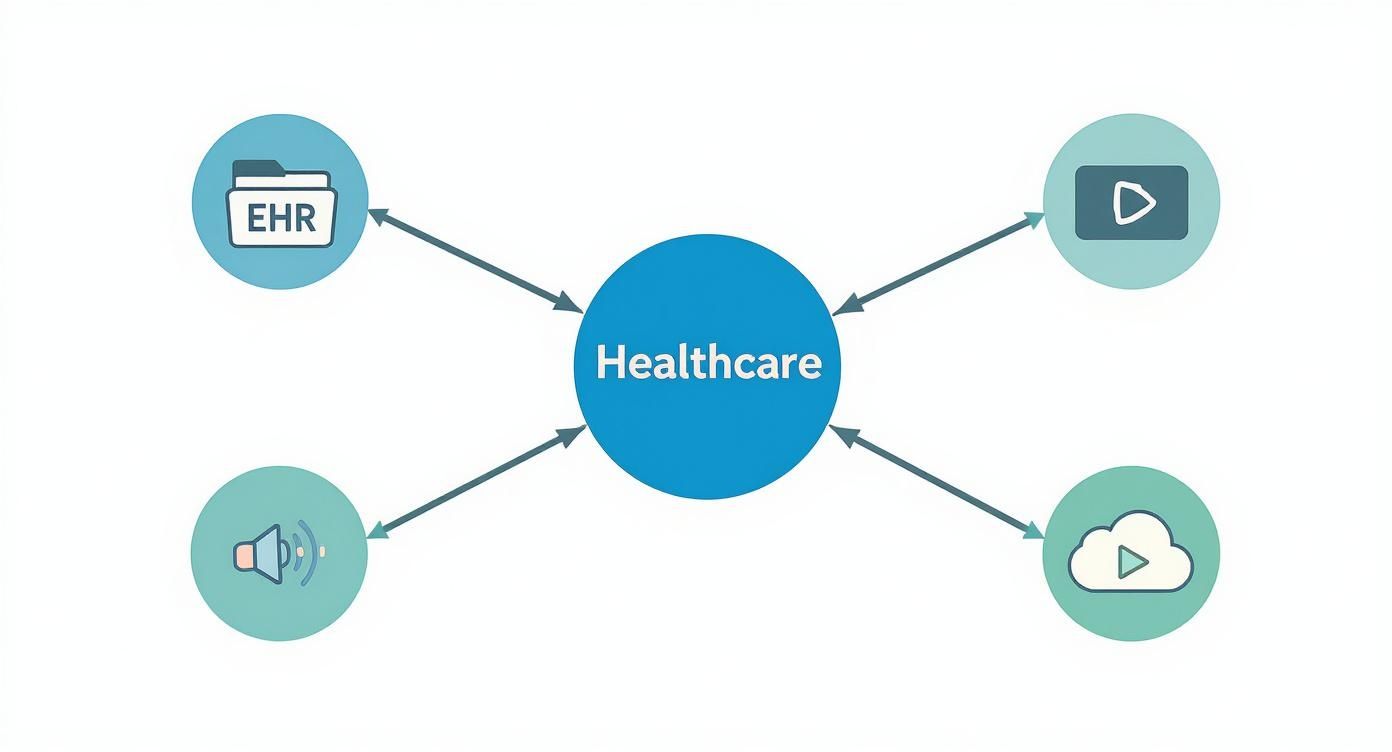
Canada’s healthcare system is publicly funded, but clinics often operate independently and must balance patient care with administrative efficiency. Traditional methods—paper records, manual scheduling, and fragmented communication—lead to inefficiencies and increased workload for healthcare professionals.
Digital transformation through healthcare management systems helps clinics:
- Reduce administrative burden
- Improve patient engagement
- Ensure compliance with healthcare regulations
- Enhance data accuracy and security
- Enable remote care and telehealth services
Challenges Faced by Clinics in Canada
| Challenge | Description | Impact |
|---|---|---|
| Manual Processes | Paper-based records and scheduling | Time-consuming and error-prone |
| Regulatory Compliance | Strict healthcare data laws (PHIPA, PIPEDA) | Risk of penalties |
| Patient Management | Handling large patient volumes | Reduced service quality |
| Data Silos | Disconnected systems | Limited insights |
| Communication Gaps | Poor coordination between staff | Delays and inefficiencies |
What is a Healthcare Management System?
A healthcare management system is a comprehensive digital platform that integrates various clinical and administrative functions into a single system. It includes features such as patient records, appointment scheduling, billing, reporting, and communication tools.
Key Features of Modern Clinic Management Systems
| Feature | Description | Benefit |
|---|---|---|
| Electronic Medical Records (EMR) | Digital patient records | Quick access to patient history |
| Appointment Scheduling | Online booking system | Reduced no-shows |
| Billing & Insurance | Automated billing processes | Faster payments |
| Telehealth Integration | Virtual consultations | Improved accessibility |
| Analytics Dashboard | Performance insights | Better decision-making |
| Patient Portal | Self-service platform | Enhanced patient experience |
🚀 Upgrade Your Clinic with Smart Technology
Transform your clinic operations with a custom healthcare management system.
📧 Email: [email protected]
📱 WhatsApp: +91.9586979730
How Clinics Optimize Operations Using Digital Systems

1. Streamlined Patient Registration
Patients can register online, reducing paperwork and wait times at clinics.
2. Automated Appointment Scheduling
Digital scheduling systems allow patients to book appointments online and receive reminders, reducing missed appointments.
3. Efficient Workflow Management
Task automation ensures that administrative processes are handled efficiently, allowing staff to focus on patient care.
4. Integrated Communication
Secure messaging systems improve communication between doctors, staff, and patients.
5. Real-Time Data Access
Doctors can access patient records instantly, enabling faster and more accurate diagnosis.
6. Billing Automation
Automated billing reduces errors and speeds up payment processing.
Technology Stack Behind Healthcare Systems
| Layer | Technologies |
|---|---|
| Frontend | React, Angular |
| Backend | Node.js, .NET Core |
| Database | PostgreSQL, MongoDB |
| Cloud | AWS, Google Cloud |
| Security | OAuth, JWT, Encryption |
Compliance and Security in Canada
Canadian clinics must comply with strict data protection laws such as PHIPA (Ontario) and PIPEDA (federal). Healthcare management systems must include:
- Data encryption
- Role-based access control
- Audit logs
- Secure authentication
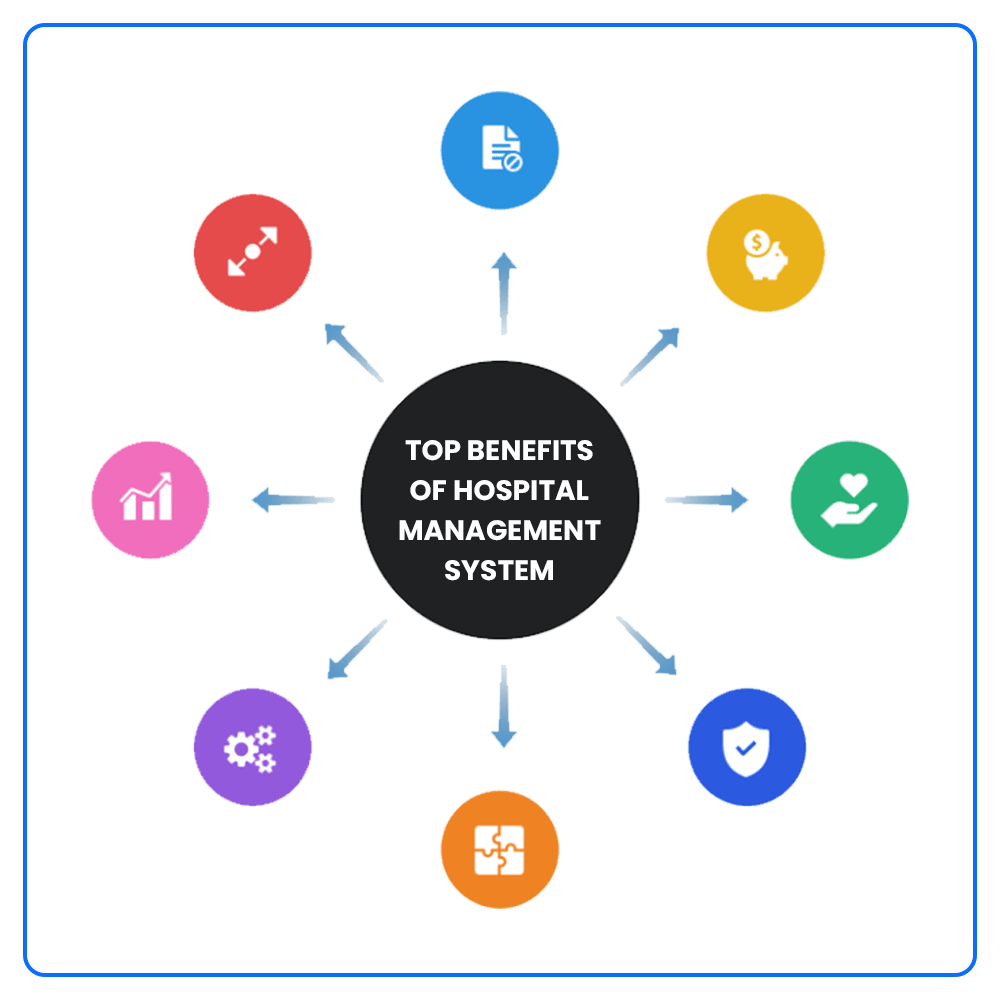
Benefits of Implementing Healthcare Management Systems
| Benefit | Impact |
|---|---|
| Efficiency | Reduced administrative workload |
| Accuracy | Minimized errors |
| Patient Satisfaction | Better service experience |
| Scalability | Supports clinic growth |
| Cost Savings | Lower operational costs |
Future Trends in Canadian Healthcare Technology
- AI-powered diagnostics
- Predictive analytics
- Blockchain for data security
- IoT integration for remote monitoring
- Mobile-first healthcare platforms
📢 Build Your Healthcare Platform Today
Partner with Developers App India BM Coder to develop a powerful clinic management system tailored for Canada.
Implementation Strategy for Clinics
Step 1: Requirement Analysis
Identify clinic needs and define system requirements.
Step 2: System Design
Design a scalable and user-friendly platform.
Step 3: Development
Build the system using modern technologies.
Step 4: Testing
Ensure system reliability and security.
Step 5: Deployment
Launch the system and train staff.
Conclusion
Modern healthcare management systems are transforming clinics in Canada by improving efficiency, enhancing patient care, and ensuring compliance with regulations. Clinics that embrace digital transformation can deliver better services, reduce costs, and stay competitive in an evolving healthcare landscape.
Investing in a robust clinic management system is not just a technological upgrade—it’s a strategic move toward long-term success.
Blog ID: 1473Author: parth
Date: 22-04-2026
We to code. It's our passion









you can also reach us at our given
email address or phone number.