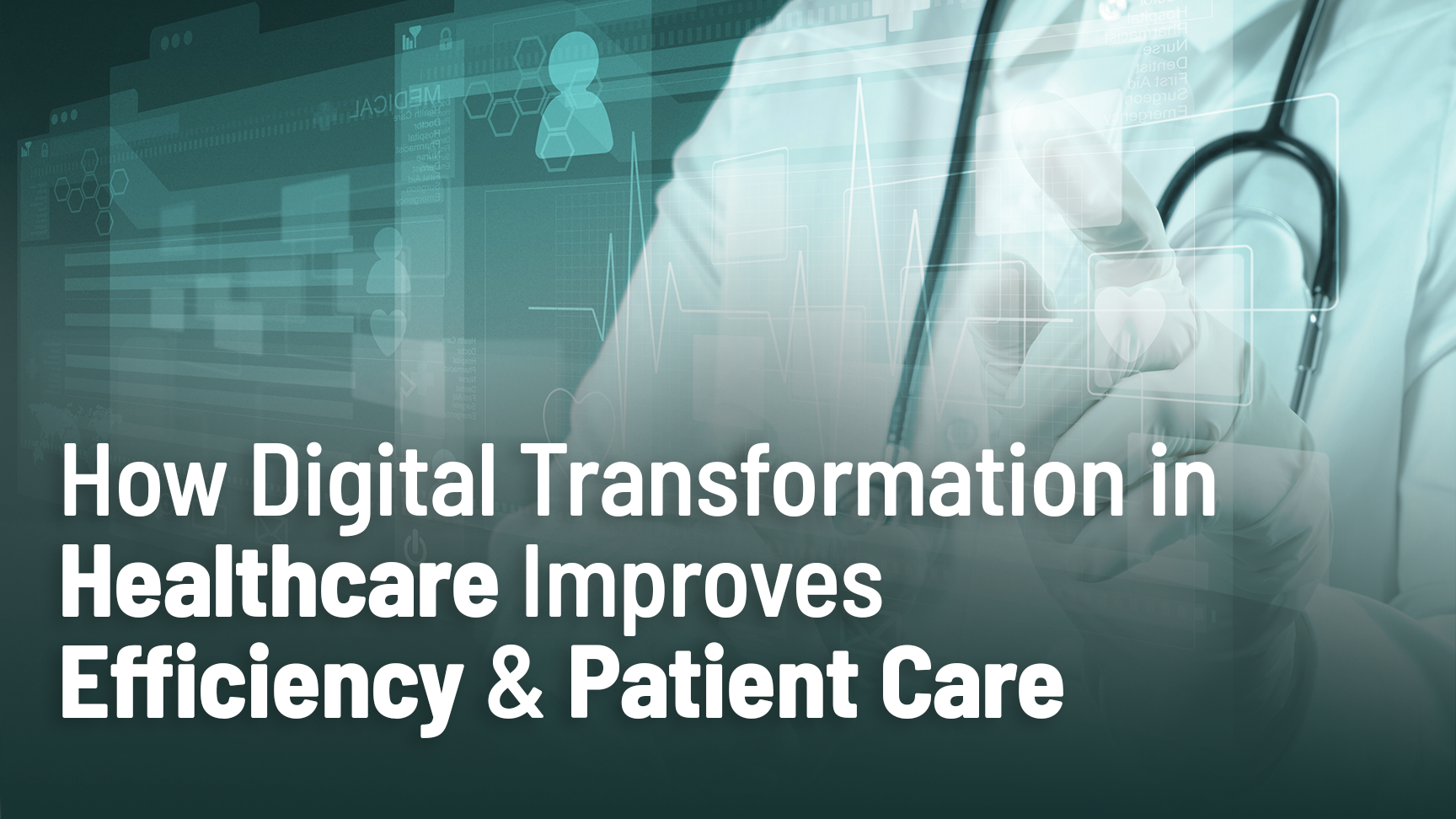
Healthcare systems worldwide are facing mounting challenges, including rising patient demands, workforce shortages, increasing operational costs, fragmented data systems, and growing pressure to improve care quality. Traditional healthcare infrastructures often struggle with inefficiencies caused by manual workflows, disconnected communication channels, administrative overload, delayed diagnostics, and limited patient engagement.
Digital health solutions are revolutionizing healthcare delivery by integrating advanced technologies such as mobile health applications, telemedicine platforms, electronic health records (EHR), artificial intelligence, remote patient monitoring, cloud computing, and healthcare automation tools. These innovations enable healthcare providers to streamline operations, reduce costs, enhance patient care, and create scalable, future-ready healthcare ecosystems.
Organizations seeking digital transformation can accelerate success by leveraging custom healthcare software development tailored to their unique clinical, operational, and patient engagement goals.
The Growing Importance of Digital Health Transformation

Healthcare systems must manage increasingly complex demands, including:
- Chronic disease management
- Aging populations
- Patient experience expectations
- Regulatory compliance
- Data interoperability
- Cost containment
Digital solutions address these challenges by modernizing workflows, improving access, and optimizing resource utilization across healthcare organizations.
Key Categories of Digital Health Solutions
| Digital Solution | Primary Purpose | Efficiency Impact |
|---|---|---|
| Telemedicine Platforms | Remote consultations | Expanded care access |
| Electronic Health Records (EHR) | Centralized patient data | Faster decision-making |
| Remote Patient Monitoring | Continuous health tracking | Reduced hospitalizations |
| AI Diagnostics | Clinical decision support | Improved diagnostic speed |
| Healthcare Mobile Apps | Patient engagement | Higher retention |
| Workflow Automation Tools | Administrative efficiency | Reduced labor burden |
How Digital Health Solutions Improve Operational Efficiency
1. Streamlining Administrative Workflows
Administrative inefficiencies account for significant healthcare expenses. Digital tools automate:
- Appointment scheduling
- Billing and claims processing
- Insurance verification
- Prescription management
- Patient onboarding
- Medical record documentation
Automation reduces manual errors, lowers staffing burdens, and accelerates service delivery.
2. Enhancing Data Accessibility and Interoperability
EHR and integrated software systems allow providers to:
- Access patient histories instantly
- Share records securely across departments
- Coordinate multidisciplinary care
- Reduce duplicate testing
- Improve treatment continuity
Centralized health data improves both speed and quality of care.
3. Reducing Hospital Readmissions
Remote monitoring solutions help track chronic patients in real-time, allowing early intervention before complications escalate.
This leads to:
- Lower readmission rates
- Improved chronic disease management
- Reduced emergency care utilization
- Better preventive care
Improving Patient Experience Through Digital Engagement

Modern patients expect convenient, accessible, and transparent healthcare experiences.
Patient Portals and Mobile Applications
Healthcare apps empower patients with:
- Appointment booking
- Virtual consultations
- Lab report access
- Medication reminders
- Billing management
- Secure messaging
This improves patient satisfaction while reducing provider administrative load.
Personalized Preventive Care
AI-driven platforms can offer:
- Risk assessments
- Wellness recommendations
- Behavioral nudges
- Preventive screening alerts
These proactive strategies improve long-term health outcomes.
AI and Advanced Analytics in Healthcare Efficiency
Artificial intelligence is becoming a cornerstone of healthcare optimization.
Clinical Decision Support
AI can:
- Identify abnormal diagnostic patterns
- Predict patient deterioration
- Support treatment planning
- Reduce diagnostic errors
Operational Forecasting
Analytics tools help organizations optimize:
- Staff scheduling
- Resource allocation
- Patient flow management
- Supply chain planning
This creates more efficient healthcare ecosystems with reduced waste.
Digital Health in Specialized Healthcare Sectors
| Healthcare Sector | Digital Application | Efficiency Gain |
|---|---|---|
| Hospitals | EHR + telehealth | Workflow optimization |
| Clinics | Scheduling + patient apps | Patient throughput |
| Diagnostic Labs | Booking + reporting platforms | Automation |
| Pharmacies | eCommerce + prescription apps | Medication accessibility |
| Mental Health | Virtual therapy platforms | Expanded care access |
Security and Compliance in Digital Health Systems
Digital health platforms must prioritize data privacy and regulatory adherence.
Critical compliance requirements include:
- HIPAA
- GDPR
- HL7/FHIR interoperability
- End-to-end encryption
- Multi-factor authentication
- Role-based access controls
Robust cybersecurity frameworks protect patient trust and organizational reputation.
Challenges in Digital Health Implementation
Despite benefits, healthcare organizations often face obstacles such as:
- Legacy system integration
- Regulatory complexity
- User adoption barriers
- Initial development costs
- Data migration challenges
- Cybersecurity risks
Strategic planning and experienced software development partnerships are essential for overcoming these barriers.
Future Trends in Digital Health Efficiency
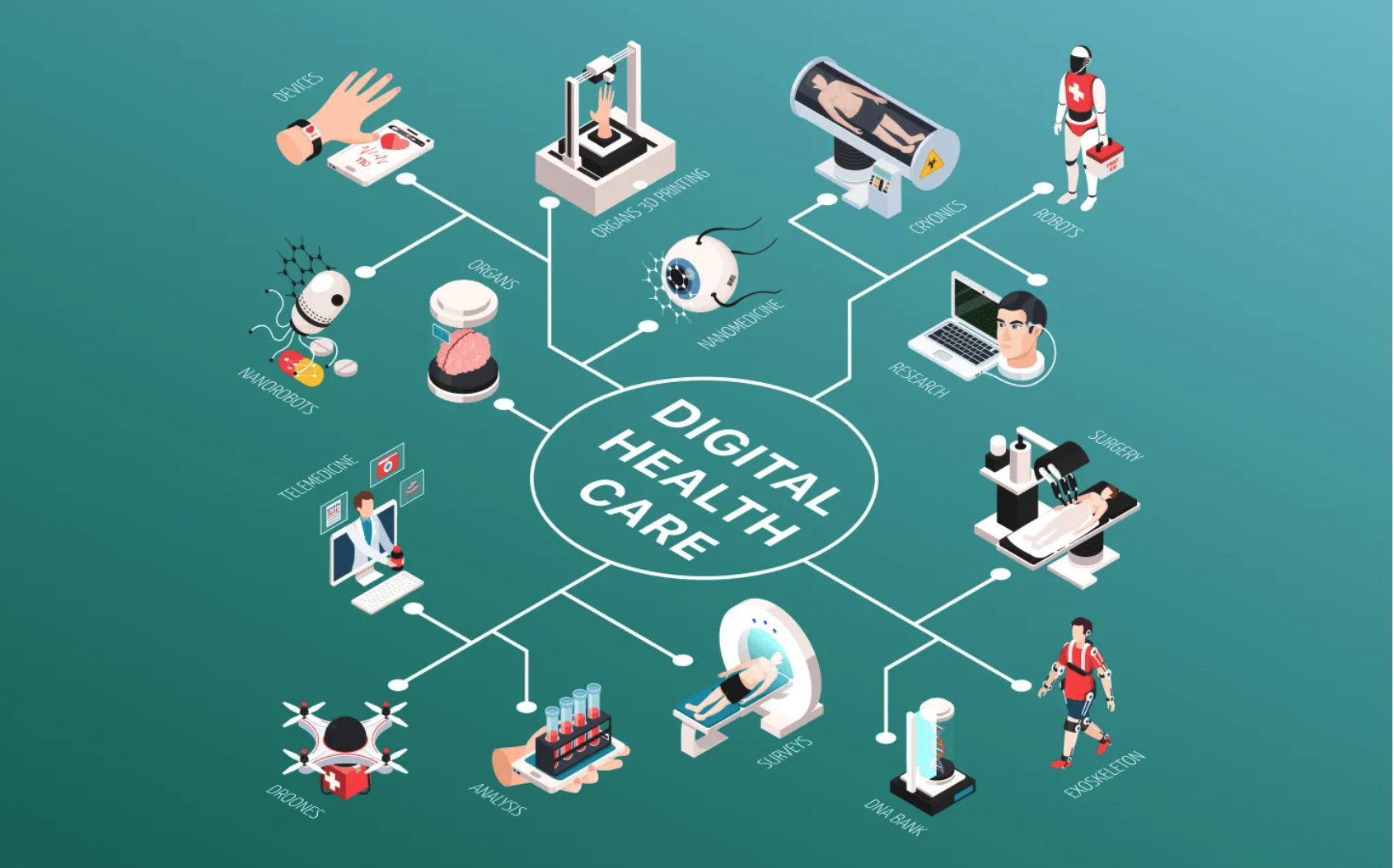
The future of healthcare efficiency will be shaped by:
- AI-powered predictive medicine
- Blockchain medical records
- Voice-enabled health assistants
- IoT healthcare ecosystems
- Personalized digital therapeutics
- Robotic process automation
These technologies will further transform care delivery, operational models, and patient outcomes.
Why Healthcare Organizations Should Invest in Digital Solutions
Strategic investment in healthcare software provides:
- Improved patient outcomes
- Operational cost savings
- Competitive differentiation
- Scalable business models
- Expanded market reach
- Enhanced provider productivity
Healthcare providers that embrace digital transformation are better positioned for sustainable growth in an increasingly technology-driven market.
Conclusion
Digital health solutions are fundamentally reshaping healthcare systems by improving efficiency, reducing costs, enhancing patient experiences, and enabling more scalable care delivery models. Through healthcare apps, telemedicine platforms, AI tools, EHR systems, and automation technologies, providers can modernize operations while delivering superior clinical outcomes.
As healthcare demands continue to rise, organizations that invest in comprehensive digital health strategies will gain critical advantages in accessibility, profitability, and long-term success.
Transform Healthcare Systems with Developers App India BM Coder
We specialize in advanced healthcare software solutions, including telehealth apps, patient portals, diagnostic platforms, and enterprise healthcare systems.
Email: [email protected]
WhatsApp: +91 9586979730
Contact us today to build innovative digital health solutions that improve efficiency, patient outcomes, and business scalability.
Author: parth
Date: 29-04-2026
We to code. It's our passion








you can also reach us at our given
email address or phone number.