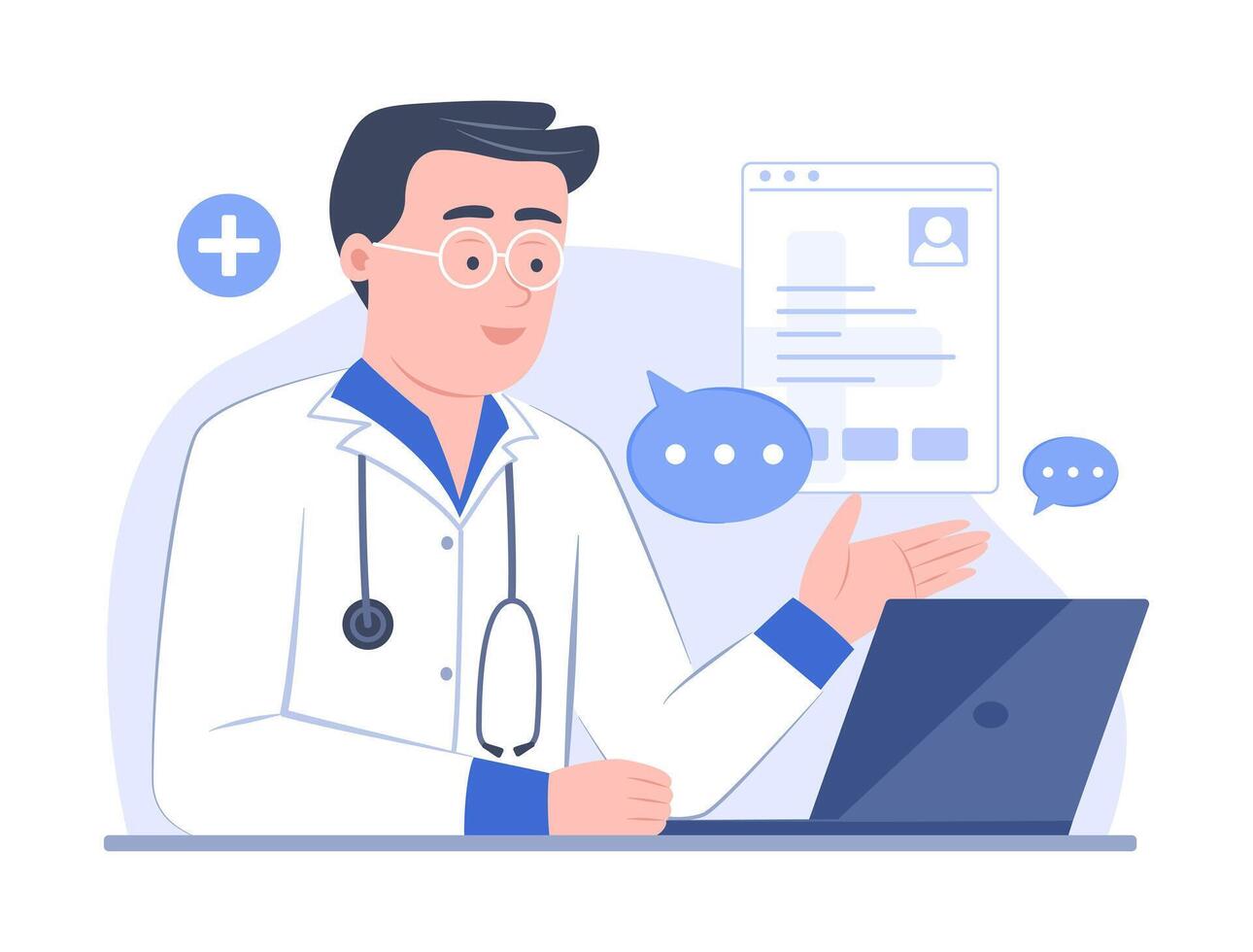
The healthcare industry is constantly evolving with new technologies, treatments, protocols, and patient care standards. For healthcare professionals, continuous learning is not optional—it is essential. Doctors, nurses, technicians, and administrative staff must stay updated with the latest medical knowledge, compliance requirements, and operational practices.
Traditional learning methods such as classroom training, seminars, and printed materials are no longer sufficient in today’s fast-paced healthcare environment. This is where digital learning platforms—also known as eLearning systems—are transforming the way healthcare professionals are trained.
Organizations looking to modernize their training systems are increasingly investing in custom healthcare eLearning app development to deliver scalable, interactive, and flexible learning experiences. Developers App India BM Coder specializes in building advanced digital learning platforms tailored for healthcare organizations, hospitals, training institutes, and medical businesses.
In this blog, we will explore how digital learning platforms are revolutionizing healthcare training, improving knowledge retention, enhancing skills, and ensuring better patient care outcomes.
What Are Digital Learning Platforms in Healthcare?
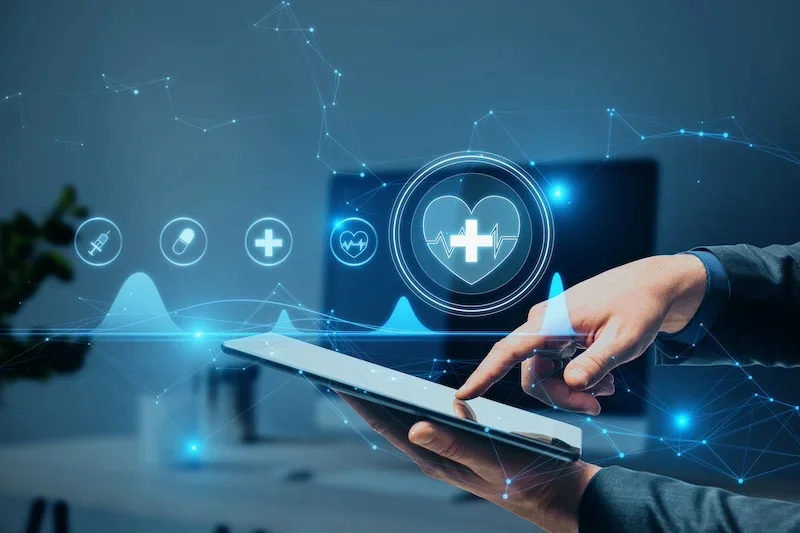
Digital learning platforms in healthcare are software systems that deliver training content, courses, assessments, certifications, and skill development programs through web and mobile applications. These platforms are designed to train healthcare professionals efficiently using modern tools such as videos, simulations, quizzes, and real-time analytics.
Unlike traditional training methods, eLearning platforms provide on-demand access to learning materials, allowing healthcare professionals to learn at their own pace and convenience.
Why Healthcare Training Needs Digital Transformation
The healthcare sector faces multiple challenges when it comes to training, including time constraints, geographic limitations, large workforce sizes, and rapidly changing medical knowledge. Digital platforms address these challenges effectively.
| Traditional Training Challenges | Digital Learning Solutions |
|---|---|
| Limited classroom availability | Online access anytime, anywhere |
| High training costs | Cost-effective scalable solutions |
| Time-consuming sessions | Self-paced learning modules |
| Difficulty in tracking progress | Real-time analytics and reporting |
| Static content | Interactive multimedia learning |
Key Benefits of Digital Learning Platforms for Healthcare Professionals
1. Flexible Learning
Healthcare professionals often work long and irregular hours. Digital learning platforms allow them to access training materials anytime, making it easier to balance learning with work responsibilities.
2. Continuous Skill Development
With eLearning platforms, professionals can regularly update their knowledge, learn new procedures, and stay aligned with the latest medical advancements.
3. Improved Knowledge Retention
Interactive content such as videos, quizzes, and simulations helps learners understand and retain information more effectively compared to traditional methods.
4. Standardized Training
Digital platforms ensure consistent training across all employees, reducing variations in knowledge and improving overall quality of care.
5. Performance Tracking
Administrators can monitor learner progress, identify skill gaps, and provide targeted training to improve performance.
Core Features of Healthcare eLearning Platforms
| Feature | Description |
|---|---|
| User Management | Handles registration, roles, and access control for learners and instructors. |
| Course Management | Allows creation, organization, and delivery of training content. |
| Video-Based Learning | Supports lectures, tutorials, and demonstrations. |
| Assessments | Includes quizzes, tests, and evaluations. |
| Certification | Provides certificates upon course completion. |
| Progress Tracking | Tracks learner activity and performance metrics. |
| Notifications | Sends reminders for courses, deadlines, and updates. |
| Mobile Accessibility | Ensures access through smartphones and tablets. |
How Digital Learning Platforms Improve Healthcare Training
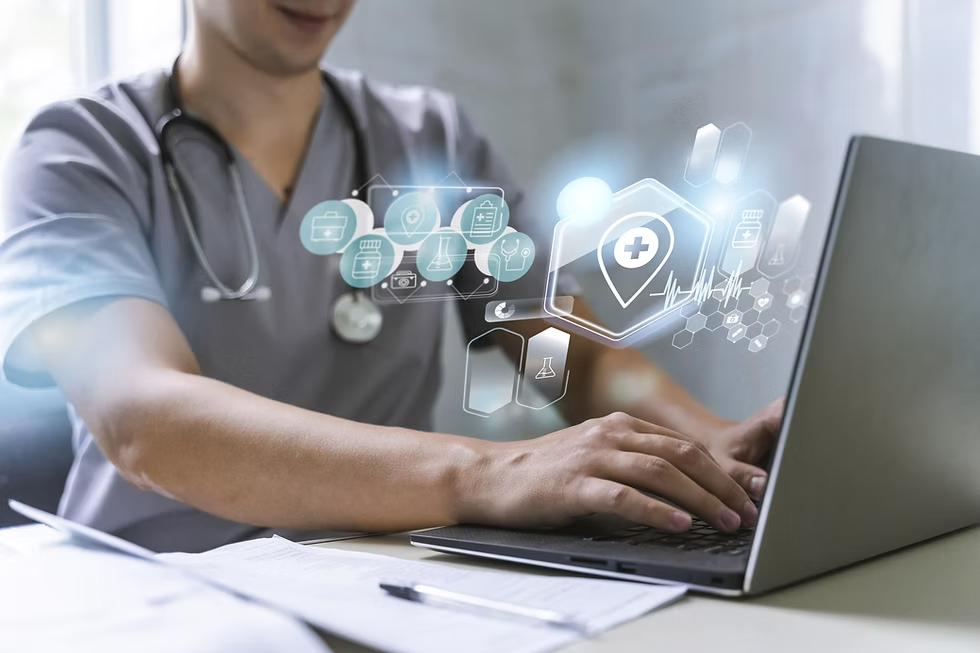
1. Simulation-Based Learning
Simulations allow healthcare professionals to practice procedures in a virtual environment. This reduces risk and improves confidence before performing real-life tasks.
2. Microlearning Modules
Short, focused learning sessions help professionals quickly learn specific topics without overwhelming them.
3. Real-Time Feedback
Immediate feedback helps learners understand mistakes and improve their skills faster.
4. Collaboration Tools
Discussion forums, chat systems, and group learning features enable knowledge sharing among professionals.
Use Cases of Healthcare eLearning Platforms
- Medical staff onboarding
- Clinical skill training
- Compliance and regulatory training
- Continuing medical education (CME)
- Hospital staff training
- Pharmaceutical training programs
Technology Stack for eLearning App Development
| Layer | Technology |
|---|---|
| Frontend | React.js, Angular |
| Mobile | React Native, Flutter |
| Backend | Node.js, Django, Laravel |
| Database | MongoDB, PostgreSQL |
| Cloud | AWS, Azure, Google Cloud |
Security and Compliance Considerations
Healthcare training platforms must ensure data security and privacy. Role-based access, encrypted data storage, secure authentication, and compliance with industry standards are essential components.
Challenges in Healthcare eLearning Development

- Ensuring user engagement
- Maintaining content accuracy
- Integrating with existing systems
- Handling large volumes of users
Why Choose Developers App India BM Coder?
Developers App India BM Coder is a software development company that builds scalable and feature-rich healthcare eLearning platforms. The team focuses on user-friendly design, secure architecture, and high-performance systems tailored to healthcare training needs.
Whether you need a hospital training platform, medical education system, or healthcare LMS, Developers App India BM Coder provides customized solutions to meet your requirements.
Future of Digital Learning in Healthcare
The future of healthcare training will include AI-powered learning, virtual reality simulations, personalized learning paths, and advanced analytics. Digital platforms will continue to evolve, making training more effective and accessible.
Conclusion
Digital learning platforms are transforming how healthcare professionals are trained. By offering flexible, interactive, and scalable solutions, these platforms improve knowledge, skills, and patient care outcomes.
Investing in healthcare eLearning app development is a smart move for organizations aiming to stay competitive and deliver high-quality training programs.
Start Building Your Healthcare eLearning Platform
Ready to develop a powerful digital learning platform for healthcare professionals? Contact Developers App India BM Coder today.
Email: [email protected]
WhatsApp: +91.9586979730
Author: parth
Date: 04-05-2026
We to code. It's our passion





you can also reach us at our given
email address or phone number.