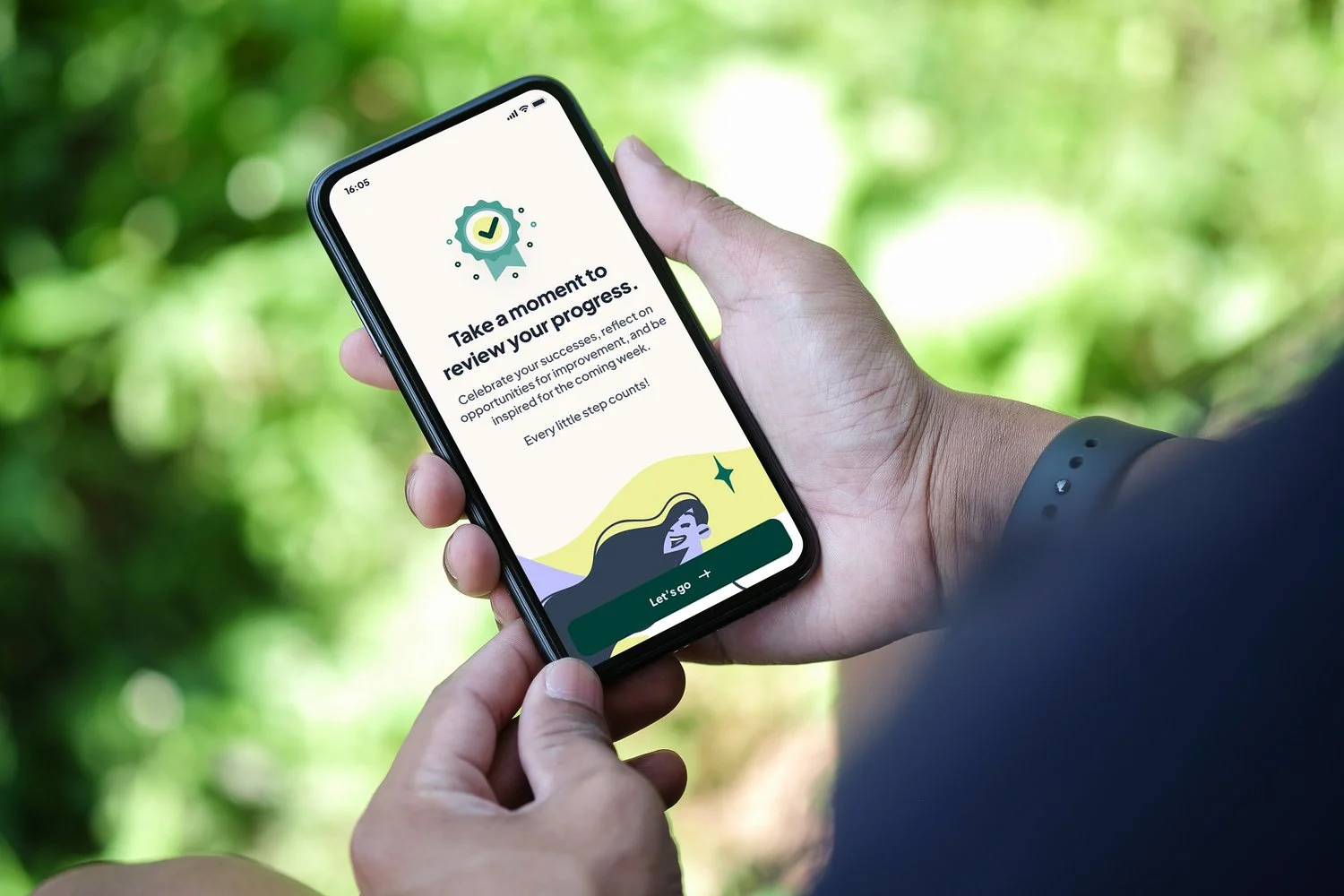
The healthcare industry is rapidly evolving with the introduction of advanced therapies such as GLP-1 receptor agonists, widely used for weight management and diabetes care. While these treatments are highly effective, their success largely depends on proper monitoring, dosage adherence, and continuous patient engagement.
Digital platforms are playing a transformative role in supporting GLP-1 treatment by enabling real-time monitoring, automated reminders, telehealth integration, and personalized patient support systems. These solutions ensure patients stay on track, leading to improved clinical outcomes.
If you are planning to build a scalable healthcare solution, working with a trusted GLP-1 drug delivery app development company ensures secure architecture, compliance, and advanced patient engagement features.
Understanding GLP-1 Treatment
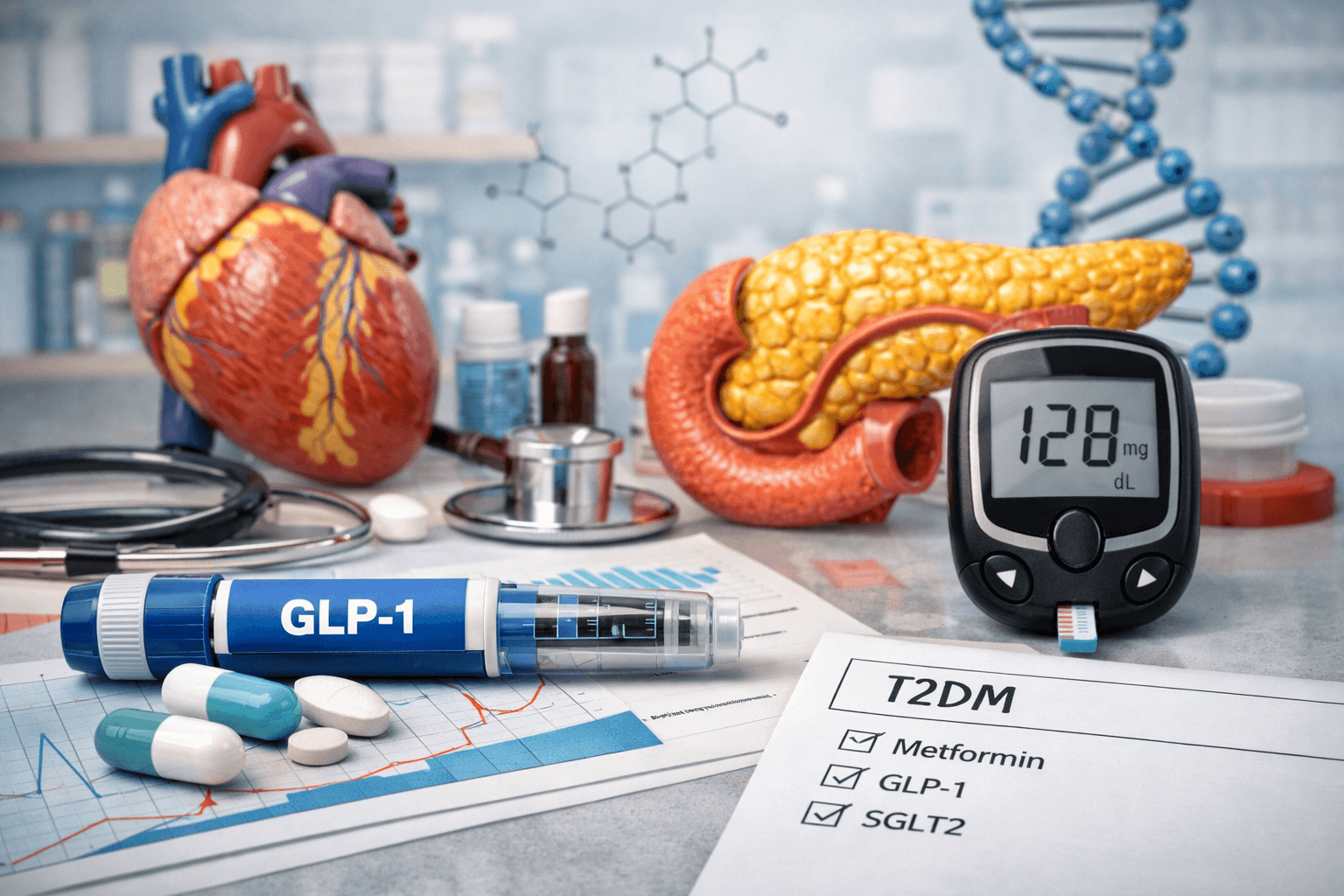
GLP-1 (Glucagon-like peptide-1) receptor agonists are medications used primarily for type 2 diabetes and weight loss management. They work by regulating blood sugar levels, slowing digestion, and reducing appetite.
However, these treatments require strict adherence to dosage schedules and regular monitoring to ensure safety and effectiveness.
Why Patient Adherence is Critical in GLP-1 Therapy
Non-adherence to GLP-1 medication schedules can lead to reduced effectiveness, poor health outcomes, and increased risk of complications. Digital platforms help bridge this gap by ensuring patients follow prescribed treatment plans consistently.
| Factor | Without Digital Monitoring | With Digital Platforms |
|---|---|---|
| Medication adherence | Inconsistent | Highly consistent |
| Patient engagement | Low | High |
| Monitoring accuracy | Manual & error-prone | Real-time automated |
| Clinical outcomes | Variable | Improved |
How Digital Platforms Support GLP-1 Treatment
1. Automated Medication Reminders
Patients receive push notifications and alerts reminding them to take their GLP-1 medication on time, reducing missed doses.
2. Real-Time Health Monitoring
Integration with wearable devices and mobile apps allows continuous tracking of weight, glucose levels, and other vital signs.
3. Telemedicine Support
Patients can consult healthcare professionals remotely to adjust dosage or report side effects.
4. Personalized Treatment Plans
AI-driven systems analyze patient data to optimize treatment schedules and dietary recommendations.
5. Progress Tracking Dashboards
Patients and doctors can view real-time progress reports to evaluate treatment effectiveness.
Core Features of a GLP-1 Monitoring Platform
| Feature | Description |
|---|---|
| Medication Tracking | Logs dosage history and adherence |
| Smart Reminders | Automated alerts for injections or oral medication |
| Health Data Integration | Syncs glucose and weight data |
| Doctor Dashboard | Real-time patient monitoring interface |
| Teleconsultation | Virtual communication with healthcare providers |
| AI Analytics | Predicts patient outcomes and risks |
Role of Digital Platforms in Improving Patient Adherence
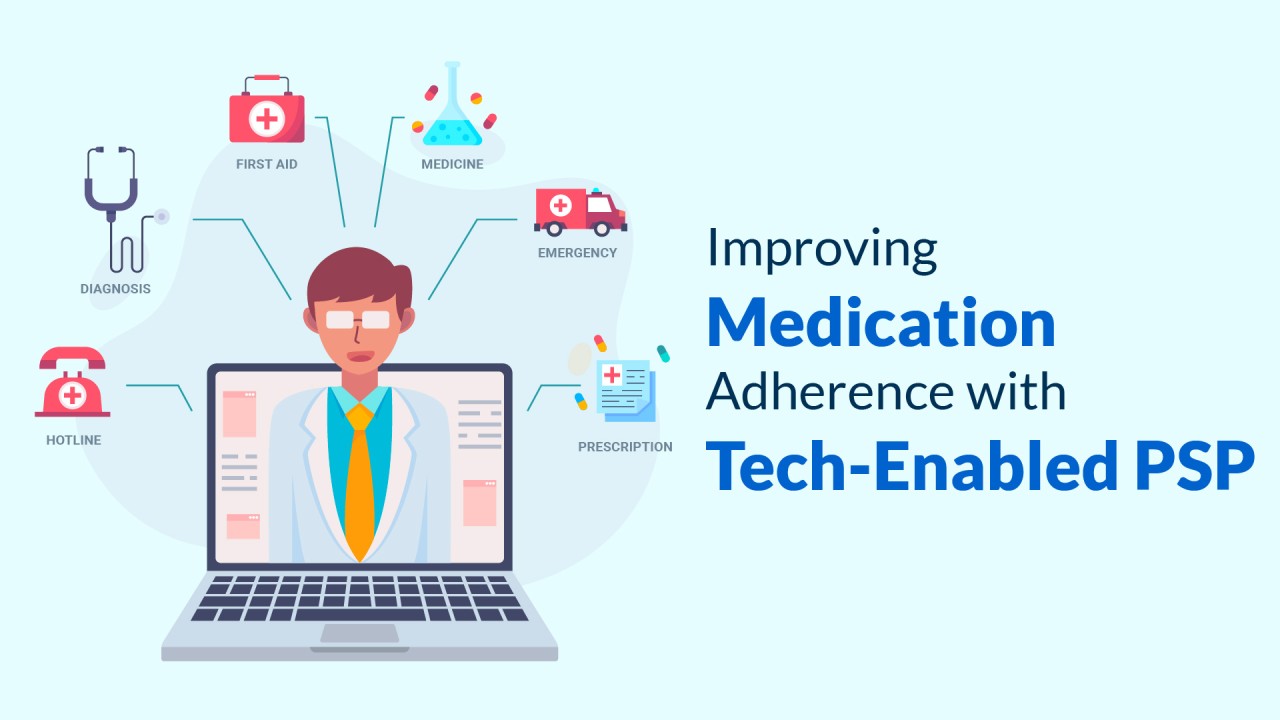
1. Behavioral Nudging
Apps use reminders, rewards, and motivational messages to encourage patients to follow treatment plans.
2. Continuous Engagement
Regular notifications and health tips keep patients engaged throughout their treatment journey.
3. Simplified Communication
Patients can easily communicate with doctors without waiting for in-person appointments.
4. Data Transparency
Patients can see their progress clearly, which motivates adherence to treatment.
Technology Stack for GLP-1 Platforms
| Layer | Technologies |
|---|---|
| Frontend | React, Flutter, Angular |
| Backend | Node.js, Python, .NET |
| Database | MongoDB, PostgreSQL |
| Cloud | AWS, Azure |
| AI/ML | Predictive analytics, recommendation systems |
Use Cases of GLP-1 Digital Platforms
- Diabetes management apps
- Weight loss medication tracking systems
- Pharmacy delivery integration platforms
- Telehealth chronic care systems
- Clinical trial monitoring tools
Impact on Healthcare Outcomes
| Metric | Before Digital Support | After Digital Support |
|---|---|---|
| Medication adherence | Low | High |
| Patient engagement | Moderate | High |
| Weight loss success | Inconsistent | Improved |
| Clinical efficiency | Manual tracking | Automated |
Challenges in GLP-1 Digital Platforms
- Ensuring data privacy and compliance
- Integration with healthcare systems
- Patient behavioral consistency
- Device compatibility issues
Best Practices for Development

- Focus on HIPAA/GDPR compliance
- Use secure cloud infrastructure
- Implement AI-based personalization
- Design user-friendly interfaces
- Ensure real-time data synchronization
Future Trends in GLP-1 Digital Monitoring
- AI-powered dosage optimization
- Smart injectable devices integration
- Predictive health risk analysis
- Fully automated chronic care systems
Conclusion
Digital platforms are revolutionizing GLP-1 treatment by improving patient adherence, enabling real-time monitoring, and enhancing clinical decision-making. These technologies ensure that patients receive consistent, personalized care throughout their treatment journey.
As demand for advanced metabolic and weight management therapies continues to grow, digital solutions will play a critical role in ensuring treatment success.
📞 Call to Action
Want to build a powerful GLP-1 monitoring and drug delivery platform?
📧 Email: [email protected]
📱 WhatsApp: +91.9586979730
Partner with Developers App India BM Coder to develop secure, scalable, and intelligent healthcare software solutions for modern treatment needs.
Blog ID: 1491Author: parth
Date: 25-04-2026
We to code. It's our passion








you can also reach us at our given
email address or phone number.