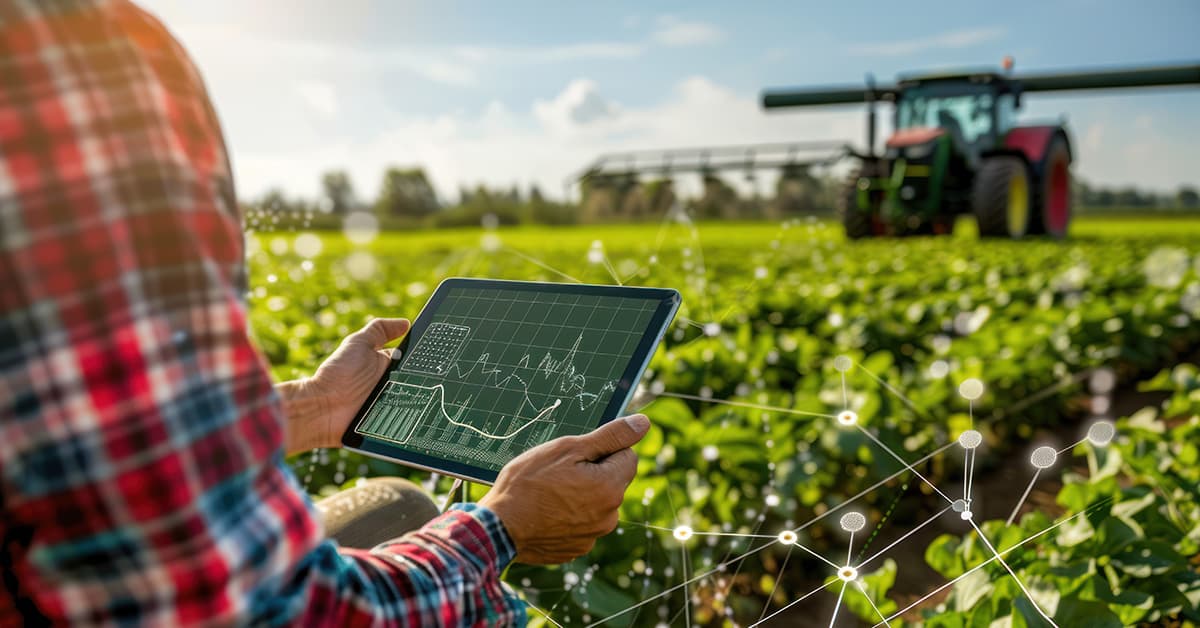
The agricultural landscape is undergoing a profound transformation driven by digital innovation. Farmers and field officers, once reliant on manual processes, intuition, and delayed data, are now leveraging powerful digital tools to access real-time insights. These technologies are not just enhancing productivity—they are redefining how agriculture operates in a rapidly changing world.
From mobile applications to IoT-enabled devices and AI-powered analytics, digital tools are bridging the gap between data and action. They empower stakeholders across the agricultural ecosystem to make smarter, faster, and more informed decisions.
If you're looking to build robust digital solutions tailored for agriculture, explore our custom mobile app development designed to deliver scalable, real-time, and user-friendly applications.
The Need for Real-Time Insights in Agriculture
Agriculture is inherently dynamic. Weather patterns shift, soil conditions change, pest infestations emerge unexpectedly, and market prices fluctuate. In such an environment, timely information is critical.
Traditional farming methods often rely on delayed or generalized information, leading to inefficiencies such as overuse of resources, crop losses, and reduced profitability. Real-time insights help address these challenges by enabling:
- Immediate response to environmental changes
- Efficient resource utilization
- Improved crop yield and quality
- Better risk management
- Enhanced communication between stakeholders
Key Digital Tools Transforming Agriculture
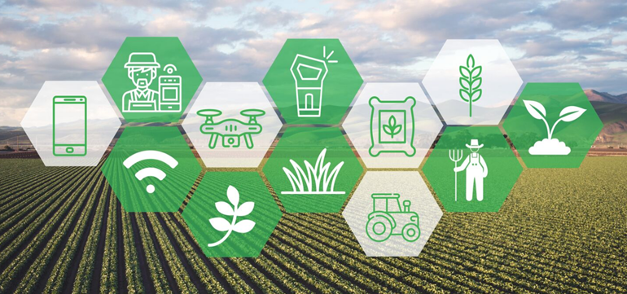
1. Mobile Applications
Mobile apps serve as the central hub for digital agriculture. Farmers and field officers can access weather updates, soil data, crop advisory, and market prices directly from their smartphones.
2. Internet of Things (IoT) Devices
IoT sensors collect real-time data from the field, including soil moisture, temperature, humidity, and crop health indicators.
3. Satellite and Drone Technology
These technologies provide aerial insights into crop health, irrigation needs, and land usage patterns.
4. Artificial Intelligence and Machine Learning
AI algorithms analyze large datasets to provide predictive insights, such as pest outbreaks or optimal harvesting times.
5. Cloud Computing
Cloud platforms store and process vast amounts of agricultural data, enabling seamless access and collaboration.
How Digital Tools Empower Farmers
Real-Time Decision Making
With access to live data, farmers can make informed decisions about irrigation, fertilization, and pest control. For example, soil moisture sensors can trigger irrigation only when necessary, conserving water.
Precision Farming
Digital tools enable precision agriculture, where inputs are applied in exact amounts based on real-time needs, reducing waste and increasing efficiency.
Market Intelligence
Farmers can track market prices in real time, helping them decide when and where to sell their produce for maximum profit.
Weather Forecasting
Accurate weather predictions allow farmers to plan activities such as planting and harvesting more effectively.
How Field Officers Benefit from Digital Tools
Efficient Data Collection
Field officers can collect and upload data directly from the field using mobile apps, eliminating paperwork and reducing errors.
Improved Monitoring
Supervisors can monitor field activities in real time, ensuring compliance and efficiency.
Better Communication
Digital platforms facilitate seamless communication between field officers, farmers, and central offices.
Data-Driven Advisory
Field officers can provide more accurate recommendations based on real-time data and analytics.
Core Features of Agritech Mobile Applications
| Feature | Description | Benefit |
|---|---|---|
| Real-Time Data Sync | Instant updates from field to cloud | Accurate and timely insights |
| Offline Functionality | Works without internet connectivity | Ensures usability in remote areas |
| Geo-Tagging | Location-based data tracking | Improved monitoring and analysis |
| Push Notifications | Alerts and reminders | Quick response to critical events |
| Analytics Dashboard | Visual representation of data | Better decision-making |
Benefits of Real-Time Insights in Agriculture
| Aspect | Traditional Approach | Digital Approach |
|---|---|---|
| Data Availability | Delayed | Real-time |
| Decision Making | Reactive | Proactive |
| Resource Usage | Inefficient | Optimized |
| Crop Yield | Variable | Improved |
| Risk Management | Limited | Enhanced |
Challenges in Implementing Digital Agriculture Tools
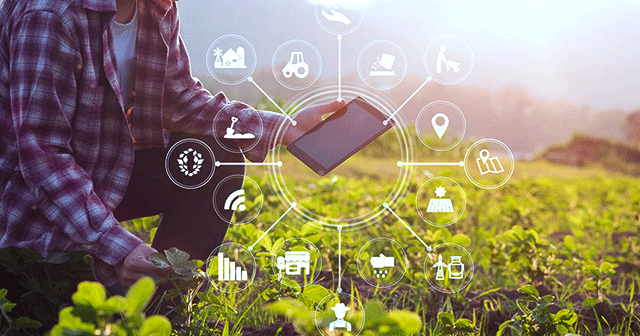
While the benefits are substantial, implementing digital tools in agriculture comes with challenges:
- Limited digital literacy among farmers
- High initial investment costs
- Connectivity issues in rural areas
- Data privacy and security concerns
- Integration with existing systems
Addressing these challenges requires thoughtful design, user-friendly interfaces, and scalable architectures.
Best Practices for Developing Agritech Solutions
- Design intuitive and easy-to-use interfaces
- Ensure offline functionality for remote areas
- Use scalable cloud infrastructure
- Implement strong data security measures
- Provide multilingual support
- Offer training and onboarding for users
Real-World Use Cases
1. Smart Irrigation Systems
Automated irrigation based on real-time soil moisture data reduces water usage and improves crop health.
2. Pest and Disease Monitoring
AI-powered tools identify pests and diseases early, enabling timely intervention.
3. Supply Chain Optimization
Digital platforms track produce from farm to market, ensuring transparency and efficiency.
4. Government and NGO Programs
Field officers use mobile apps to monitor and report on agricultural initiatives.
The Role of Offline-First Technology

In many agricultural regions, internet connectivity is unreliable. Offline-first technology ensures that apps remain functional even without network access.
Data is stored locally and synced when connectivity is restored, ensuring no information is lost. This is particularly important for field officers working in remote locations.
Future Trends in Digital Agriculture
The future of agriculture is digital, and several emerging trends are set to further enhance real-time insights:
- AI-driven predictive analytics
- Blockchain for supply chain transparency
- Advanced drone monitoring
- Integration with climate data systems
- Hyper-local weather forecasting
Why Choose BM Coder for Agritech App Development?
Developers App India BM Coder specializes in building high-performance, scalable, and user-centric digital solutions for agriculture. Our expertise in mobile app development, cloud integration, and real-time data systems ensures that your agritech platform delivers maximum impact.
We understand the unique challenges of the agricultural sector and design solutions that are practical, reliable, and future-ready.
Get Started with Your Agritech Solution
Conclusion
Digital tools are revolutionizing agriculture by providing farmers and field officers with real-time insights that drive smarter decisions and better outcomes. From improving crop yields to optimizing resource usage, these technologies are essential for modern farming.
As the agricultural sector continues to evolve, adopting digital solutions will no longer be optional—it will be a necessity. By investing in the right tools and technologies, businesses and organizations can empower farmers, enhance productivity, and contribute to sustainable agricultural growth.
Partner with BM Coder to build innovative agritech solutions that deliver real-time insights and long-term value.
Blog ID: 1464Author: parth
Date: 22-04-2026
We to code. It's our passion









you can also reach us at our given
email address or phone number.