In today’s hyper-connected global economy, enterprise supply chains have become more complex than ever before. Businesses operate across multiple geographies, manage diverse supplier networks, and must meet increasing customer expectations for speed, transparency, and reliability. Traditional supply chain systems struggle to keep up with this complexity, leading enterprises to adopt scalable digital platforms that can handle dynamic operations efficiently.
To stay competitive, organizations are investing in enterprise logistics app development that provide flexibility, scalability, and real-time visibility. These platforms empower enterprises to streamline operations, reduce costs, and enhance decision-making across the supply chain.
Understanding Complexity in Enterprise Supply Chains
Enterprise supply chains involve multiple stakeholders, including manufacturers, suppliers, distributors, logistics providers, and customers. Managing these interconnected networks requires advanced systems capable of handling high volumes of data and transactions.
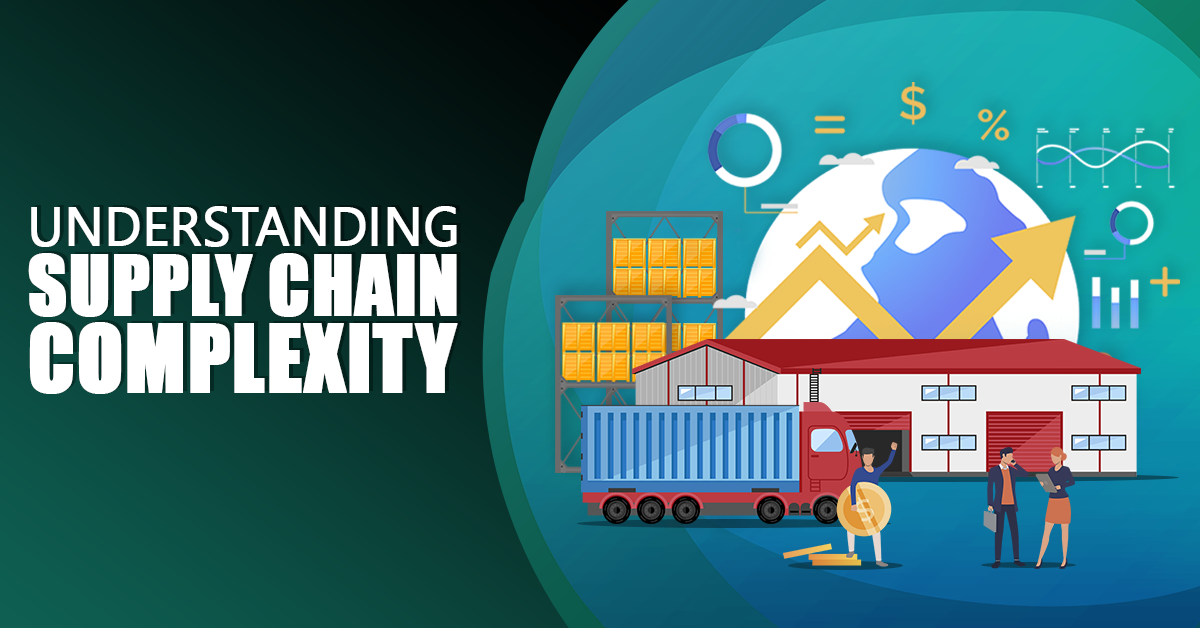
Complexity arises from factors such as global sourcing, fluctuating demand, regulatory requirements, and the need for real-time coordination.
Key Elements of Supply Chain Complexity
- Multiple suppliers and vendors across regions
- High volume of transactions and data
- Demand variability and forecasting challenges
- Regulatory compliance requirements
- Integration with legacy systems
Challenges Faced by Enterprises
| Challenge | Description | Impact |
|---|---|---|
| Lack of Visibility | Limited real-time insights | Delayed decision-making |
| Operational Inefficiencies | Manual processes and errors | Increased costs |
| Scalability Issues | Systems unable to handle growth | Performance bottlenecks |
| Data Silos | Disconnected systems | Poor collaboration |
Role of Scalable Platforms in Supply Chain Management
1. Centralized Data Management
Scalable platforms consolidate data from multiple sources into a single system, providing a unified view of operations.
2. Real-Time Visibility
Enterprises can track shipments, inventory levels, and order statuses in real time, enabling proactive decision-making.
3. Automation of Processes
Automation reduces manual intervention in tasks such as order processing, inventory updates, and reporting.
4. Flexible Infrastructure
Cloud-based platforms allow enterprises to scale resources based on demand, ensuring optimal performance.
Core Components of Enterprise Logistics Platforms
| Component | Function | Benefit |
|---|---|---|
| Warehouse Management System (WMS) | Manages inventory and storage | Improved accuracy |
| Transportation Management System (TMS) | Optimizes shipping and routes | Reduced costs |
| Order Management System (OMS) | Handles order lifecycle | Enhanced customer experience |
| Analytics Dashboard | Provides insights | Better decision-making |
Scale Your Enterprise Logistics Operations
Build a powerful and scalable logistics platform tailored to your enterprise needs.
Email: [email protected]
WhatsApp: +91 9586979730
Technologies Driving Scalable Supply Chains
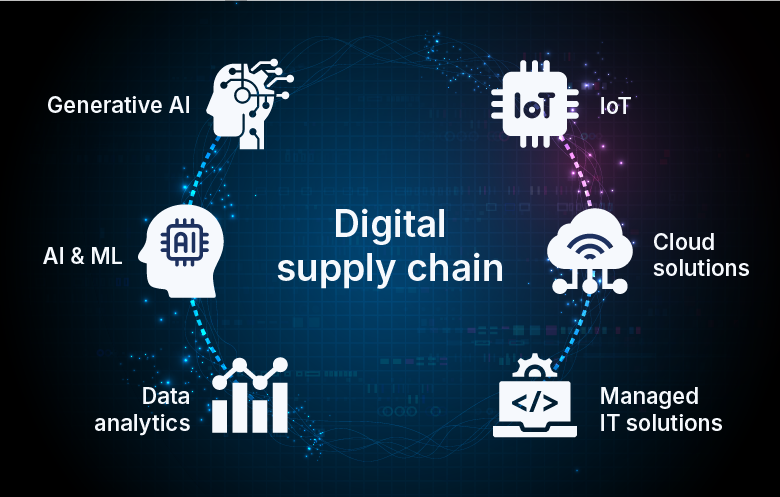
Cloud Computing
Cloud platforms provide the flexibility and scalability required to manage large-scale operations without heavy infrastructure investments.
Artificial Intelligence (AI)
AI enables demand forecasting, route optimization, and predictive analytics.
Internet of Things (IoT)
IoT devices provide real-time tracking of shipments and assets.
Blockchain Technology
Blockchain ensures transparency and security in transactions.
Benefits of Scalable Logistics Platforms
- Improved operational efficiency
- Enhanced visibility and control
- Reduced costs and waste
- Better customer satisfaction
- Ability to handle growth and expansion
Best Practices for Managing Complex Supply Chains
| Practice | Description |
|---|---|
| Data Integration | Connect all systems for seamless data flow |
| Process Automation | Reduce manual tasks |
| Continuous Monitoring | Track performance metrics |
| Scalable Architecture | Design systems for future growth |
Future Trends in Enterprise Supply Chains
| Trend | Description | Impact |
|---|---|---|
| Digital Twins | Virtual models of supply chains | Improved planning |
| Autonomous Logistics | Self-operating systems | Reduced human intervention |
| AI-Driven Insights | Advanced analytics | Better decision-making |
Transform Your Supply Chain with Scalable Solutions
Partner with experts to develop enterprise-grade logistics platforms.
Email: [email protected]
WhatsApp: +91 9586979730
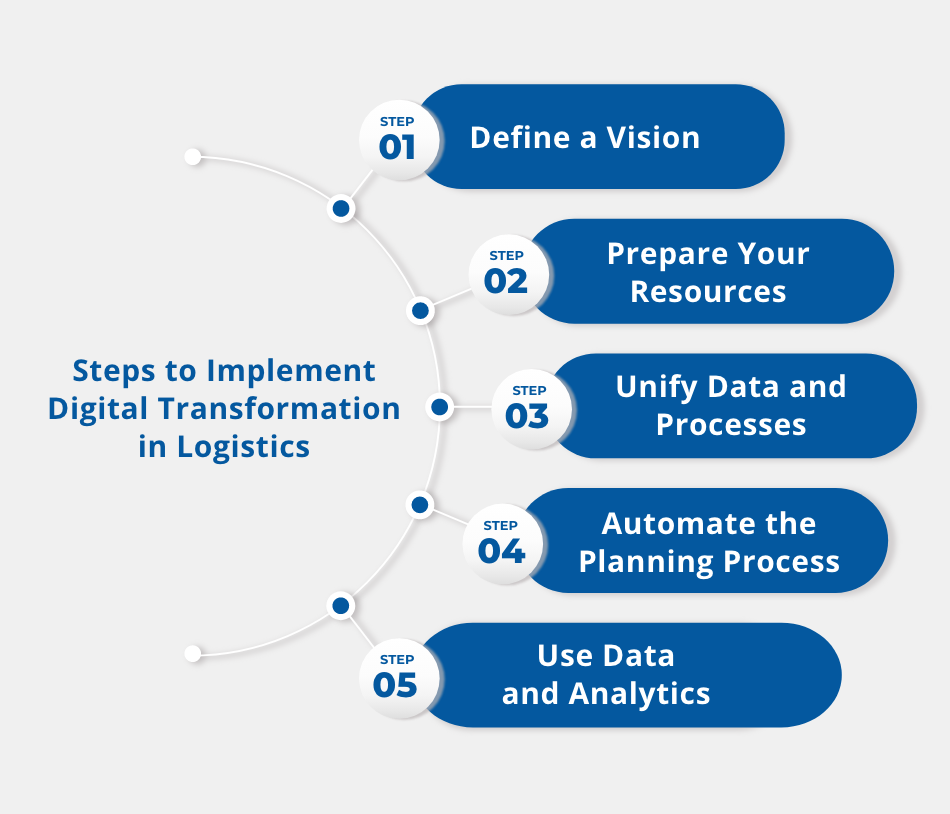
Steps to Implement a Scalable Logistics Platform
| Step | Description |
|---|---|
| Assessment | Evaluate current systems and gaps |
| Planning | Define goals and requirements |
| Development | Build or customize the platform |
| Integration | Connect with existing systems |
| Deployment | Launch and train users |
| Optimization | Continuously improve performance |
Conclusion
Managing complex supply chains requires more than traditional systems—it demands scalable, flexible, and intelligent platforms. By leveraging modern technologies and adopting best practices, enterprises can overcome challenges and achieve operational excellence.
Investing in enterprise logistics app development enables businesses to streamline operations, enhance visibility, and prepare for future growth. As supply chains continue to evolve, scalable platforms will remain a critical component of success.
Blog ID: 1454Author: parth
Date: 17-04-2026
We to code. It's our passion










you can also reach us at our given
email address or phone number.