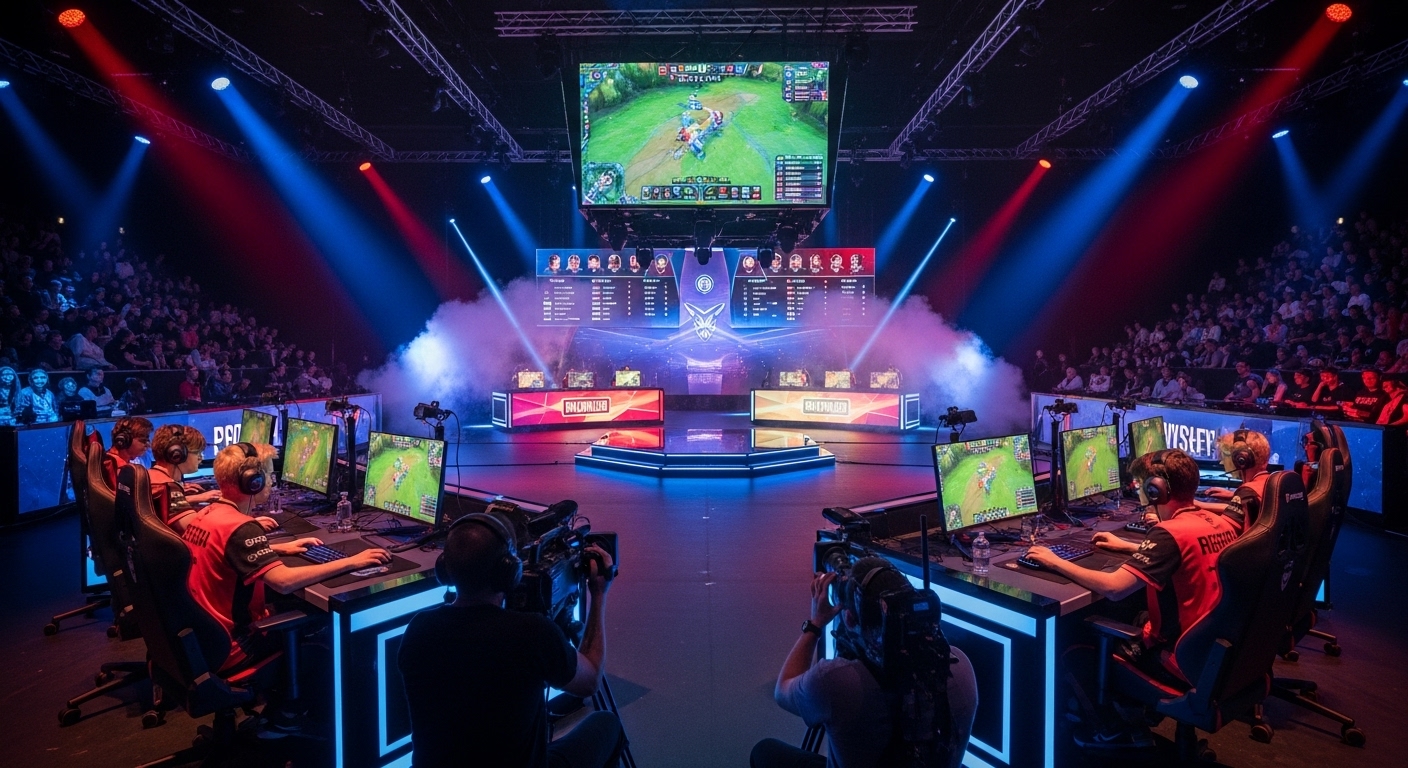
The esports industry has rapidly evolved into a global entertainment powerhouse, attracting millions of players and spectators across continents. Competitive gaming is no longer limited to casual online matches; it now involves professional tournaments, streaming events, fan communities, sponsorships, and large-scale digital ecosystems. At the center of this growth are esports platforms—advanced digital systems designed to connect gamers, fans, and organizers through seamless experiences.
Esports platforms provide a wide range of services including live tournament streaming, competitive matchmaking, leaderboards, community engagement tools, real-time statistics, and player profiles. These platforms play a critical role in building strong gaming communities and keeping users engaged for extended periods.
Companies aiming to develop scalable gaming platforms often collaborate with a specialized Esports App Development Company to create powerful, interactive, and scalable applications tailored to the needs of competitive gaming communities.
This article explores how esports platforms successfully engage global gaming communities, the technologies that power these platforms, the features that drive player participation, and how businesses can build next-generation esports applications.
The Global Growth of Esports
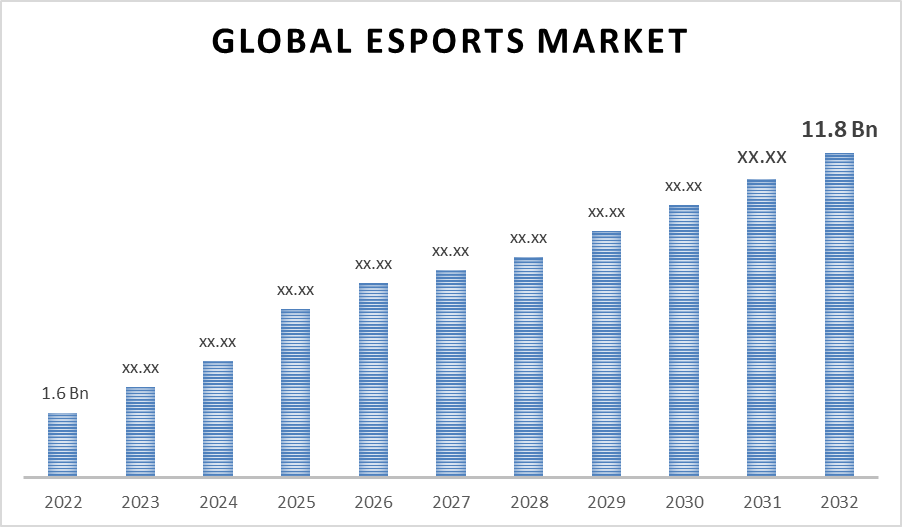
Over the past decade, esports has transformed from a niche hobby into a multi-billion-dollar global industry. Competitive gaming now rivals traditional sports in terms of viewership, sponsorship, and fan engagement.
Massive Global Audience
Millions of viewers tune in to watch esports tournaments every year. Major events attract audiences comparable to global sporting competitions.
Professional Gaming Ecosystem
Professional esports teams, coaches, analysts, and tournament organizers have created a structured ecosystem similar to traditional sports leagues.
Streaming Platforms and Content Creation
Live streaming platforms allow gamers to broadcast matches and interact directly with their audience, strengthening the sense of community.
Cross-Platform Accessibility
Gamers can participate in esports competitions through PCs, consoles, and mobile devices, making esports accessible to players worldwide.
The Role of Esports Platforms in Community Engagement
Esports platforms serve as the digital foundation for competitive gaming communities. These platforms bring together players, fans, tournament organizers, and sponsors in a single ecosystem.
Centralized Gaming Communities
Instead of fragmented experiences across different websites or apps, esports platforms centralize gaming activities such as tournaments, rankings, live streams, and discussions.
Continuous Player Engagement
Unlike traditional sports that occur on scheduled days, gaming communities remain active daily. Platforms provide constant engagement opportunities through tournaments, rankings, and interactive features.
Global Player Interaction
Gamers from different countries can compete, communicate, and collaborate within the same platform.
Key Features That Drive Engagement in Esports Platforms

Successful esports platforms incorporate features designed to attract players and keep them engaged over long periods.
Player Profiles and Rankings
Player profiles allow gamers to showcase their achievements, statistics, and gaming history.
- Skill rankings
- Win-loss records
- Tournament achievements
- Gaming history
Rankings create a competitive environment that motivates players to improve their performance.
Matchmaking Systems
Advanced matchmaking algorithms pair players with opponents of similar skill levels, ensuring balanced and competitive matches.
This improves the gaming experience and keeps players engaged.
Online Tournaments
Competitive tournaments are the backbone of esports platforms.
- Daily competitions
- Seasonal leagues
- Community tournaments
- Professional esports events
Tournaments create excitement and encourage players to return regularly.
Live Streaming and Spectator Modes
Fans can watch competitive matches live through integrated streaming systems.
Features include:
- Live commentary
- Interactive chat
- Real-time statistics
- Multi-camera viewing angles
Leaderboards and Achievements
Leaderboards highlight top-performing players and teams. Gamification elements such as badges and achievements reward active participation.
Community Interaction Tools
Esports platforms often include social features that allow gamers to interact.
- Discussion forums
- Team creation
- Private messaging
- Fan communities
Gamification Strategies in Esports Platforms
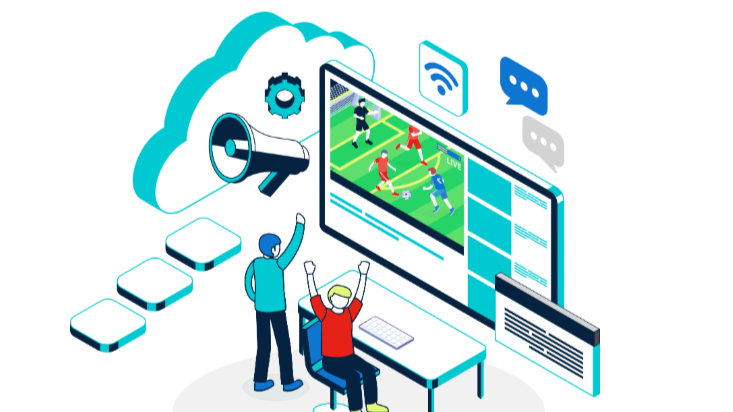
Gamification plays a major role in maintaining long-term user engagement.
Progression Systems
Players earn experience points and level up as they compete in matches.
Reward Systems
Rewards such as in-game items, currency, or tournament entries motivate players to stay active.
Seasonal Challenges
Seasonal events introduce new challenges and rewards, encouraging players to participate regularly.
Technology Behind Modern Esports Platforms
Building a high-performance esports platform requires a robust technology stack.
Cloud Infrastructure
Cloud servers provide scalability, ensuring that platforms can handle thousands or even millions of concurrent players.
Real-Time Communication Technology
WebSockets and real-time communication frameworks enable instant gameplay updates, chat features, and live statistics.
AI and Machine Learning
AI technologies are used for:
- Skill-based matchmaking
- Cheat detection
- Player behavior analysis
- Personalized game recommendations
High-Performance Game Servers
Dedicated game servers ensure low latency and smooth gameplay.
Data Analytics
Analytics tools provide insights into player behavior, match performance, and engagement patterns.
Monetization Opportunities for Esports Platforms
Esports platforms generate revenue through multiple channels.
Tournament Entry Fees
Players may pay entry fees to participate in competitive tournaments.
In-App Purchases
Gamers can purchase cosmetic items, premium features, or virtual currencies.
Advertising and Sponsorship
Brands sponsor esports events and advertise within gaming platforms.
Subscription Plans
Premium memberships may provide exclusive tournaments, advanced analytics, or ad-free experiences.
Benefits of Esports Platforms for Gaming Communities
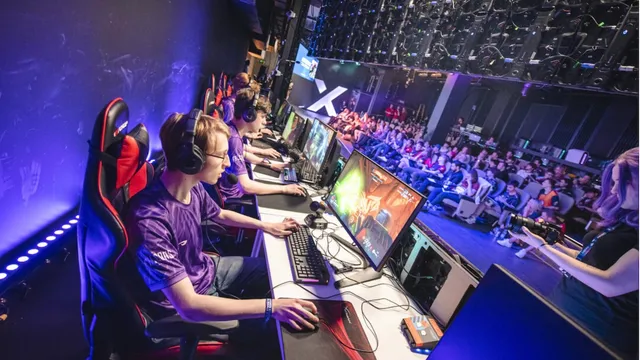
Global Connectivity
Players from different regions can compete and collaborate easily.
Career Opportunities
Esports platforms provide opportunities for gamers to become professional players, streamers, or coaches.
Skill Development
Competitive environments help players improve their strategies and teamwork.
Community Building
Gamers develop friendships and networks within esports communities.
Challenges in Building Esports Platforms
Despite their growth, esports platforms face several challenges.
Server Performance
Competitive gaming requires extremely low latency and reliable servers.
Cheating and Fair Play
Anti-cheat systems are essential for maintaining fair competition.
Scalability
Major tournaments can attract millions of viewers and players simultaneously.
Community Moderation
Platforms must monitor player behavior to prevent harassment and toxic interactions.
The Future of Esports Platforms
The esports industry continues to evolve with emerging technologies.
Virtual Reality Gaming
VR technology may create immersive esports competitions.
Blockchain-Based Rewards
Blockchain could enable secure digital asset ownership and reward distribution.
AI-Powered Coaching Tools
AI systems may analyze gameplay and provide coaching suggestions.
Metaverse Gaming Communities
Future esports platforms may exist in virtual worlds where players interact through avatars.
Why Choose BM Coder for Esports App Development?
Developing a powerful esports platform requires expertise in real-time systems, scalable infrastructure, and engaging user experiences.
BM Coder is a trusted software development company that specializes in building advanced gaming and esports platforms designed for global communities.
Our esports development services include:
- Custom esports platform development
- Real-time multiplayer infrastructure
- Online tournament systems
- Leaderboards and ranking systems
- Community and social features
- Cloud-based scalable architecture
Build Your Esports Platform with BM Coder
🎮 Launch Your Esports Platform Today
Want to create a powerful esports platform that connects gamers worldwide?
📧 Email us: [email protected]
💬 WhatsApp us: +91 9586979730
Contact BM Coder today and start building your next-generation esports application.
Conclusion
Esports platforms have become the backbone of the competitive gaming industry. By combining real-time competition systems, community engagement features, live streaming, and advanced analytics, these platforms bring together players and fans from around the world.
As esports continues to grow, the demand for scalable and engaging platforms will only increase. Businesses that invest in esports technology today can tap into one of the fastest-growing digital entertainment markets.
With the expertise of a reliable development partner like BM Coder, organizations can build innovative esports platforms that empower competitive gaming communities and deliver unforgettable experiences.
Blog ID: 1075Author: parth
Date: 12-03-2026
We to code. It's our passion









you can also reach us at our given
email address or phone number.