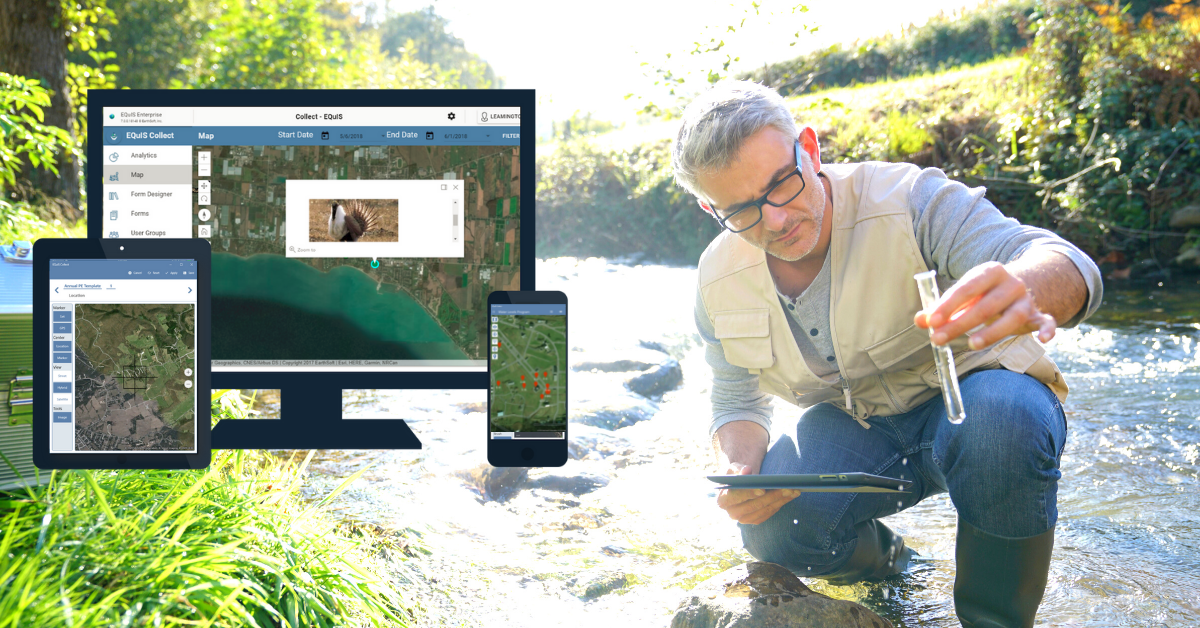
Field operations are the backbone of many industries, from agriculture and infrastructure to healthcare and utilities. However, one of the biggest challenges organizations face is collecting accurate, real-time data in remote areas where internet connectivity is weak, unstable, or completely unavailable.
To overcome these challenges, businesses are investing in advanced custom mobile app development for field data collection that supports offline functionality and seamless synchronization. These platforms are engineered to perform reliably under harsh conditions, ensuring that data is captured, stored, and transmitted efficiently regardless of connectivity constraints.
In this in-depth guide, we explore the architecture, technologies, and best practices used to build high-performance field data collection platforms designed specifically for remote and low-connectivity environments.
1. The Reality of Remote Field Operations
Before diving into development strategies, it’s important to understand the operational realities of field environments. Workers often operate in rural areas, construction sites, forests, or disaster zones where network coverage is limited.
Key Challenges:
- Unreliable or zero internet connectivity
- Limited device battery life
- Harsh environmental conditions
- Low-end or rugged devices
- Need for fast and accurate data capture
| Challenge | Impact on Operations | Technical Solution |
|---|---|---|
| No internet access | Interrupted workflows | Offline-first architecture |
| Data loss risk | Inaccurate reporting | Local storage with backups |
| Battery constraints | Reduced productivity | Optimized app performance |
| Complex interfaces | User errors | Simple UX design |
Understanding these constraints is the first step toward building resilient systems.
2. Offline-First Architecture: The Core Foundation
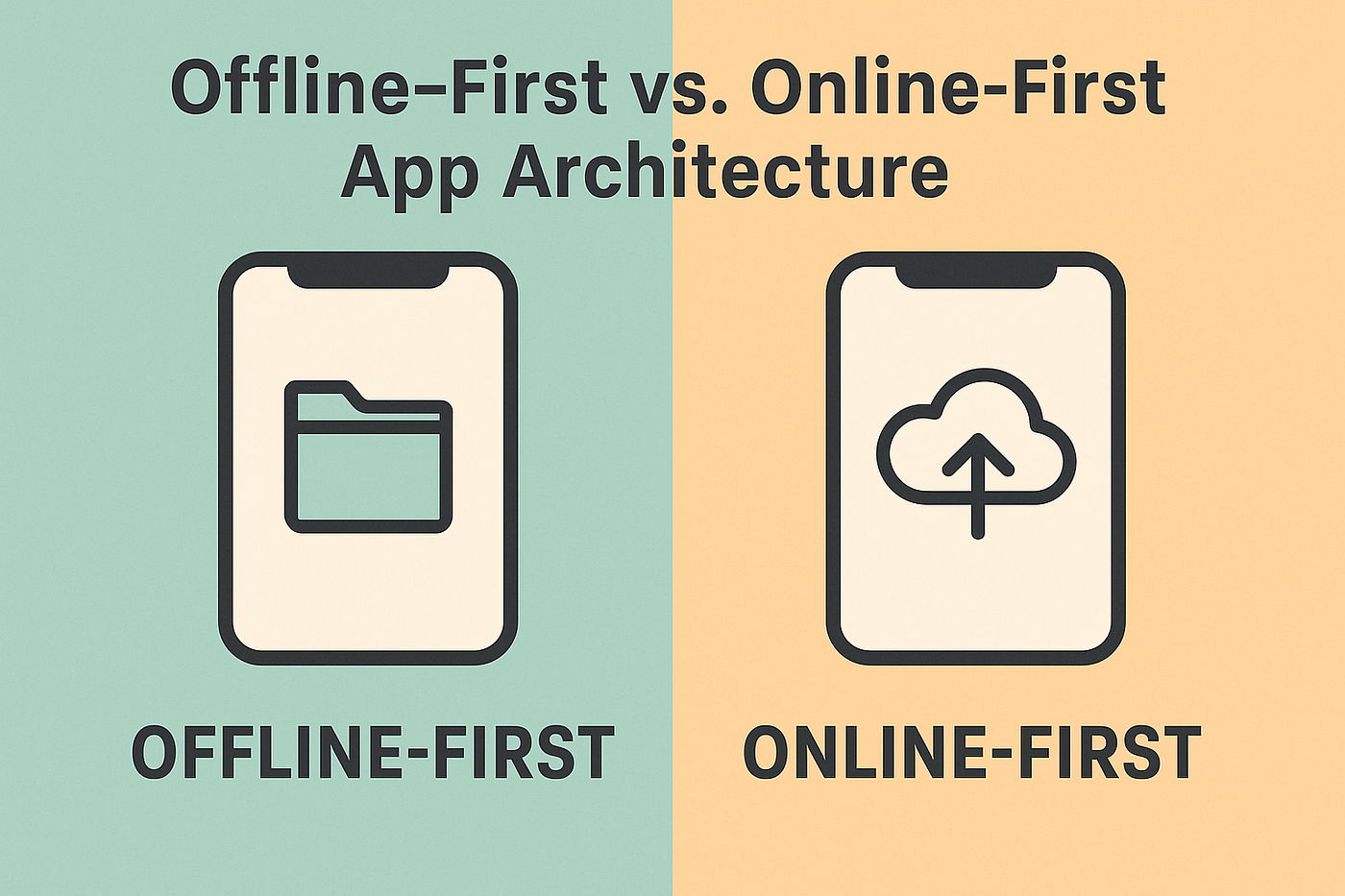
Offline-first architecture is the most critical component of any field data collection platform. Unlike traditional applications that rely on constant connectivity, offline-first systems are designed to function independently.
Core Principles:
- All core features work without internet
- Data is stored locally on the device
- Synchronization happens when connectivity is restored
- System gracefully handles network failures
This approach ensures uninterrupted workflows and a seamless user experience, even in the most remote environments.
3. Local Data Storage Mechanisms
Local storage is essential for offline functionality. Field apps use embedded databases to store collected data securely on the device.
| Technology | Description | Best Use Case |
|---|---|---|
| SQLite | Lightweight relational database | Structured data storage |
| Realm | High-performance mobile database | Real-time mobile apps |
| IndexedDB | Browser-based storage | Web-based offline apps |
These technologies ensure that data remains safe and accessible even during prolonged offline periods.
4. Smart Data Synchronization
Once connectivity is restored, the platform must synchronize local data with central servers. This process must be efficient, secure, and reliable.
Synchronization Strategies:
- Background sync (automatic)
- Manual sync (user-triggered)
- Incremental sync (only changed data)
Efficient synchronization reduces bandwidth usage and ensures data consistency across systems.
🚀 Build Offline-Ready Field Applications
Looking to develop a robust mobile platform for remote field operations?
📧 Email: [email protected]
💬 WhatsApp: +91 9586979730
5. Conflict Resolution Techniques
When multiple users update data offline, conflicts can occur during synchronization. Handling these conflicts effectively is crucial.
| Method | Description |
|---|---|
| Last Write Wins | Latest update overrides previous data |
| Versioning | Tracks changes over time |
| Manual Review | User resolves conflicts |
The choice of strategy depends on the complexity and criticality of the data.
6. Performance Optimization for Low-End Devices

Field devices are often not high-end smartphones. Applications must be optimized for performance and efficiency.
Optimization Techniques:
- Lightweight app design
- Efficient memory usage
- Reduced background processes
- Battery optimization
These optimizations ensure smooth performance even on budget devices.
7. User-Centric Interface Design
Field workers may not have technical expertise, so the application must be simple and intuitive.
Design Considerations:
- Minimal steps for data entry
- Clear instructions
- Large touch-friendly controls
- Offline status indicators
A well-designed interface improves productivity and reduces errors.
8. Data Validation and Accuracy
Ensuring data accuracy is essential for reliable reporting and decision-making.
| Validation Type | Purpose |
|---|---|
| Field validation | Ensures correct input |
| Format checks | Maintains consistency |
| Duplicate detection | Prevents redundant data |
Validation mechanisms help maintain data integrity.
📱 Need a Custom Field Data Collection Solution?
We help businesses build scalable, offline-capable mobile platforms tailored to their needs.
📧 Email: [email protected]
💬 WhatsApp: Chat Now
9. Security in Offline Applications
Security remains critical even when applications operate offline.
Security Measures:
- Data encryption at rest
- Secure authentication
- Device-level protection
- Encrypted synchronization
These measures protect sensitive data from unauthorized access.
10. Integration with Backend Systems
Field data collection platforms must integrate with backend systems such as ERP, CRM, and analytics tools.
Benefits include:
- Centralized data management
- Real-time reporting
- Improved decision-making
Integration transforms raw data into actionable insights.
11. Industry Use Cases
Offline field data collection platforms are widely used across industries:
| Industry | Application |
|---|---|
| Agriculture | Field surveys and crop monitoring |
| Healthcare | Remote patient data collection |
| Construction | Site inspections |
| Utilities | Asset maintenance tracking |
These use cases highlight the versatility of such platforms.
12. Future Trends in Field Data Platforms

Emerging technologies are shaping the future of field data collection:
- AI-powered data insights
- Voice-enabled data entry
- IoT integration
- Edge computing
These innovations will further enhance efficiency and accuracy in field operations.
Conclusion
Building field data collection platforms for remote and low-connectivity environments requires a strategic approach that prioritizes reliability, performance, and user experience. Offline-first architecture, robust synchronization, and intuitive design are key to success.
By leveraging modern technologies and best practices, businesses can empower their field teams to operate efficiently, regardless of connectivity challenges.
Investing in such platforms not only improves operational efficiency but also ensures accurate and timely data collection, enabling smarter decisions and long-term growth.
If you're planning to develop a custom solution, working with experienced developers can help you build a platform that performs reliably in any environment.
Blog ID: 1459Author: parth
Date: 17-04-2026
We to code. It's our passion










you can also reach us at our given
email address or phone number.