
The oil and gas industry operates in one of the most demanding environments in the world. With remote locations, high-risk operations, complex assets, and strict compliance requirements, managing field operations efficiently is critical. In recent years, the adoption of field service mobile applications has transformed how companies manage on-site tasks, workforce coordination, and data collection.
Businesses that invest in custom mobile app development for field operations are gaining a competitive advantage by improving operational visibility, reducing downtime, and enabling real-time decision-making.
In this blog, we explore how field service apps enhance efficiency in oil and gas operations, the key features that drive results, and why adopting a mobile-first strategy is no longer optional.
Understanding the Challenges in Oil and Gas Field Operations
Before diving into the benefits of field service apps, it’s important to understand the unique challenges faced by oil and gas companies:
- Remote and hazardous work environments
- Lack of real-time communication between field and office teams
- Manual data entry leading to errors and delays
- Complex asset tracking and maintenance schedules
- Strict safety and regulatory compliance requirements
- High operational costs due to inefficiencies
Traditional methods like paper-based reporting or outdated software systems can no longer keep up with the pace and complexity of modern operations. This is where mobile field service solutions come into play.
What is a Field Service App?
A field service app is a mobile application designed to help field workers perform tasks more efficiently by providing real-time access to data, job assignments, asset details, and communication tools.
These apps are typically used by technicians, engineers, inspectors, and supervisors in the oil and gas sector to streamline operations such as:
- Equipment inspections
- Maintenance scheduling
- Work order management
- Incident reporting
- Data collection and analysis
Key Ways Field Service Apps Improve Efficiency
1. Real-Time Data Access and Reporting
Field service apps allow technicians to access critical data instantly, including equipment history, maintenance logs, and operational manuals. This eliminates the need to rely on outdated records or contact office teams for information.
Real-time reporting also ensures that data is captured accurately and instantly shared with stakeholders, improving decision-making speed.
2. Improved Workforce Productivity
With automated task assignments and route optimization, field workers can focus on completing jobs rather than managing logistics. Mobile apps provide clear instructions, reducing confusion and errors.
| Traditional Method | With Field Service App |
|---|---|
| Manual job assignment | Automated scheduling and dispatch |
| Paper-based reporting | Digital real-time updates |
| Delayed communication | Instant notifications and messaging |
| Limited visibility | Full operational transparency |
3. Enhanced Communication
Communication gaps between field teams and headquarters can lead to costly delays. Field service apps bridge this gap with built-in messaging, alerts, and notifications.
Supervisors can track progress, provide instructions, and respond to issues instantly, ensuring smoother operations.
4. Predictive Maintenance and Reduced Downtime
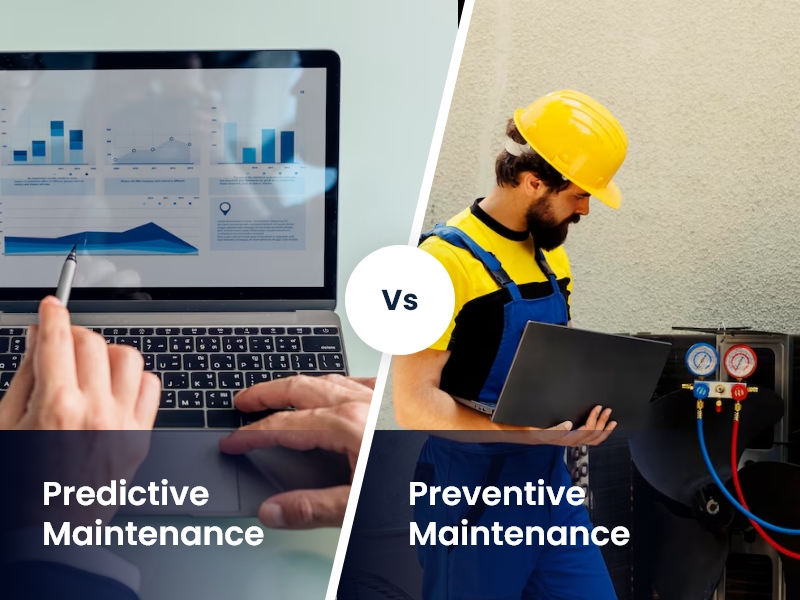
Unplanned equipment failures can result in significant losses. Field service apps integrate with IoT systems and analytics tools to enable predictive maintenance.
This helps identify potential issues before they become critical, reducing downtime and extending equipment lifespan.
5. Improved Safety and Compliance
Safety is a top priority in oil and gas operations. Mobile apps ensure that workers follow safety protocols by providing checklists, guidelines, and real-time alerts.
Digital documentation also makes it easier to maintain compliance with industry regulations.
Core Features of an Oil and Gas Field Service App
To maximize efficiency, a field service app should include the following features:
| Feature | Benefit |
|---|---|
| Offline Access | Work seamlessly in remote locations without internet |
| GPS Tracking | Monitor field workforce and optimize routes |
| Work Order Management | Track and manage tasks efficiently |
| Digital Forms | Eliminate paperwork and reduce errors |
| Photo & Video Capture | Document field conditions accurately |
| Integration Capabilities | Connect with ERP, CRM, and IoT systems |
Benefits of Field Service Apps for Oil and Gas Companies
Operational Efficiency
Automation and real-time visibility streamline workflows, reducing delays and improving overall efficiency.
Cost Reduction
By minimizing downtime, reducing paperwork, and optimizing resource allocation, companies can significantly cut operational costs.
Better Decision Making
Access to accurate, real-time data allows managers to make informed decisions quickly.
Scalability
Mobile apps can easily scale as operations grow, accommodating more users, assets, and locations.
Use Cases in Oil and Gas Operations
1. Equipment Inspection
Technicians can perform inspections using digital checklists and upload reports instantly.
2. Pipeline Monitoring
Field apps enable real-time monitoring and quick response to leaks or damages.
3. Asset Management
Track equipment performance, maintenance schedules, and usage history in one platform.
4. Incident Reporting
Capture and report incidents instantly with photos, videos, and GPS location data.
Challenges in Implementing Field Service Apps

While the benefits are significant, companies may face challenges such as:
- Resistance to change from field workers
- Integration with legacy systems
- Initial development and deployment costs
- Training and onboarding requirements
However, with the right development partner, these challenges can be effectively managed.
Why Custom Field Service Apps Are Better Than Off-the-Shelf Solutions
| Custom App | Off-the-Shelf App |
|---|---|
| Tailored to business needs | Generic features |
| Scalable and flexible | Limited customization |
| Better integration | Compatibility issues |
| Higher ROI | Lower efficiency |
Custom solutions are designed specifically for your workflows, ensuring maximum efficiency and long-term value.
Future Trends in Field Service Technology
- Integration with AI and machine learning
- Use of augmented reality (AR) for remote assistance
- Advanced analytics for predictive insights
- IoT-enabled smart monitoring systems
- Cloud-based platforms for scalability
Companies that adopt these technologies early will gain a significant competitive advantage.
Conclusion
Field service apps are revolutionizing the oil and gas industry by improving efficiency, enhancing safety, and reducing operational costs. With real-time data access, automated workflows, and advanced analytics, these apps empower organizations to operate smarter and faster.
As the industry continues to evolve, investing in a robust mobile field service solution is no longer a luxury—it’s a necessity.
Get Started with a Custom Field Service App
Looking to transform your oil and gas operations with a powerful mobile solution?
Contact our expert development team today to build a tailored field service app that meets your business needs.
📧 Email: [email protected]
📱 WhatsApp: +91 9586979730
Author: parth
Date: 22-04-2026
We to code. It's our passion










you can also reach us at our given
email address or phone number.