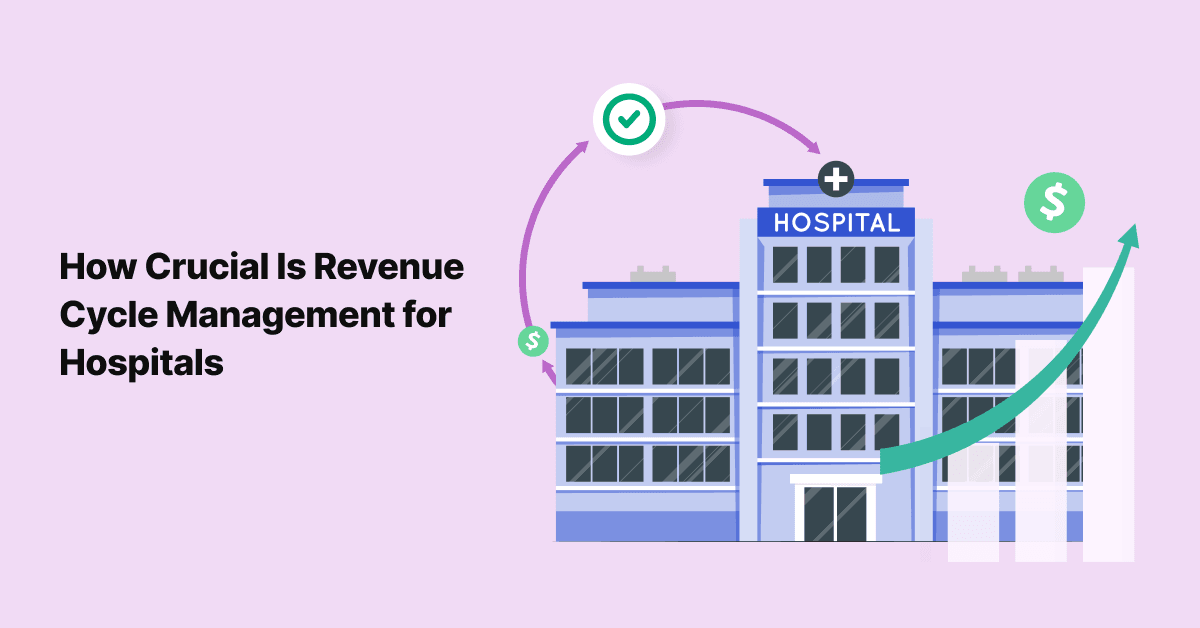
Modern healthcare organizations operate in an increasingly complex financial environment. Hospitals today must manage patient billing, insurance claims, operational expenses, payroll, vendor payments, tax compliance, and revenue cycle management while maintaining quality patient care. Traditional manual accounting methods are no longer sufficient to handle the growing complexity of healthcare financial operations.
Financial systems and hospital accounting software are transforming how healthcare institutions manage costs, improve transparency, optimize revenue, and reduce administrative burdens. These systems provide hospitals with centralized financial management, real-time reporting, automated billing workflows, and advanced analytics that improve operational efficiency and financial sustainability.
Healthcare organizations looking to modernize their financial operations can explore hospital management software development that support healthcare accounting automation, patient billing systems, expense management, and revenue optimization.
In this blog, we will explore how hospital financial systems help healthcare providers control costs, improve profitability, simplify accounting processes, and build efficient revenue management ecosystems.
Why Hospitals Need Advanced Financial Systems

Hospitals handle thousands of financial transactions daily. From patient consultations and surgeries to insurance reimbursements and staff salaries, healthcare financial management involves multiple departments and stakeholders.
Without a centralized accounting system, hospitals often struggle with:
- Billing errors
- Delayed insurance claims
- Poor expense tracking
- Revenue leakage
- Compliance risks
- Manual reporting delays
- Operational inefficiencies
Hospital accounting software solves these challenges by integrating financial operations into a unified platform that automates workflows, improves accuracy, and provides real-time visibility into hospital finances.
What Is Hospital Accounting Software?
Hospital accounting software is a specialized financial management platform designed specifically for healthcare organizations. It helps hospitals manage billing, accounting, budgeting, payroll, inventory expenses, vendor payments, insurance claims, and revenue cycle operations from a centralized system.
Unlike traditional accounting tools, healthcare financial systems are designed to support complex hospital workflows, regulatory compliance, insurance processing, and patient financial management.
Core Features of Hospital Financial Systems
| Feature | Purpose |
|---|---|
| Patient Billing Management | Automates invoice generation and payment tracking |
| Insurance Claims Processing | Manages claim submissions and reimbursements |
| Expense Tracking | Monitors operational and departmental expenses |
| Payroll Management | Handles staff salaries and compensation |
| Financial Reporting | Provides real-time analytics and reports |
| Tax & Compliance Management | Ensures healthcare financial compliance |
| Budget Planning | Supports financial forecasting and budgeting |
How Financial Systems Improve Hospital Revenue Management
Revenue management is critical for healthcare organizations. Hospitals must maintain a balance between quality patient care and financial sustainability. Financial systems help hospitals improve revenue management by streamlining the entire revenue cycle.
Key Revenue Management Functions
- Patient registration and billing
- Insurance verification
- Claims management
- Payment processing
- Accounts receivable tracking
- Revenue forecasting
- Payment reminders and collections
Automated workflows reduce delays and improve payment collection efficiency, helping hospitals maintain stable cash flow.
Reducing Revenue Leakage Through Automation
Revenue leakage is a major issue for hospitals. Missed charges, coding mistakes, claim denials, and manual billing errors can result in significant financial losses.
Hospital accounting software reduces these problems through automation and intelligent validation systems.
Common Causes of Revenue Leakage
| Issue | Financial Impact |
|---|---|
| Incorrect Billing Codes | Insurance claim rejections |
| Missed Service Charges | Lost revenue opportunities |
| Duplicate Entries | Financial reporting inaccuracies |
| Manual Data Errors | Delayed reimbursements |
| Poor Claims Tracking | Outstanding unpaid claims |
Automation improves billing accuracy, validates financial data, and minimizes administrative errors.
Real-Time Financial Visibility for Hospital Administrators
Hospital administrators need immediate access to financial insights to make strategic decisions. Financial systems provide real-time dashboards and reporting tools that help leadership teams monitor performance effectively.
Important Financial Metrics Hospitals Can Track
- Total revenue
- Department-wise expenses
- Insurance reimbursements
- Outstanding payments
- Payroll costs
- Operational profitability
- Cash flow trends
- Inventory spending
Real-time reporting improves transparency and enables hospitals to identify financial risks before they become major problems.
Expense Management and Cost Control
Healthcare operations involve significant operational expenses including medical equipment, medicines, staffing, facility maintenance, utilities, and inventory management.
Hospital accounting software helps healthcare organizations monitor and control these costs more effectively.
Areas Where Financial Systems Help Reduce Costs
| Operational Area | Cost Optimization Benefit |
|---|---|
| Inventory Management | Reduces medicine and equipment waste |
| Payroll Automation | Minimizes payroll processing errors |
| Vendor Payments | Improves supplier payment scheduling |
| Utility Monitoring | Tracks facility operational costs |
| Department Budgeting | Controls overspending |
By improving cost visibility, hospitals can allocate resources more efficiently and improve financial performance.
Insurance Claims Management Simplifies Revenue Collection
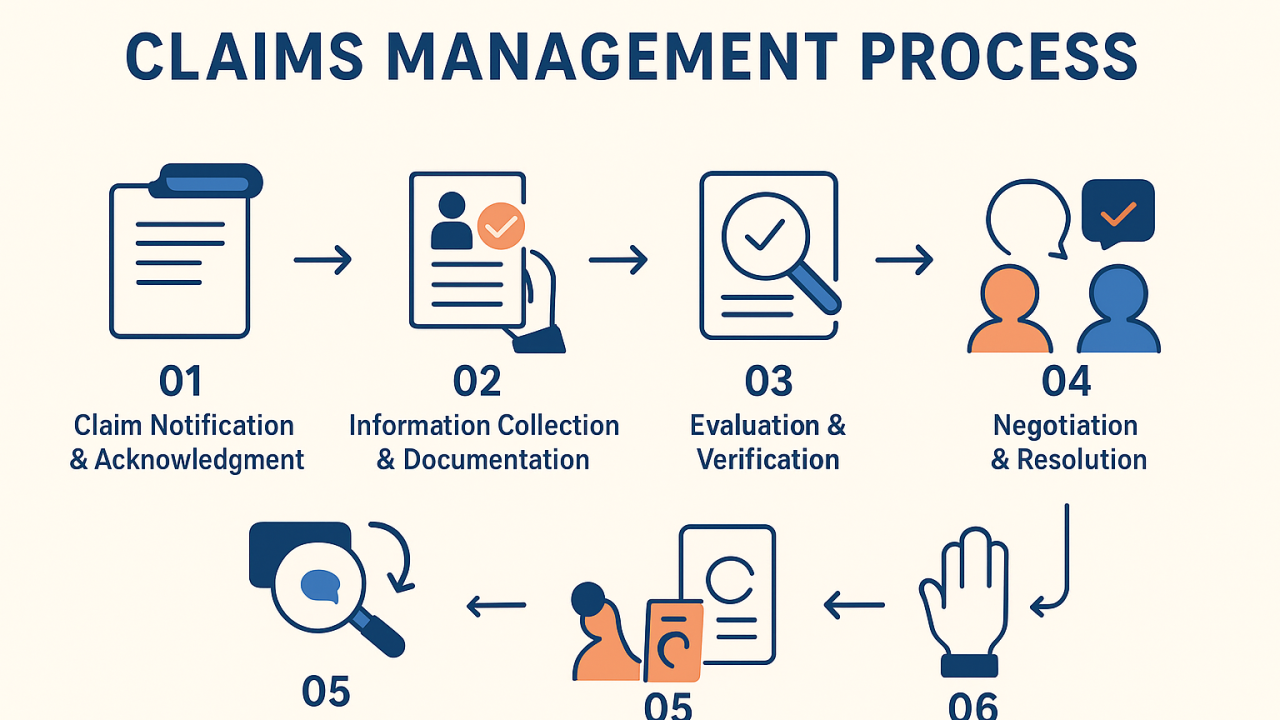
Insurance claims are a major source of hospital revenue. However, manual claim processing is time-consuming and error-prone.
Hospital financial systems automate insurance workflows including:
- Eligibility verification
- Claim generation
- Claim submission
- Denial management
- Reimbursement tracking
- Policy validation
Automation speeds up reimbursements and improves claim approval rates.
Healthcare providers implementing custom healthcare software solutions can integrate accounting, insurance management, patient billing, and operational analytics into a centralized healthcare ecosystem.
Financial Systems Improve Patient Billing Transparency
Patients today expect clear and transparent billing experiences. Confusing invoices and hidden charges reduce patient trust and create billing disputes.
Modern hospital accounting software improves transparency through:
- Detailed digital invoices
- Real-time billing updates
- Insurance coverage breakdowns
- Online payment portals
- Automated billing notifications
- Payment installment management
Transparent billing improves patient satisfaction while reducing administrative workload.
Integration with Hospital Management Systems
Financial systems become even more powerful when integrated with hospital management software, EMR systems, pharmacy software, laboratory systems, and patient portals.
Integrated healthcare ecosystems improve operational efficiency by eliminating data silos and reducing duplicate data entry.
Common System Integrations
- Electronic Medical Records (EMR)
- Hospital Information Systems (HIS)
- Laboratory Management Software
- Pharmacy Management Systems
- Patient Portals
- Insurance Provider Networks
- Payroll Systems
- Inventory Management Platforms
Payroll and Human Resource Financial Management
Hospitals employ doctors, nurses, technicians, administrators, and support staff across multiple departments. Managing payroll manually for large healthcare teams can be extremely difficult.
Hospital accounting software automates payroll operations including:
- Salary calculations
- Attendance-based payroll
- Tax deductions
- Shift allowances
- Bonus management
- Compliance reporting
Payroll automation reduces HR workload and improves financial accuracy.
Data Security and Compliance in Healthcare Financial Systems
Healthcare financial data contains sensitive patient and organizational information. Hospitals must comply with strict healthcare security regulations and financial compliance standards.
Modern hospital accounting software includes advanced security features such as:
- Encrypted financial records
- Role-based access controls
- Secure cloud storage
- Audit logs
- Multi-factor authentication
- Automated compliance reporting
These features help hospitals protect financial information and maintain regulatory compliance.
Cloud-Based Financial Systems Improve Scalability
Cloud-based hospital accounting software allows healthcare providers to access financial data securely from anywhere. This flexibility is especially useful for multi-location hospitals and healthcare networks.
Benefits of Cloud-Based Healthcare Accounting
| Benefit | Description |
|---|---|
| Remote Accessibility | Access financial systems from multiple locations |
| Lower Infrastructure Costs | Reduces hardware investment |
| Automatic Updates | Ensures latest features and security patches |
| Scalability | Supports hospital growth easily |
| Data Backup | Improves disaster recovery capabilities |
AI and Analytics in Hospital Financial Management
Artificial intelligence is changing healthcare financial operations by improving predictive analytics and automation capabilities.
AI Applications in Hospital Accounting
- Revenue forecasting
- Fraud detection
- Automated claim validation
- Expense trend analysis
- Predictive financial planning
- Payment behavior analysis
AI-powered insights help hospitals make smarter financial decisions and improve long-term sustainability.
How Financial Systems Improve Decision-Making
Healthcare leadership teams rely on accurate financial information to make strategic decisions regarding expansion, staffing, budgeting, and operational planning.
Advanced reporting tools help administrators:
- Analyze department profitability
- Monitor resource utilization
- Track operational performance
- Evaluate treatment costs
- Plan future investments
- Improve budgeting accuracy
Better financial visibility supports informed decision-making across the organization.
Challenges Hospitals Face Without Financial Systems

Hospitals relying on outdated accounting processes often experience:
- Manual accounting delays
- Billing disputes
- Cash flow instability
- Insurance claim errors
- Poor financial visibility
- Compliance risks
- Revenue losses
- Administrative inefficiencies
Modern healthcare organizations require digital financial systems to remain competitive and operationally efficient.
Future of Hospital Financial Management Systems
The future of healthcare accounting will focus on automation, AI-driven financial intelligence, interoperability, and patient-centric billing experiences.
Emerging Trends
- Blockchain-based financial records
- AI-powered revenue cycle automation
- Predictive budgeting tools
- Integrated telehealth billing
- Real-time financial analytics
- Digital healthcare payment ecosystems
- Automated compliance management
Hospitals investing in modern financial systems today will be better prepared for future healthcare transformation.
Choosing the Right Hospital Accounting Software
Selecting the right financial system requires evaluating several important factors.
Key Selection Criteria
- Healthcare-specific features
- Scalability
- Security and compliance
- Integration support
- User-friendly interface
- Customization flexibility
- Cloud compatibility
- Reporting and analytics capabilities
An experienced healthcare software development company can help hospitals build customized accounting systems tailored to operational and financial requirements.
Conclusion
Hospital financial systems play a critical role in managing healthcare costs, improving operational efficiency, streamlining billing workflows, and optimizing revenue management. By automating accounting processes and providing real-time financial visibility, these systems help healthcare organizations maintain financial stability while improving patient experiences.
Modern hospital accounting software enables healthcare providers to reduce administrative complexity, improve compliance, increase transparency, and make smarter financial decisions. As healthcare operations continue to grow more complex, advanced financial systems will become essential for sustainable healthcare management.
Hospitals investing in intelligent accounting and revenue management platforms today are building a stronger financial foundation for long-term healthcare growth and innovation.
Contact Developers App India BM Coder
Looking to build a powerful hospital accounting and financial management system?
Developers App India BM Coder specializes in healthcare software development solutions including hospital accounting systems, billing software, healthcare ERP platforms, patient management systems, and custom healthcare automation solutions.
📧 Email: [email protected]
📱 WhatsApp: +91.9586979730
Blog ID: 1556Author: parth
Date: 22-05-2026
We to code. It's our passion







you can also reach us at our given
email address or phone number.