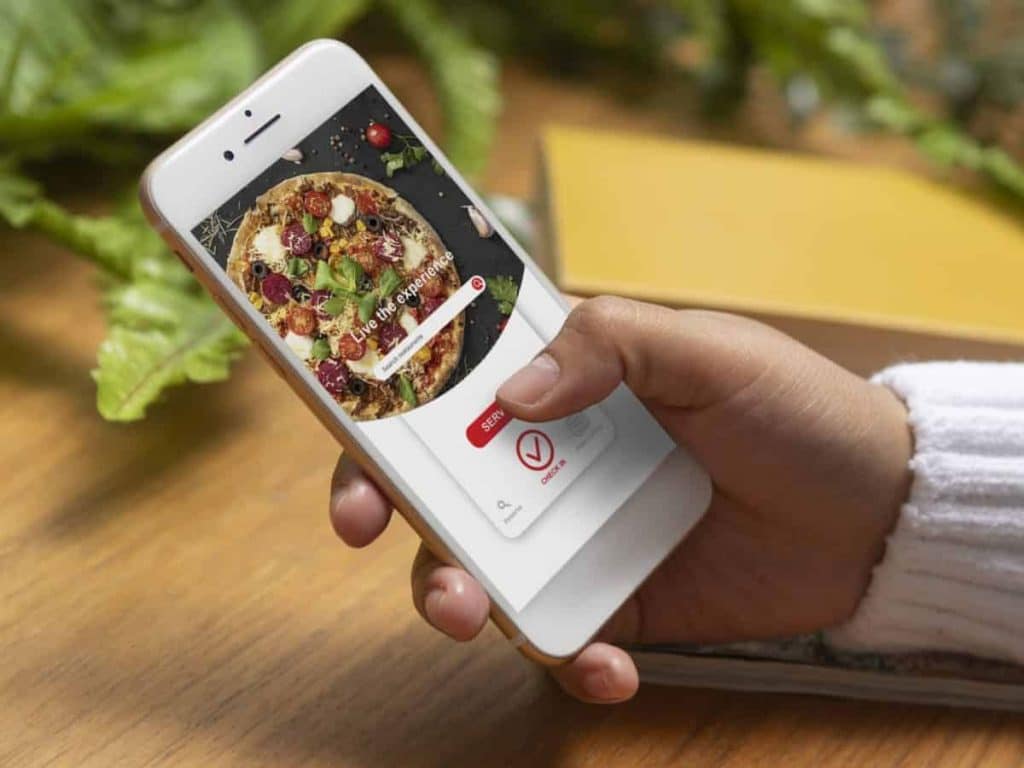
The holy month of Ramadan brings significant changes in daily routines, especially when it comes to food consumption. For millions of people observing fasting from dawn to sunset, meal timings shift dramatically, creating unique demand patterns for food delivery platforms. The surge in orders during Iftar (breaking the fast) and Suhoor (pre-dawn meal) presents both an opportunity and a challenge for businesses in the food delivery ecosystem.
To effectively handle these seasonal spikes, companies must invest in scalable and intelligent solutions like Ramadan food delivery app development solutions. These systems are designed to handle high traffic, optimize delivery routes, and ensure timely service during peak hours.
Understanding Ramadan Demand Patterns
Unlike regular days, food delivery demand during Ramadan is concentrated around specific time windows. This creates intense pressure on platforms to process and fulfill a large volume of orders within a short period.
| Time Period | Customer Behavior | Order Volume |
|---|---|---|
| Pre-Iftar (1–2 hours before sunset) | Bulk ordering for family meals | Very High |
| Iftar Time | Immediate delivery expectations | Peak |
| Post-Iftar | Snacks and desserts | Moderate |
| Suhoor (pre-dawn) | Light meal orders | High |
Key Challenges During Ramadan

Handling Ramadan demand spikes requires overcoming several operational and technical challenges:
- Sudden surge in simultaneous orders
- Limited delivery windows
- Traffic congestion during peak hours
- Restaurant preparation delays
- High customer expectations for timely delivery
How Food Delivery Platforms Adapt
1. Scalable Cloud Infrastructure
To handle increased traffic, platforms rely on cloud-based infrastructure that can scale dynamically. This ensures the system remains stable even during peak load times.
2. Pre-Scheduled Orders
Allowing users to schedule orders in advance helps distribute demand and reduces last-minute pressure on the system.
3. Smart Order Allocation
AI-driven algorithms assign orders to restaurants and delivery partners based on proximity, capacity, and real-time conditions.
4. Optimized Delivery Routing
Advanced route optimization ensures faster deliveries by considering traffic patterns and delivery priorities.
5. Expanded Delivery Fleet
Platforms onboard additional delivery partners during Ramadan to meet increased demand.
Technology Stack for Ramadan Optimization
| Technology | Role |
|---|---|
| Artificial Intelligence | Predicts demand and optimizes dispatch |
| Cloud Computing | Handles high traffic and ensures uptime |
| GPS Tracking | Provides real-time delivery updates |
| Data Analytics | Analyzes customer behavior |
| APIs | Integrates payment and third-party services |
🌙 Build a Ramadan-Ready Food Delivery Platform
Want to scale your food delivery business for Ramadan and other seasonal spikes? We specialize in building high-performance apps that handle real-time demand efficiently.
Role of Restaurants in Managing Demand
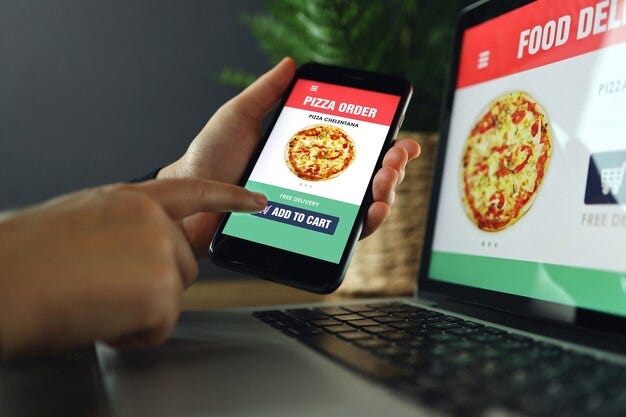
Restaurants play a crucial role in ensuring smooth operations during Ramadan. Many adopt strategies such as:
- Pre-prepared meal packages
- Limited menu options for faster preparation
- Dedicated Ramadan menus
- Extended working hours
Logistics Strategies for Peak Efficiency
1. Batch Deliveries
Grouping multiple orders in the same area reduces delivery time and improves efficiency.
2. Micro-Zoning
Dividing cities into smaller zones allows better management of delivery operations.
3. Real-Time Communication
Keeping customers informed about order status enhances transparency and trust.
Benefits of Ramadan Optimization
| Benefit | Description |
|---|---|
| Faster Deliveries | Reduced wait times during peak hours |
| Higher Customer Satisfaction | Timely and reliable service |
| Increased Revenue | Higher order volumes |
| Operational Efficiency | Better resource utilization |
Future Trends in Seasonal Food Delivery
1. AI-Based Demand Forecasting
Advanced AI models will predict demand spikes with greater accuracy.
2. Drone Deliveries
Emerging technologies will enable faster deliveries during peak times.
3. Hyperlocal Kitchens
Cloud kitchens closer to customers will reduce delivery times significantly.
4. Personalized Meal Recommendations
Apps will suggest meals based on user preferences and fasting schedules.
Why Invest in Ramadan-Focused App Development?

Ramadan presents a unique opportunity for food delivery businesses to maximize revenue and strengthen customer relationships. Investing in a platform optimized for seasonal demand ensures long-term success.
| Business Advantage | Impact |
|---|---|
| Market Growth | Tap into high-demand periods |
| Customer Retention | Build loyalty through reliability |
| Brand Visibility | Stand out during peak seasons |
| Scalability | Handle future demand spikes |
🚀 Launch Your Ramadan Food Delivery App
We help businesses build scalable, high-performance food delivery apps tailored for peak demand seasons like Ramadan.
Conclusion
Ramadan demand spikes present both challenges and opportunities for food delivery platforms. By leveraging advanced technologies, optimizing logistics, and adopting smart strategies, businesses can deliver exceptional customer experiences even during peak times.
From real-time order management to AI-driven logistics, the ability to adapt quickly is key to success. Investing in a robust and scalable platform ensures your business is ready to meet the demands of Ramadan and beyond.
As the food delivery industry continues to evolve, those who innovate and prepare for seasonal trends will lead the market and build lasting customer relationships.
Blog ID: 1261Author: parth
Date: 26-03-2026
We to code. It's our passion








you can also reach us at our given
email address or phone number.