Food delivery platforms have transformed how people order and enjoy meals. With just a few taps, customers can browse menus, place orders, and receive food at their doorstep within minutes. Behind this seamless experience lies a complex system of real-time order management, logistics coordination, and advanced technology integration.
If you're planning to build a scalable delivery solution, understanding the fundamentals of food delivery app development services is crucial. These platforms rely on intelligent systems to process thousands of simultaneous orders while ensuring speed, accuracy, and customer satisfaction.
The Evolution of Food Delivery Platforms
Food delivery has evolved from simple phone-based ordering systems to sophisticated digital ecosystems. Modern platforms integrate restaurants, delivery partners, and customers into a unified network powered by real-time data.
This evolution has been driven by increasing consumer demand for convenience, faster delivery times, and enhanced user experiences. As competition grows, platforms must continuously innovate to stay ahead.
Understanding Real-Time Order Management
Real-time order management is the backbone of any food delivery platform. It ensures that orders are processed instantly and routed efficiently to the right stakeholders.
Key Steps in Order Processing
| Step | Description | Technology Used |
|---|---|---|
| Order Placement | Customer selects items and confirms the order | Mobile apps, web interfaces |
| Order Validation | System checks availability and confirms payment | Payment gateways, APIs |
| Restaurant Notification | Order is sent to the restaurant dashboard | Cloud systems, push notifications |
| Preparation Tracking | Kitchen updates order status | Real-time databases |
| Delivery Assignment | Nearest delivery partner is assigned | GPS tracking, AI algorithms |
Core Components of Food Delivery Logistics
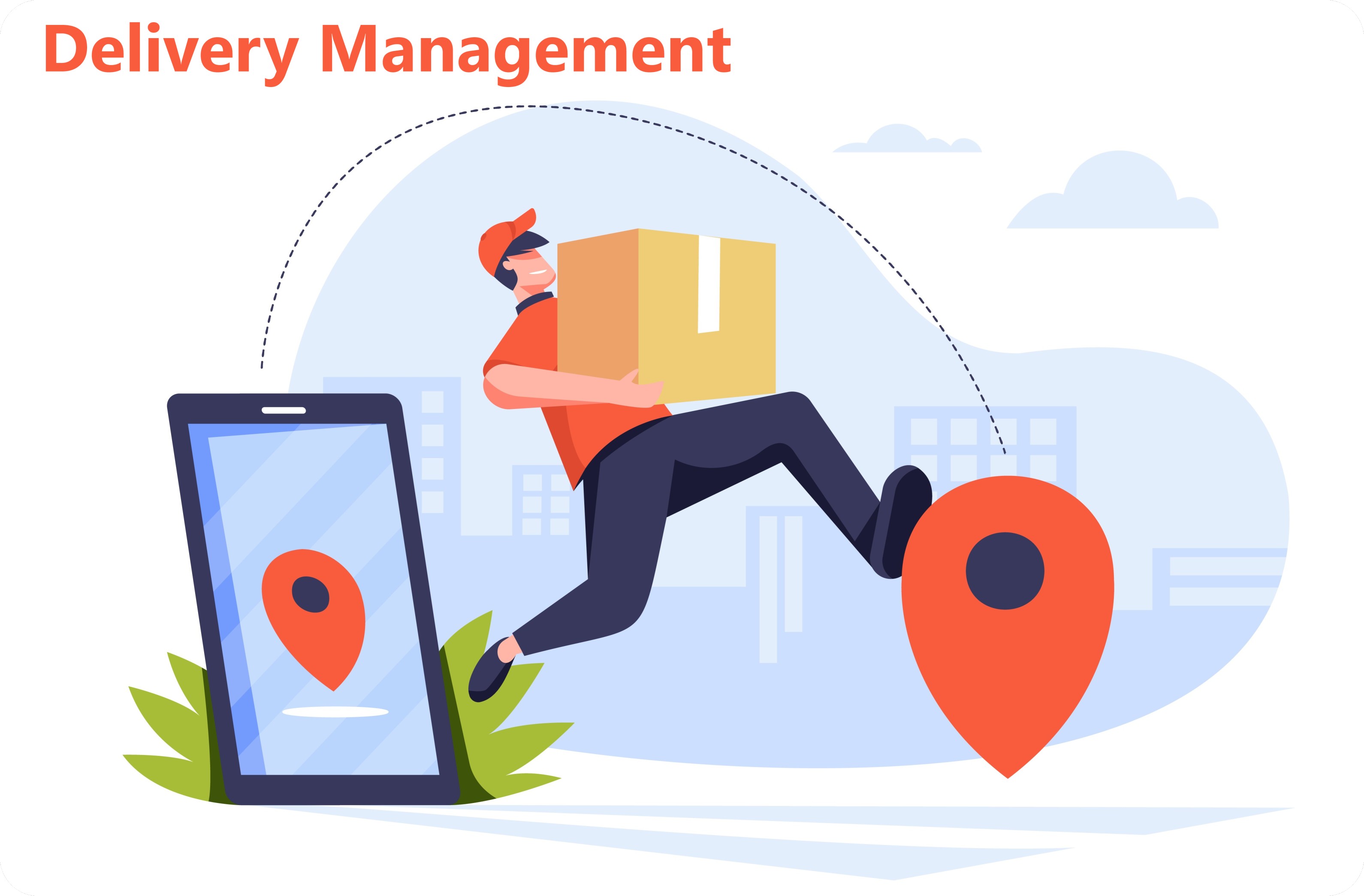
Efficient logistics management is essential for timely deliveries and customer satisfaction. Food delivery platforms use a combination of technology and operational strategies to manage logistics effectively.
1. Order Aggregation Systems
These systems collect and organize incoming orders, ensuring they are routed to the appropriate restaurants without delays.
2. Dispatch Management
Dispatch systems assign delivery partners based on proximity, availability, and workload, optimizing delivery routes and reducing wait times.
3. Real-Time Tracking
Customers and businesses can track orders in real time, providing transparency and improving trust.
4. Route Optimization
Advanced algorithms calculate the most efficient routes, considering traffic conditions, distance, and delivery priorities.
Technology Stack Behind Real-Time Operations
| Technology | Role in Food Delivery Platforms |
|---|---|
| Cloud Computing | Ensures scalability and handles high traffic |
| GPS & Geolocation | Tracks delivery partners and optimizes routes |
| Artificial Intelligence | Predicts demand and automates dispatch |
| Machine Learning | Improves recommendations and delivery accuracy |
| APIs | Integrates payment, maps, and third-party services |
🚀 Build a Powerful Food Delivery Platform
Looking to launch a scalable and feature-rich food delivery app? Our expert developers can help you build a solution tailored to your business needs.
Challenges in Real-Time Order Handling
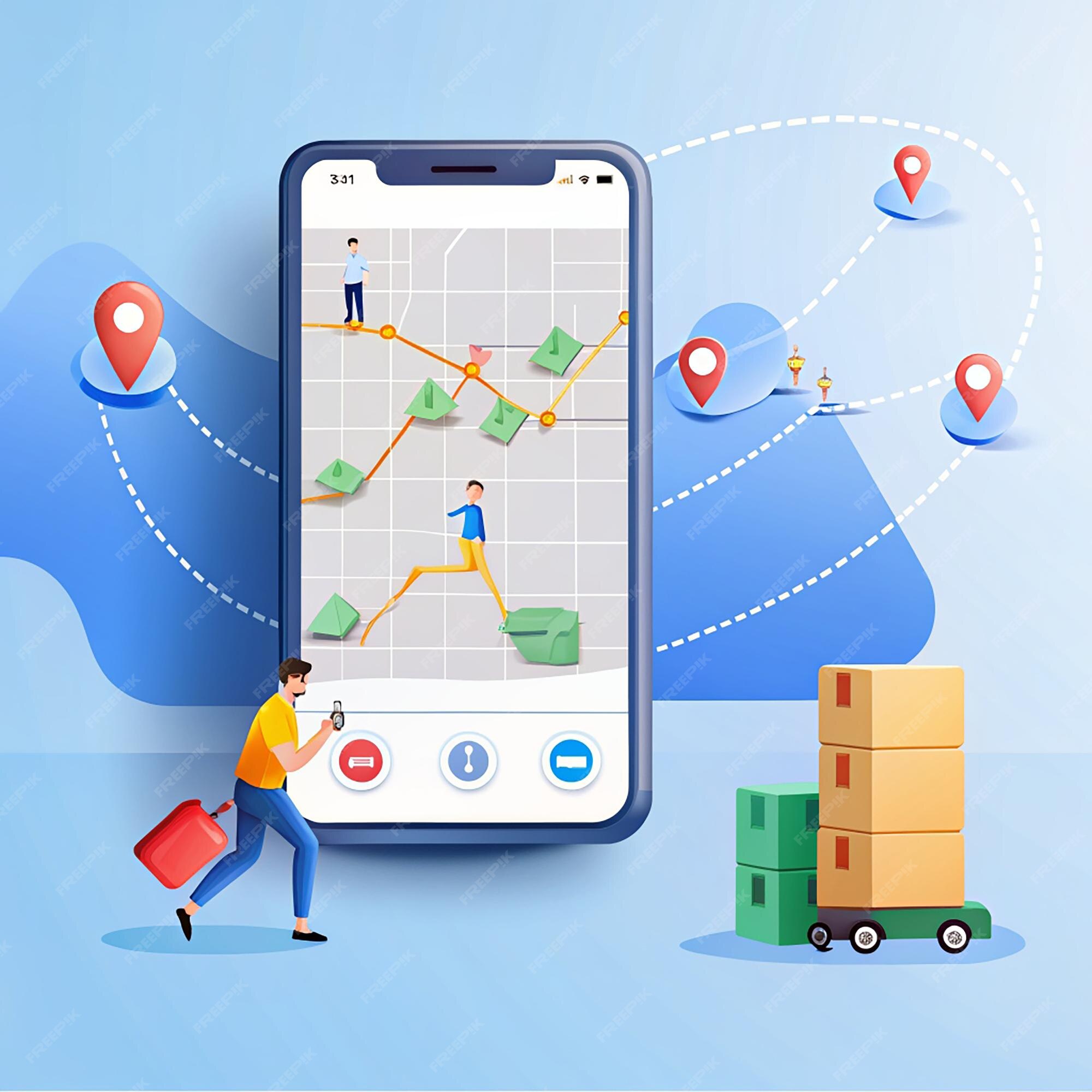
Managing real-time orders is not without challenges. Platforms must address various issues to maintain efficiency and reliability.
- High order volumes during peak hours
- Delivery delays due to traffic
- Order inaccuracies
- System downtime or latency
- Coordination between multiple stakeholders
Overcoming these challenges requires robust infrastructure, efficient algorithms, and continuous optimization.
Strategies for Efficient Logistics Management
1. Dynamic Dispatching
Dynamic dispatch systems assign delivery partners in real time, adapting to changing conditions and improving efficiency.
2. Batch Deliveries
Grouping multiple orders for a single delivery route reduces costs and increases efficiency.
3. Predictive Analytics
Analyzing historical data helps predict demand patterns and optimize resource allocation.
4. Micro-Fulfillment Centers
Strategically located hubs enable faster order processing and delivery.
Benefits of Real-Time Food Delivery Systems
| Benefit | Description |
|---|---|
| Faster Deliveries | Reduced wait times through optimized routing |
| Improved Accuracy | Minimized errors in order processing |
| Enhanced Customer Experience | Real-time updates and tracking |
| Operational Efficiency | Better resource utilization |
| Scalability | Ability to handle increasing demand |
Future Trends in Food Delivery Platforms
1. Autonomous Deliveries
Drones and self-driving vehicles are expected to revolutionize last-mile delivery.
2. AI-Powered Personalization
Platforms will offer highly personalized recommendations based on user behavior.
3. Voice Ordering
Integration with voice assistants will make ordering even more convenient.
4. Sustainable Delivery
Eco-friendly packaging and electric delivery vehicles will become standard.
Why Invest in Food Delivery App Development?
The food delivery market continues to grow rapidly, offering immense opportunities for businesses. Investing in a robust platform can help you capture market share and deliver exceptional customer experiences.
| Business Advantage | Impact |
|---|---|
| Revenue Growth | Multiple income streams |
| Customer Loyalty | Improved user engagement |
| Market Expansion | Reach new customers |
| Brand Visibility | Strong digital presence |
💡 Turn Your Food Delivery Idea into Reality
From concept to deployment, we build high-performance food delivery platforms that scale with your business.
Conclusion
Food delivery platforms are complex systems that rely on real-time data, advanced technologies, and efficient logistics to deliver seamless experiences. From order placement to final delivery, every step is optimized to ensure speed, accuracy, and customer satisfaction.
As technology continues to evolve, these platforms will become even more intelligent and efficient, shaping the future of food delivery. Businesses that invest in innovative solutions today will be well-positioned to succeed in this competitive landscape.
Whether you're a startup or an established enterprise, building a robust food delivery platform is a strategic move that can drive growth and innovation.
Blog ID: 1260Author: parth
Date: 26-03-2026
We to code. It's our passion







you can also reach us at our given
email address or phone number.