
Public health systems around the world are undergoing a significant transformation. With the growing need to manage large populations, respond to emerging health threats, and improve healthcare outcomes, data has become the backbone of effective decision-making. Health assessment platforms are at the forefront of this transformation, enabling governments, healthcare organizations, and NGOs to collect, analyze, and act on real-time health data.
Organizations investing in custom healthcare app development are leveraging digital platforms to streamline assessments, improve accuracy, and make informed public health decisions faster than ever before.
In this comprehensive guide, we will explore how health assessment platforms function, their key features, benefits, use cases, and how they are revolutionizing public health strategies globally.
What Are Health Assessment Platforms?
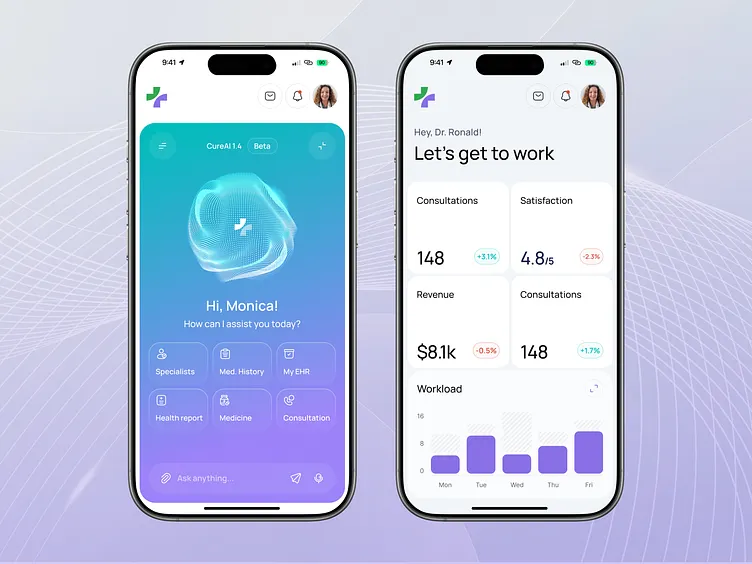
Health assessment platforms are digital systems designed to collect, manage, and analyze health-related data from individuals or populations. These platforms are typically used by public health authorities, hospitals, research organizations, and policymakers to evaluate health conditions, track trends, and design interventions.
They often include mobile apps, web dashboards, and cloud-based data storage systems that enable seamless communication between field workers, healthcare providers, and administrators.
Core Functions
- Data collection through surveys, forms, and screenings
- Real-time health monitoring
- Data visualization and reporting
- Predictive analytics for risk assessment
- Integration with healthcare systems
Why Data-Driven Decision-Making Matters in Public Health
Traditional public health decisions were often based on limited or delayed data. This approach can lead to inefficiencies, delayed responses, and suboptimal outcomes. Data-driven decision-making changes this by providing accurate, real-time insights.
| Traditional Approach | Data-Driven Approach |
|---|---|
| Delayed data collection | Real-time data availability |
| Manual reporting | Automated digital reporting |
| Reactive decision-making | Proactive and predictive strategies |
| Limited scalability | Highly scalable systems |
By leveraging digital platforms, public health officials can identify trends early, allocate resources efficiently, and implement targeted interventions.
Key Features of Health Assessment Platforms
1. Real-Time Data Collection
Health assessment apps allow field workers and healthcare providers to collect data instantly using mobile devices. This eliminates delays associated with paper-based systems.
2. Offline Functionality
Many regions, especially rural areas, have limited internet connectivity. Offline capabilities ensure uninterrupted data collection, which syncs once connectivity is restored.
3. Advanced Analytics and Dashboards
Interactive dashboards provide visual insights through charts, graphs, and maps, making it easier to interpret complex data.
4. Integration with Health Systems
These platforms integrate with Electronic Health Records (EHR), hospital management systems, and government databases.
5. Data Security and Compliance
Ensuring patient data privacy and compliance with regulations is critical. Secure platforms include encryption, role-based access, and audit trails.
How Health Assessment Platforms Improve Public Health Efficiency
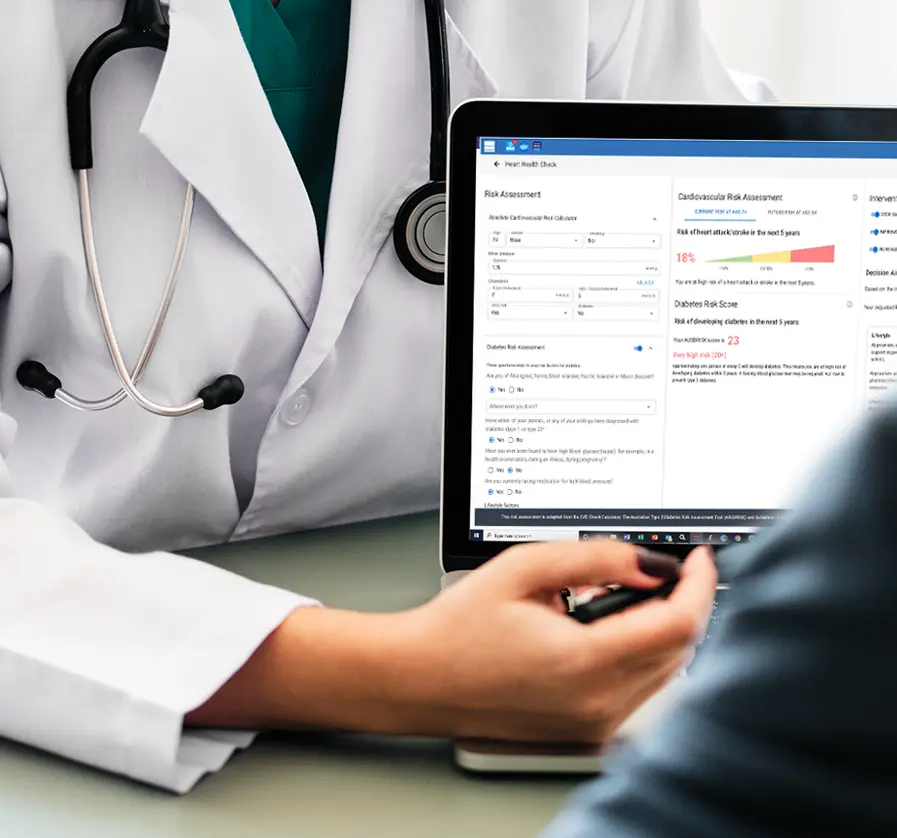
Enhanced Surveillance and Monitoring
Real-time monitoring enables early detection of disease outbreaks and health risks, allowing quicker responses.
Better Resource Allocation
Data-driven insights help authorities allocate medical supplies, staff, and funding where they are needed most.
Improved Accuracy and Reduced Errors
Digital data entry minimizes human errors and ensures consistency across datasets.
Faster Decision-Making
Instant access to actionable data reduces delays in policy implementation and intervention planning.
Key Benefits of Health Assessment Platforms
| Benefit | Description |
|---|---|
| Scalability | Handle large populations and datasets efficiently |
| Accessibility | Enable remote access for field workers and administrators |
| Cost Efficiency | Reduce operational and administrative costs |
| Transparency | Improve accountability with real-time reporting |
| Predictive Insights | Forecast health trends and risks |
Use Cases in Public Health
1. Disease Surveillance
Track and monitor infectious diseases, enabling rapid response to outbreaks.
2. Community Health Assessments
Collect data on population health indicators to design targeted programs.
3. Vaccination Programs
Manage immunization schedules, track coverage, and identify gaps.
4. Maternal and Child Health Monitoring
Monitor prenatal and postnatal care to improve outcomes.
5. Chronic Disease Management
Track conditions like diabetes and hypertension for better care planning.
Challenges in Implementing Health Assessment Platforms
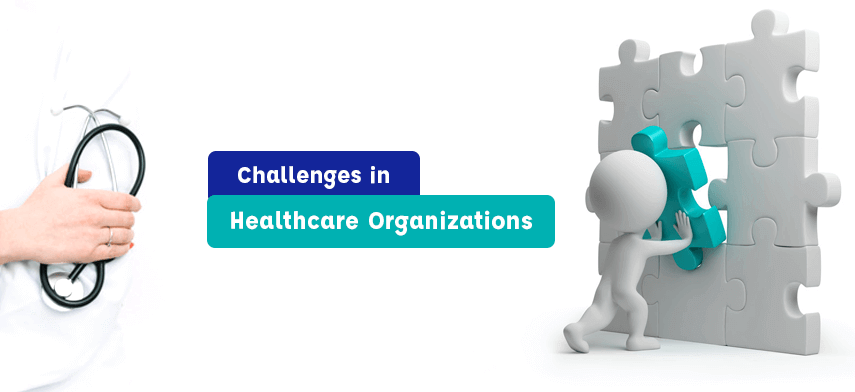
- Resistance to digital adoption
- Data privacy concerns
- Integration with legacy systems
- Training and onboarding requirements
- Initial development and deployment costs
Despite these challenges, the long-term benefits far outweigh the initial hurdles.
Custom vs Off-the-Shelf Health Assessment Platforms
| Custom Platform | Off-the-Shelf Platform |
|---|---|
| Tailored to specific needs | Generic features |
| Flexible and scalable | Limited customization |
| Better integration capabilities | Compatibility challenges |
| Higher long-term ROI | Short-term affordability |
Custom platforms provide better alignment with organizational goals and workflows, ensuring maximum efficiency and effectiveness.
Future Trends in Health Assessment Technology
- Artificial Intelligence for predictive analytics
- Machine Learning for pattern recognition
- Integration with wearable devices
- Cloud-based data ecosystems
- Telehealth and remote monitoring solutions
These advancements will further enhance the capabilities of health assessment platforms, making them indispensable in modern healthcare systems.
Why Choose BM Coder for Health Assessment Platform Development?
Developers App India BM Coder specializes in building robust, scalable, and secure healthcare applications tailored to your needs. Our expertise ensures seamless integration, user-friendly interfaces, and compliance with industry standards.
We help organizations leverage technology to improve public health outcomes and drive data-driven decision-making.
Get Started Today
Ready to build a powerful health assessment platform for your organization?
Contact us today to discuss your project and transform your public health strategy.
📧 Email: [email protected]
📱 WhatsApp: +91 9586979730
Conclusion
Health assessment platforms are revolutionizing public health by enabling data-driven decisions that improve efficiency, accuracy, and outcomes. From disease surveillance to resource allocation, these platforms empower organizations to respond proactively to health challenges.
As technology continues to evolve, adopting a custom digital solution will be essential for any organization aiming to stay ahead in the public health landscape.
Blog ID: 1469Author: parth
Date: 22-04-2026
We to code. It's our passion







you can also reach us at our given
email address or phone number.