Healthcare applications are transforming the way hospitals, clinics, diagnostic centers, pharmacies, insurance providers, and telemedicine companies deliver patient care. From appointment scheduling and electronic health records to remote monitoring and virtual consultations, healthcare apps have become essential in modern medical ecosystems.
However, healthcare software handles highly sensitive patient information, making data privacy and security one of the most critical priorities in healthcare technology development. Medical records, prescriptions, lab reports, insurance information, financial data, and patient communication must be protected against cyber threats, unauthorized access, and compliance violations.
To ensure trust, legal compliance, and operational reliability, healthcare applications must follow strict security regulations such as HIPAA, GDPR, HITECH, HL7, and FHIR standards. Healthcare organizations also need secure infrastructure, encrypted communication, access control systems, secure APIs, audit logging, and cybersecurity monitoring.
Businesses investing in secure custom healthcare application development focus heavily on compliance-driven architecture, secure APIs, encrypted patient communication, and advanced healthcare cybersecurity frameworks to protect sensitive healthcare information.
Why Data Privacy Matters in Healthcare Applications
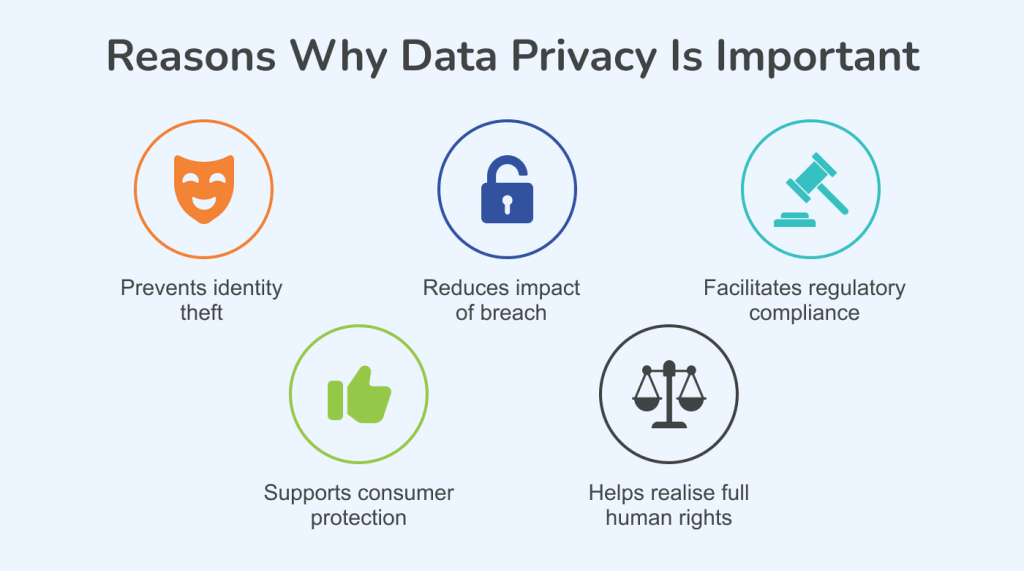
Healthcare data is one of the most valuable and sensitive categories of digital information. Unlike general business data, healthcare records contain personal medical histories, treatment plans, insurance details, and confidential patient communication.
A healthcare data breach can result in:
- Financial losses
- Legal penalties
- Compliance violations
- Loss of patient trust
- Operational disruptions
- Identity theft risks
- Reputation damage
Healthcare providers must ensure that patient information remains confidential, accurate, and accessible only to authorized users.
| Healthcare Data Type | Security Importance |
|---|---|
| Electronic Health Records (EHR) | Contains complete patient medical history |
| Prescription Data | Protects medication confidentiality |
| Insurance Information | Prevents financial fraud |
| Diagnostic Reports | Ensures medical accuracy and privacy |
| Personal Identity Information | Protects patient identity and access |
Understanding HIPAA Compliance in Healthcare Apps
HIPAA (Health Insurance Portability and Accountability Act) is one of the most important healthcare data protection regulations in the United States. HIPAA establishes rules for how healthcare organizations store, process, and share patient health information.
Healthcare apps that collect or manage patient data must comply with HIPAA requirements to avoid penalties and legal issues.
Key HIPAA Requirements
- Secure patient data storage
- Encrypted communication channels
- Access control systems
- User authentication
- Audit logging
- Data backup and recovery
- Risk assessment and monitoring
Protected Health Information (PHI)
HIPAA protects PHI, which includes:
- Patient names
- Medical history
- Prescription details
- Insurance records
- Diagnostic reports
- Lab results
- Appointment details
- Billing information
Core Security Features in Healthcare Applications
Modern healthcare applications implement multiple security layers to protect patient information and healthcare operations.
1. Data Encryption
Encryption protects healthcare data during transmission and storage.
Healthcare applications use:
- SSL/TLS encryption
- AES-256 encryption
- End-to-end secure communication
- Encrypted cloud storage
Encryption ensures that even if data is intercepted, it remains unreadable to unauthorized users.
2. Multi-Factor Authentication (MFA)
Healthcare apps implement MFA to strengthen login security.
This may include:
- Password authentication
- OTP verification
- Biometric authentication
- Device verification
3. Role-Based Access Control (RBAC)
RBAC restricts data access based on user roles.
| User Role | Access Permissions |
|---|---|
| Doctor | View and update patient records |
| Patient | View personal medical information |
| Admin | Manage platform operations |
| Lab Technician | Upload and manage test reports |
| Pharmacist | Access prescription details |
4. Secure APIs
Healthcare applications use secure APIs to exchange data safely between:
- Hospitals
- Pharmacies
- Insurance providers
- Telemedicine platforms
- Laboratory systems
- Wearable devices
API security includes:
- OAuth 2.0 authentication
- JWT tokens
- Rate limiting
- API monitoring
- Secure API gateways
5. Audit Logging
Healthcare apps maintain detailed logs for:
- User activity tracking
- Data access history
- Compliance audits
- Security investigations
Audit trails are essential for compliance reporting and security monitoring.
How Telemedicine Apps Maintain Security Standards
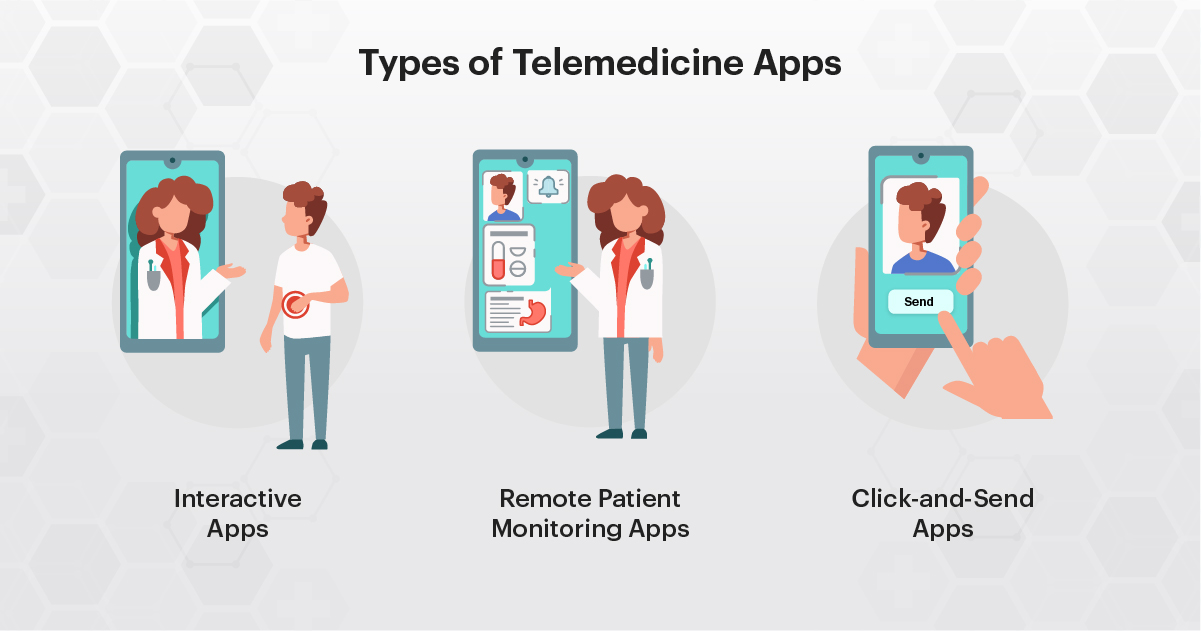
Telemedicine applications handle real-time patient communication, video consultations, prescriptions, and digital health records. These platforms require advanced security systems to protect virtual healthcare interactions.
Security Features in Telemedicine Apps
- Encrypted video consultations
- Secure patient messaging
- Protected doctor dashboards
- Secure cloud storage
- Authentication systems
- HIPAA-compliant communication tools
Telemedicine platforms also ensure that patient sessions remain private and inaccessible to unauthorized users.
Importance of Cloud Security in Healthcare Apps
Many healthcare organizations now use cloud infrastructure for scalability, flexibility, and remote access. However, healthcare cloud environments must meet strict security standards.
Healthcare Cloud Security Measures
- Encrypted cloud databases
- Secure cloud APIs
- Automatic backups
- Disaster recovery systems
- Access monitoring
- Intrusion detection systems
| Cloud Security Feature | Benefit |
|---|---|
| Automated Backups | Prevents healthcare data loss |
| Disaster Recovery | Ensures business continuity |
| Encrypted Storage | Protects patient records |
| Threat Monitoring | Detects suspicious activities |
| Identity Management | Controls user permissions |
FHIR and HL7 Standards in Healthcare Apps
Healthcare interoperability standards help different systems communicate securely and efficiently.
FHIR (Fast Healthcare Interoperability Resources)
FHIR enables:
- Secure healthcare data exchange
- Real-time interoperability
- Mobile healthcare integrations
- Cross-platform compatibility
HL7 Standards
HL7 supports healthcare messaging and data sharing between:
- Hospitals
- Clinics
- Laboratories
- Insurance systems
- Pharmacy applications
Using these standards improves healthcare communication and reduces integration complexity.
Cybersecurity Threats Facing Healthcare Apps
Healthcare platforms are major targets for cybercriminals because medical data is highly valuable.
Common Healthcare Cyber Threats
- Ransomware attacks
- Phishing attacks
- Unauthorized data access
- API vulnerabilities
- Cloud misconfigurations
- Insider threats
- Weak authentication systems
| Cyber Threat | Potential Impact |
|---|---|
| Ransomware | Hospital system shutdowns |
| Data Breach | Exposure of patient information |
| Phishing | Credential theft |
| Weak Passwords | Unauthorized account access |
| API Exploits | System vulnerabilities |
Best Practices for HIPAA-Compliant Healthcare App Development
1. Conduct Risk Assessments
Healthcare organizations should regularly identify vulnerabilities and security gaps.
2. Encrypt Sensitive Data
All patient data should be encrypted during storage and transmission.
3. Implement Secure Authentication
Use strong password policies, MFA, and secure token systems.
4. Perform Security Audits
Regular audits help identify compliance and security issues before they become major risks.
5. Monitor System Activity
Real-time monitoring helps detect suspicious behavior and cyber threats.
6. Use Secure Hosting Infrastructure
Healthcare applications should use HIPAA-compliant hosting environments.
7. Train Healthcare Staff
Human error is one of the biggest cybersecurity risks. Healthcare staff must understand security best practices and privacy responsibilities.
Role of AI in Healthcare Security
Artificial Intelligence is improving healthcare cybersecurity through:
- Threat detection
- Fraud prevention
- Anomaly monitoring
- Access pattern analysis
- Predictive cybersecurity systems
AI-driven healthcare security systems can identify unusual activity faster than traditional security methods.
Why Mobile Healthcare Apps Need Advanced Security
Healthcare mobile applications increase accessibility for patients and doctors, but mobile environments also introduce security risks.
Healthcare mobile apps require:
- Secure login systems
- Biometric authentication
- Encrypted local storage
- Secure push notifications
- Remote logout functionality
- Session timeout systems
Healthcare Data Backup and Disaster Recovery
Healthcare systems must maintain business continuity even during technical failures or cyberattacks.
Disaster Recovery Features
- Automated cloud backups
- Failover systems
- Redundant infrastructure
- Emergency recovery plans
- Data replication systems
These systems ensure that patient care operations continue without interruption.
Benefits of Secure Healthcare Applications
| Benefit | Business Impact |
|---|---|
| Patient Trust | Improves healthcare credibility |
| Compliance Protection | Avoids legal penalties |
| Operational Efficiency | Automates secure workflows |
| Scalable Infrastructure | Supports healthcare growth |
| Cybersecurity Protection | Reduces attack risks |
Future of Healthcare Privacy and Security
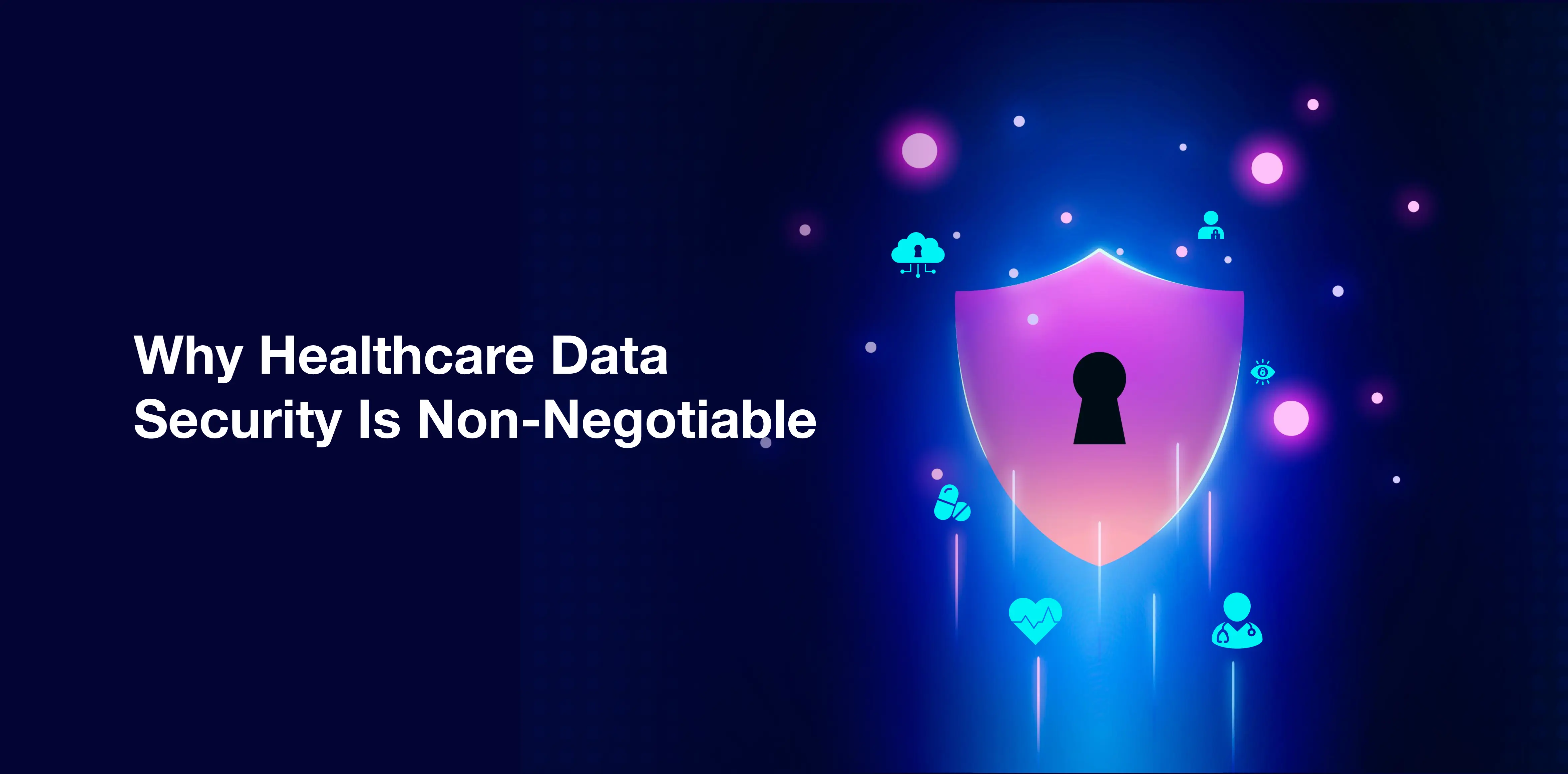
The future of healthcare technology will involve stronger cybersecurity frameworks, AI-powered monitoring, blockchain-based medical records, and advanced patient identity management systems.
Healthcare organizations are increasingly adopting:
- Zero-trust security models
- Blockchain healthcare systems
- AI cybersecurity tools
- Advanced identity verification
- Cloud-native healthcare security
- IoT healthcare protection systems
As digital healthcare expands globally, healthcare applications must continuously evolve to meet modern privacy and compliance requirements.
Why Businesses Need Professional HIPAA-Compliant App Development
Building healthcare applications requires deep expertise in:
- Healthcare regulations
- Cybersecurity standards
- Cloud security
- HIPAA compliance
- FHIR integrations
- Secure healthcare APIs
- Healthcare infrastructure architecture
Professional healthcare app development companies help businesses build secure, scalable, and regulation-compliant healthcare solutions that protect patient data and support digital healthcare growth.
Conclusion
Healthcare applications play a vital role in modern patient care, healthcare communication, telemedicine, diagnostics, and hospital operations. However, with the growing use of digital healthcare systems, data privacy and cybersecurity have become critical priorities.
HIPAA-compliant healthcare applications use encryption, secure APIs, authentication systems, audit logs, cloud security, and interoperability standards to protect sensitive patient information and maintain regulatory compliance.
Healthcare providers, startups, clinics, and hospitals investing in secure healthcare app development can improve operational efficiency, strengthen patient trust, and build scalable digital healthcare ecosystems prepared for future healthcare innovation.
CTA — Build Secure HIPAA-Compliant Healthcare Apps with Developers App India BM Coder
Looking to develop a secure and HIPAA-compliant healthcare application for your hospital, telemedicine platform, clinic, pharmacy, laboratory, or healthcare startup?
Developers App India BM Coder specializes in secure healthcare software development, HIPAA-compliant app development, healthcare API integrations, telemedicine platforms, cloud healthcare systems, and scalable healthcare technology solutions.
Contact our healthcare app development experts today:
📧 Email: [email protected]
📱 WhatsApp: +91.9586979730
Blog ID: 1546Author: parth
Date: 11-05-2026
We to code. It's our passion









you can also reach us at our given
email address or phone number.