Home care is becoming one of the most important parts of modern healthcare. Patients today want safe, convenient, and continuous care without unnecessary hospital visits. At the same time, healthcare providers want better ways to monitor patients, manage chronic conditions, support elderly people, and deliver care directly at home. This is where home care platforms are transforming the healthcare experience.
Home care platforms combine mobile apps, web dashboards, remote monitoring tools, caregiver coordination, patient communication, and digital health records into one connected system. For healthcare businesses, clinics, hospitals, home nursing agencies, and startups, these platforms create a powerful opportunity to improve patient outcomes and service efficiency.
Developers App India BM Coder is a software development company that helps healthcare businesses build secure, scalable, and user-friendly digital health solutions. If you are planning to build a home care solution, our custom home healthcare app development can help you create a reliable platform for remote patient monitoring, caregiver management, and home-based medical support.
What Is a Home Care Platform?
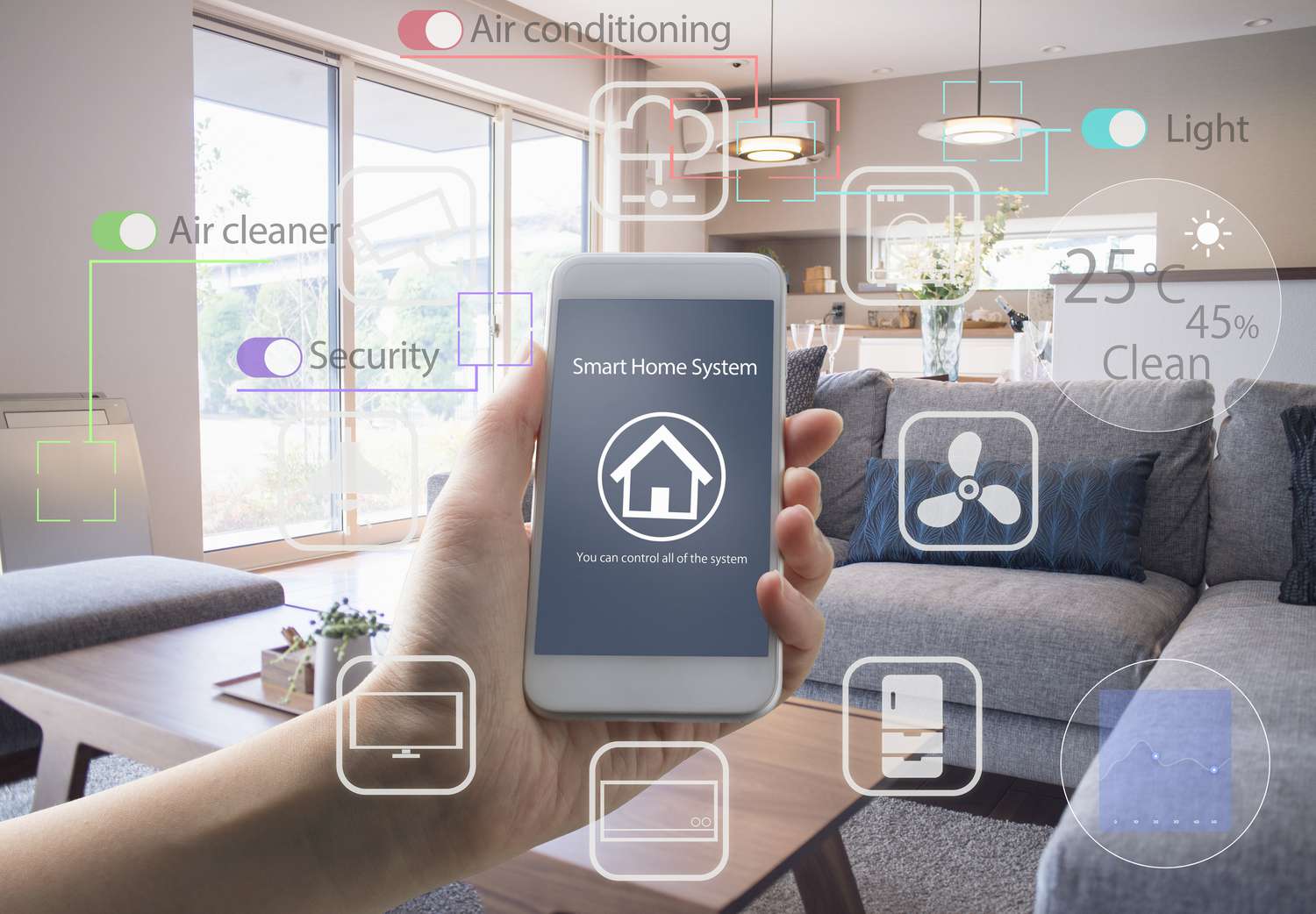
A home care platform is a digital system that helps healthcare providers deliver medical and non-medical care to patients at home. It may include patient apps, caregiver apps, doctor dashboards, admin panels, remote monitoring features, appointment scheduling, medicine reminders, reports, and communication tools.
These platforms are especially useful for elderly care, chronic disease management, post-surgery recovery, disability support, rehabilitation, palliative care, and long-term patient monitoring. Instead of depending only on physical visits, healthcare teams can stay connected with patients through digital tools.
| Traditional Home Care | Digital Home Care Platform |
|---|---|
| Manual visit scheduling | Online appointment and caregiver scheduling |
| Paper-based patient records | Digital health records and care notes |
| Limited patient monitoring | Remote patient monitoring and alerts |
| Phone-based communication | In-app chat, video calls, and notifications |
| Delayed reporting | Real-time dashboards and analytics |
Why Remote Patient Monitoring Matters in Home Care
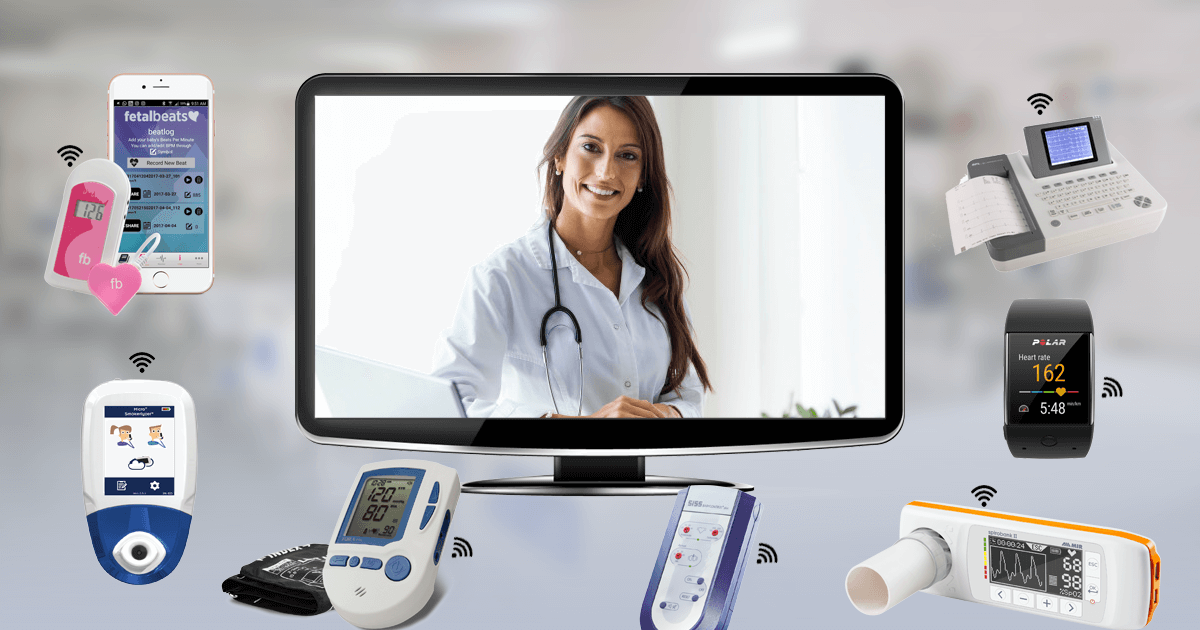
Remote patient monitoring allows healthcare providers to track a patient’s health condition from a distance. This may include monitoring blood pressure, heart rate, oxygen level, blood glucose, temperature, medication intake, symptoms, mobility, sleep, and activity levels.
For patients who need regular observation, remote monitoring reduces the need for frequent hospital visits. It helps doctors and caregivers detect warning signs early and respond before a condition becomes serious.
For example, an elderly patient with heart disease may use connected devices to share blood pressure and pulse readings. A diabetic patient may log glucose levels daily. A post-surgery patient may upload wound images, pain scores, and recovery updates. These data points help care teams make better decisions.
How Home Care Platforms Support Patients
1. Continuous Health Monitoring
Home care platforms allow patients to share daily health updates through mobile apps or connected devices. This creates a continuous care experience instead of care only during clinic visits.
When health data is collected regularly, doctors can identify patterns, track improvement, and detect risks early. This is especially useful for chronic conditions like diabetes, hypertension, COPD, heart disease, and kidney disease.
2. Faster Medical Support
A digital home care platform can send alerts when patient readings go outside safe limits. For example, if oxygen level drops, blood sugar rises sharply, or blood pressure becomes abnormal, the system can notify caregivers or healthcare providers.
This faster response can prevent emergency situations and reduce unnecessary hospital admissions.
3. Better Medication Adherence
Many patients forget medicines or take incorrect doses. Home care apps can provide medication reminders, dosage instructions, refill alerts, and adherence tracking.
Caregivers and family members can also receive notifications if a patient misses a medicine dose. This feature is very useful for elderly patients and people with complex treatment plans.
4. Easy Communication with Care Teams
Patients and caregivers can communicate through chat, voice calls, video consultations, and support tickets. This reduces confusion and improves trust between patients and healthcare providers.
Instead of waiting for the next visit, patients can ask questions, report symptoms, or request support directly from the app.
5. Personalized Care Plans
Every patient has different needs. A home care platform can provide personalized care plans based on the patient’s condition, age, recovery stage, and doctor recommendations.
These plans may include medication schedules, exercise routines, diet instructions, wound care steps, therapy sessions, and follow-up reminders.
Benefits of Home Care Platforms
| Benefit | For Patients | For Healthcare Providers |
|---|---|---|
| Remote monitoring | Patients receive care from home | Providers track health data in real time |
| Reduced hospital visits | More comfort and convenience | Lower burden on clinics and hospitals |
| Medication reminders | Better treatment adherence | Improved patient outcomes |
| Caregiver coordination | Reliable care and timely visits | Better workforce management |
| Digital records | Clear history of care | Easy access to patient information |
Important Features of a Home Healthcare App
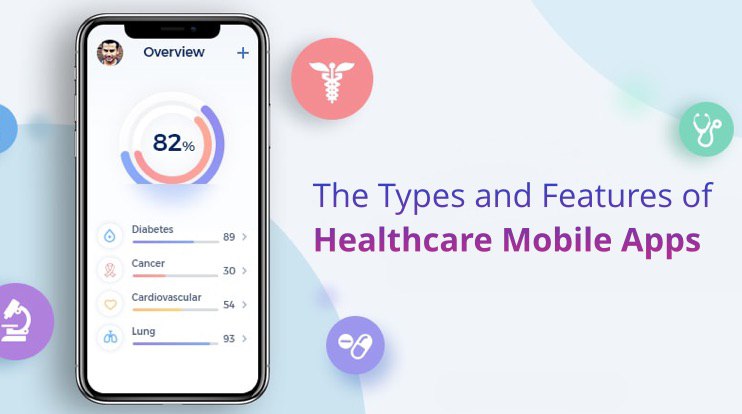
Patient App Features
- Secure patient registration and login
- Patient profile and medical history
- Care plan access
- Medication reminders
- Symptom tracking
- Vitals monitoring
- Appointment booking
- Caregiver visit schedule
- Chat and video consultation
- Emergency contact button
- Reports and progress tracking
- Payment and invoice management
Caregiver App Features
- Caregiver login
- Assigned patient list
- Daily visit schedule
- Route and location support
- Check-in and check-out
- Care notes and visit reports
- Medicine administration updates
- Patient vitals entry
- Task completion tracking
- Emergency alert reporting
Doctor Dashboard Features
- Patient health overview
- Remote vitals monitoring
- Abnormal reading alerts
- Treatment plan updates
- Prescription management
- Video consultation access
- Patient progress reports
- Caregiver notes review
Admin Panel Features
- User management
- Patient management
- Caregiver management
- Appointment and visit scheduling
- Service package management
- Billing and payment tracking
- Reports and analytics
- Role-based access control
- Notification management
- Support ticket management
Remote Patient Monitoring Features
Remote monitoring is the heart of a modern home care platform. It helps care teams monitor patient health without needing the patient to visit a clinic regularly.
| Monitoring Feature | Purpose |
|---|---|
| Blood pressure tracking | Helps monitor hypertension and heart-related risks |
| Blood glucose tracking | Supports diabetes management |
| Oxygen level monitoring | Useful for respiratory and post-hospital care |
| Heart rate monitoring | Tracks cardiovascular health |
| Temperature tracking | Helps identify fever or infection signs |
| Medication adherence tracking | Ensures patients follow treatment plans |
| Symptom logs | Helps doctors understand patient condition changes |
How Home Care Platforms Help Elderly Patients
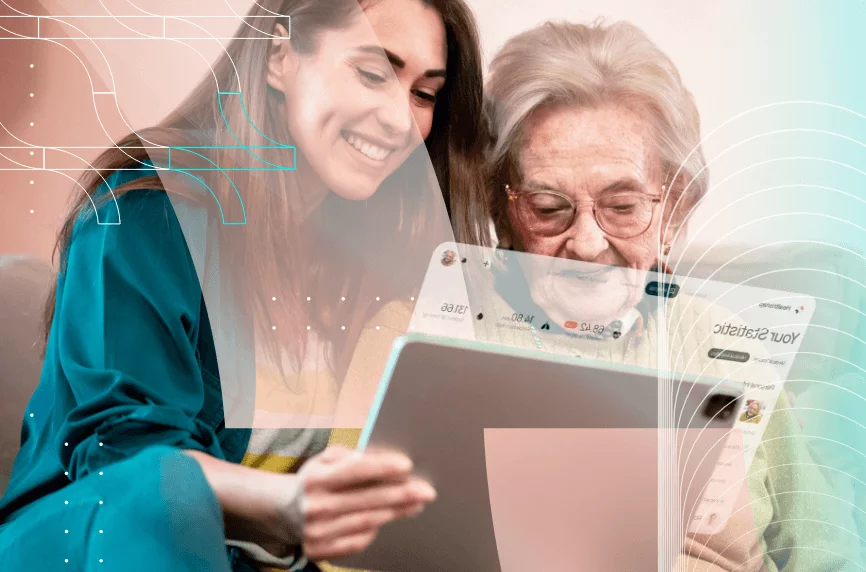
Elderly patients often need regular support, medication reminders, safety monitoring, and caregiver assistance. A home care platform makes it easier for families and providers to manage elderly care.
Family members can check care schedules, receive health updates, track caregiver visits, and communicate with care teams. This gives peace of mind to families who may not always be physically present with the patient.
Features like fall alerts, emergency buttons, daily check-ins, and remote vitals monitoring can make elderly care safer and more reliable.
How Home Care Platforms Help Chronic Disease Management
Chronic diseases require long-term monitoring and lifestyle management. Patients need to follow medicines, check health readings, maintain diet, attend follow-ups, and report symptoms regularly.
A home care app helps organize all these activities in one place. For example, a diabetic patient can track glucose readings, medicine intake, meals, exercise, and doctor instructions. A heart patient can track blood pressure, pulse, weight, and symptoms.
This continuous monitoring helps providers detect health deterioration earlier and adjust treatment when needed.
How Home Care Platforms Improve Caregiver Management
Home care agencies often manage many caregivers, patients, locations, schedules, and service requests. Manual coordination can become confusing and time-consuming.
A digital platform helps agencies assign caregivers, track visits, manage attendance, check task completion, and review service quality.
| Caregiver Management Need | Platform Solution |
|---|---|
| Assigning visits | Admin can schedule and assign caregivers digitally |
| Tracking attendance | Caregivers can check in and check out from the app |
| Monitoring care quality | Visit reports and care notes are stored digitally |
| Managing emergency cases | Instant alerts notify admins and medical teams |
| Improving communication | Patients, caregivers, and admins stay connected |
Role of AI in Home Healthcare Platforms
Artificial intelligence can make home care platforms smarter and more proactive. AI can analyze patient data, detect risk patterns, suggest care actions, and help providers prioritize patients.
For example, if a patient’s blood pressure readings are gradually increasing, AI can identify the trend and alert the care team. If a patient is missing medicines regularly, the system can send stronger reminders or notify family members.
AI chatbots can also help patients with common questions, appointment booking, medication instructions, and basic support.
Security and Compliance in Home Healthcare App Development
Home healthcare platforms deal with sensitive patient data, so security is extremely important. The system must protect medical records, personal information, payment data, communication history, and monitoring reports.
Important security practices include encrypted data storage, secure APIs, role-based access control, password protection, multi-factor authentication, audit logs, and regular security testing.
| Security Requirement | Why It Matters |
|---|---|
| Data encryption | Protects patient information during storage and transfer |
| Role-based access | Ensures only authorized users access sensitive data |
| Audit logs | Tracks who accessed or changed patient information |
| Secure authentication | Prevents unauthorized account access |
| Consent management | Helps patients control how their data is used |
Technology Stack for Home Care Platform Development
| Platform Layer | Technology Options |
|---|---|
| Mobile App | Flutter, React Native, Kotlin, Swift |
| Web Dashboard | React.js, Next.js, Angular, Vue.js |
| Backend | Node.js, Python, Django, Laravel, Java |
| Database | PostgreSQL, MongoDB, MySQL |
| Cloud Hosting | AWS, Google Cloud, Azure |
| Notifications | Firebase, Twilio, SendGrid |
| Video Consultation | WebRTC, Twilio Video, Agora |
| Payments | Stripe, Razorpay, PayPal |
Business Benefits of Home Healthcare App Development
Home care platforms are not only useful for patients; they also help healthcare businesses grow. A digital platform improves service management, reduces manual work, increases patient trust, and creates new revenue opportunities.
Home nursing agencies can manage more patients with fewer operational errors. Hospitals can provide post-discharge monitoring. Clinics can offer chronic care programs. Startups can build subscription-based home health services.
| Business Benefit | Impact |
|---|---|
| Higher patient satisfaction | Patients get convenient care from home |
| Better operational control | Admins can manage schedules, staff, and reports digitally |
| Improved care quality | Care teams get real-time patient information |
| More revenue channels | Businesses can offer packages, subscriptions, and virtual care |
| Scalable service delivery | Platforms can support more patients and caregivers |
Development Process for a Home Care Platform
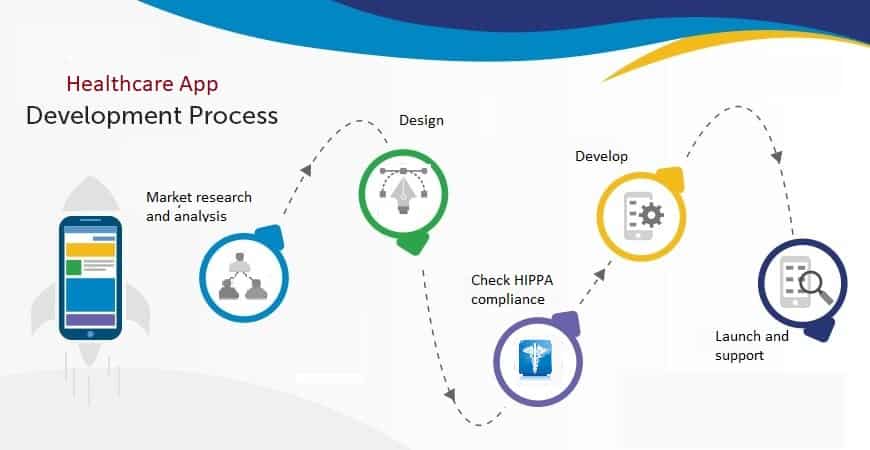
1. Requirement Planning
The first step is understanding the business model, target users, services, patient types, caregiver workflow, and required integrations. This stage defines the feature list and development roadmap.
2. UI/UX Design
The app must be simple and accessible. Many home care users may be elderly patients or family members, so the interface should be clean, readable, and easy to navigate.
3. Backend and API Development
The backend manages users, patient records, appointments, caregiver schedules, monitoring data, notifications, payments, and reports. APIs connect the mobile app, web dashboard, and third-party services.
4. App Development
Developers build patient apps, caregiver apps, doctor dashboards, and admin panels. Each user role should have features based on their responsibility.
5. Integration
The platform can be integrated with wearable devices, payment gateways, video calling tools, SMS services, email systems, EHR systems, and analytics platforms.
6. Testing and Launch
Before launch, the platform should be tested for performance, security, usability, device compatibility, and data accuracy.
7. Maintenance and Support
After launch, the platform needs updates, bug fixes, security monitoring, feature improvements, and user support.
Future of Home Healthcare Platforms
The future of home healthcare will be more connected, personalized, and data-driven. Patients will increasingly use digital tools to manage health from home, while providers will depend on real-time data to deliver better care.
Technologies like AI, IoT devices, wearable sensors, telemedicine, predictive analytics, and automation will make home care more proactive. Instead of reacting after a health problem becomes serious, care teams will be able to identify risks early and provide timely support.
Why Choose Developers App India BM Coder?
Developers App India BM Coder is a software development company experienced in building healthcare, telemedicine, pharmacy, wellness, and home care technology solutions. We focus on creating secure, scalable, and easy-to-use digital platforms that support real healthcare workflows.
We can help you build:
- Home healthcare apps
- Remote patient monitoring platforms
- Caregiver management systems
- Elderly care apps
- Doctor and patient dashboards
- Medication reminder apps
- Telehealth and video consultation platforms
- Healthcare admin panels
- AI-powered health monitoring tools
Conclusion
Home care platforms are changing the way healthcare is delivered. They enable remote patient monitoring, caregiver coordination, medication adherence, real-time communication, and personalized care support. Patients receive better care from the comfort of their homes, while healthcare providers gain better visibility and control over treatment progress.
For healthcare businesses, investing in home healthcare app development can improve patient satisfaction, reduce operational workload, and create scalable digital care services. With the right technology partner, you can build a secure and modern home care platform that supports patients, caregivers, doctors, and administrators.
Build Your Home Healthcare App with Developers App India BM Coder
Want to build a home care platform for remote patient monitoring, caregiver management, elderly care, or digital healthcare support? Developers App India BM Coder can help you develop a secure, scalable, and user-friendly home healthcare app.
Email: [email protected]
WhatsApp: +91.9586979730
Author: parth
Date: 29-04-2026
We to code. It's our passion





you can also reach us at our given
email address or phone number.