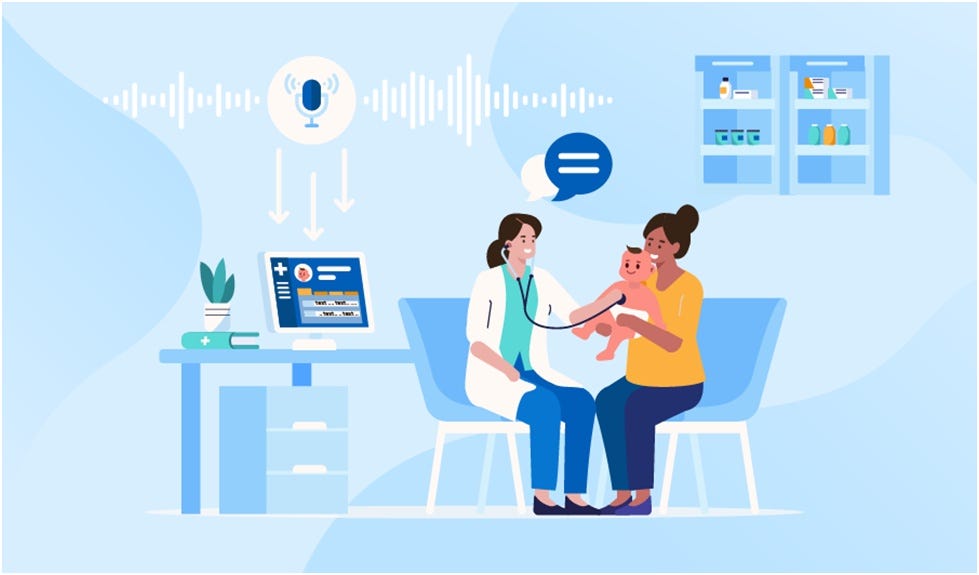
Modern hospitals manage thousands of daily activities involving patients, doctors, nurses, administrators, laboratories, pharmacies, billing teams, and support staff. As healthcare services continue to grow more complex, hospitals face increasing pressure to improve patient care while maintaining operational efficiency.
Traditional manual systems and disconnected software tools often create delays, communication gaps, paperwork overload, billing issues, scheduling conflicts, and data management problems. To solve these challenges, hospitals are increasingly adopting integrated management systems that connect departments, automate workflows, and improve coordination across the entire organization.
Developers App India BM Coder is a software development company that helps healthcare organizations build advanced digital platforms designed for real operational needs. Businesses looking for hospital management software development can benefit from integrated systems that improve efficiency, reduce administrative workload, and enhance patient experiences.
What Is an Integrated Hospital Management System?
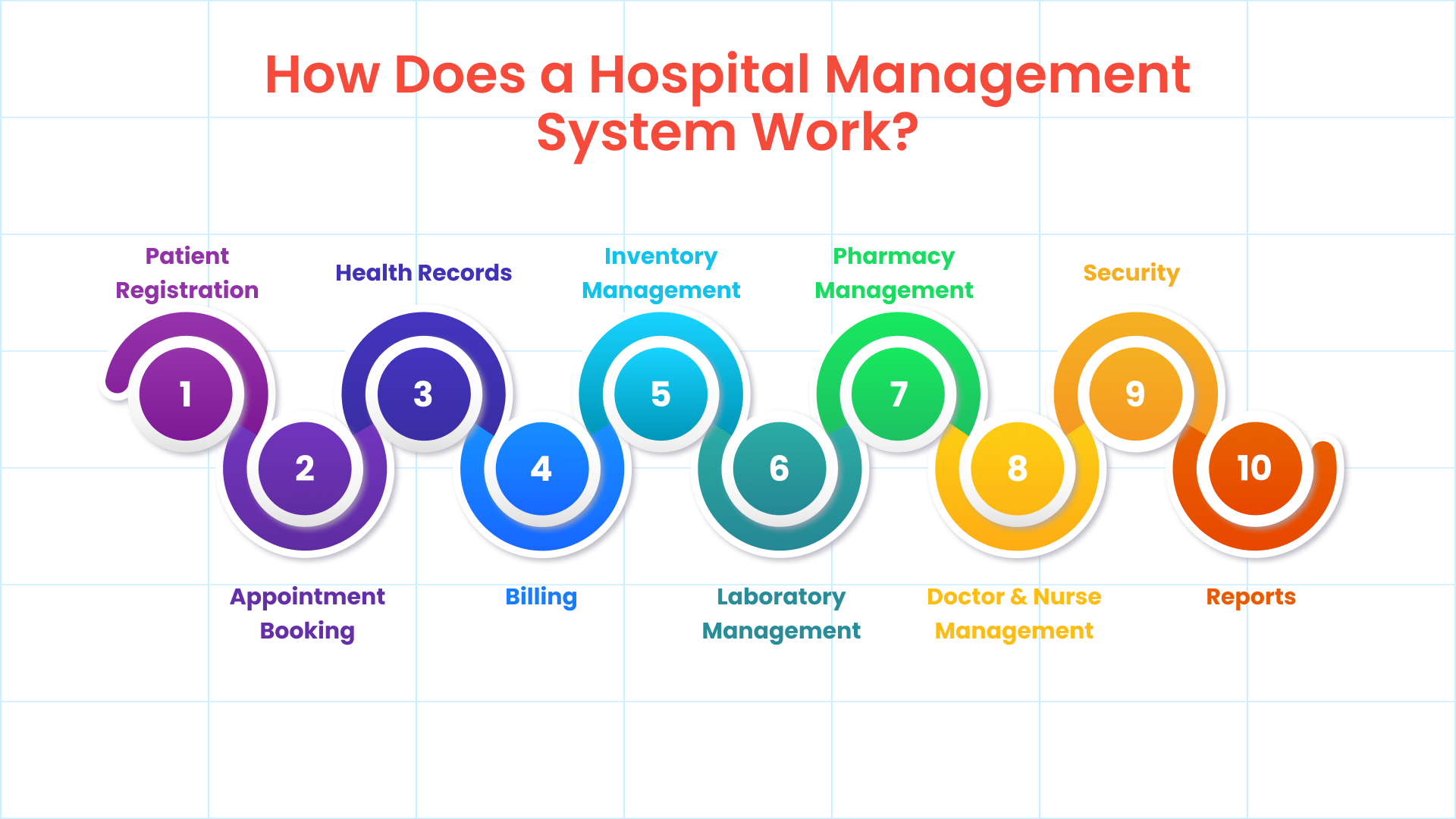
An integrated hospital management system is a centralized digital platform that manages and connects different hospital operations through one secure ecosystem. Instead of using separate tools for appointments, billing, patient records, pharmacy management, laboratory systems, and staff coordination, hospitals can manage all processes from a unified platform.
The system helps automate workflows, reduce manual errors, improve communication, and provide better visibility into hospital operations.
Integrated hospital systems may include:
- Patient registration and management
- Appointment scheduling
- Electronic medical records
- Doctor and staff dashboards
- Billing and payment management
- Pharmacy management
- Laboratory management
- Inventory control
- Ward and bed management
- Telemedicine support
- Reporting and analytics
- Admin and super admin controls
Why Hospitals Need Digital Transformation
Hospitals handle a massive amount of information every day. Without centralized systems, operations can become slow, inefficient, and difficult to manage.
Manual processes often lead to:
- Long patient waiting times
- Appointment confusion
- Paper-based record issues
- Communication delays
- Billing mistakes
- Difficulty tracking inventory
- Poor coordination between departments
- Data duplication and inconsistencies
Integrated management systems solve these problems by streamlining workflows and improving operational control.
How Integrated Systems Improve Hospital Operations
1. Centralized Patient Information
One of the biggest advantages of integrated management systems is centralized patient data. Doctors, nurses, lab teams, pharmacists, and administrators can securely access updated patient information from one platform.
This includes:
- Medical history
- Prescriptions
- Lab reports
- Appointments
- Treatment records
- Billing information
- Discharge summaries
Centralized access improves coordination and reduces the risk of medical errors.
2. Faster Appointment Management
Online scheduling systems simplify appointment booking for patients and staff. Patients can book appointments digitally while hospitals can manage doctor schedules, availability, cancellations, and follow-ups more efficiently.
Automated reminders help reduce missed appointments and improve scheduling accuracy.
3. Improved Communication Between Departments
Hospitals involve multiple departments working together simultaneously. Integrated systems allow departments like radiology, pathology, pharmacy, emergency care, administration, and billing to communicate more effectively.
This improves coordination and speeds up patient care processes.
4. Streamlined Billing and Payments
Manual billing processes often create delays and inaccuracies. Hospital management software automates invoice generation, insurance handling, payment tracking, and financial reporting.
Patients also benefit from faster payment options and digital billing access.
5. Better Inventory and Pharmacy Management
Hospitals must continuously monitor medicines, medical supplies, surgical tools, and equipment. Integrated systems help track inventory levels, expiry dates, supplier information, and stock usage.
This reduces wastage and improves resource planning.
Core Modules of a Hospital Management System
| Module | Purpose | Benefits |
|---|---|---|
| Patient Management | Manage patient records and registration | Improves patient data organization |
| Appointment System | Handle scheduling and follow-ups | Reduces waiting times |
| Billing Management | Automate invoices and payments | Improves financial accuracy |
| Pharmacy Module | Track medicine inventory and prescriptions | Improves stock control |
| Laboratory Management | Manage test reports and diagnostics | Faster report processing |
| Doctor Dashboard | Access patient history and schedules | Improves workflow efficiency |
| Admin Panel | Control operations and analytics | Centralized operational management |
| Bed Management | Track room and bed availability | Better patient allocation |
Benefits of Integrated Hospital Management Systems
Enhanced Patient Experience
Patients receive faster services, easier appointment scheduling, digital reports, quicker billing, and better communication. This creates a smoother healthcare experience.
Reduced Administrative Burden
Automation reduces repetitive manual work and paperwork. Staff can focus more on patient care instead of administrative tasks.
Higher Operational Efficiency
Integrated systems improve workflow coordination between departments, reducing delays and operational bottlenecks.
Improved Decision-Making
Analytics dashboards and reporting systems help hospital management track performance, revenue, patient flow, and resource utilization.
Better Resource Management
Hospitals can optimize staff allocation, bed usage, equipment management, and inventory planning through centralized monitoring.
Role of Electronic Medical Records (EMR)
Electronic Medical Records are one of the most important parts of modern hospital systems. EMRs allow healthcare providers to access patient data digitally instead of depending on physical files.
EMRs help hospitals:
- Reduce paperwork
- Improve data accuracy
- Access records instantly
- Improve treatment coordination
- Maintain treatment history
- Reduce duplicate testing
Integrated EMR systems improve clinical efficiency and patient safety.
Telemedicine and Remote Healthcare Integration
Modern hospital systems increasingly support telemedicine functionality. Patients can connect with doctors through video consultations, online prescriptions, digital reports, and remote follow-up systems.
Telemedicine integration expands healthcare accessibility, especially for remote patients and follow-up consultations.
Hospital Analytics and Reporting
Analytics features provide hospitals with valuable operational insights. Administrators can monitor:
- Daily patient volume
- Doctor performance
- Revenue trends
- Inventory usage
- Bed occupancy rates
- Department efficiency
- Patient satisfaction trends
This data supports smarter decision-making and long-term strategic planning.
Importance of Security in Hospital Management Systems
Hospitals manage highly sensitive patient information. Security must be a top priority during software development.
A secure hospital management system may include:
- Encrypted patient data
- Role-based access control
- Secure cloud infrastructure
- Two-factor authentication
- Audit logs
- Backup and recovery systems
- API security
- Compliance-ready architecture
Strong security protects patient privacy and builds trust in digital healthcare systems.
How Integrated Systems Support Multi-Specialty Hospitals
Large hospitals often include multiple departments such as cardiology, neurology, orthopedics, radiology, oncology, emergency care, pathology, and surgery.
Integrated systems connect these departments into one centralized ecosystem. This allows healthcare providers to collaborate more efficiently and provide better coordinated patient care.
Role of Mobile Applications in Hospital Management
Mobile applications improve accessibility for patients, doctors, and hospital staff. A hospital mobile app may include:
- Appointment booking
- Digital reports
- Prescription access
- Telemedicine support
- Emergency notifications
- Billing and payment access
- Patient support chat
Mobile-first healthcare experiences improve engagement and convenience.
Technology Stack for Hospital Management Software Development
| Technology Layer | Common Technologies |
|---|---|
| Frontend Development | React.js, Next.js, Angular |
| Mobile App Development | React Native, Flutter |
| Backend Development | Node.js, Django, Laravel, .NET |
| Database | MongoDB, PostgreSQL, MySQL |
| Cloud Infrastructure | AWS, Azure, Google Cloud |
| Security Systems | JWT, OAuth, Encryption Protocols |
Development Process for Hospital Management Software
Requirement Analysis
The process begins with understanding hospital workflows, departments, patient flow, operational challenges, and feature requirements.
UI/UX Planning
Healthcare interfaces must remain simple, fast, and easy to navigate for both patients and staff.
Backend Development
The backend handles APIs, databases, security systems, integrations, and operational logic.
Frontend and Mobile Development
Web portals, patient apps, doctor dashboards, and admin systems are developed during this stage.
Testing and Security Validation
The platform undergoes usability testing, performance testing, bug fixing, and security verification before deployment.
Deployment and Maintenance
After launch, ongoing maintenance ensures performance optimization, updates, feature upgrades, and technical support.
Challenges Hospitals Face Without Integrated Systems
| Operational Challenge | Impact Without Integration |
|---|---|
| Patient Record Management | Scattered and inconsistent information |
| Department Coordination | Communication delays |
| Billing Processes | Manual errors and slow processing |
| Inventory Tracking | Stock shortages and wastage |
| Appointment Scheduling | Long wait times and confusion |
| Analytics Reporting | Limited visibility into operations |
Future Trends in Hospital Digital Transformation
Healthcare technology continues to evolve rapidly. Future-ready hospital systems may include:
- AI-powered diagnostics
- Predictive healthcare analytics
- Voice-enabled systems
- IoT-connected medical devices
- Cloud-native hospital ecosystems
- Smart patient monitoring systems
- Automation-driven workflows
Hospitals that invest in digital transformation today will be better prepared for future healthcare demands.
Why Choose Developers App India BM Coder?
Developers App India BM Coder develops scalable and customized healthcare software solutions designed around real operational requirements.
Whether you need a hospital management system, telemedicine platform, patient portal, pharmacy management solution, admin dashboard, or complete healthcare ecosystem, the team focuses on creating secure and user-friendly digital platforms.
The goal is to help hospitals streamline operations, improve patient care, and build long-term digital infrastructure for sustainable growth.
Final Thoughts
Integrated hospital management systems are transforming healthcare operations by connecting departments, automating workflows, improving communication, and centralizing patient information.
These systems help hospitals reduce manual workload, improve efficiency, optimize resources, and deliver better patient experiences. As healthcare organizations continue to grow, digital transformation becomes essential for long-term success.
Hospitals that adopt integrated digital platforms today will be better positioned to provide efficient, scalable, and patient-focused healthcare services in the future.
Build a Modern Hospital Management System with Developers App India BM Coder
Looking to create a secure and scalable hospital management platform tailored to your operational needs? Developers App India BM Coder helps healthcare organizations build advanced digital solutions for hospitals, clinics, and healthcare businesses.
Email: [email protected]
WhatsApp: +91.9586979730
Author: parth
Date: 12-05-2026
We to code. It's our passion






you can also reach us at our given
email address or phone number.