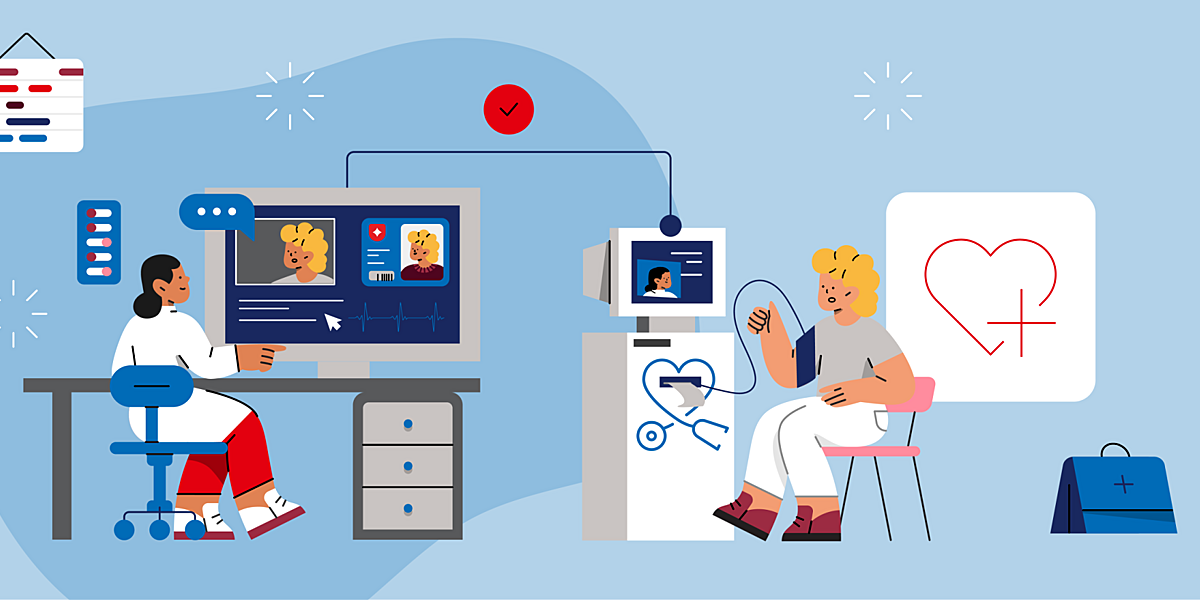
The healthcare industry is undergoing a major digital transformation, and hospitals are increasingly adopting remote care platforms to improve healthcare accessibility, patient engagement, and operational efficiency. Modern patients expect healthcare services that are fast, convenient, secure, and accessible from anywhere. Traditional healthcare systems alone are no longer enough to meet these growing expectations.
Remote care platforms are helping hospitals extend medical services beyond physical facilities by enabling virtual consultations, remote patient monitoring, digital communication, online prescriptions, and AI-powered healthcare support. These technologies allow healthcare providers to deliver continuous care while improving patient outcomes and reducing operational challenges.
Hospitals worldwide are now investing heavily in telehealth ecosystems because they improve healthcare accessibility for rural patients, reduce unnecessary hospital visits, streamline healthcare operations, and support long-term patient care management.
At Developers App India, we help healthcare organizations build scalable and secure telemedicine application development designed to support modern hospital systems with advanced digital healthcare capabilities and remote patient care technologies.
What Are Remote Care Platforms?
Remote care platforms are digital healthcare systems that allow hospitals and healthcare providers to deliver medical services virtually using mobile applications, web platforms, cloud infrastructure, and real-time communication technologies.
These platforms support:
- Virtual doctor consultations
- Video conferencing
- Remote patient monitoring
- Digital prescriptions
- Electronic health records
- Secure messaging systems
- Appointment scheduling
- Health tracking dashboards
- AI-powered healthcare automation
- Telehealth communication systems
Remote care technologies extend hospital services beyond physical locations and improve overall healthcare accessibility.
Why Hospitals Are Adopting Remote Care Platforms
Hospitals face increasing pressure to improve patient experiences, reduce operational costs, manage growing patient populations, and provide accessible healthcare services.
Remote care platforms solve many of these challenges by creating efficient digital healthcare ecosystems.
| Hospital Challenge | Remote Care Solution |
|---|---|
| Long patient waiting times | Virtual consultations |
| Limited specialist availability | Remote specialist access |
| Hospital overcrowding | Remote patient monitoring |
| High operational costs | Digital workflow automation |
| Patient follow-up difficulties | Automated engagement systems |
| Geographical limitations | Anywhere healthcare access |
These systems improve healthcare delivery while increasing operational efficiency.
Virtual Consultations Improve Healthcare Accessibility
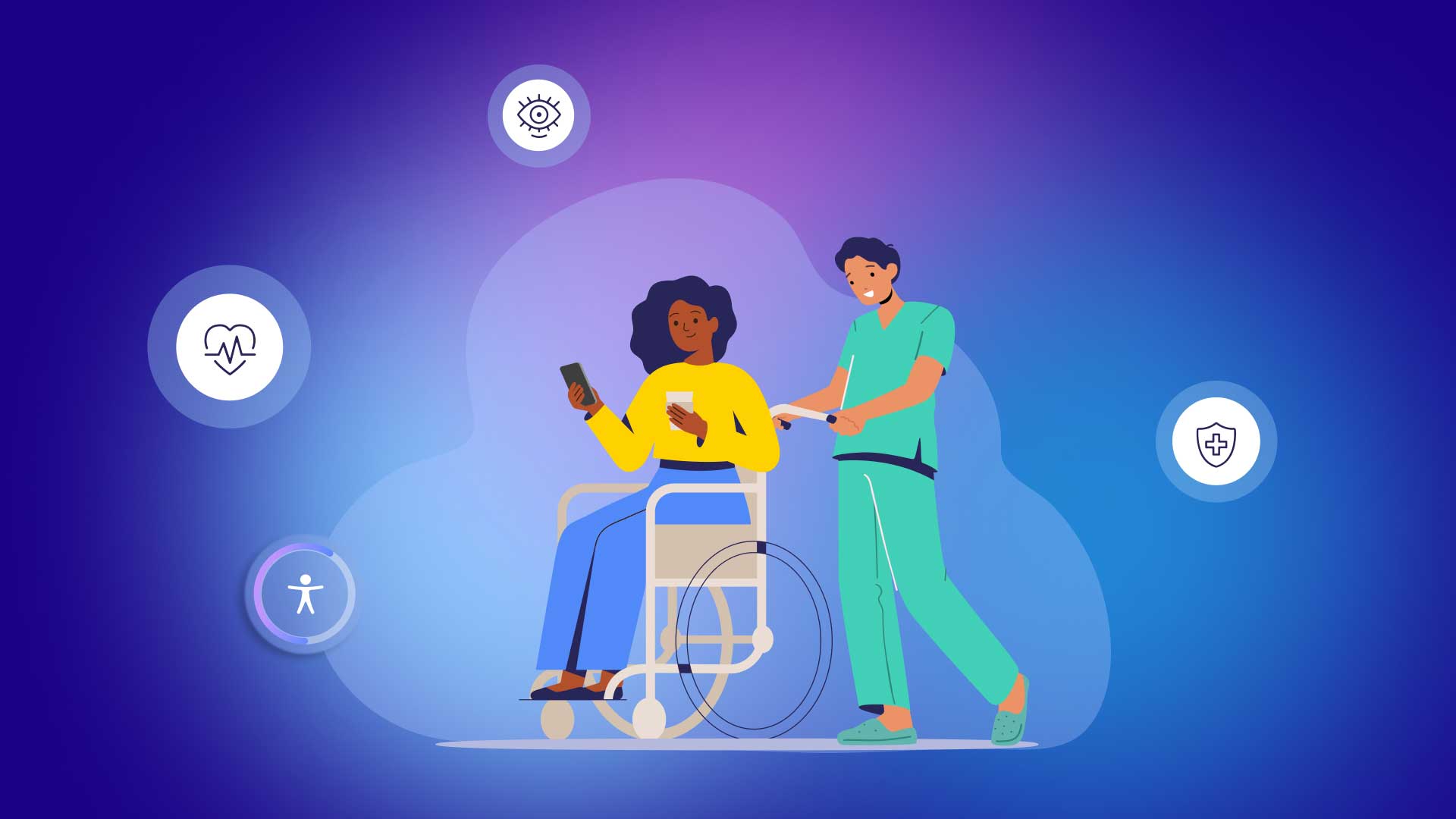
One of the biggest advantages of remote care platforms is virtual consultation capability.
Hospitals can now connect doctors and patients remotely through:
- Video consultations
- Audio calls
- Secure chat systems
- Digital healthcare portals
- Mobile telehealth apps
Virtual consultations help patients receive medical advice without visiting hospitals physically, especially in non-emergency situations.
Benefits of Virtual Consultations
- Reduced travel time
- Faster appointment access
- Improved healthcare accessibility
- Better specialist availability
- Reduced hospital crowding
- Continuous patient care
Hospitals using telehealth consultation systems can serve more patients efficiently while reducing infrastructure pressure.
Remote Patient Monitoring in Hospitals
Remote patient monitoring is transforming modern healthcare delivery.
Hospitals now use connected healthcare devices and IoT technologies to monitor patient conditions outside hospital facilities.
| Monitoring Feature | Purpose |
|---|---|
| Heart Rate Monitoring | Cardiac patient tracking |
| Blood Pressure Monitoring | Chronic care management |
| Glucose Tracking | Diabetes monitoring |
| Oxygen Level Monitoring | Respiratory condition support |
| Medication Tracking | Treatment adherence |
| Sleep Tracking | Patient wellness analysis |
Remote monitoring helps hospitals detect health issues early and provide proactive care management.
How AI Improves Remote Healthcare Platforms
Artificial intelligence is becoming a major component of modern remote care systems.
AI technologies improve healthcare automation, diagnostics, analytics, and patient engagement.
AI Capabilities in Telehealth Platforms
- AI symptom checking
- Predictive analytics
- Smart patient triage
- Automated appointment scheduling
- Healthcare chatbots
- Behavioral health analysis
- Patient risk assessment
- Clinical decision support
AI-powered systems help hospitals improve healthcare efficiency while reducing administrative workload.
Electronic Health Records Improve Treatment Continuity
Electronic health records (EHR) are critical components of successful hospital telehealth systems.
EHR integration enables doctors to access:
- Patient history
- Medical reports
- Prescriptions
- Lab results
- Consultation notes
- Treatment plans
- Medication records
- Healthcare analytics
Centralized digital records improve treatment continuity and healthcare decision-making.
Remote Care Platforms Support Rural Healthcare
One of the biggest healthcare challenges globally is limited healthcare access in rural and remote areas.
Hospitals use telehealth systems to extend healthcare services to underserved populations through:
- Remote consultations
- Mobile healthcare applications
- Virtual specialist access
- Digital prescriptions
- Online follow-ups
- Tele-radiology systems
- Remote diagnostics
This significantly improves healthcare accessibility for patients who cannot easily travel to urban hospitals.
Patient Engagement Through Digital Healthcare Platforms
Successful remote care systems improve patient engagement by creating continuous communication channels between hospitals and patients.
Digital engagement tools include:
- Appointment reminders
- Medication notifications
- Wellness tracking
- Secure messaging
- Patient education resources
- Digital healthcare dashboards
- Health alerts
- Virtual follow-ups
Higher patient engagement often leads to improved treatment adherence and better health outcomes.
Cloud Infrastructure for Scalable Hospital Systems
Hospitals require scalable and reliable healthcare infrastructure to support growing patient demand.
Cloud-based telehealth systems provide:
- High system availability
- Scalable server infrastructure
- Real-time data synchronization
- Secure patient data storage
- Fast healthcare data processing
- Disaster recovery systems
- Global accessibility
Cloud technologies help hospitals expand digital healthcare services efficiently.
Importance of Data Security in Remote Care Platforms
Healthcare data security is critical because hospitals handle highly sensitive patient information.
Modern remote care systems implement:
- End-to-end encryption
- HIPAA compliance
- GDPR compliance
- Secure authentication systems
- Role-based access control
- Encrypted cloud databases
- Multi-factor authentication
- Security monitoring systems
Strong cybersecurity frameworks protect patient privacy and maintain healthcare compliance standards.
How Remote Care Platforms Reduce Hospital Costs
Telehealth systems help hospitals reduce operational expenses while improving efficiency.
| Traditional Cost Area | Remote Care Optimization |
|---|---|
| Physical infrastructure costs | Virtual consultations |
| Administrative workload | Workflow automation |
| Paper documentation | Digital records |
| Hospital readmissions | Continuous patient monitoring |
| Manual appointment handling | Automated scheduling systems |
Digital healthcare technologies improve both financial and operational performance for hospitals.
Specialized Hospital Services Supported by Telehealth
Hospitals use remote care systems across multiple medical departments.
Common Telehealth Applications
- Mental health counseling
- Cardiology monitoring
- Diabetes management
- Dermatology consultations
- Pediatric telemedicine
- Post-surgical follow-ups
- Chronic disease management
- Rehabilitation support
Remote care technologies help hospitals expand specialized healthcare services efficiently.
How Mobile Apps Improve Hospital Telehealth Services
Mobile healthcare applications are central to modern remote care ecosystems.
Patients can use hospital apps to:
- Book appointments
- Join video consultations
- Access medical records
- Track medications
- Communicate with doctors
- Receive prescriptions
- Monitor health progress
- Get healthcare notifications
Mobile-first healthcare systems improve convenience and patient satisfaction.
Analytics and Reporting for Hospital Management

Advanced analytics help hospitals optimize healthcare delivery and operational planning.
Hospital dashboards provide insights into:
- Patient engagement
- Doctor productivity
- Appointment statistics
- Healthcare outcomes
- Revenue tracking
- Operational efficiency
- Patient satisfaction
- Treatment adherence
Data-driven healthcare management improves decision-making and long-term hospital growth.
Future Trends in Hospital Remote Care Platforms
The future of hospital telehealth systems will continue evolving with advanced healthcare technologies.
Emerging Healthcare Innovations
- AI-powered diagnostics
- Wearable healthcare integration
- Blockchain healthcare security
- 5G-enabled telemedicine
- Virtual reality healthcare
- Predictive patient analytics
- Voice-enabled healthcare systems
- Smart hospital ecosystems
Hospitals adopting these technologies early can improve competitiveness and healthcare innovation.
Challenges Hospitals Face in Remote Care Implementation
While telehealth systems offer major benefits, hospitals also face implementation challenges.
Common Challenges
- Healthcare compliance requirements
- Cybersecurity risks
- Infrastructure scalability
- Integration complexity
- Patient technology adoption
- Healthcare staff training
- Data management challenges
- Reliable communication infrastructure
Professional healthcare software development teams help hospitals overcome these challenges effectively.
Why Hospitals Need Professional Telehealth Development
Developing enterprise-grade hospital telehealth platforms requires expertise in:
- Healthcare compliance
- Cloud architecture
- AI integration
- Cybersecurity
- Scalable healthcare infrastructure
- Healthcare UI/UX design
- API integration
- Remote monitoring systems
Experienced healthcare software developers ensure secure, scalable, and future-ready digital healthcare systems.
How Developers App India BM Coder Helps Hospitals Build Remote Care Platforms
Developers App India BM Coder specializes in advanced healthcare software development solutions for hospitals, healthcare startups, clinics, and enterprises.
Our expertise includes:
- Telehealth application development
- Hospital management software
- AI-powered healthcare systems
- Remote patient monitoring solutions
- Healthcare dashboard development
- Cross-platform healthcare apps
- HIPAA-compliant healthcare platforms
- Cloud-based healthcare infrastructure
We focus on scalability, security, performance, and patient-centered healthcare innovation.
Build a Secure Telehealth Platform for Your Hospital
Looking to extend patient services with a scalable remote care platform?
Developers App India BM Coder helps hospitals create advanced telehealth ecosystems tailored for modern digital healthcare delivery.
Email: [email protected]
WhatsApp: +91.9586979730
Conclusion
Remote care platforms are transforming hospital operations by extending healthcare services beyond traditional physical facilities. Through telehealth consultations, remote patient monitoring, AI-powered healthcare systems, and secure digital communication, hospitals can improve healthcare accessibility, operational efficiency, and patient engagement.
As digital healthcare adoption continues accelerating worldwide, telehealth technologies will become essential components of modern hospital ecosystems. Hospitals investing in scalable and secure remote care platforms today will be better positioned to deliver future-ready healthcare experiences while improving patient outcomes and long-term operational growth.
With the right healthcare technology strategy and development partner, hospitals can create intelligent telehealth systems that support continuous patient care and sustainable digital healthcare transformation.
Blog ID: 1538Author: parth
Date: 08-05-2026
We to code. It's our passion





you can also reach us at our given
email address or phone number.