
In vitro fertilization (IVF) clinics operate within one of the most complex and emotionally sensitive sectors of healthcare. Managing fertility treatments requires precise scheduling, patient monitoring, hormonal cycle tracking, laboratory coordination, secure communication, and personalized care plans. Each patient journey can span months, involving multiple clinical stages, medical professionals, and emotional milestones.
Traditional manual systems or fragmented software solutions often create inefficiencies that affect both operational performance and patient satisfaction. Today, digital systems are reshaping IVF clinic management by streamlining patient journeys, improving communication, automating workflows, and enhancing treatment outcomes.
Custom-built digital platforms allow IVF clinics to provide more organized, data-driven, and patient-centric experiences. For healthcare organizations seeking advanced fertility technology, partnering with an IVF clinic management app development company helps create specialized solutions tailored to fertility care operations.
The Complexity of IVF Patient Journeys
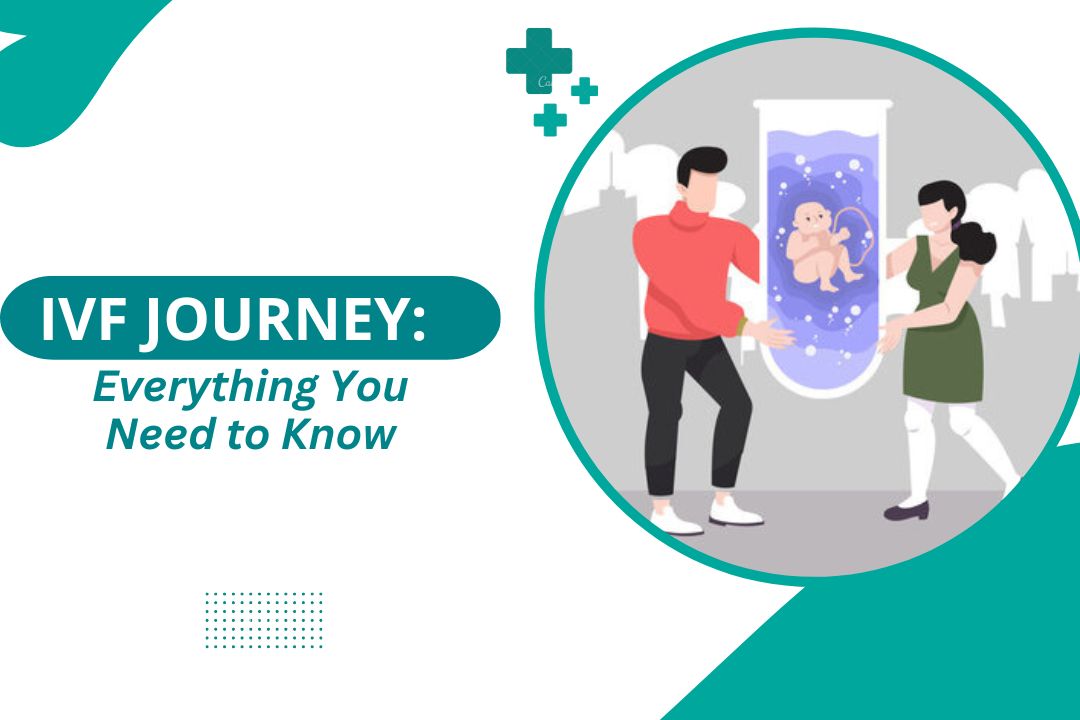
IVF treatment involves highly coordinated stages that require precision and consistency:
- Initial fertility consultations
- Diagnostic assessments
- Hormonal stimulation schedules
- Follicle monitoring
- Egg retrieval procedures
- Embryology lab management
- Embryo transfer scheduling
- Pregnancy monitoring
- Emotional support services
Managing these interconnected stages manually increases the risk of:
- Scheduling conflicts
- Medication non-compliance
- Delayed communication
- Fragmented medical records
- Administrative burden
- Patient dissatisfaction
Digital systems solve these challenges by centralizing every aspect of care into one coordinated ecosystem.
Key Features of IVF Clinic Digital Systems
| Feature | Purpose | Operational Benefit |
|---|---|---|
| Patient Journey Tracking | Monitor every treatment stage | Improved continuity of care |
| Cycle Management Tools | Track hormonal and reproductive cycles | Higher treatment precision |
| Appointment Automation | Manage consultations, scans, and procedures | Reduced no-shows |
| Medication Management | Provide dosing reminders and prescriptions | Better patient compliance |
| Laboratory Integration | Sync embryology and test data | Faster clinical decisions |
| Telehealth Services | Virtual consultations and support | Expanded accessibility |
| Billing & Insurance | Financial workflow management | Administrative efficiency |
How Digital Systems Improve IVF Patient Management
1. Centralized Patient Profiles
Digital IVF systems create comprehensive patient records that include:
- Medical history
- Diagnostic results
- Treatment milestones
- Medication plans
- Lab reports
- Financial data
This unified view enables fertility specialists to make faster, better-informed decisions while minimizing record fragmentation.
2. Personalized Treatment Pathways
Every IVF patient requires individualized protocols. Digital platforms support customized care plans based on:
- Age
- Hormonal profiles
- Medical conditions
- Previous fertility history
- Response to treatment
Patients gain visibility into their journey through user-friendly dashboards, helping reduce anxiety and increase engagement.
3. Automated Scheduling and Reminders
Time-sensitive treatments are essential in IVF. Automated scheduling systems help coordinate:
- Hormone injections
- Ultrasounds
- Blood tests
- Egg retrieval appointments
- Embryo transfer dates
Automated reminders improve adherence and operational reliability.
Medication and Hormonal Cycle Tracking
Medication management is one of the most critical components of IVF care. Digital platforms provide:
- Injection reminders
- Dosage instructions
- Prescription renewals
- Hormone tracking
- Side-effect monitoring
This significantly improves compliance, which directly impacts treatment outcomes.
Laboratory Integration for Better IVF Coordination

Embryology laboratories play a central role in IVF success. Integrated systems allow clinics to manage:
- Embryo grading
- Fertilization progress
- Genetic screening results
- Cryopreservation records
- Procedure documentation
By connecting lab data with patient management systems, providers can improve accuracy and accelerate treatment decisions.
Telemedicine and Remote Fertility Support
Modern IVF platforms increasingly include telehealth services for:
- Initial consultations
- Second opinions
- Counseling
- Medication reviews
- Follow-up visits
This allows clinics to serve wider geographic regions while improving convenience for patients.
Improving Emotional Support Through Digital Tools
Fertility treatment can be emotionally challenging. Digital systems enhance patient support through:
- Mental wellness resources
- Educational content
- Secure messaging with care teams
- Progress updates
- Support group integrations
These tools create a more compassionate and patient-centered experience.
Administrative and Financial Workflow Automation
IVF clinics also benefit operationally through:
- Insurance verification
- Billing automation
- Revenue management
- Inventory tracking
- Compliance reporting
- Staff scheduling
Automation reduces costs while improving scalability.
Security and Compliance Considerations
IVF systems must manage highly sensitive patient and reproductive data. Key security requirements include:
- HIPAA compliance
- GDPR compliance
- Encrypted patient records
- Role-based access control
- Secure patient authentication
- Audit trails
Custom software solutions ensure fertility clinics remain legally compliant while protecting patient trust.
AI and Analytics in IVF Digital Platforms
Advanced digital systems are integrating AI for:
- Embryo quality assessment
- Success rate prediction
- Treatment optimization
- Patient behavior analysis
- Operational forecasting
Analytics dashboards provide administrators with insights into:
- Patient retention
- Treatment outcomes
- Procedure success rates
- Financial performance
- Clinic productivity
Benefits of Digital IVF Systems for Patients
| Patient Benefit | Impact |
|---|---|
| Real-Time Journey Tracking | Greater treatment transparency |
| Medication Alerts | Improved adherence |
| Secure Communication | Faster provider access |
| Telehealth Access | Convenience |
| Educational Resources | Better patient confidence |
Benefits for IVF Clinics
- Operational efficiency
- Higher patient satisfaction
- Improved treatment coordination
- Scalable infrastructure
- Reduced administrative burden
- Enhanced revenue performance
Custom IVF Software vs Generic Healthcare Platforms
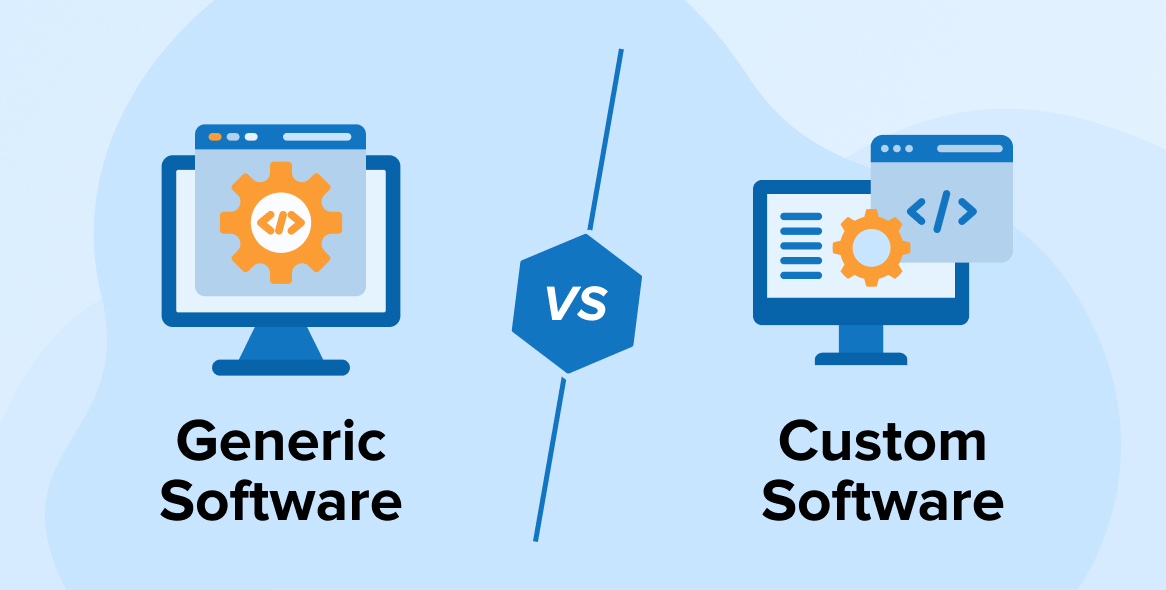
Generic healthcare software often lacks fertility-specific capabilities such as:
- Cycle management
- Embryology workflows
- Medication protocols
- Treatment journey visualization
- Specialized fertility reporting
Custom development ensures alignment with the unique demands of fertility medicine.
Future Trends in IVF Digital Transformation
Emerging innovations include:
- AI-assisted embryo grading
- Predictive fertility analytics
- Wearable reproductive monitoring
- Blockchain medical records
- Advanced patient mobile ecosystems
These technologies will continue improving IVF success rates and patient experiences.
Why IVF Clinics Should Prioritize Digital Systems
Growing fertility treatment demand, rising patient expectations, and increasing operational complexity make digital transformation essential for IVF clinics.
Clinics investing in modern systems can:
- Improve treatment accuracy
- Expand patient reach
- Enhance operational efficiency
- Strengthen competitive advantage
- Deliver superior patient experiences
Build a Smarter Digital Future for Your IVF Clinic
Developers App India BM Coder provides advanced custom healthcare software solutions for IVF clinics, fertility centers, and reproductive healthcare organizations.
Email: [email protected]
WhatsApp: +91 9586979730
Conclusion
Digital systems are transforming how IVF clinics manage patient journeys by improving treatment coordination, patient engagement, operational workflows, and clinical precision. From cycle tracking to laboratory integration and telehealth services, modern platforms provide fertility clinics with the infrastructure needed to deliver high-quality, scalable care.
As reproductive healthcare continues evolving, custom digital platforms will play an increasingly critical role in improving patient outcomes, operational performance, and long-term growth. IVF clinics that embrace digital innovation today position themselves as leaders in the future of fertility care.
Blog ID: 1499Author: parth
Date: 29-04-2026
We to code. It's our passion










you can also reach us at our given
email address or phone number.