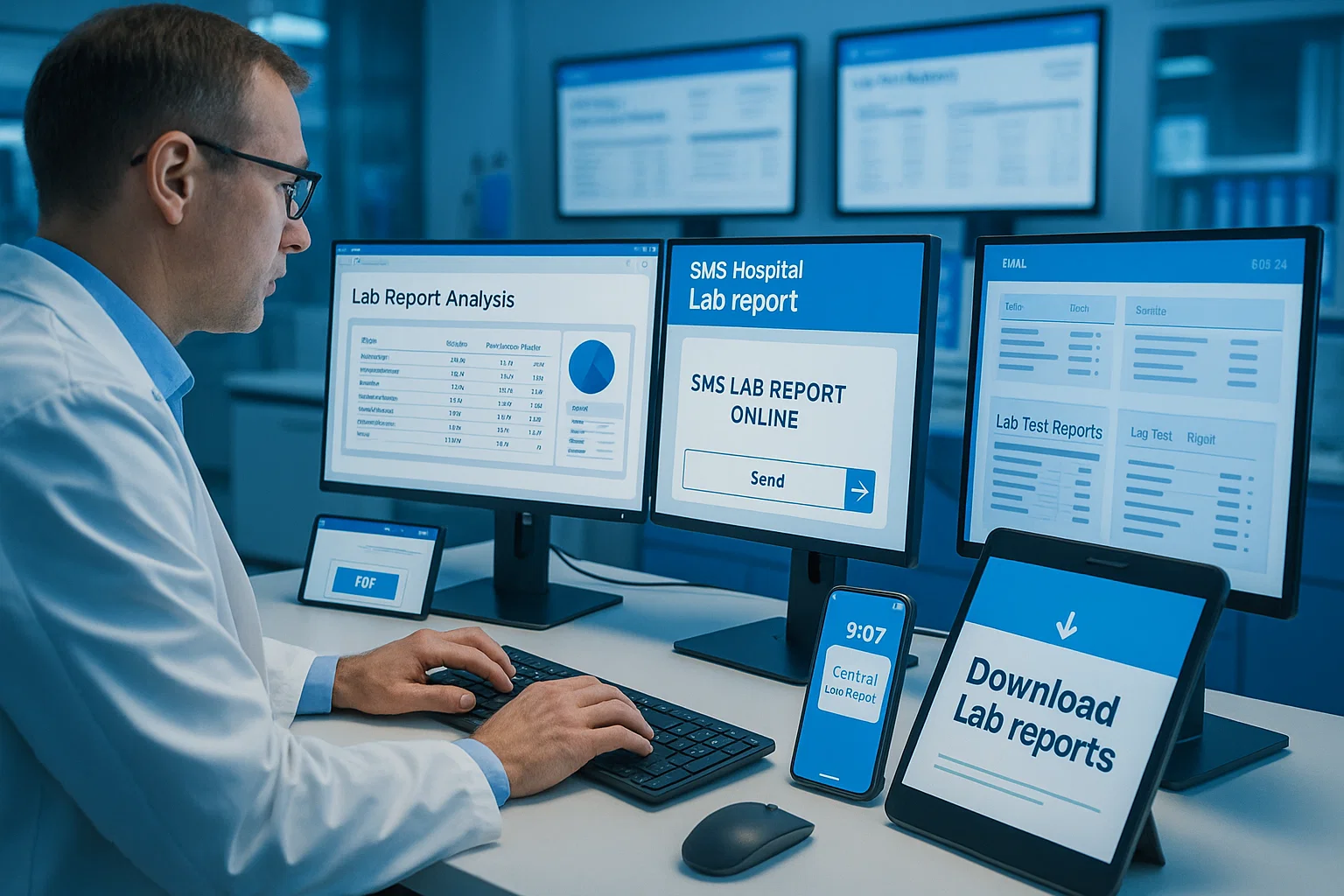
The diagnostic healthcare industry is undergoing rapid digital transformation as laboratories, diagnostic centers, and healthcare providers seek more efficient ways to manage patient interactions, test scheduling, reporting workflows, and operational scalability. Traditional laboratory systems often involve fragmented booking processes, delayed reporting, paper-based records, and limited patient engagement—leading to inefficiencies, missed appointments, and reduced patient satisfaction.
Modern lab platforms are solving these challenges by digitizing the entire diagnostic ecosystem through online test booking, automated sample tracking, digital reporting, secure patient portals, integrated payments, and real-time communication systems. These platforms significantly improve convenience for patients while helping laboratories streamline internal operations, reduce errors, and scale more effectively.
Healthcare organizations aiming to modernize their diagnostic services can leverage custom healthcare software development to build robust, compliant, and scalable lab management platforms tailored to their operational goals.
The Growing Need for Digital Diagnostic Lab Platforms

Diagnostic services are critical for preventive care, chronic disease management, and treatment planning. However, traditional systems frequently face challenges such as:
- Manual appointment scheduling
- Long patient wait times
- Delayed test result delivery
- Inefficient report management
- Poor communication between labs and patients
- Limited home sample collection coordination
- Administrative bottlenecks
Digital lab platforms address these limitations by offering end-to-end workflow automation and patient-centric accessibility.
Core Functions of Modern Lab Platforms
| Platform Feature | Operational Purpose | Patient Benefit |
|---|---|---|
| Online Test Booking | Appointment scheduling automation | Convenience and faster booking |
| Home Sample Collection Scheduling | Remote diagnostics access | Improved accessibility |
| Digital Report Delivery | Instant result sharing | Faster medical decisions |
| Patient Portals | Health data management | Transparency and engagement |
| Automated Notifications | Workflow communication | Reduced missed appointments |
| Integrated Billing | Payment processing | Simplified transactions |
How Lab Platforms Improve Test Booking Efficiency
1. Online Scheduling and Test Selection
Patients can browse available diagnostic services, compare packages, select preferred time slots, and complete bookings through mobile or web platforms.
Key advantages include:
- 24/7 booking availability
- Reduced front-desk workload
- Instant confirmations
- Dynamic slot management
- Fewer scheduling conflicts
This automation significantly improves both operational efficiency and patient satisfaction.
2. Home Collection Integration
Modern lab platforms support on-demand home sample collection, allowing users to schedule phlebotomist visits directly from the platform.
This is especially valuable for:
- Elderly patients
- Chronic disease monitoring
- Rural populations
- Busy professionals
- Post-surgical patients
By expanding diagnostic reach, platforms create new revenue opportunities while improving healthcare accessibility.
Automating Laboratory Reporting and Result Management
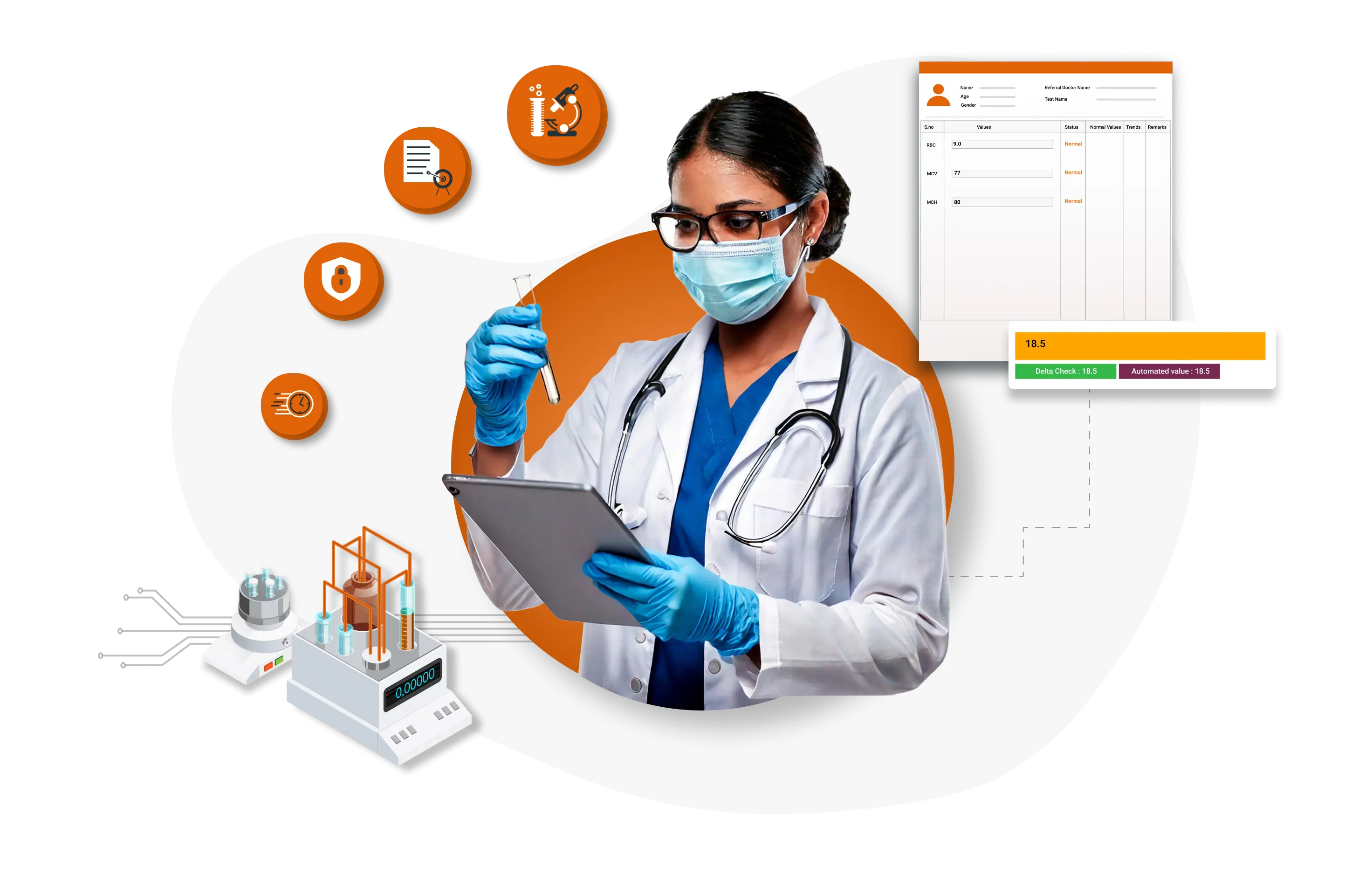
Real-Time Test Tracking
Patients and providers can monitor:
- Booking confirmation
- Sample collection status
- Lab processing stages
- Quality verification
- Final report readiness
This transparency reduces uncertainty and improves patient trust.
Digital Report Access
Secure online portals provide:
- PDF reports
- Historical test archives
- Trend analysis
- Doctor sharing options
- Multi-device accessibility
Patients no longer need physical report collection, accelerating diagnosis and treatment decisions.
AI-Enhanced Diagnostic Support
Advanced platforms may include AI tools that:
- Flag abnormal values
- Highlight critical reports
- Predict health risks
- Support physicians with faster interpretations
These technologies enhance diagnostic speed and clinical effectiveness.
Improving Patient Engagement Through Diagnostic Apps
Digital engagement is becoming increasingly important in laboratory services.
Patient-Centered Features
- Personalized dashboards
- Appointment reminders
- Preventive screening alerts
- Health package recommendations
- Integrated physician referrals
These tools increase repeat bookings and improve preventive healthcare participation.
Loyalty Programs and Wellness Plans
Lab apps can also offer:
- Membership plans
- Corporate wellness packages
- Subscription diagnostics
- Discounted preventive screenings
Such features support long-term customer retention and recurring revenue.
Operational Benefits for Diagnostic Businesses
| Business Benefit | Operational Impact |
|---|---|
| Workflow Automation | Reduced administrative burden |
| Patient Retention | Higher repeat business |
| Data Centralization | Better reporting accuracy |
| Revenue Diversification | Expanded service offerings |
| Scalable Infrastructure | Faster growth potential |
For lab operators, digital platforms create measurable improvements in profitability, service quality, and competitive positioning.
Integration with Broader Healthcare Ecosystems
Lab platforms increasingly integrate with:
- Hospitals
- Clinics
- Electronic Health Records (EHR)
- Telemedicine platforms
- Pharmacy systems
- Insurance providers
This interoperability ensures smoother healthcare coordination and comprehensive patient care journeys.
Security and Compliance in Diagnostic Lab Software

Because diagnostic data involves sensitive medical records, compliance is essential.
Critical standards include:
- HIPAA compliance
- GDPR compliance
- HL7/FHIR integration standards
- End-to-end encryption
- Role-based permissions
- Audit trails
Strong security frameworks are crucial for patient trust and regulatory protection.
Challenges in Lab Platform Development
Developing advanced diagnostic systems requires addressing:
- Complex booking workflows
- Real-time logistics coordination
- Lab equipment integration
- Regulatory compliance
- Scalable architecture
- AI validation for clinical support
Partnering with experienced healthcare app developers helps ensure successful implementation.
Future Trends in Diagnostic Lab Platforms
Emerging innovations include:
- AI-powered diagnostics
- At-home diagnostic kits
- IoT-enabled sample tracking
- Blockchain health records
- Voice-enabled healthcare assistants
- Predictive preventive health analytics
These technologies will further personalize diagnostics while expanding access globally.
Why Diagnostic Businesses Should Invest in Digital Lab Platforms
Digital transformation offers strategic advantages:
- Enhanced patient experience
- Higher operational efficiency
- Broader market reach
- Improved brand competitiveness
- Scalable recurring revenue models
For modern diagnostic providers, digital platforms are becoming essential infrastructure rather than optional upgrades.
Conclusion
Lab platforms are transforming the diagnostic healthcare landscape by streamlining test booking, automating reporting, improving patient access, and enhancing overall operational efficiency. Through online scheduling, home sample collection, secure digital reports, AI-enhanced diagnostics, and patient engagement tools, diagnostic businesses can offer superior services while scaling sustainably.
As healthcare continues moving toward digital-first ecosystems, investing in advanced diagnostic lab app development is critical for providers seeking long-term growth, improved patient satisfaction, and competitive advantage.
Build Advanced Diagnostic Lab Platforms with Developers App India BM Coder
We specialize in secure, scalable, and feature-rich healthcare software solutions for diagnostic labs, telemedicine providers, and digital healthcare enterprises.
Email: [email protected]
WhatsApp: +91 9586979730
Contact us today to develop innovative lab management platforms that improve diagnostics, patient access, and business scalability.
Author: parth
Date: 29-04-2026
We to code. It's our passion









you can also reach us at our given
email address or phone number.