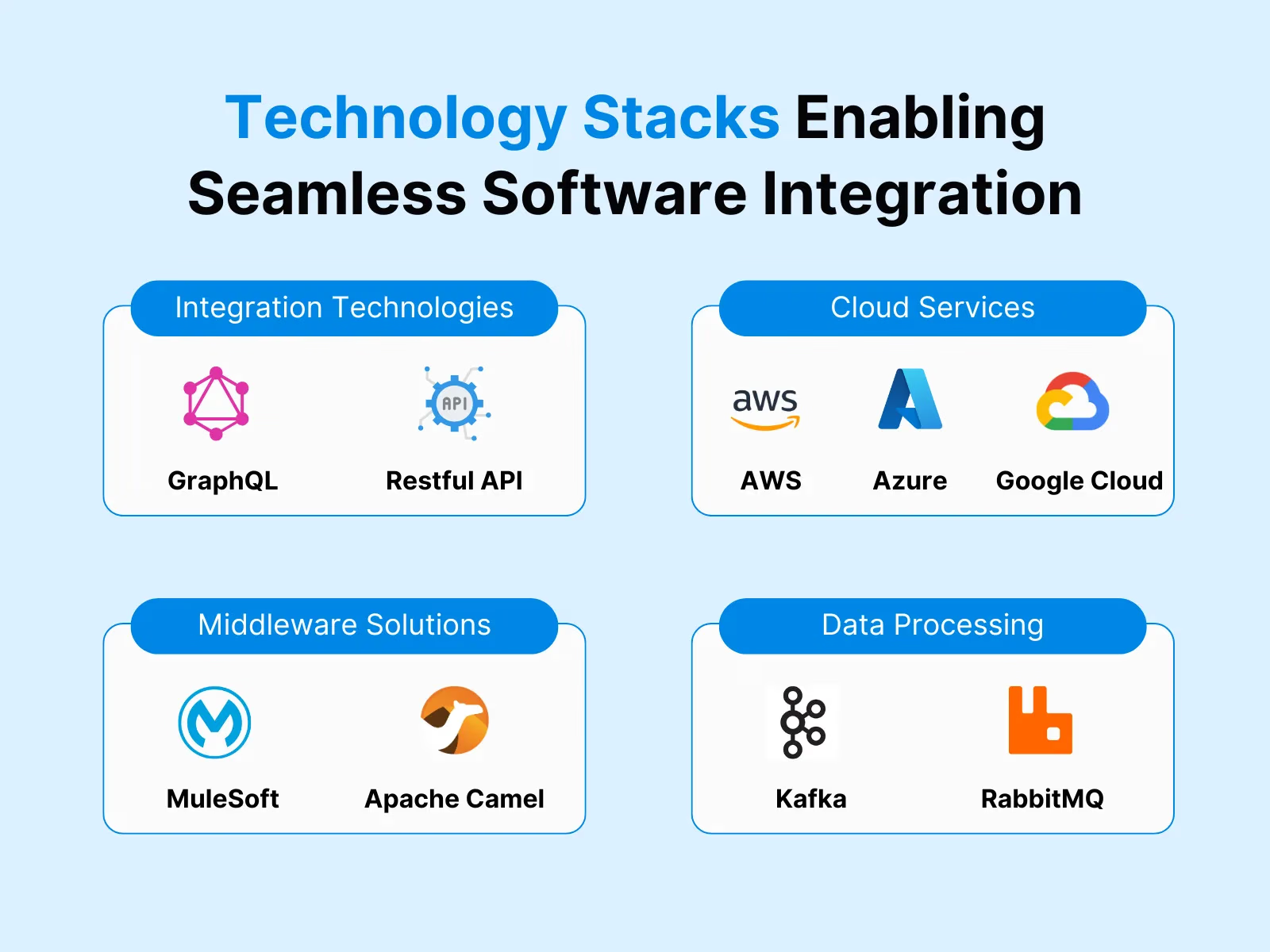
In today’s hyper-connected digital economy, logistics platforms no longer operate in isolation. They are part of a broader ecosystem that includes eCommerce platforms, ERP systems, payment gateways, warehouse management systems, and third-party logistics providers. Seamless integration with these external systems is essential for achieving efficiency, real-time visibility, and scalability.
Businesses looking to build robust logistics ecosystems should invest in logistics API integration that ensure smooth communication between systems. These integrations enable automated workflows, reduce manual intervention, and create a unified operational environment.
In this comprehensive guide, we explore how modern logistics platforms connect with external systems, the technologies involved, and best practices for building scalable integration architectures.
1. The Importance of System Integration in Logistics
System integration is the backbone of modern logistics operations. Without it, businesses face data silos, inefficiencies, and delays.
Key Benefits:
- Real-time data synchronization
- Improved operational efficiency
- Enhanced customer experience
- Reduced manual errors
| Challenge Without Integration | Solution Through Integration |
|---|---|
| Data silos | Centralized data access |
| Manual processes | Automation |
| Delayed updates | Real-time communication |
| Operational inefficiencies | Streamlined workflows |
Integration ensures that all components of the logistics ecosystem work together harmoniously.
2. API-Driven Architecture
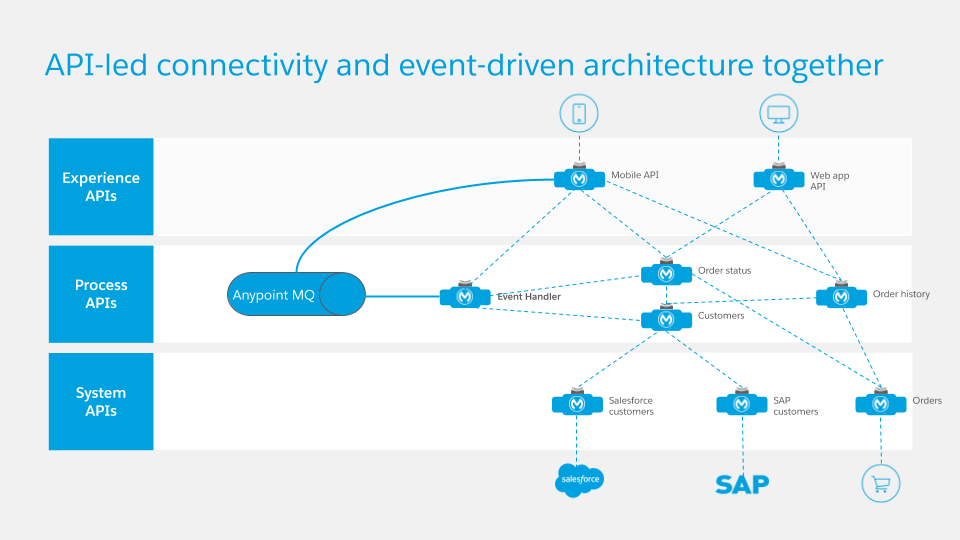
APIs (Application Programming Interfaces) are the primary enablers of system integration. They allow different software systems to communicate and exchange data efficiently.
Types of APIs Used:
- REST APIs
- SOAP APIs
- GraphQL APIs
APIs enable logistics platforms to connect with external systems such as shipping carriers, payment gateways, and inventory systems.
| API Type | Best Use Case |
|---|---|
| REST | Lightweight and scalable integrations |
| SOAP | Enterprise-level secure transactions |
| GraphQL | Flexible data queries |
3. Integration with ERP Systems
Enterprise Resource Planning (ERP) systems manage core business processes such as finance, procurement, and inventory. Integrating logistics platforms with ERP systems ensures seamless data flow across departments.
Integration Benefits:
- Unified data management
- Improved financial tracking
- Accurate inventory updates
This integration eliminates data duplication and enhances decision-making.
4. Connecting with eCommerce Platforms
eCommerce integration is critical for businesses handling online orders. Logistics platforms must connect with platforms like Shopify, Magento, and WooCommerce.
Key Capabilities:
- Order synchronization
- Shipping updates
- Returns management
- Customer notifications
This ensures a seamless shopping and delivery experience for customers.
🚀 Build Seamless Logistics Integrations
Need help integrating your logistics platform with external systems?
📧 Email: [email protected]
💬 WhatsApp: +91 9586979730
5. Payment Gateway Integration
Payment gateways are essential for handling transactions in logistics platforms, especially in eCommerce and freight services.
| Feature | Benefit |
|---|---|
| Secure transactions | Protects financial data |
| Multiple payment options | Enhances customer convenience |
| Automated billing | Reduces manual effort |
Integration ensures smooth and secure payment processing.
6. Warehouse Management System (WMS) Integration
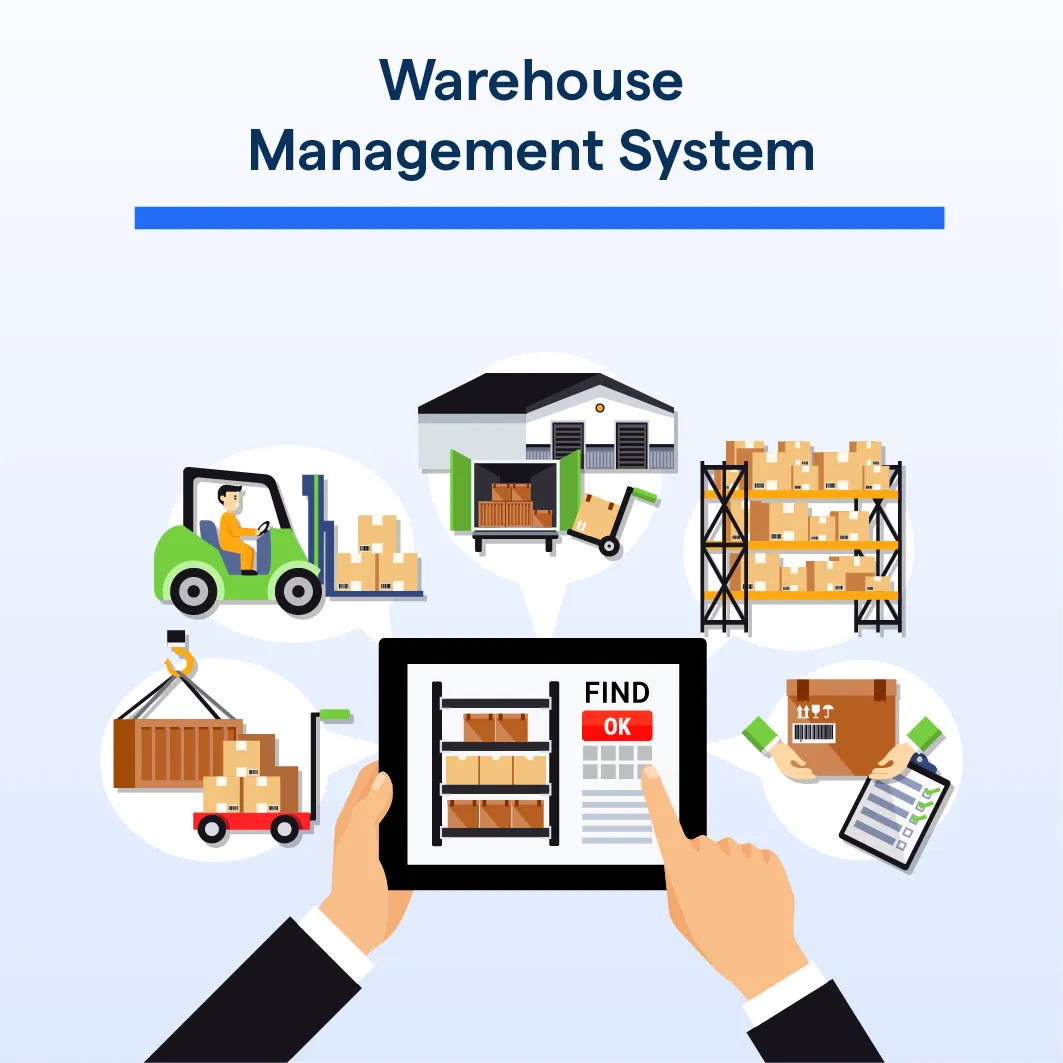
Warehouse management systems handle inventory storage, picking, packing, and dispatching. Integrating WMS with logistics platforms ensures efficient warehouse operations.
Core Benefits:
- Real-time inventory tracking
- Automated order fulfillment
- Reduced errors
This integration improves overall supply chain efficiency.
7. Third-Party Logistics (3PL) Integration
Many businesses rely on third-party logistics providers for transportation and delivery. Integration with 3PL systems ensures smooth coordination.
| Integration Aspect | Impact |
|---|---|
| Shipment tracking | Improves visibility |
| Order fulfillment | Enhances efficiency |
| Carrier communication | Ensures timely updates |
3PL integration allows businesses to scale operations without managing logistics internally.
8. Middleware and Integration Platforms
Middleware acts as a bridge between different systems, enabling communication and data exchange.
Examples:
- Enterprise Service Bus (ESB)
- Integration Platform as a Service (iPaaS)
Middleware simplifies integration by handling data transformation, routing, and protocol conversion.
9. Real-Time Data Synchronization
Real-time data synchronization ensures that all systems have up-to-date information.
This includes:
- Order status updates
- Inventory levels
- Shipment tracking
Real-time data improves decision-making and enhances customer satisfaction.
10. Security in System Integration

Security is critical when integrating multiple systems. Sensitive data must be protected during transmission and storage.
| Security Measure | Purpose |
|---|---|
| Encryption | Protects data |
| Authentication | Verifies users |
| Access Control | Restricts data access |
| Monitoring | Detects threats |
A strong security framework ensures safe and reliable integrations.
📦 Ready to Connect Your Logistics Ecosystem?
Let our experts help you build secure, scalable, and efficient integrations tailored to your business.
📧 Email: [email protected]
💬 WhatsApp: Chat Now
11. Event-Driven Architecture
Event-driven architecture enables systems to respond to events in real time. For example, when an order is placed, multiple systems are triggered automatically.
Benefits include:
- Faster response times
- Improved scalability
- Reduced system dependencies
This architecture is ideal for modern logistics platforms.
12. Future Trends in Logistics Integration
The future of logistics integration is driven by emerging technologies such as AI, blockchain, and edge computing.
Trends to Watch:
- AI-powered integrations
- Blockchain-based data sharing
- IoT-driven automation
- Cloud-native integration platforms
These innovations will further enhance connectivity and efficiency in logistics ecosystems.
Conclusion
Seamless integration with external systems is essential for modern logistics platforms. It enables real-time data exchange, improves efficiency, and enhances customer experiences.
By leveraging APIs, middleware, and advanced architectures, businesses can build scalable and flexible logistics ecosystems that adapt to evolving demands.
Investing in robust integration solutions is a strategic move that ensures long-term success in the competitive logistics industry.
Whether you're starting from scratch or upgrading existing systems, partnering with experienced developers can help you achieve seamless connectivity and operational excellence.
Blog ID: 1457Author: parth
Date: 17-04-2026
We to code. It's our passion










you can also reach us at our given
email address or phone number.