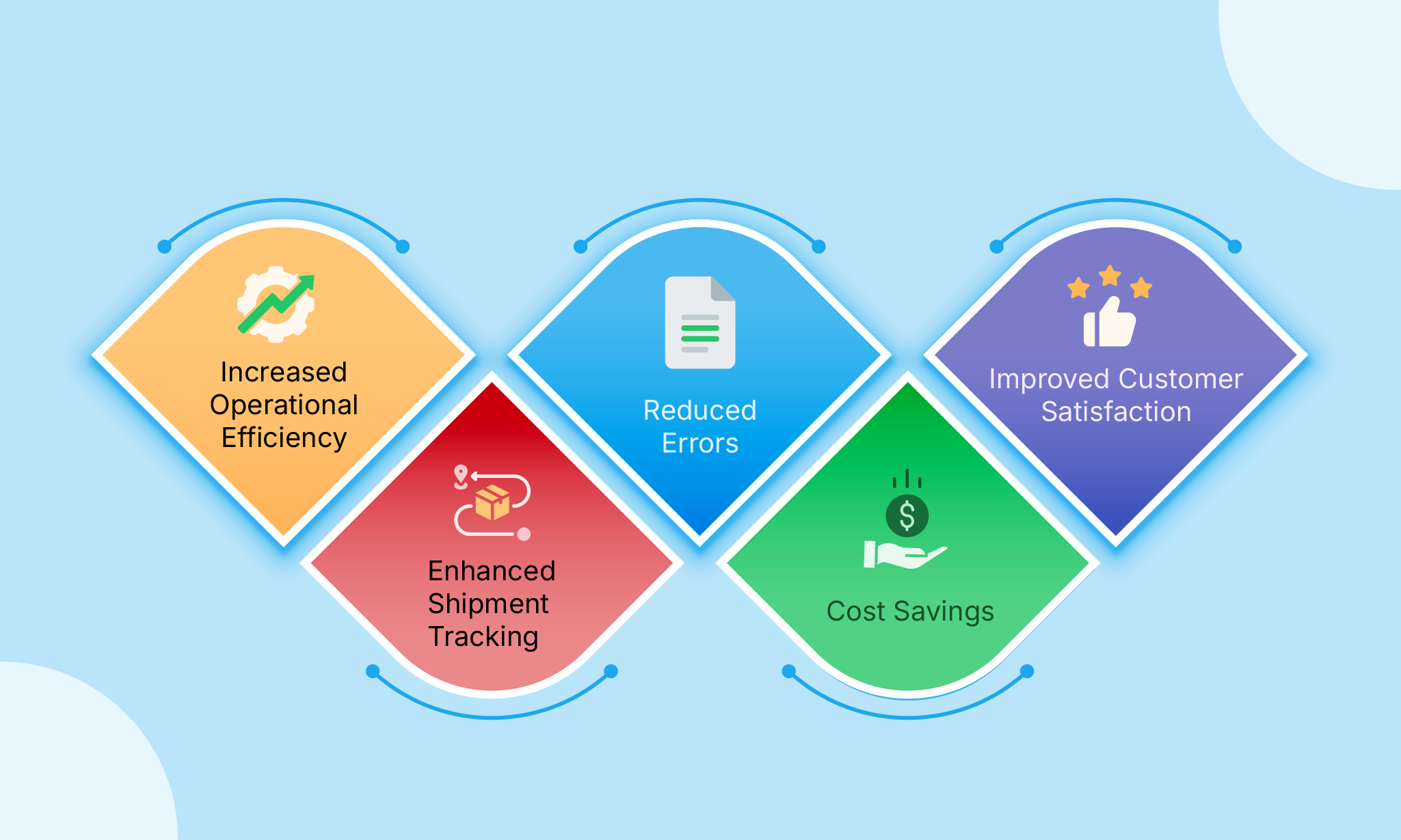
In today’s digital-first logistics ecosystem, data is one of the most valuable assets. From shipment tracking details to customer addresses and payment information, logistics platforms handle vast amounts of sensitive data every second. As third-party logistics (3PL) providers and supply chain companies embrace digital transformation, the importance of robust data security has never been greater.
Modern logistics businesses are increasingly investing in secure logistics app development to safeguard critical data, ensure compliance, and build trust with clients. These platforms integrate advanced security protocols that not only protect information but also enable seamless operations across complex supply chains.
Why Data Security is Critical in Logistics
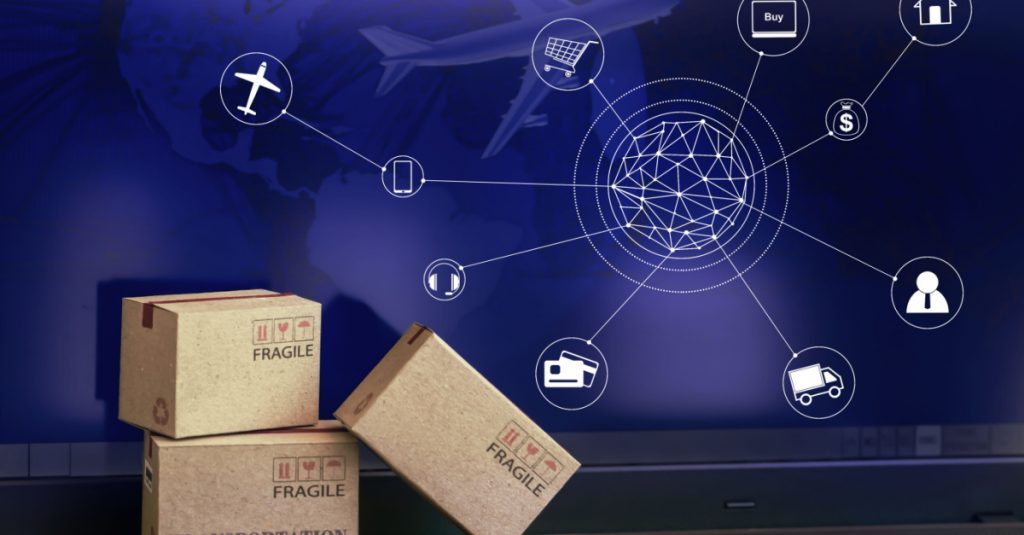
The logistics industry operates on interconnected systems involving multiple stakeholders such as suppliers, transporters, warehouse managers, and end customers. This interconnectedness makes logistics platforms a prime target for cyber threats.
Data breaches in logistics can lead to severe consequences, including financial loss, reputational damage, operational disruption, and legal penalties. Sensitive information such as shipment routes, inventory levels, and customer data must be protected at all costs.
Types of Sensitive Data in Logistics
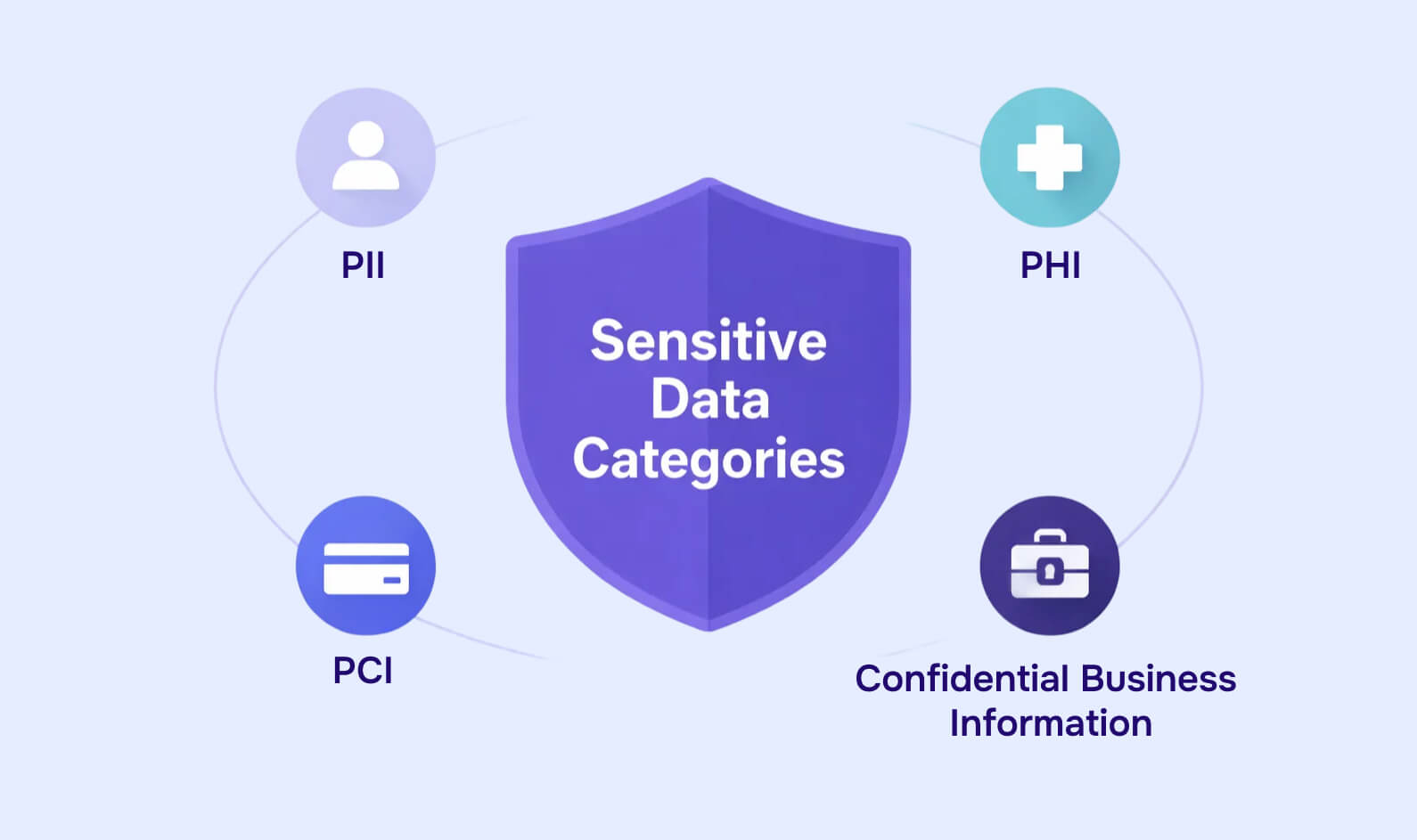
- Customer personal information (names, addresses, contact details)
- Payment and billing data
- Shipment tracking and delivery information
- Vendor and partner contracts
- Inventory and warehouse data
Common Security Threats in Logistics Platforms
| Threat Type | Description | Impact |
|---|---|---|
| Data Breaches | Unauthorized access to sensitive data | Loss of customer trust and legal issues |
| Ransomware Attacks | Malicious software that locks systems | Operational downtime and financial loss |
| Phishing | Fraudulent attempts to steal credentials | Unauthorized system access |
| Insider Threats | Employees misusing access privileges | Data leaks and security compromise |
Core Security Measures in Logistics Platforms
1. Data Encryption
Encryption is the foundation of data security. Logistics platforms use end-to-end encryption to protect data both in transit and at rest. This ensures that even if data is intercepted, it cannot be read without proper authorization.
2. Secure Authentication and Access Control
Role-based access control (RBAC) ensures that users can only access the information necessary for their role. Multi-factor authentication (MFA) adds an additional layer of security by requiring multiple verification steps.
3. API Security
Logistics platforms rely heavily on APIs to integrate with third-party systems. Secure APIs use authentication tokens, encryption, and rate limiting to prevent unauthorized access.
4. Regular Security Audits
Continuous monitoring and regular security audits help identify vulnerabilities and ensure compliance with industry standards.
Advanced Technologies Enhancing Data Protection

Artificial Intelligence (AI) in Security
AI-powered systems can detect unusual patterns and potential threats in real time. This allows logistics platforms to respond quickly to security incidents.
Blockchain for Data Integrity
Blockchain technology ensures that data cannot be altered without authorization. It provides a transparent and tamper-proof record of transactions.
Cloud Security Solutions
Cloud-based logistics platforms leverage advanced security features such as firewalls, intrusion detection systems, and automated backups.
Key Security Features in Modern Logistics Apps
| Feature | Function | Benefit |
|---|---|---|
| End-to-End Encryption | Protects data during transmission | Prevents data interception |
| Multi-Factor Authentication | Verifies user identity | Reduces unauthorized access |
| Real-Time Monitoring | Tracks system activities | Early threat detection |
| Data Backup & Recovery | Ensures data availability | Minimizes downtime |
Secure Your Logistics Platform Today
Build a robust and secure logistics solution tailored to your business needs.
Email: [email protected]
WhatsApp: +91 9586979730
Compliance and Regulatory Standards
Logistics companies must adhere to various data protection regulations depending on their region and operations. Compliance ensures that data handling practices meet legal requirements.
- GDPR (General Data Protection Regulation)
- ISO/IEC 27001 for information security
- PCI DSS for payment data protection
- Local data protection laws
Best Practices for Data Security in Logistics
Employee Training
Human error is one of the leading causes of data breaches. Regular training helps employees recognize and prevent security threats.
Data Minimization
Collect only the data necessary for operations. This reduces the risk of exposure in case of a breach.
Secure Software Development
Implementing security at every stage of the development lifecycle ensures a robust and secure platform.
Regular Updates and Patch Management
Keeping systems updated protects against known vulnerabilities.
Challenges in Securing Logistics Platforms
- Complex integrations with multiple systems
- High volume of real-time data
- Balancing security with operational efficiency
- Managing access across distributed teams
Future Trends in Logistics Data Security
| Trend | Description | Impact |
|---|---|---|
| Zero Trust Architecture | Verifies every access request | Enhanced security control |
| AI-Driven Security | Automates threat detection | Faster response times |
| Edge Computing Security | Secures data at source | Reduced latency and risk |
Build a Future-Ready Secure Logistics Platform
Partner with experts in secure logistics app development.
Email: [email protected]
WhatsApp: +91 9586979730
Steps to Build a Secure Logistics Application
| Step | Description |
|---|---|
| Requirement Analysis | Identify security needs and risks |
| Architecture Design | Plan secure system structure |
| Development | Implement security features |
| Testing | Conduct penetration testing |
| Deployment | Launch with secure configurations |
| Monitoring | Continuously track and improve security |
Conclusion
As logistics platforms continue to evolve, protecting sensitive shipment and customer data is no longer optional—it is essential. With increasing cyber threats and stringent regulations, logistics providers must prioritize data security to ensure business continuity and customer trust.
By adopting advanced technologies, implementing robust security measures, and following best practices, logistics companies can build secure and scalable digital platforms. Investing in secure logistics app development is a strategic move that not only protects data but also drives long-term growth and competitiveness.
Blog ID: 1451Author: parth
Date: 17-04-2026
We to code. It's our passion









you can also reach us at our given
email address or phone number.