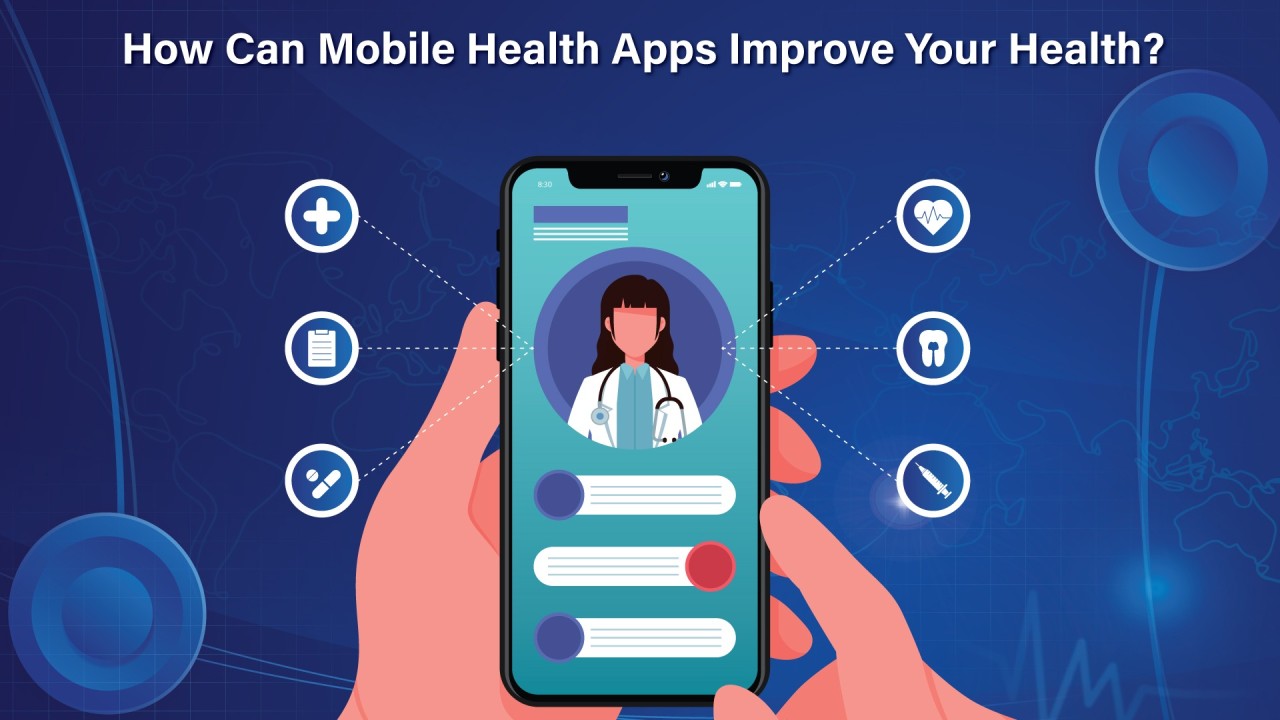
The healthcare industry is rapidly evolving, and mobile health (mHealth) platforms are at the center of this transformation. With smartphones becoming an essential part of everyday life, healthcare services are no longer limited to hospitals and clinics. Patients can now access medical care, monitor their health, consult doctors, and manage treatments directly from their mobile devices.
For healthcare providers and businesses, investing in mobile health (mHealth) app development is becoming a strategic decision to improve accessibility, patient engagement, and preventive care. Developers App India BM Coder specializes in building scalable and secure mHealth applications that help healthcare organizations deliver better services anytime, anywhere.
What Is Mobile Health (mHealth)?
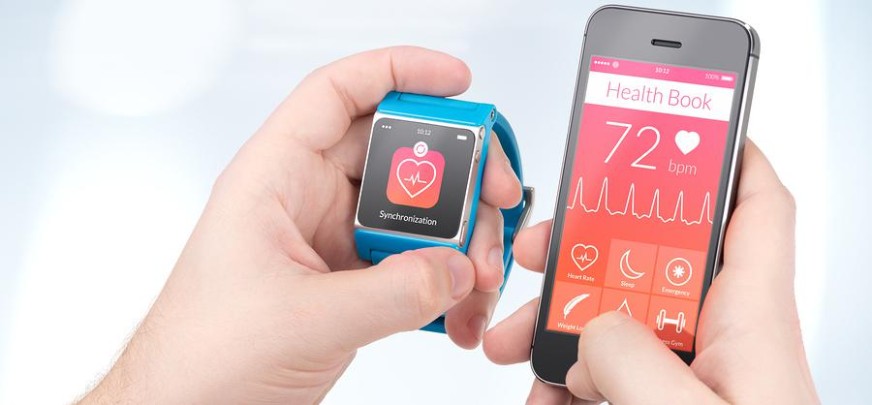
Mobile health, commonly known as mHealth, refers to the use of mobile devices such as smartphones, tablets, and wearable technologies to deliver healthcare services and manage health-related information. These platforms connect patients, doctors, healthcare providers, and systems through digital interfaces.
mHealth applications include a wide range of services such as appointment booking, teleconsultation, fitness tracking, chronic disease management, medication reminders, health monitoring, and digital health records.
Why Accessibility Matters in Healthcare
One of the biggest challenges in healthcare is accessibility. Many patients face difficulties such as long travel distances, limited availability of specialists, long waiting times, and lack of real-time information. Mobile health platforms solve these problems by bringing healthcare services directly to users’ devices.
| Traditional Healthcare Challenges | mHealth Solutions |
|---|---|
| Long waiting times | Online appointment booking and scheduling |
| Limited doctor availability | Telemedicine and remote consultations |
| Travel requirements | Remote healthcare access via mobile apps |
| Manual record management | Digital health records |
| Lack of follow-up care | Automated reminders and notifications |
How Mobile Health Platforms Improve Accessibility
1. Anytime, Anywhere Access
mHealth apps allow patients to access healthcare services 24/7. Whether it is booking an appointment, consulting a doctor, or checking reports, everything can be done from a smartphone without visiting a healthcare facility.
2. Telemedicine Integration
Mobile health platforms support video consultations, voice calls, and chat-based communication. This is especially helpful for patients living in remote areas or those who cannot travel due to health conditions.
3. Multi-Device Compatibility
mHealth platforms are designed to work across smartphones, tablets, and wearable devices. This ensures that users can stay connected to their healthcare data regardless of the device they use.
4. Real-Time Updates
Patients receive real-time notifications about appointments, prescriptions, test results, and health alerts. This reduces confusion and improves communication between patients and healthcare providers.
Role of mHealth in Preventive Care
Preventive care focuses on maintaining health and preventing diseases before they become serious. Mobile health platforms play a crucial role in promoting preventive healthcare by encouraging regular monitoring, healthy habits, and early detection.
1. Health Monitoring
mHealth apps can track vital parameters such as heart rate, blood pressure, blood sugar levels, sleep patterns, and physical activity. This data helps users and doctors identify potential health issues early.
2. Medication Reminders
Patients often forget to take medications on time. Mobile apps provide automated reminders, ensuring better adherence to treatment plans.
3. Lifestyle Management
mHealth platforms promote healthy habits by tracking diet, exercise, hydration, and sleep. They provide recommendations based on user behavior and health data.
4. Early Diagnosis
Continuous monitoring and data analysis help detect abnormalities early. This allows timely intervention and reduces the risk of severe conditions.
Key Features of Mobile Health Applications
| Feature | Description |
|---|---|
| User Registration | Allows patients and doctors to create profiles and manage personal information. |
| Appointment Scheduling | Enables users to book, reschedule, or cancel appointments. |
| Teleconsultation | Supports video, voice, and chat-based consultations. |
| Health Records | Stores medical history, reports, prescriptions, and test results. |
| Push Notifications | Provides reminders for medications, appointments, and health alerts. |
| Payment Integration | Allows secure online payments for consultations and services. |
| Analytics Dashboard | Offers insights into health data and system performance. |
Benefits of mHealth Platforms for Healthcare Providers
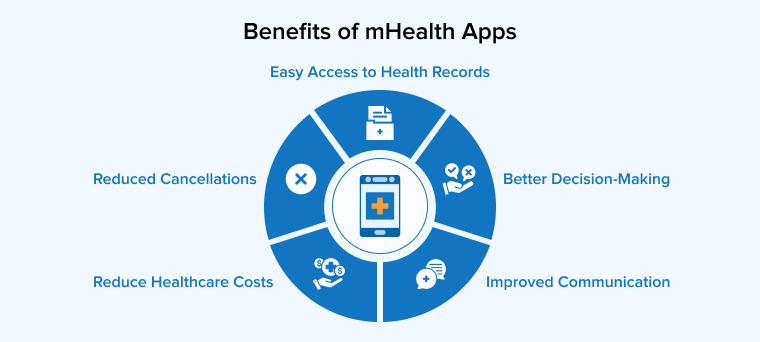
1. Improved Patient Engagement
Mobile apps keep patients connected with healthcare providers through reminders, updates, and communication features. This improves patient satisfaction and retention.
2. Efficient Operations
Healthcare providers can automate appointment management, billing, reporting, and communication. This reduces manual workload and improves efficiency.
3. Data-Driven Decisions
mHealth platforms collect valuable data that can be used for analysis and decision-making. Healthcare providers can identify trends, improve services, and optimize operations.
4. Expanded Reach
Mobile health platforms allow healthcare providers to reach patients beyond geographical boundaries. This is especially beneficial for telemedicine and specialized care services.
mHealth Use Cases Across Healthcare Segments
- Telemedicine platforms
- Fitness and wellness apps
- Chronic disease management apps
- Mental health platforms
- Remote patient monitoring systems
- Medication reminder apps
- Doctor appointment booking apps
Technology Stack for mHealth App Development
| Layer | Technology |
|---|---|
| Frontend | React.js, Angular, Vue.js |
| Mobile | React Native, Flutter, Swift, Kotlin |
| Backend | Node.js, Django, Laravel |
| Database | MongoDB, MySQL, PostgreSQL |
| Cloud | AWS, Azure, Google Cloud |
Security and Compliance in mHealth Platforms
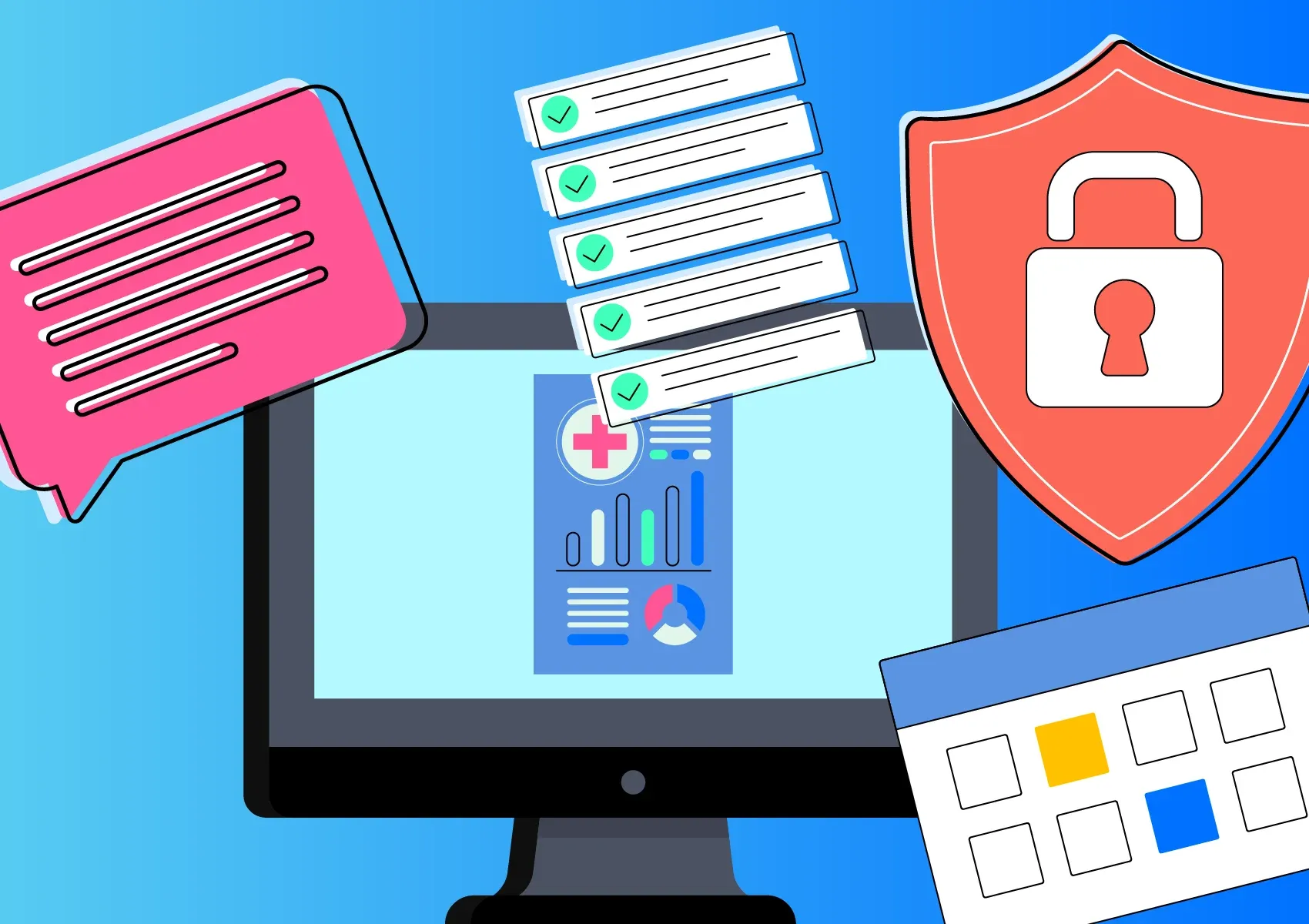
Healthcare applications deal with sensitive patient data, so security is critical. mHealth apps must include secure authentication, encrypted data storage, secure APIs, and role-based access control. Developers must also follow compliance standards and ensure data privacy.
Challenges in Mobile Health Development
- Data privacy and security concerns
- Integration with existing healthcare systems
- User adoption and training
- Performance and scalability issues
- Regulatory compliance requirements
Why Choose Developers App India BM Coder?
Developers App India BM Coder is a software development company that builds advanced mobile health applications tailored to healthcare businesses. The team focuses on scalable architecture, user-friendly design, secure backend systems, and seamless integration.
From telemedicine platforms to health monitoring apps, the company provides complete solutions that improve accessibility, patient care, and operational efficiency.
Conclusion
Mobile health platforms are transforming the healthcare industry by making services more accessible, efficient, and preventive-focused. They empower patients to take control of their health while enabling healthcare providers to deliver better care with advanced tools and data insights.
As technology continues to evolve, mHealth applications will play an even bigger role in shaping the future of healthcare. Businesses that invest in mobile health solutions today will be better positioned to meet the growing demand for digital healthcare services.
Get Started with Your mHealth App Today
Looking to build a powerful mobile health platform? Contact Developers App India BM Coder today and take your healthcare services to the next level.
Email: [email protected]
WhatsApp: +91.9586979730
Author: parth
Date: 04-05-2026
We to code. It's our passion






you can also reach us at our given
email address or phone number.