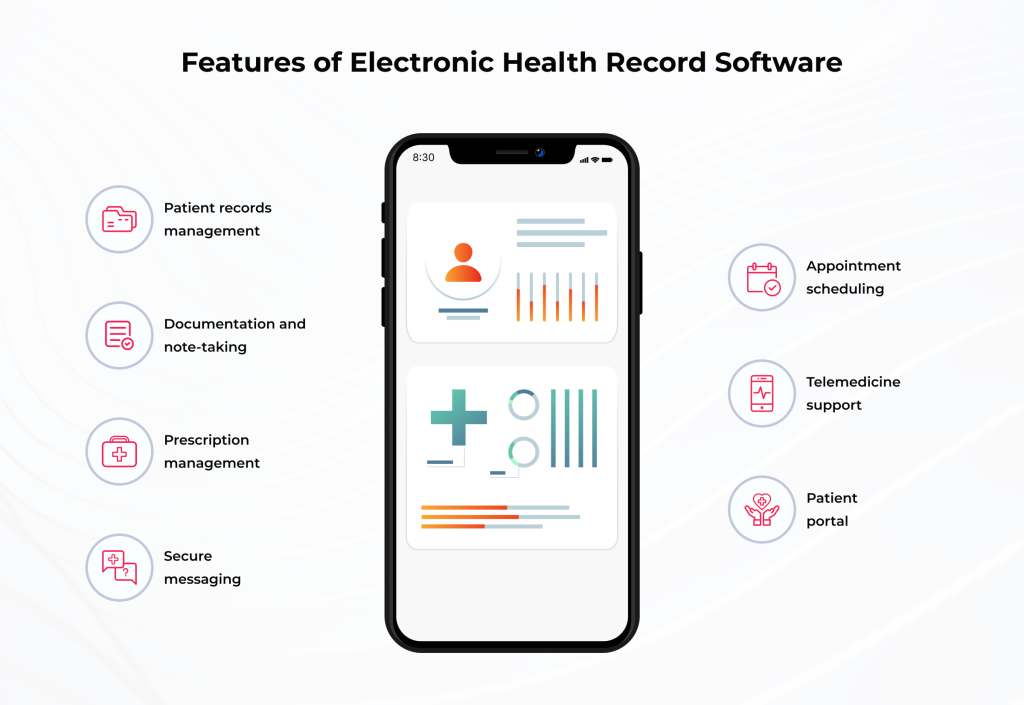
Healthcare is rapidly moving toward digital-first systems, and mobile technology is playing a major role in this transformation. Traditional paper-based medical records are often fragmented, difficult to access, prone to errors, and vulnerable to loss or unauthorized access. Mobile medical record platforms solve these challenges by offering secure, centralized, and real-time access to healthcare data for patients, doctors, hospitals, and healthcare organizations.
Developers App India BM Coder is a software development company specializing in advanced healthcare technology solutions. Through scalable and secure medical record mobile app development services, healthcare providers can modernize patient record management, improve operational efficiency, enhance data security, and provide convenient healthcare experiences.
What Is a Mobile Medical Record Platform?
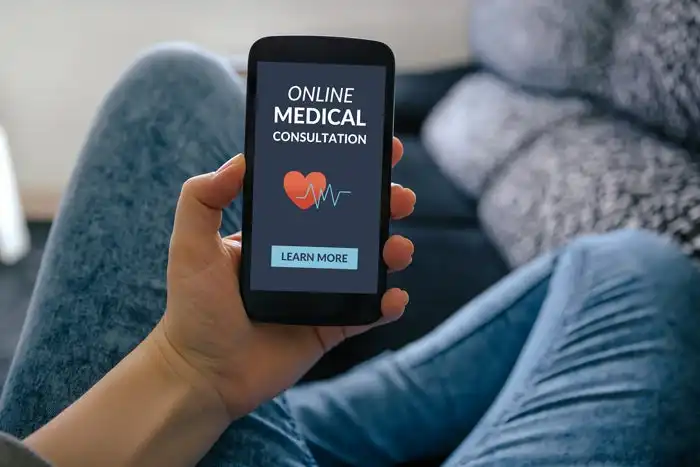
A mobile medical record platform is a smartphone or tablet-based healthcare application that enables users to store, manage, access, and share medical records digitally. These platforms typically support:
- Patient health profiles
- Medical history
- Lab reports
- Prescriptions
- Doctor notes
- Appointment history
- Immunization records
- Diagnostic reports
- Insurance information
- Emergency health details
Unlike physical record systems, mobile platforms provide healthcare data accessibility on-demand while maintaining strong security and compliance standards.
Challenges of Traditional Medical Record Management
Conventional medical record systems create several operational and patient experience issues:
| Traditional Challenge | Impact | Mobile Platform Solution |
|---|---|---|
| Paper documentation | Record loss and damage | Digital cloud storage |
| Manual retrieval | Delayed patient care | Instant mobile access |
| Fragmented healthcare records | Incomplete patient history | Centralized profiles |
| Limited accessibility | Poor healthcare coordination | Anywhere access |
| Security risks | Privacy breaches | Encryption and authentication |
How Mobile Platforms Simplify Medical Record Management
1. Instant Access to Patient Data
Mobile health record apps allow patients and authorized providers to access medical information anytime and anywhere. This is especially useful during:
- Emergency situations
- Travel
- Specialist referrals
- Second opinions
- Chronic care management
Doctors can quickly review medical history, previous diagnoses, medications, and reports, reducing delays and improving care quality.
2. Centralized Health Information
Patients often visit multiple providers, resulting in fragmented records. Mobile platforms consolidate data into a unified digital profile that includes:
- Doctor consultations
- Medication history
- Allergies
- Vaccinations
- Surgeries
- Lab reports
- Imaging scans
This improves treatment continuity and healthcare accuracy.
3. Simplified Record Sharing
Mobile platforms make it easy to securely share records with:
- Doctors
- Hospitals
- Labs
- Insurance companies
- Family caregivers
This secure data exchange enhances collaboration while reducing paperwork.
4. Better Patient Engagement
Patients can actively manage their healthcare through:
- Viewing reports
- Tracking medications
- Receiving reminders
- Managing appointments
- Monitoring treatment plans
This improves patient accountability and long-term health outcomes.
5. Reduced Administrative Burden
Healthcare providers benefit from:
- Automated record updates
- Digital prescriptions
- Appointment integration
- Reduced paperwork
- Lower storage costs
This increases efficiency while allowing providers to focus more on patient care.
6. Improved Emergency Healthcare Support
Emergency responders can access critical patient information such as:
- Blood type
- Allergies
- Chronic conditions
- Current medications
- Emergency contacts
Fast access to this information can improve medical outcomes during emergencies.
Security Benefits of Mobile Medical Record Platforms

1. Data Encryption
Medical record apps use end-to-end encryption to protect patient information during storage and transfer.
2. Multi-Factor Authentication
Secure login systems such as OTP, biometrics, or MFA reduce unauthorized access risks.
3. Role-Based Access Control
Only approved users can access relevant medical information based on permissions.
4. Secure Cloud Infrastructure
Cloud systems provide:
- Automated backups
- Scalable storage
- Disaster recovery
- Data redundancy
- Global access
5. Compliance Standards
Modern platforms can support:
- HIPAA
- GDPR
- Healthcare data regulations
- Consent management
- Audit trails
Essential Features of a Medical Record Mobile App
| Feature | Purpose |
|---|---|
| Secure login | User authentication |
| Patient dashboard | Medical overview |
| Health history management | Comprehensive patient records |
| Prescription storage | Medication tracking |
| Lab report uploads | Diagnostic access |
| Appointment integration | Scheduling support |
| Doctor access permissions | Controlled sharing |
| Alerts/reminders | Medication and appointment support |
| Insurance management | Healthcare finance tracking |
| Emergency profile | Critical care information |
Business Benefits for Healthcare Providers
Healthcare organizations gain multiple operational advantages:
- Higher patient retention
- Improved workflow efficiency
- Reduced administrative costs
- Enhanced healthcare quality
- Scalable healthcare systems
- Stronger patient trust
- Improved data-driven decisions
Revenue Models for Medical Record Apps
| Revenue Model | Description |
|---|---|
| SaaS subscriptions | Monthly/yearly provider fees |
| White-label licensing | Custom provider branding |
| Enterprise deployment | Large-scale hospital systems |
| Premium patient services | Enhanced patient features |
| Insurance integrations | Data partnerships |
Technology Stack for Medical Record Mobile App Development
| Platform Layer | Recommended Technologies |
|---|---|
| Mobile Frontend | Flutter, React Native, Android, iOS |
| Backend | Node.js, Django, Laravel, Express.js |
| Database | MongoDB, PostgreSQL, MySQL |
| Cloud Hosting | AWS, Azure, Google Cloud |
| Authentication | JWT, OAuth, biometrics |
| Security | Encryption, secure APIs, backups |
How AI Enhances Mobile Medical Record Platforms
Artificial intelligence can improve medical record apps through:
- Automated data categorization
- Predictive healthcare analytics
- Medication reminders
- Health trend monitoring
- Smart symptom tracking
- Doctor recommendations
- Anomaly detection
AI can improve operational efficiency while maintaining physician oversight.
Use Cases for Medical Record Mobile Apps
- Hospitals
- Private clinics
- Telemedicine platforms
- Insurance providers
- Corporate healthcare
- Pharmacy systems
- Remote patient monitoring
- Government healthcare initiatives
- Personal wellness platforms
Steps to Build a Medical Record Mobile App
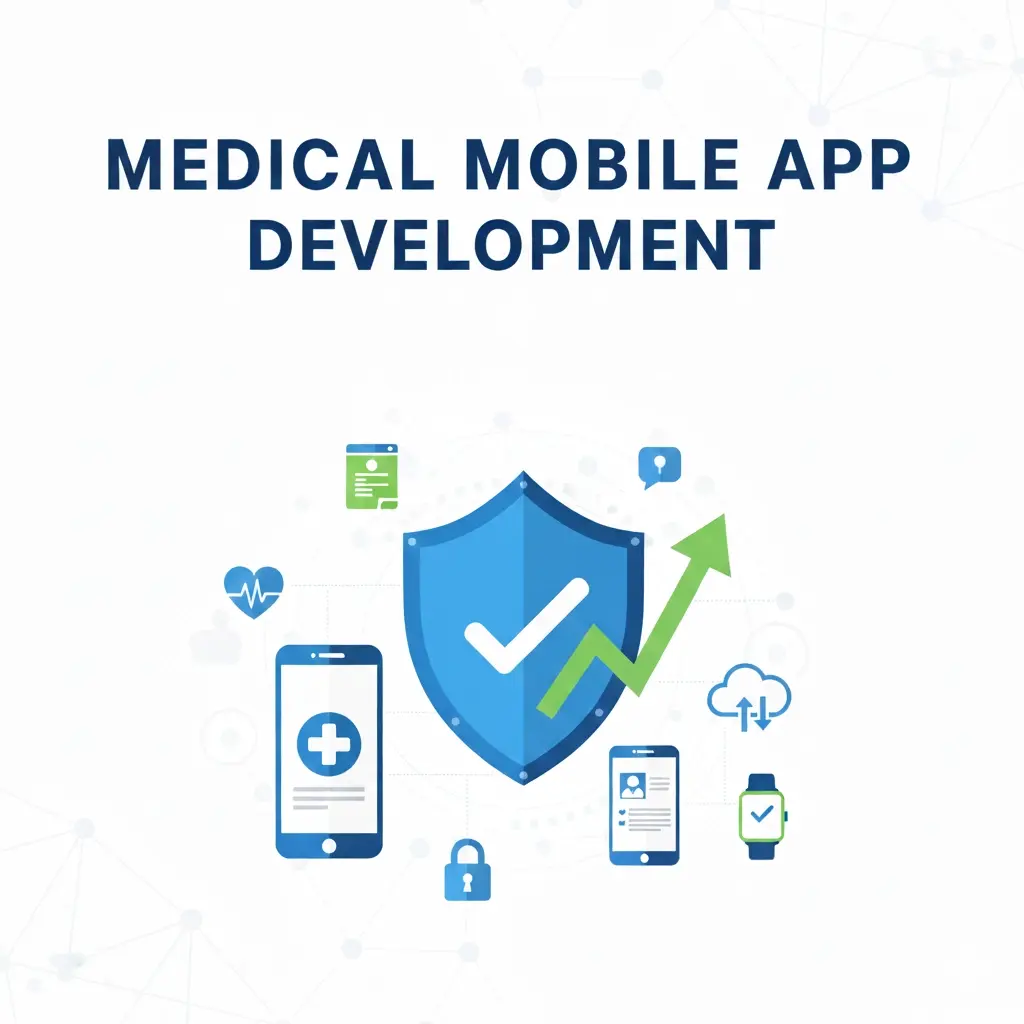
Step 1: Define Platform Goals
Identify whether the solution serves patients, clinics, hospitals, or enterprise healthcare.
Step 2: Select Features
Focus on record management, security, accessibility, and scalability.
Step 3: Design User Experience
Create intuitive healthcare-focused interfaces.
Step 4: Develop Secure Backend
Build encrypted infrastructure, APIs, and cloud integrations.
Step 5: Integrate Ecosystem
Connect diagnostics, prescriptions, telemedicine, and insurance systems.
Step 6: Test Security and Compliance
Ensure legal compliance and platform performance.
Step 7: Launch and Optimize
Continuously improve based on user needs and healthcare innovation.
Why Choose Developers App India BM Coder?
Developers App India BM Coder is a software development company that delivers enterprise-grade healthcare applications focused on scalability, security, and patient-centered innovation. Their expertise includes:
- Medical record apps
- Healthcare SaaS platforms
- Telemedicine systems
- Patient management software
- Custom healthcare software
- Secure healthcare ecosystems
Their solutions are designed to improve healthcare delivery while supporting long-term business growth.
Conclusion
Mobile platforms are transforming medical record management by making patient data more accessible, secure, organized, and actionable. These systems reduce administrative burdens, improve patient engagement, strengthen healthcare coordination, and enable smarter healthcare delivery.
For healthcare startups, providers, and enterprises, investing in mobile medical record technology is essential for future-ready healthcare systems. Businesses that adopt secure and scalable digital record solutions can improve both patient outcomes and operational efficiency.
Build Your Medical Record Mobile Platform Today
Looking to create a secure, scalable, and user-friendly healthcare record solution? Developers App India BM Coder can help you build advanced medical record mobile apps tailored to your healthcare business goals.
Email: [email protected]
WhatsApp: +91.9586979730
Author: parth
Date: 01-05-2026
We to code. It's our passion







you can also reach us at our given
email address or phone number.