Continuous patient care is rapidly becoming one of the most important priorities in modern healthcare. Traditional healthcare systems often depend on scheduled appointments, periodic checkups, and in-person visits, which can leave major gaps between consultations. These gaps may delay diagnosis, reduce treatment effectiveness, and create challenges for patients managing chronic diseases, post-surgical recovery, elderly care, or preventive wellness.
Monitoring platforms are transforming this model by enabling real-time, continuous patient care beyond clinic walls. Through connected devices, mobile apps, cloud systems, patient dashboards, and healthcare provider portals, monitoring platforms allow medical professionals to track patient health remotely, intervene earlier, improve adherence, and provide more personalized treatment.
Developers App India BM Coder is a software development company that builds advanced healthcare monitoring solutions for hospitals, clinics, telemedicine businesses, and digital health startups. If you are planning to create a scalable healthcare monitoring system, explore our remote health monitoring app development for secure, intelligent, and patient-focused healthcare technology.
What Are Healthcare Monitoring Platforms?
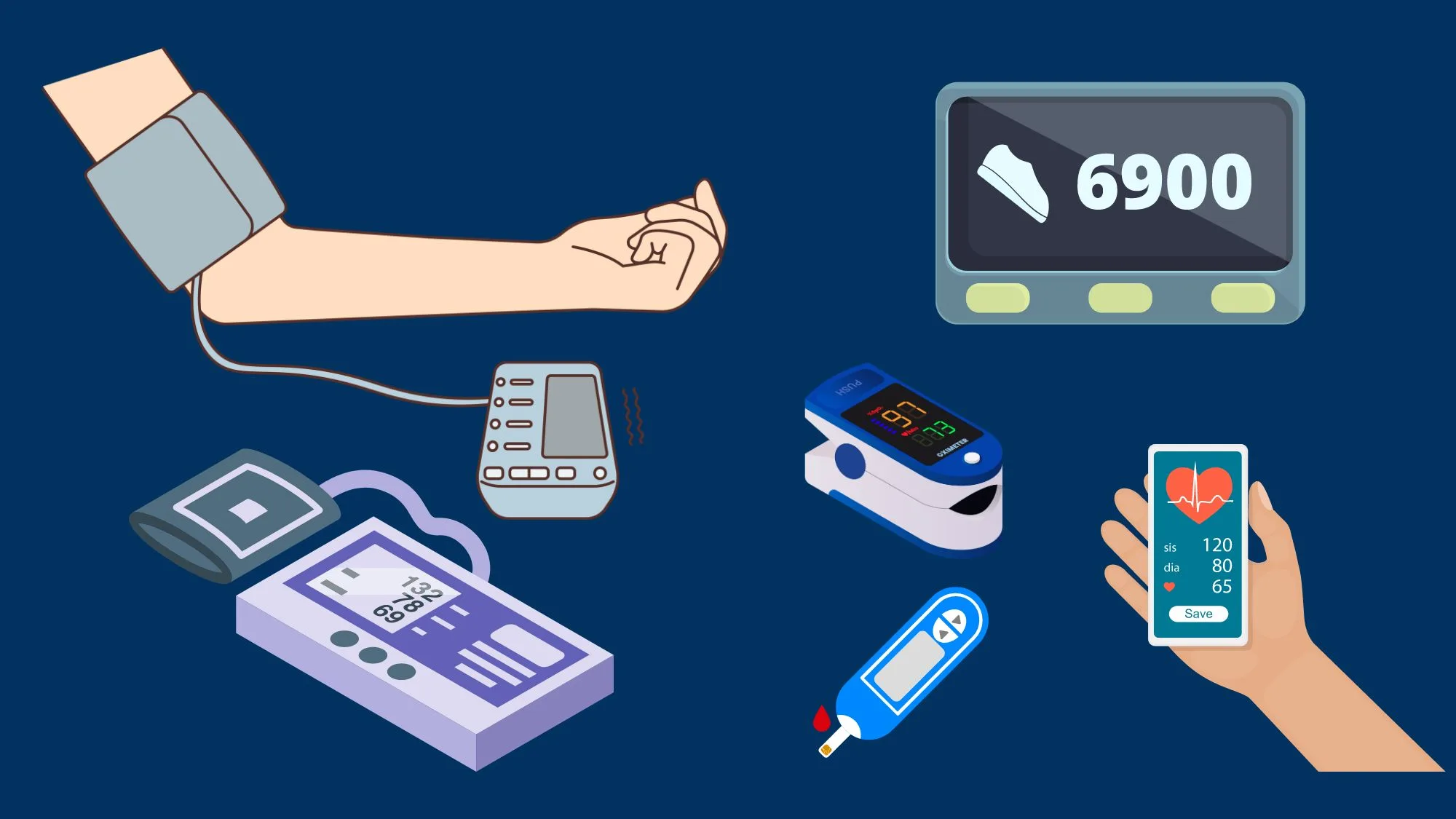
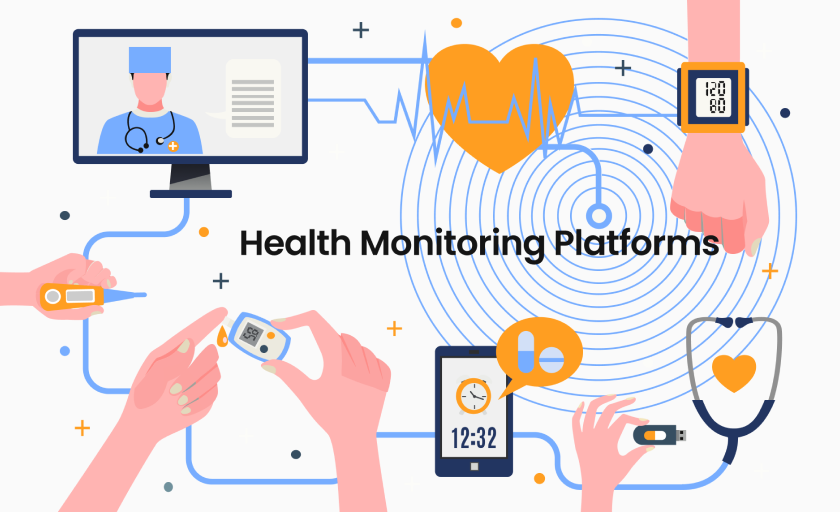
Healthcare monitoring platforms are digital systems designed to continuously track patient health data through mobile applications, wearable devices, connected sensors, telemedicine integrations, or IoT-based medical equipment. These platforms gather health metrics, send alerts, support doctor intervention, and improve treatment outcomes.
Monitoring platforms can track:
- Heart rate
- Blood pressure
- Blood glucose levels
- Oxygen saturation
- Temperature
- Sleep quality
- Medication adherence
- Physical activity
- Weight management
- Respiratory health
- Cardiac conditions
- Post-operative recovery metrics
This continuous flow of information creates a more proactive healthcare environment where issues can be detected early rather than waiting for symptoms to worsen.
Why Continuous Patient Care Matters
Traditional episodic healthcare often reacts to illness after it becomes serious. Continuous care shifts healthcare toward prevention, early intervention, and personalized support.
For example:
- A diabetic patient’s glucose spike can trigger alerts before complications develop.
- A cardiac patient’s irregular heart rhythm can be monitored daily.
- An elderly patient’s fall detection system can notify caregivers instantly.
- A post-surgery patient’s recovery progress can be remotely tracked without frequent travel.
This approach reduces hospitalization rates, improves long-term outcomes, enhances patient convenience, and lowers healthcare system costs.
Core Components of Remote Monitoring Platforms
| Component | Purpose | Benefits |
|---|---|---|
| Wearable Devices | Collect real-time health metrics | Continuous monitoring |
| Patient Mobile App | Displays personal health data and alerts | Improves patient engagement |
| Doctor Dashboard | Tracks multiple patient conditions | Supports proactive care |
| Cloud Data Storage | Secure health record management | Scalability and access |
| AI Alert System | Identifies health anomalies | Faster interventions |
| Notification Engine | Sends reminders and warnings | Improves adherence |
How Monitoring Platforms Improve Healthcare Outcomes
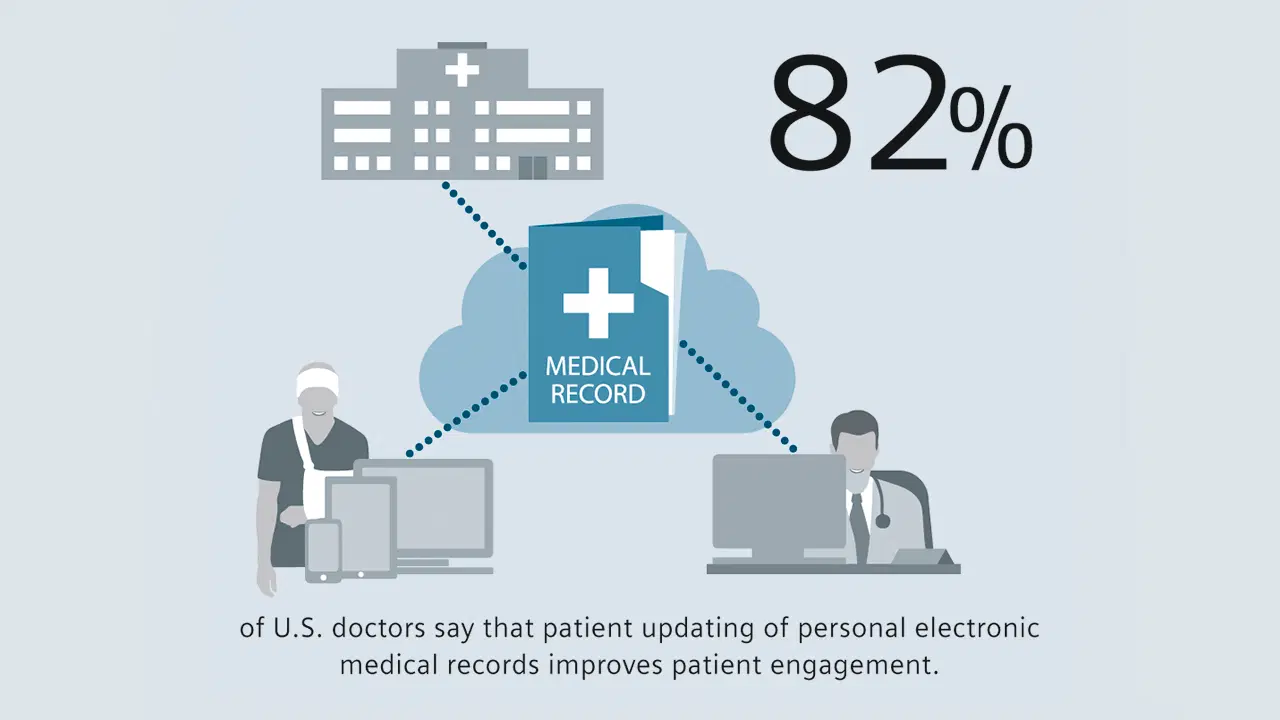
Monitoring platforms provide healthcare providers with ongoing insights instead of isolated data points. This means treatment decisions are based on patterns over time, not occasional readings.
Key improvements include:
- Earlier detection of disease progression
- Reduced emergency admissions
- Better chronic disease management
- Improved medication adherence
- Enhanced patient safety
- Better physician decision-making
- Reduced operational burden on healthcare systems
This leads to better patient satisfaction while also helping healthcare businesses scale their care models more effectively.
Major Use Cases of Healthcare Monitoring Platforms
| Healthcare Segment | Monitoring Application |
|---|---|
| Diabetes Care | Continuous glucose monitoring |
| Cardiology | Heart rhythm and blood pressure tracking |
| Elderly Care | Fall detection, medication reminders |
| Post-Surgery Recovery | Recovery metric tracking and alerts |
| Respiratory Care | Oxygen saturation and breathing pattern analysis |
| Fitness and Wellness | Lifestyle monitoring and preventive care |
Benefits for Patients
Remote monitoring platforms create greater convenience and peace of mind for patients. Instead of relying solely on physical appointments, patients receive ongoing support.
- Reduced travel to healthcare facilities
- Greater treatment confidence
- Improved health awareness
- Timely alerts for dangerous changes
- Better family or caregiver support
- Personalized recommendations
- Continuous doctor connection
These advantages are especially valuable for patients with chronic diseases, seniors, or individuals in rural areas.
Benefits for Healthcare Providers
Healthcare businesses gain operational and strategic advantages:
- Improved patient retention
- Enhanced care quality
- Reduced hospital readmissions
- Efficient resource allocation
- Better doctor productivity
- Scalable telehealth models
- Stronger patient engagement
Monitoring systems also open new revenue opportunities through subscription healthcare models, premium chronic care management, and digital healthcare services.
Role of AI and Predictive Analytics
Artificial intelligence adds significant value to healthcare monitoring platforms by analyzing large volumes of health data and identifying risk trends before emergencies occur.
AI can:
- Predict potential health deterioration
- Identify irregular patterns
- Prioritize urgent cases
- Automate patient reminders
- Support clinical decision-making
- Personalize treatment plans
For example, AI can analyze blood pressure fluctuations over months and recommend early intervention before severe cardiovascular issues develop.
IoT and Connected Devices in Patient Monitoring
Internet of Things (IoT) technology is central to continuous patient care. Connected medical devices automatically collect and transmit patient data securely to healthcare systems.
Examples include:
- Smart glucose monitors
- ECG patches
- Smartwatches
- Pulse oximeters
- Connected inhalers
- Digital thermometers
- Remote blood pressure monitors
These tools reduce manual data entry and improve accuracy while enabling real-time care coordination.
Security and Compliance in Monitoring Platforms
Because patient monitoring platforms manage highly sensitive medical data, security is essential.
Key security measures include:
- Data encryption
- HIPAA/GDPR compliance
- Role-based access controls
- Multi-factor authentication
- Secure APIs
- Audit trails
- Cloud backup systems
Proper compliance builds trust and ensures healthcare providers meet regulatory standards.
Technology Stack for Monitoring Platform Development
| Layer | Recommended Technologies |
|---|---|
| Frontend | React.js, Next.js, Flutter, React Native |
| Backend | Node.js, Django, Laravel |
| Database | MongoDB, PostgreSQL |
| Cloud | AWS, Azure, Google Cloud |
| IoT Integration | Bluetooth, WebSocket, Firebase |
| AI/Analytics | Python ML frameworks, TensorFlow |
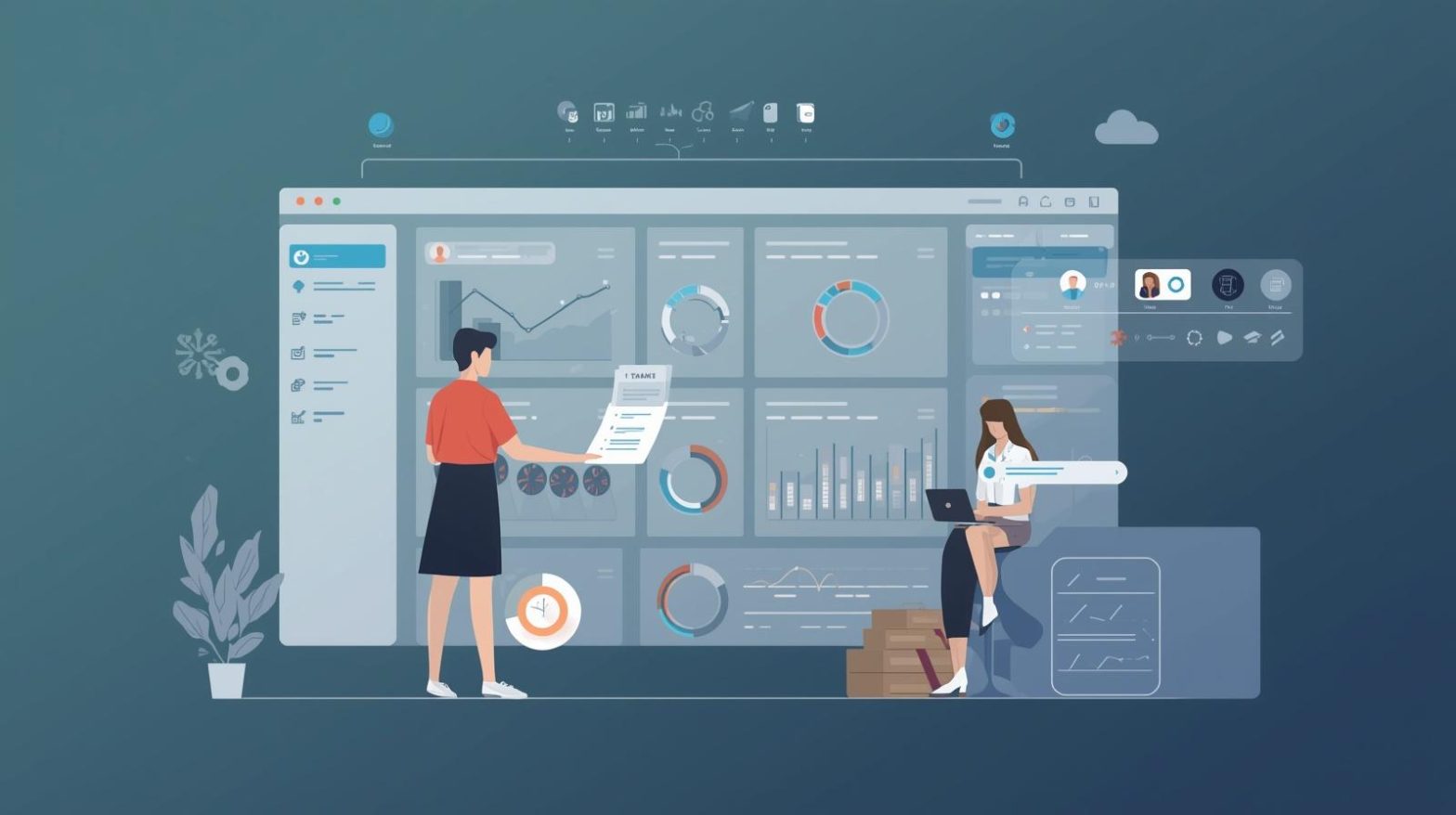
Admin Dashboard Features for Healthcare Monitoring Platforms
A professional monitoring platform requires a powerful admin dashboard for healthcare providers.
- Patient management
- Doctor management
- Alert monitoring
- Health analytics
- Device management
- Subscription controls
- Care coordination tools
- Emergency escalation workflows
- Communication management
- Report generation
This centralized system allows healthcare organizations to scale effectively while maintaining care quality.
Business Opportunities in Remote Monitoring
Healthcare monitoring platforms are creating new business models for:
- Hospitals
- Telemedicine providers
- Insurance companies
- Chronic disease programs
- Wellness startups
- Senior care businesses
- Medical device companies
Subscription-based remote care, premium analytics, enterprise health systems, and preventive care platforms all represent major growth opportunities.
Challenges in Building Monitoring Platforms
Common development challenges include:
- Device compatibility
- Real-time data processing
- Security requirements
- Scalability
- Patient usability
- Regulatory compliance
- Integration with existing EHR systems
Working with an experienced healthcare development team ensures these challenges are properly addressed.
Why Choose Developers App India BM Coder?
Developers App India BM Coder specializes in healthcare software development for digital transformation.
- Custom healthcare monitoring platforms
- Remote patient monitoring apps
- Doctor dashboards
- IoT healthcare integrations
- Telemedicine platform development
- HIPAA/GDPR-compliant systems
- AI-powered healthcare analytics
- Scalable cloud infrastructure
- Modern UI/UX design
- Long-term technical support
Whether you are building a startup product, hospital solution, or enterprise healthcare platform, our development team can deliver secure and scalable digital health technology.
Conclusion
Monitoring platforms are redefining healthcare by enabling continuous patient care through real-time tracking, predictive analytics, connected devices, and digital communication. They reduce healthcare gaps, improve patient outcomes, lower costs, and create more personalized treatment journeys.
For healthcare businesses, investing in remote monitoring technology is no longer optional—it is a strategic move toward modern, scalable, patient-centered care delivery.
As healthcare increasingly moves beyond hospitals and into connected digital ecosystems, monitoring platforms will play a central role in shaping the future of medicine.
Build Your Remote Patient Monitoring Platform Today
Looking to develop a secure and scalable healthcare monitoring solution? Developers App India BM Coder can help you build custom digital platforms for continuous patient care.
Email: [email protected]
WhatsApp: +91.9586979730
Author: parth
Date: 01-05-2026
We to code. It's our passion



you can also reach us at our given
email address or phone number.