
American football is one of the most commercially powerful sports in the world, particularly in the United States. Major events such as the NFL playoffs and the Super Bowl attract millions of viewers globally and generate an enormous volume of online wagers within a short period of time. During these high-profile games, sports betting platforms must handle an extreme surge of user activity, process thousands of wagers per second, and continuously update odds in real time. Businesses looking to build such high-performance platforms often invest in professional NFL betting app development solutions to ensure scalability, security, and seamless real-time betting experiences for users.
Handling high-volume wagering is not simply a matter of hosting a website. It requires a sophisticated technology infrastructure capable of managing real-time sports data, calculating dynamic betting odds, processing financial transactions securely, and supporting millions of concurrent users without delays or downtime.
In this comprehensive guide, we will explore how modern sports betting platforms manage high-volume wagers during major American football games. We will examine the technologies behind real-time odds engines, scalable cloud infrastructure, event streaming systems, security frameworks, and user experience optimization that allow these platforms to operate reliably during the biggest football events.
The Rise of Online Betting in American Football
Over the last decade, sports betting has undergone a dramatic transformation due to advancements in digital technology and the expansion of regulated betting markets. Mobile applications and web-based betting platforms now allow fans to place wagers instantly while watching games live.
American football, especially professional leagues like the NFL, is particularly well suited for sports betting. Each game contains numerous events that can influence the outcome of wagers, including touchdowns, field goals, turnovers, penalties, and time management strategies.
This dynamic environment makes live betting extremely popular. Fans often place wagers not only before the game starts but also throughout the match as conditions change. As a result, betting platforms must continuously update odds and manage massive betting volumes throughout the game.

How Betting Platforms Process High-Volume Wagers
Real-Time Data Feeds
The foundation of any sports betting platform is real-time sports data. Betting platforms rely on specialized sports data providers that deliver live information about American football games.
These data feeds include detailed statistics such as:
- Game score updates
- Touchdowns and field goals
- Player performance statistics
- Possession changes
- Time remaining in each quarter
- Penalty updates
Data providers transmit these updates through high-speed APIs that allow betting platforms to receive game information within milliseconds of the event occurring on the field.
This real-time data allows betting systems to update odds instantly and ensure that users always receive accurate betting information.
Automated Odds Calculation Engines
Once live game data is received, the betting platform’s odds engine calculates the probability of different outcomes. Odds calculation is based on a combination of statistical modeling, historical data analysis, and machine learning algorithms.
For example, if a team scores a touchdown in the final quarter of a game, the probability of that team winning may increase significantly. The odds engine immediately recalculates betting odds and updates them across the platform.
Modern betting platforms must perform these calculations thousands of times per minute during live games, especially when millions of users are actively placing wagers.
Bet Processing Systems
Handling high-volume wagers requires fast and reliable transaction processing. Every bet placed by a user must be validated, recorded, and confirmed within milliseconds.
Bet processing systems perform several functions:
- Validating user balances
- Locking odds at the time of bet placement
- Recording wagers in the database
- Updating risk management systems
These systems must be extremely efficient because even small delays can cause frustration for users attempting to place time-sensitive bets during live gameplay.
Cloud Infrastructure for Scalability
One of the most important technologies behind high-volume betting platforms is cloud infrastructure. Cloud environments allow platforms to dynamically scale resources based on user demand.
During major American football games, traffic can increase dramatically within minutes. Cloud infrastructure automatically deploys additional servers and computing resources to handle the increased load.
Once the event ends and traffic decreases, the platform can scale down its resources to reduce operational costs.
Popular cloud providers used by betting platforms include:
- Amazon Web Services (AWS)
- Google Cloud Platform
- Microsoft Azure
These cloud environments provide high availability, redundancy, and global data centers that help maintain platform performance across different regions.
Load Balancing and Traffic Distribution
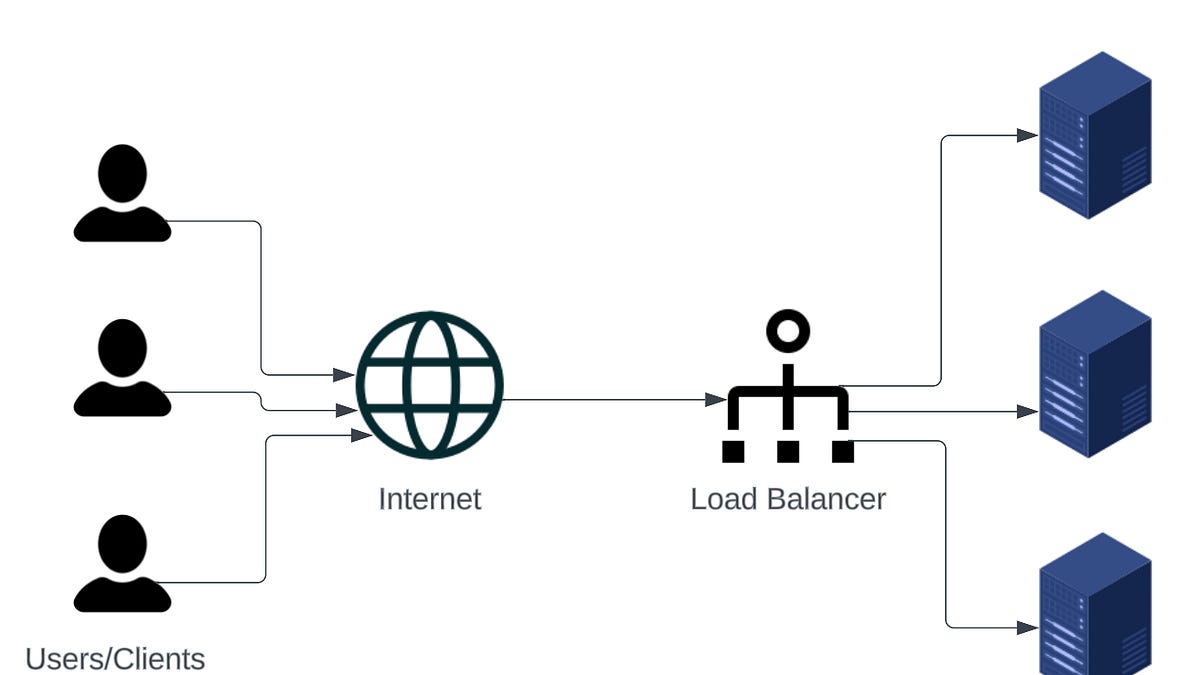
Load balancing plays a crucial role in managing high-volume wagering activity. Load balancers distribute incoming user requests across multiple servers to prevent any single server from becoming overloaded.
When millions of users attempt to access the platform simultaneously during a major football game, load balancing systems ensure that traffic is evenly distributed across the infrastructure.
If one server experiences technical issues, the load balancer automatically redirects traffic to other servers, ensuring uninterrupted service for users.
Microservices Architecture
Many modern betting platforms are built using microservices architecture rather than traditional monolithic systems. In this approach, the platform is divided into multiple independent services, each responsible for a specific function.
Examples of microservices used in betting platforms include:
- User authentication service
- Odds calculation engine
- Bet processing service
- Payment processing service
- Notification system
- Live data processing service
This architecture allows each service to scale independently based on demand. For example, the odds engine may require additional computing resources during live games, while other services remain stable.
Microservices also improve system reliability because failures in one component do not affect the entire platform.
Real-Time Communication Technologies
In live betting environments, speed is essential. Users expect instant updates when odds change or when important game events occur.
WebSockets for Live Updates
WebSockets enable real-time communication between the server and the user's device. Instead of refreshing the page repeatedly, users receive instant updates as odds change.
For example, if a touchdown occurs during a game, the platform immediately sends updated odds to all connected users through WebSocket connections.
Event Streaming Systems
Event streaming technologies such as Apache Kafka and RabbitMQ help betting platforms manage massive volumes of real-time data.
These systems distribute live match events and odds updates across various services within the platform, ensuring that all components remain synchronized.
Event streaming also helps maintain platform stability during periods of heavy traffic.
Risk Management and Exposure Control
Handling high-volume wagers also requires strong risk management systems. Betting platforms must carefully balance the amount of money wagered on different outcomes.
If too many users bet on a single outcome, the platform may face financial exposure if that outcome occurs.
To manage this risk, betting platforms use automated systems that monitor betting patterns in real time. If necessary, the system adjusts betting odds to encourage balanced wagering activity.
Risk management tools may also temporarily limit betting on certain markets if the exposure becomes too high.
Security and Fraud Prevention
With large volumes of financial transactions taking place during major American football games, security is a top priority for betting platforms.
Secure Payment Processing
Betting platforms integrate secure payment gateways that support various payment methods, including credit cards, digital wallets, and bank transfers.
All financial transactions are protected using strong encryption technologies such as SSL and TLS protocols.
Fraud Detection Systems
Advanced fraud detection systems analyze user behavior to identify suspicious activities such as unusual betting patterns, multiple account creation, or unauthorized access attempts.
Machine learning algorithms help identify potential fraud in real time and allow platforms to take immediate action to protect both users and operators.
Optimizing User Experience During High Traffic
Even the most powerful backend systems are ineffective if users cannot interact with the platform easily. User experience plays a critical role in the success of a sports betting application.
Modern betting platforms focus heavily on mobile optimization because a large percentage of users place bets using smartphones.
Features that improve the user experience include:

- Fast loading interfaces
- Simple bet placement systems
- Live scoreboards and statistics
- Push notifications for odds changes
- Clear bet slip interfaces
A well-designed interface ensures that users can place bets quickly even during the most intense moments of a game.
Preparing for Major American Football Events
Before major games such as the Super Bowl or playoff matches, betting platforms conduct extensive performance testing to ensure their systems can handle peak traffic loads.
Load testing tools simulate millions of users interacting with the platform simultaneously. Engineers analyze system performance and optimize infrastructure to eliminate potential bottlenecks.
Redundancy systems and backup servers are also deployed to ensure uninterrupted service even if hardware failures occur.
The Future of Sports Betting Technology
The sports betting industry continues to evolve rapidly with the introduction of new technologies. Artificial intelligence, predictive analytics, and blockchain-based betting systems are expected to shape the future of sports wagering platforms.
AI-driven analytics will improve odds accuracy and risk management, while blockchain technology could introduce transparent and tamper-proof betting records.
Additionally, immersive technologies such as augmented reality and live streaming integrations may create more interactive betting experiences for football fans.
Conclusion
Handling high-volume wagers during major American football games is a complex technical challenge that requires powerful infrastructure, advanced data processing systems, and reliable security frameworks.
Modern betting platforms rely on cloud scalability, real-time data feeds, automated odds engines, and microservices architecture to ensure seamless performance during the busiest sporting events.
As the sports betting industry continues to grow, platforms must invest in innovative technologies that deliver fast, secure, and engaging betting experiences for users worldwide.
Build Your NFL Betting Platform with BM Coder
BM Coder specializes in developing scalable and secure sports betting platforms designed to handle high-volume wagering during major sporting events. Our development team builds advanced betting systems with real-time odds engines, secure payment integration, and cloud-based scalability.
If you are planning to launch your own NFL betting platform or upgrade your existing system, our experts can help you build a powerful and reliable solution tailored to your business needs.
Contact our team today to discuss your project.
📧 Email: [email protected]
💬 WhatsApp: +91 9586979730
Author: parth
Date: 12-03-2026
We to code. It's our passion










you can also reach us at our given
email address or phone number.