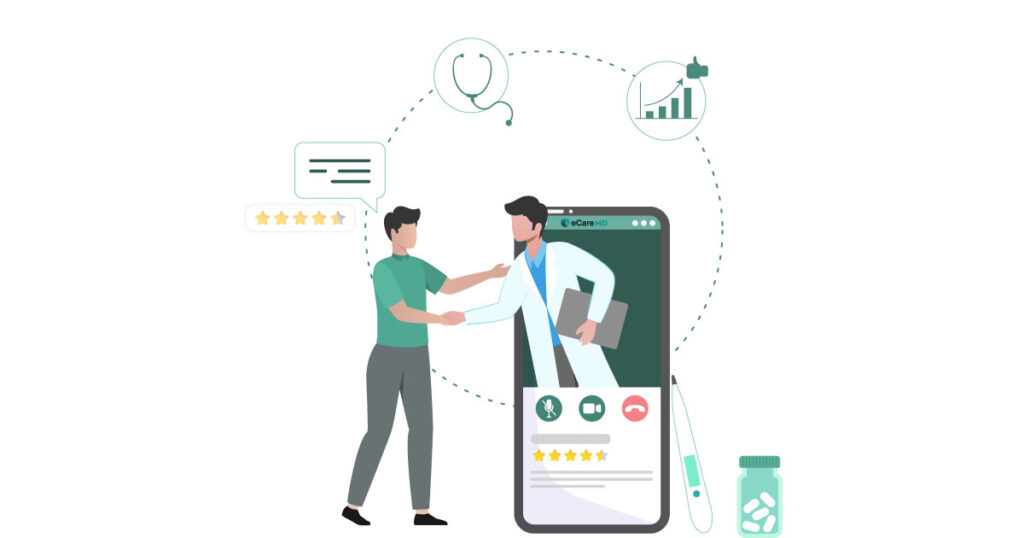
In today’s fast-evolving healthcare landscape, efficiency and accuracy are critical. Hospitals, clinics, and healthcare providers are under constant pressure to deliver better care while managing increasing patient loads. One of the most transformative solutions helping organizations meet these demands is real-time patient tracking systems.
Real-time tracking enables healthcare providers to monitor patient movement, status, and medical data instantly. This not only improves operational efficiency but also significantly enhances patient outcomes by reducing delays, improving communication, and enabling proactive care.
If you are planning to build a robust solution, partnering with a reliable custom healthcare software development company ensures seamless integration, scalability, and compliance with healthcare standards.
What is Real-Time Patient Tracking?
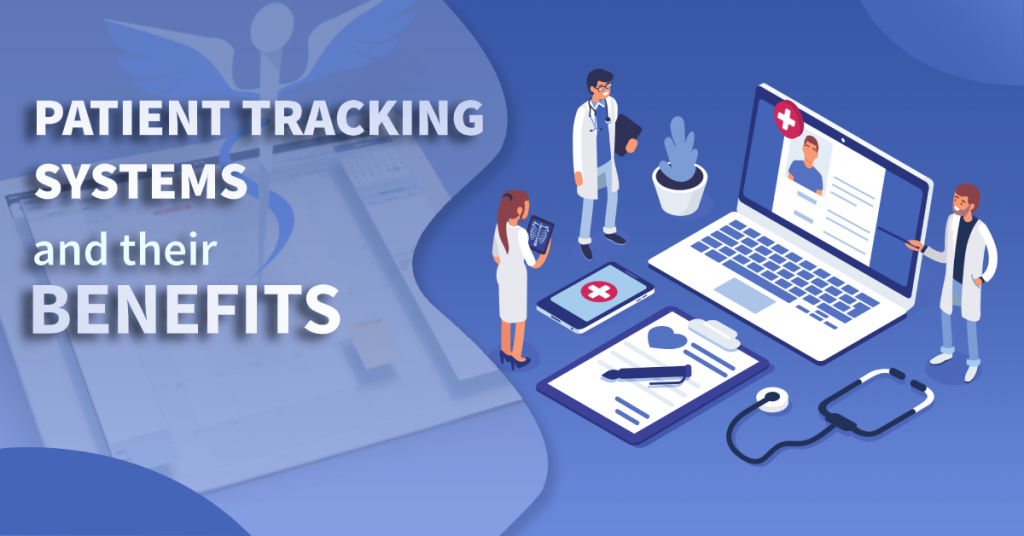
Real-time patient tracking refers to the use of digital technologies such as RFID, IoT devices, mobile apps, and centralized dashboards to monitor a patient’s location, condition, and treatment progress within a healthcare facility or remotely.
These systems provide live updates to doctors, nurses, and administrative staff, ensuring that everyone involved in patient care has access to accurate and up-to-date information.
Why Real-Time Patient Tracking is Important
| Challenge | Traditional Approach | With Real-Time Tracking |
|---|---|---|
| Patient location tracking | Manual updates | Live location visibility |
| Communication gaps | Delayed coordination | Instant notifications |
| Emergency response | Slower response times | Immediate alerts |
| Resource management | Inefficient allocation | Optimized utilization |
Key Benefits of Real-Time Patient Tracking Systems
1. Improved Care Coordination
Real-time tracking ensures seamless communication between departments, allowing healthcare teams to coordinate efficiently. Doctors, nurses, and support staff can access the same patient data instantly, minimizing delays and confusion.
2. Faster Decision-Making
Access to real-time data allows healthcare professionals to make quick and informed decisions, especially during critical situations.
3. Enhanced Patient Safety
Tracking systems reduce the risk of patient misidentification, medication errors, and missed treatments.
4. Reduced Waiting Time
Patients spend less time waiting for consultations, tests, and procedures as workflows become more streamlined.
5. Better Resource Management
Hospitals can efficiently manage beds, staff, and equipment, ensuring optimal utilization.
Core Features of a Patient Tracking System
| Feature | Description |
|---|---|
| Live Patient Location Tracking | Track patient movement across departments |
| Status Monitoring | View real-time treatment updates |
| Alerts & Notifications | Instant alerts for emergencies or delays |
| Integration with EHR | Seamless access to patient records |
| Analytics Dashboard | Insights for operational improvements |
| Mobile Accessibility | Access system via smartphones/tablets |
Technologies Used in Real-Time Patient Tracking
- RFID (Radio Frequency Identification): Tracks patient movement within facilities
- IoT Devices: Monitor patient vitals and conditions
- GPS Tracking: Useful for ambulance and remote patient tracking
- Cloud Computing: Enables real-time data access and storage
- AI & Analytics: Predictive insights and automation
How Real-Time Tracking Improves Clinical Workflow
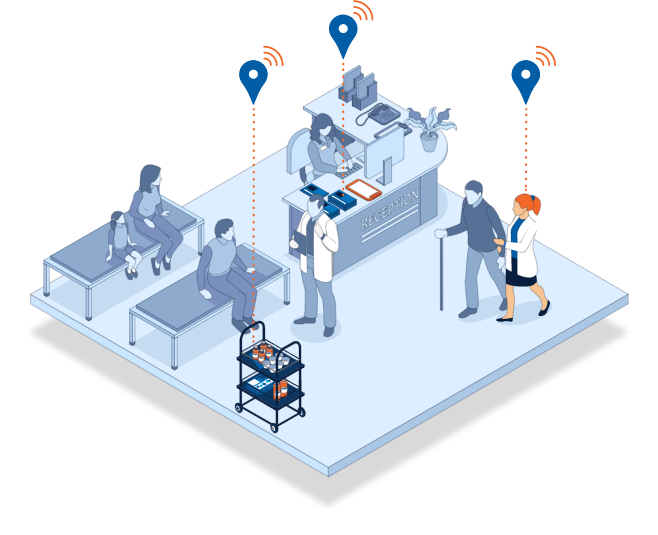
1. Automated Patient Flow Management
Patients are automatically tracked from admission to discharge, reducing manual intervention.
2. Efficient Emergency Handling
Emergency teams receive instant alerts, ensuring faster response times.
3. Streamlined Communication
Real-time updates keep all stakeholders informed, eliminating communication gaps.
4. Data-Driven Decisions
Analytics dashboards provide insights into patient flow, helping optimize operations.
Use Cases of Patient Tracking Systems
- Hospital patient management
- Emergency response tracking
- ICU monitoring systems
- Ambulance tracking
- Remote patient monitoring
Impact on Patient Outcomes
| Factor | Without Tracking | With Real-Time Tracking |
|---|---|---|
| Diagnosis speed | Delayed | Faster |
| Treatment accuracy | Moderate | High |
| Patient satisfaction | Average | Improved |
| Hospital efficiency | Low | Optimized |
Challenges in Implementing Patient Tracking Systems
- High initial investment
- Integration with existing systems
- Data privacy concerns
- Staff training requirements
Best Practices for Implementation

- Choose scalable technology
- Ensure compliance with healthcare regulations
- Train staff effectively
- Focus on user-friendly interfaces
- Implement strong security measures
Future Trends in Patient Tracking
- AI-powered predictive tracking
- Wearable health devices
- Blockchain for secure data sharing
- Smart hospital ecosystems
Conclusion
Real-time patient tracking systems are revolutionizing healthcare by improving coordination, reducing delays, and enhancing patient safety. By leveraging advanced technologies, healthcare providers can deliver better outcomes while optimizing operational efficiency.
As the demand for smarter healthcare solutions continues to grow, investing in real-time tracking systems is a strategic move for any healthcare organization.
📞 Call to Action
Looking to develop a powerful real-time patient tracking system for your healthcare organization?
📧 Email: [email protected]
📱 WhatsApp: +91.9586979730
Connect with Developers App India BM Coder today to build secure, scalable, and high-performance healthcare software solutions tailored to your needs.
Blog ID: 1489Author: parth
Date: 25-04-2026
We to code. It's our passion





you can also reach us at our given
email address or phone number.