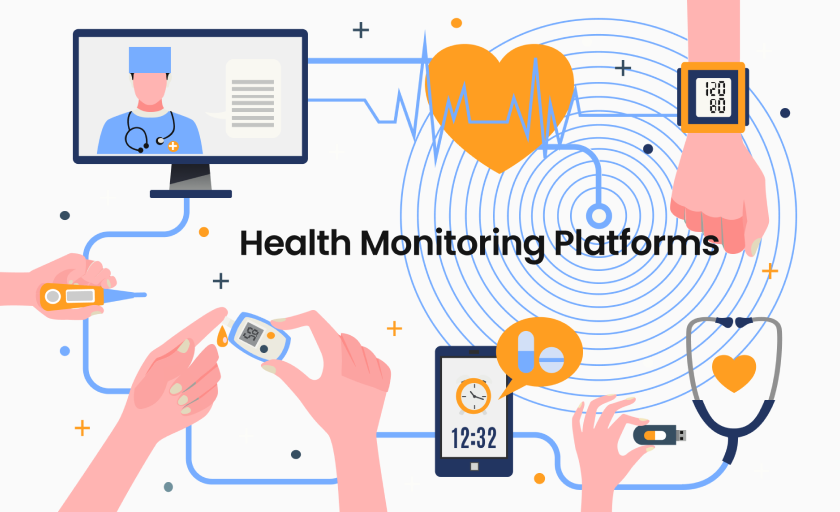
Healthcare delivery is undergoing a dramatic transformation as remote care platforms reshape how patients access medical services. Traditional healthcare systems often face limitations such as geographic barriers, provider shortages, long wait times, and infrastructure constraints. Remote care technologies, powered by telehealth applications, virtual consultations, AI-driven diagnostics, and connected medical devices, are addressing these challenges by making healthcare more accessible, efficient, and patient-centered.
Telehealth platforms have emerged as essential tools for healthcare providers, hospitals, clinics, and startups seeking to expand services beyond physical facilities. These platforms bridge the gap between patients and providers, offering consultations, chronic disease monitoring, mental health support, follow-up care, and preventive healthcare from virtually anywhere.
Organizations planning to build scalable virtual healthcare ecosystems can benefit significantly from custom healthcare application development designed for secure, compliant, and user-friendly remote care experiences.
The Evolution of Remote Care Platforms

Remote healthcare services began with basic phone consultations but have rapidly evolved into sophisticated digital ecosystems integrating:
- Video consultations
- Electronic health records (EHR)
- Remote patient monitoring (RPM)
- Wearable device integrations
- AI symptom assessments
- ePrescriptions
- Appointment scheduling
- Patient education portals
These advancements are helping healthcare providers deliver comprehensive services while reducing costs and improving operational flexibility.
Key Drivers Behind Telehealth Growth
| Growth Factor | Impact on Healthcare Access |
|---|---|
| Internet Expansion | Broader digital healthcare availability |
| Smartphone Adoption | Improved patient convenience |
| Provider Shortages | Expanded reach of specialists |
| Chronic Disease Growth | Continuous remote monitoring |
| Healthcare Costs | Reduced in-person care expenses |
| Regulatory Support | Accelerated telehealth implementation |
How Remote Care Platforms Improve Healthcare Accessibility
1. Breaking Geographic Barriers
One of the greatest benefits of telehealth platforms is their ability to connect patients in rural, underserved, or remote areas with qualified healthcare providers.
This is particularly impactful for:
- Specialist consultations
- Mental health therapy
- Follow-up appointments
- Chronic disease management
- Post-operative care
Patients no longer need to travel long distances for quality medical support, improving healthcare equity.
2. Reducing Appointment Wait Times
Digital scheduling systems, virtual queues, and instant consultations help reduce traditional delays by:
- Increasing provider availability
- Offering on-demand consultations
- Streamlining appointment booking
- Reducing overcrowding
This allows healthcare providers to serve more patients efficiently.
3. Lowering Healthcare Costs
Remote care platforms reduce:
- Travel costs
- Hospital overhead
- Missed work hours
- Emergency room dependency
By minimizing unnecessary physical visits, telehealth solutions create more affordable healthcare delivery models.
Core Features of Modern Telehealth Platforms
| Feature | Purpose | User Benefit |
|---|---|---|
| Video Consultation | Virtual physician access | Convenience |
| Remote Monitoring | Track chronic conditions | Continuous care |
| ePrescription | Digital medication management | Faster treatment |
| Patient Portals | Health record access | Transparency |
| AI Symptom Checker | Preliminary health assessments | Early intervention |
| Secure Messaging | Provider communication | Better engagement |
Enhancing Patient Engagement Through Telehealth
Patient engagement is critical for successful healthcare outcomes, and digital platforms offer powerful tools to increase participation.
Personalized Health Dashboards
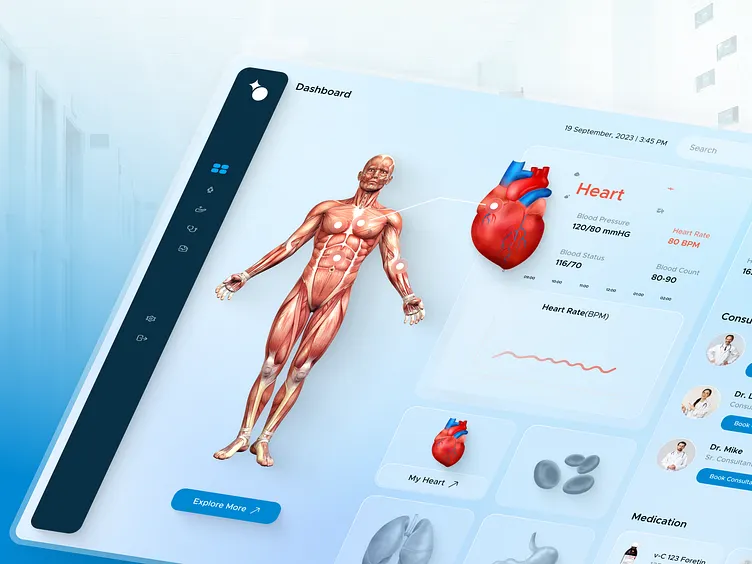
Patients can monitor:
- Medical history
- Lab reports
- Medication schedules
- Upcoming appointments
- Health progress metrics
This encourages active health management.
Automated Reminders
Notifications improve:
- Appointment attendance
- Medication adherence
- Routine screenings
- Vaccination schedules
Educational Resources
Telehealth apps often include:
- Wellness content
- Disease management guides
- Preventive health resources
- Diet and lifestyle coaching
Better-informed patients often experience stronger health outcomes.
Remote Care for Chronic Disease Management
Remote care platforms are particularly valuable for managing chronic illnesses such as:
- Diabetes
- Hypertension
- Heart disease
- Asthma
- Obesity
Through wearable integrations and real-time monitoring, healthcare teams can:
- Track patient vitals
- Identify warning signs
- Adjust treatment plans
- Prevent hospitalizations
This improves quality of life while lowering long-term treatment costs.
Telehealth’s Role in Mental Healthcare Expansion
Remote care platforms have significantly improved access to mental health services by offering:
- Online therapy sessions
- Psychiatric consultations
- Crisis intervention support
- Medication management
Virtual mental healthcare reduces stigma, improves privacy, and increases availability for patients who may otherwise avoid treatment.
Benefits for Healthcare Providers
| Provider Benefit | Business Impact |
|---|---|
| Expanded Patient Reach | Higher patient acquisition |
| Operational Efficiency | Reduced administrative burden |
| Recurring Revenue Models | Subscription growth |
| Improved Retention | Stronger patient relationships |
| Scalable Care Delivery | Faster expansion opportunities |
Security and Compliance in Telehealth App Development
Healthcare data security is critical. Effective telehealth platforms must comply with:
- HIPAA
- GDPR
- HL7/FHIR interoperability standards
- End-to-end encryption
- Role-based access controls
- Multi-factor authentication
Secure software architecture ensures patient privacy, provider trust, and legal compliance.
Challenges in Building Remote Care Platforms
While telehealth offers substantial advantages, development challenges include:
- Regulatory complexity
- Cross-device compatibility
- Scalable infrastructure needs
- Real-time video performance
- AI integration accuracy
- Patient adoption barriers
Partnering with an experienced healthcare software development company helps mitigate these technical challenges.
Future Trends in Telehealth and Remote Care

Telehealth innovation continues to evolve through:
- AI-powered diagnostics
- Virtual reality therapy
- IoT-connected healthcare ecosystems
- Blockchain health records
- Voice-enabled care assistants
- Predictive analytics for preventive medicine
These technologies will further expand access while improving quality and personalization.
Why Healthcare Businesses Should Invest in Telehealth App Development
Healthcare organizations investing in remote care platforms gain strategic advantages:
- Competitive differentiation
- Broader patient markets
- Operational scalability
- Revenue diversification
- Improved patient satisfaction
Custom telehealth software allows providers to meet rising patient expectations while modernizing healthcare delivery.
Conclusion
Remote care platforms are fundamentally transforming healthcare access by eliminating geographic limitations, improving efficiency, enhancing patient engagement, and reducing costs. Through telehealth app development, healthcare providers can deliver scalable, personalized, and secure services that meet modern patient demands.
As digital healthcare adoption accelerates, telehealth platforms will play an increasingly vital role in shaping the future of healthcare systems globally. For healthcare businesses, investing in innovative remote care solutions is no longer optional—it is a strategic necessity for long-term success.
Build Advanced Telehealth Platforms with Developers App India BM Coder
We specialize in secure, scalable, and feature-rich healthcare software solutions for telemedicine, remote patient monitoring, and digital care delivery.
Email: [email protected]
WhatsApp: +91 9586979730
Contact us today to develop cutting-edge telehealth applications that expand healthcare access and transform patient experiences.
Author: parth
Date: 29-04-2026
We to code. It's our passion








you can also reach us at our given
email address or phone number.