Chronic diseases such as diabetes, hypertension, cardiovascular disorders, respiratory illnesses, and kidney diseases are becoming increasingly common worldwide. Managing these conditions requires continuous monitoring, regular medical attention, medication adherence, and long-term patient engagement. Traditional healthcare systems often struggle to provide continuous care outside hospitals and clinics, leading to delayed interventions and higher healthcare costs.
Remote monitoring platforms are transforming chronic care management by enabling healthcare providers to track patient health in real time using digital technologies. These platforms collect patient data through mobile applications, wearable devices, connected sensors, and cloud-based healthcare systems, helping doctors monitor conditions remotely and respond proactively to health risks.
Modern remote patient monitoring solutions improve healthcare accessibility, reduce hospital readmissions, support preventive care, and enhance patient engagement. They are becoming an essential part of digital healthcare transformation across hospitals, clinics, healthcare startups, and wellness organizations.
Healthcare businesses planning to build intelligent healthcare ecosystems can explore professional digital health platform development to create secure, scalable, and feature-rich remote patient monitoring applications for chronic care management.
The Growing Need for Chronic Care Management Solutions
Chronic diseases are responsible for a significant percentage of global healthcare expenses and long-term medical treatments. Patients with chronic conditions often require:
- Continuous health monitoring
- Regular doctor consultations
- Medication management
- Lifestyle tracking
- Frequent diagnostic testing
- Emergency intervention support
Traditional healthcare models depend heavily on physical visits, which can create challenges such as:
- Limited access to healthcare providers
- Long waiting times
- Delayed medical intervention
- Higher treatment costs
- Hospital overcrowding
- Reduced patient engagement
Remote patient monitoring platforms solve these problems by enabling continuous healthcare management outside clinical environments.
What Is Remote Patient Monitoring?
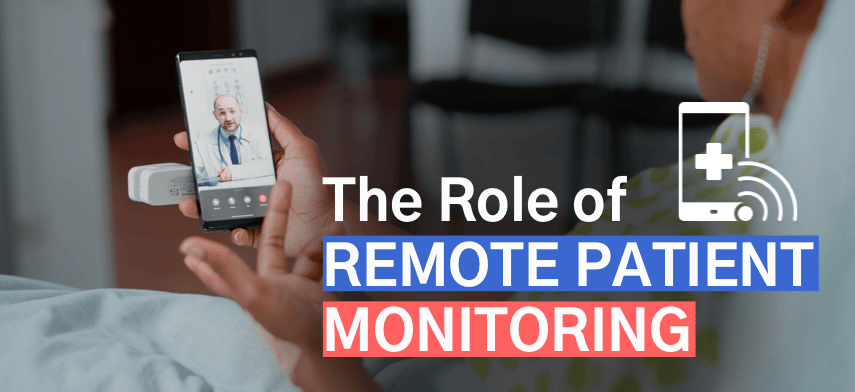
Remote Patient Monitoring (RPM) is a digital healthcare technology that allows healthcare providers to monitor patient health data remotely using connected devices and mobile applications.
RPM systems collect real-time health information such as:
- Heart rate
- Blood pressure
- Blood glucose levels
- Oxygen saturation
- Respiratory rate
- Sleep patterns
- Physical activity
- Medication adherence
This data is securely transmitted to healthcare providers, enabling proactive healthcare decision-making and continuous patient support.
How Remote Monitoring Platforms Improve Chronic Care Management
1. Continuous Real-Time Health Monitoring
Traditional healthcare systems only capture patient data during appointments. Remote monitoring platforms provide continuous health tracking throughout the day.
Real-time monitoring helps healthcare providers:
- Detect health abnormalities early
- Track disease progression
- Monitor treatment effectiveness
- Reduce emergency complications
- Respond quickly to critical conditions
Continuous monitoring improves patient safety and allows faster medical intervention.
2. Early Detection of Health Risks
Remote patient monitoring systems use AI analytics and smart alerts to identify potential health risks before conditions worsen.
These systems can detect:
- Irregular heart activity
- Dangerous glucose fluctuations
- Respiratory abnormalities
- High blood pressure levels
- Medication non-compliance
- Sleep-related disorders
Early detection helps healthcare providers reduce hospital admissions and improve chronic disease outcomes.
3. Better Medication Adherence
Many chronic disease patients struggle with medication consistency. Remote monitoring platforms improve adherence through automated reminders and tracking systems.
Patients receive:
- Medication reminders
- Dosage alerts
- Prescription refill notifications
- Treatment schedule tracking
- Doctor follow-up reminders
Improved medication adherence significantly enhances long-term treatment effectiveness.
4. Improved Patient Engagement
Patient engagement is critical for managing chronic conditions successfully. Remote healthcare platforms encourage patients to participate actively in their treatment journeys.
Patients can:
- View health progress reports
- Track wellness goals
- Communicate with healthcare providers
- Receive personalized health recommendations
- Access educational healthcare content
Engaged patients are more likely to maintain healthier habits and follow treatment plans consistently.
5. Reduced Hospital Readmissions
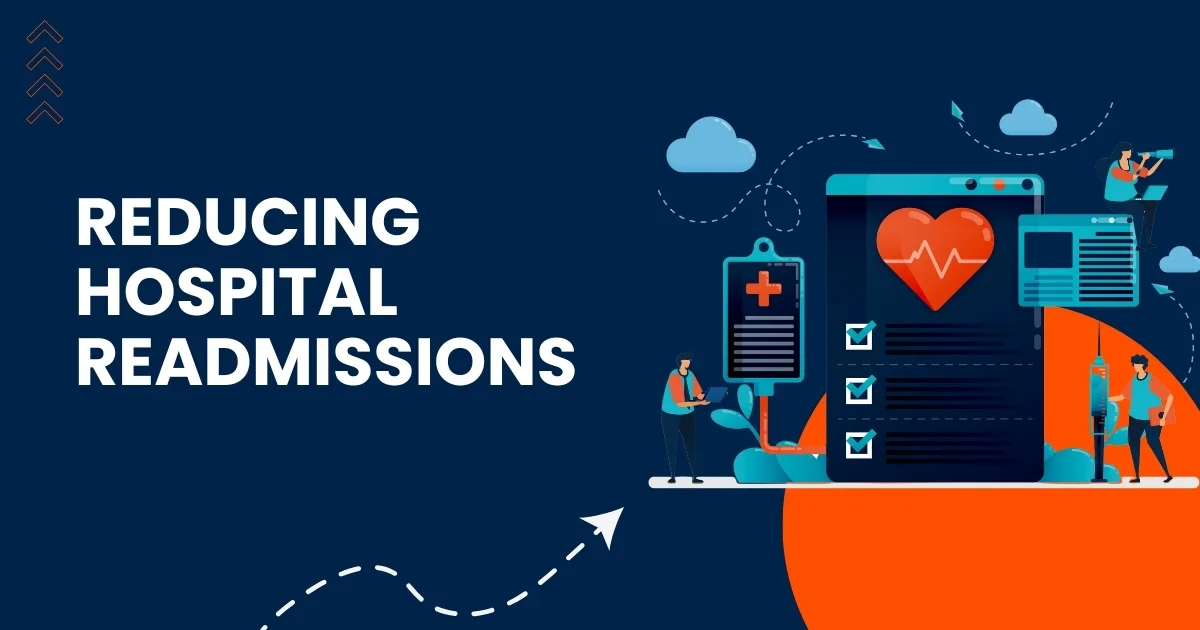
Frequent hospital readmissions increase healthcare costs and create operational challenges. RPM platforms help reduce unnecessary hospital visits by identifying complications earlier.
Healthcare providers can:
- Monitor discharged patients remotely
- Provide virtual follow-ups
- Adjust treatments proactively
- Prevent disease complications
This improves patient outcomes while reducing healthcare expenses.
Key Features of Remote Patient Monitoring Platforms
| Feature | Purpose |
|---|---|
| Real-Time Health Tracking | Monitor patient conditions continuously |
| Wearable Device Integration | Collect health data automatically |
| AI Analytics | Identify health risks early |
| Telemedicine Integration | Enable virtual consultations |
| Medication Reminders | Improve treatment adherence |
| Health Alerts | Notify providers of emergencies |
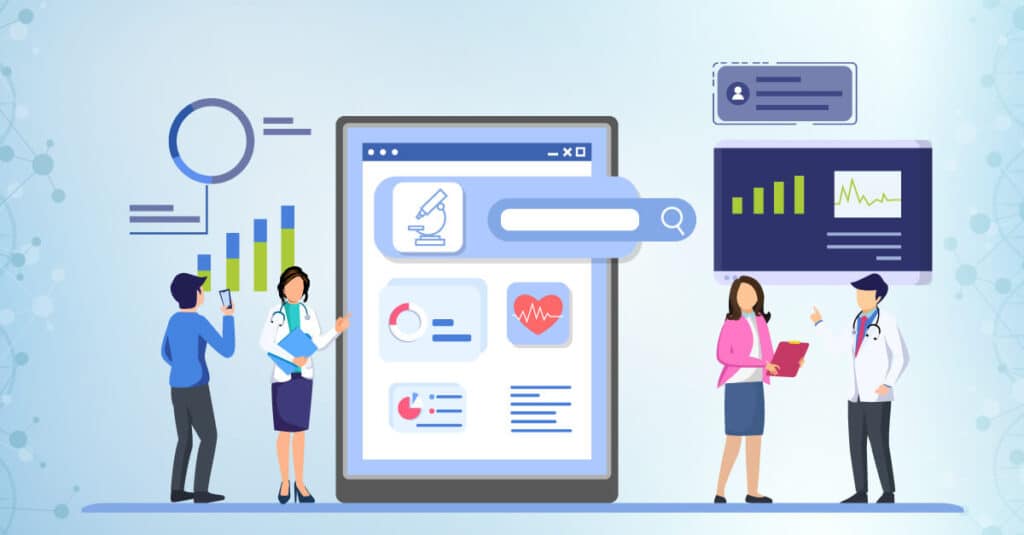
| Patient Dashboard | Track health progress visually |
| Secure Communication | Support doctor-patient interaction |
| Cloud-Based Data Storage | Manage healthcare records securely |
| Reporting and Analytics | Generate treatment insights |
Role of Wearable Devices in Remote Monitoring
Wearable devices play a major role in modern remote healthcare systems. Smartwatches, fitness bands, biosensors, and connected medical devices continuously collect patient data.
Wearables can track:
- Heart rate variability
- Blood oxygen levels
- Physical activity
- Sleep cycles
- Body temperature
- ECG readings
- Stress indicators
This real-time health data improves decision-making and enhances preventive healthcare strategies.
How AI Enhances Remote Patient Monitoring
Artificial intelligence is making remote monitoring platforms smarter and more predictive. AI algorithms analyze massive healthcare datasets and identify patterns that may not be visible through manual observation.
AI improves RPM systems through:
- Predictive health analytics
- Automated risk detection
- Behavioral analysis
- Smart health recommendations
- Personalized treatment insights
- Automated emergency alerts
AI-powered systems allow healthcare providers to shift from reactive treatment to preventive care.
Benefits of Remote Monitoring Platforms for Patients
| Patient Benefit | Impact |
|---|---|
| Convenient Healthcare Access | Reduce hospital visits |
| Continuous Monitoring | Improve disease management |
| Personalized Care | Support individual treatment plans |
| Faster Medical Response | Reduce emergency complications |
| Lower Healthcare Costs | Reduce hospitalization expenses |
| Improved Health Awareness | Encourage healthier habits |
Benefits for Healthcare Providers and Organizations
Remote monitoring systems also create operational and financial advantages for healthcare organizations.
Healthcare providers benefit through:
- Improved patient management
- Better treatment outcomes
- Reduced hospital overcrowding
- Optimized healthcare workflows
- Data-driven clinical decisions
- Higher patient retention
- Scalable healthcare delivery
These systems improve efficiency while supporting higher-quality patient care.
Remote Monitoring for Different Chronic Conditions
Diabetes Management
RPM systems monitor blood glucose levels continuously and provide alerts for dangerous fluctuations.
Cardiovascular Diseases
Heart rate monitoring and ECG tracking help identify cardiac risks early.
Respiratory Disorders
Oxygen saturation and breathing pattern monitoring improve respiratory disease management.
Hypertension
Connected blood pressure monitoring devices support long-term hypertension control.
Mental Health Conditions
Remote wellness tracking helps monitor stress levels, sleep quality, and emotional well-being.
Importance of Data Security in RPM Platforms
Remote monitoring systems handle highly sensitive healthcare information, making cybersecurity essential.
Secure RPM platforms should include:
- End-to-end encryption
- HIPAA-compliant infrastructure
- Secure cloud storage
- Role-based access controls
- Multi-factor authentication
- Secure API integrations
- Data backup and recovery systems
Strong security systems protect patient privacy and ensure regulatory compliance.
Challenges in Remote Patient Monitoring Development
| Challenge | Solution |
|---|---|
| Device Connectivity Issues | Use reliable IoT infrastructure |
| Patient Technology Adoption | Design user-friendly interfaces |
| Data Privacy Concerns | Implement advanced cybersecurity |
| System Scalability | Use cloud-based architecture |
| Data Accuracy Problems | Integrate certified medical devices |
| Regulatory Compliance | Follow healthcare regulations |
Future Trends in Remote Patient Monitoring
The future of remote healthcare monitoring will become more intelligent, connected, and predictive.
Emerging RPM trends include:
- AI-driven predictive healthcare
- Advanced wearable biosensors
- 5G-enabled healthcare systems
- IoT-powered smart healthcare devices
- Voice-enabled patient monitoring
- Blockchain-secured healthcare data
- AR/VR-assisted remote healthcare
- Personalized digital therapeutics
Healthcare organizations adopting these technologies early will gain strong competitive and operational advantages.
Why Healthcare Businesses Should Invest in RPM Platforms
Remote patient monitoring is becoming one of the most valuable technologies in modern healthcare. It supports preventive care, reduces treatment costs, improves healthcare accessibility, and strengthens patient engagement.
Investing in RPM development helps businesses:
- Improve chronic disease management
- Expand healthcare accessibility
- Reduce operational costs
- Increase patient retention
- Build scalable healthcare ecosystems
- Enhance digital healthcare services
- Support long-term healthcare innovation
As chronic disease cases continue increasing globally, remote healthcare technologies will play an even more important role in future healthcare systems.
Build Advanced Remote Monitoring Platforms with Developers App India BM Coder
Developers App India BM Coder specializes in building secure, scalable, and intelligent healthcare software solutions for hospitals, clinics, healthcare startups, and wellness organizations.
Our expertise includes:
- Remote patient monitoring app development
- AI-powered healthcare systems
- Telemedicine platform development
- Wearable device integrations
- Healthcare analytics dashboards
- Patient engagement solutions
- Healthcare CRM systems
- Custom healthcare software development
We help healthcare businesses create modern digital healthcare ecosystems that improve patient outcomes, operational efficiency, and chronic care management.
Email: [email protected]
WhatsApp: +91.9586979730
Conclusion
Remote monitoring platforms are transforming chronic care management by enabling continuous healthcare support, real-time monitoring, predictive analytics, and proactive treatment strategies. These technologies help healthcare providers improve patient outcomes while reducing healthcare costs and hospital readmissions.
From wearable integrations and AI-powered analytics to telemedicine and personalized healthcare insights, remote patient monitoring is becoming an essential component of modern digital healthcare systems.
Healthcare businesses investing in RPM technologies today can build scalable healthcare ecosystems that improve accessibility, strengthen patient engagement, and support long-term healthcare innovation. As digital healthcare continues evolving, remote monitoring platforms will remain at the center of future chronic disease management solutions.
Blog ID: 1534Author: parth
Date: 08-05-2026
We to code. It's our passion

you can also reach us at our given
email address or phone number.