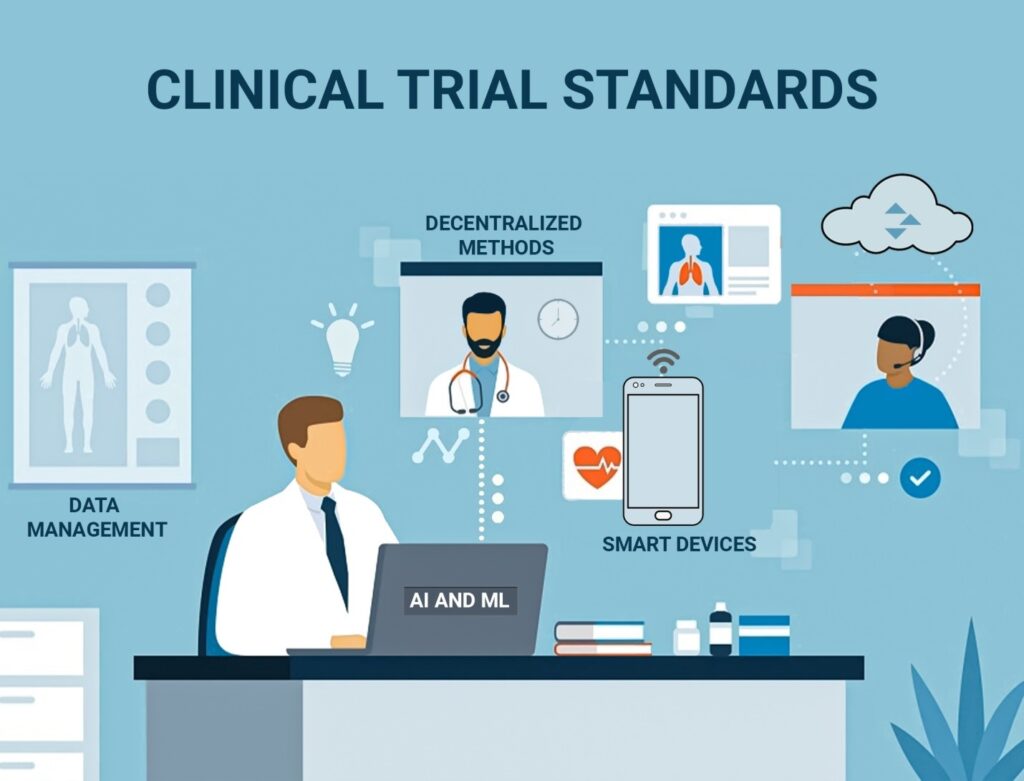
The healthcare and pharmaceutical industries are experiencing a major transformation through digital research technologies. Clinical research organizations, hospitals, pharmaceutical companies, biotech firms, laboratories, and healthcare institutions now depend heavily on digital research platforms to manage, integrate, and analyze massive amounts of clinical data.
Modern clinical research generates enormous volumes of information from electronic health records, laboratory systems, wearable devices, patient monitoring tools, imaging systems, genomic databases, telemedicine platforms, and clinical trials. Managing this data manually is no longer practical.
This is where clinical research data integration software becomes essential. Advanced research platforms help organizations collect, synchronize, standardize, secure, analyze, and visualize clinical information efficiently while maintaining strict compliance and healthcare security standards.
Organizations investing in custom healthcare software development are increasingly building secure clinical research platforms that support data interoperability, AI-powered analytics, cloud infrastructure, real-time reporting, and healthcare compliance management.
What Is Clinical Data Integration?
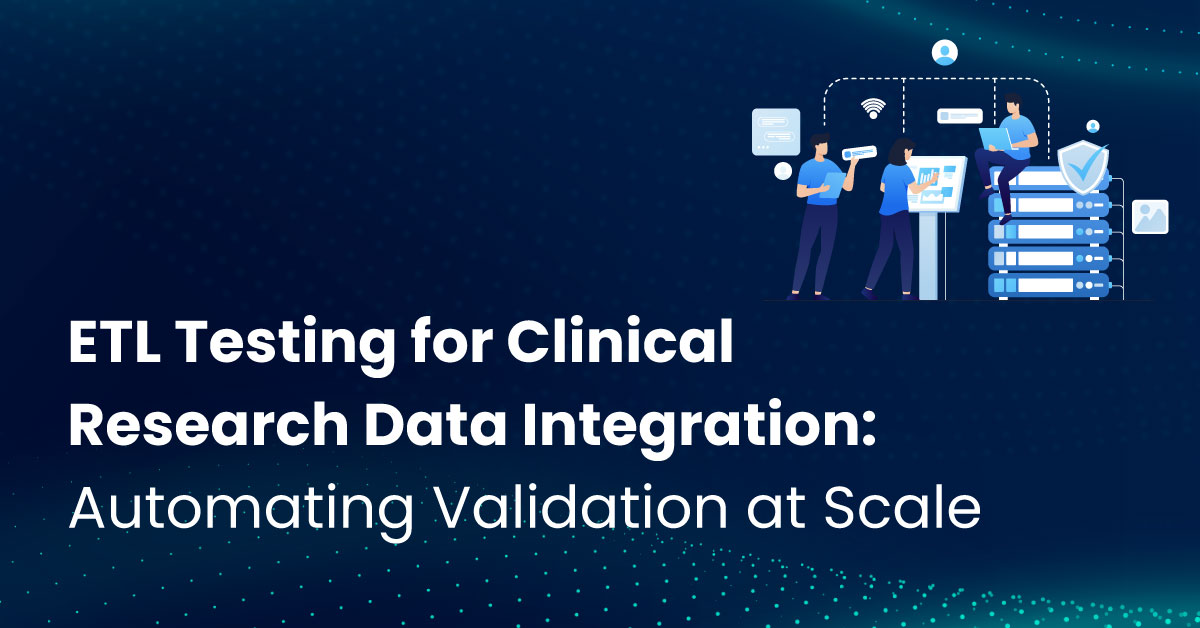
Clinical data integration refers to the process of collecting and combining healthcare and research data from multiple sources into a unified platform for analysis and decision-making.
Research platforms gather data from:
- Electronic Health Records (EHR)
- Clinical Trial Management Systems
- Laboratory Information Systems
- Medical Imaging Platforms
- Wearable Health Devices
- Patient Monitoring Systems
- Genomic Databases
- Hospital Management Systems
- Insurance Platforms
- Remote Patient Monitoring Applications
By integrating this information into one centralized environment, healthcare researchers can improve data accuracy, speed up research processes, and generate valuable clinical insights.
Why Clinical Data Integration Matters
Healthcare research depends on accurate and connected information. Without proper integration systems, research teams face:
- Data silos
- Duplicate records
- Manual reporting errors
- Delayed clinical analysis
- Compliance risks
- Operational inefficiencies
Integrated research platforms simplify data management and improve collaboration between healthcare stakeholders.
| Research Challenge | Impact on Clinical Operations |
|---|---|
| Disconnected Systems | Incomplete patient information |
| Manual Data Entry | Increased human errors |
| Data Duplication | Inconsistent research results |
| Slow Reporting | Delayed clinical decisions |
| Lack of Standardization | Difficult interoperability |
Key Components of Clinical Research Platforms
Modern clinical research software platforms combine multiple technologies to manage healthcare data effectively.
1. Data Collection Systems
Research platforms collect data from multiple healthcare environments in real time.
These systems support:
- Electronic patient records
- Clinical trial data capture
- Medical device integrations
- Patient surveys
- Remote monitoring tools
2. Data Integration Engines
Integration engines synchronize data from various healthcare systems into centralized databases.
These engines:
- Transform healthcare data formats
- Clean inconsistent records
- Validate incoming information
- Support interoperability standards
3. Data Warehousing
Research platforms use centralized data warehouses to store:
- Patient information
- Research reports
- Clinical trial records
- Medical imaging data
- Laboratory results
4. Analytics Dashboards
Interactive dashboards help researchers analyze large datasets and generate insights quickly.
Role of APIs in Clinical Data Integration
APIs (Application Programming Interfaces) are essential in modern healthcare research platforms. APIs allow systems to exchange data securely between:
- Hospitals
- Research laboratories
- Clinical trial systems
- Healthcare applications
- Insurance platforms
- Wearable health devices
Secure APIs support:
- Real-time data synchronization
- Automated data transfer
- Secure healthcare communication
- Cross-platform interoperability
| API Function | Clinical Benefit |
|---|---|
| Real-Time Data Exchange | Faster research analysis |
| Automated Synchronization | Reduced manual work |
| Secure Data Sharing | Protects patient privacy |
| Interoperability Support | Connects healthcare systems |
Importance of Healthcare Interoperability
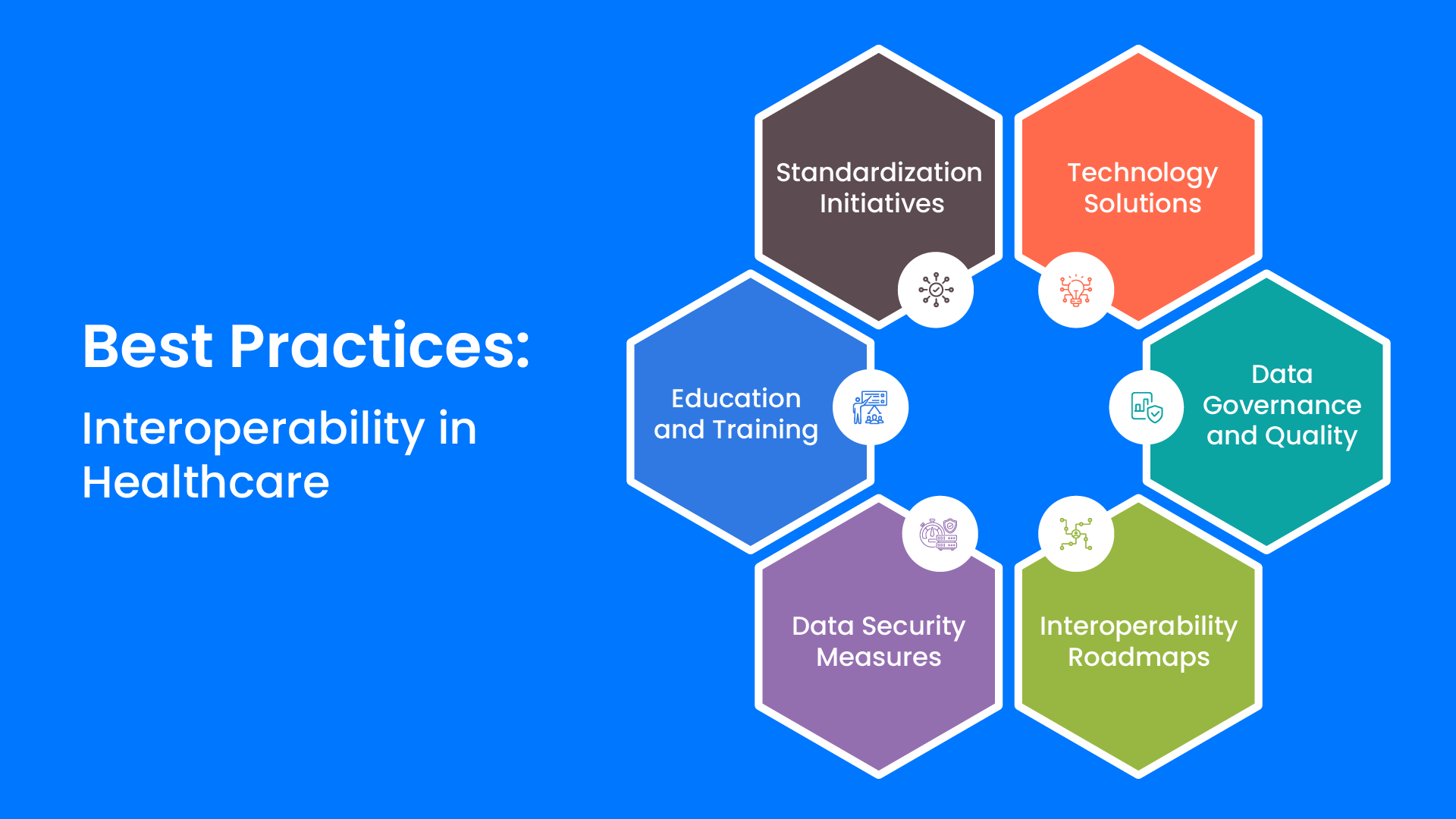
Healthcare interoperability ensures that different healthcare systems can communicate effectively.
Clinical research platforms use interoperability standards such as:
- FHIR
- HL7
- DICOM
- LOINC
- SNOMED CT
FHIR (Fast Healthcare Interoperability Resources)
FHIR enables standardized healthcare data exchange and supports:
- Mobile healthcare applications
- Cloud healthcare systems
- Clinical data portability
- Secure API communication
HL7 Standards
HL7 facilitates communication between healthcare applications and medical systems.
How AI Improves Clinical Data Analysis
Artificial Intelligence is transforming healthcare research by helping organizations analyze massive clinical datasets more efficiently.
AI-powered research platforms support:
- Predictive analytics
- Disease pattern identification
- Clinical trial optimization
- Risk analysis
- Medical image analysis
- Automated reporting
Machine Learning in Clinical Research
Machine learning algorithms help researchers:
- Identify hidden trends
- Predict treatment outcomes
- Improve patient recruitment
- Reduce research timelines
Role of Cloud Computing in Clinical Research Platforms
Cloud infrastructure has become essential for modern healthcare research systems because it offers scalability, flexibility, and secure remote access.
Cloud-based clinical research platforms provide:
- Scalable data storage
- Remote collaboration
- Automated backups
- Real-time synchronization
- Disaster recovery systems
- Secure global access
| Cloud Feature | Research Advantage |
|---|---|
| Scalable Storage | Handles large clinical datasets |
| Remote Access | Supports distributed research teams |
| Automatic Backups | Protects critical research data |
| Cloud Security | Improves data protection |
| Real-Time Collaboration | Accelerates clinical workflows |
Clinical Trial Data Management
Clinical trials generate large volumes of patient and research information that must be managed securely and accurately.
Clinical research platforms support:
- Patient recruitment
- Electronic data capture
- Trial monitoring
- Adverse event tracking
- Regulatory reporting
- Protocol management
Electronic Data Capture (EDC)
EDC systems replace paper-based clinical trial processes and improve:
- Data accuracy
- Research efficiency
- Regulatory compliance
- Data accessibility
Healthcare Data Security in Research Platforms
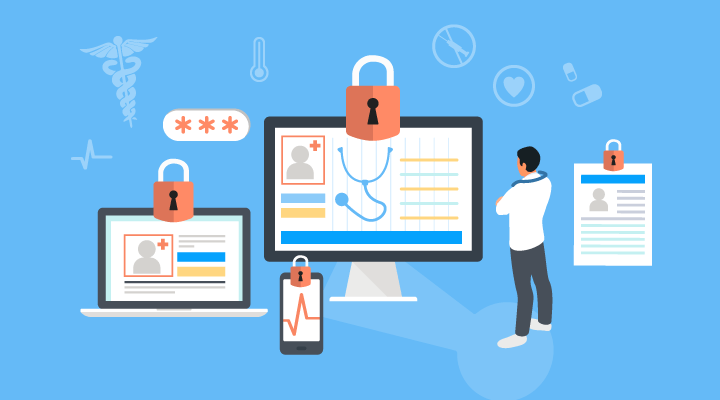
Clinical research platforms handle highly sensitive patient and medical information. Strong cybersecurity measures are essential to maintain compliance and trust.
Key Security Features
- Data encryption
- Role-based access control
- Multi-factor authentication
- Secure cloud infrastructure
- Audit logs
- Threat monitoring
HIPAA and GDPR Compliance
Healthcare research systems must comply with:
- HIPAA regulations
- GDPR privacy standards
- Clinical research guidelines
- Healthcare cybersecurity policies
Benefits of Integrated Clinical Research Platforms
1. Faster Research Processes
Automated data integration reduces manual work and accelerates clinical workflows.
2. Better Data Accuracy
Integrated systems minimize duplicate records and human errors.
3. Improved Decision-Making
Researchers can analyze real-time clinical insights using advanced analytics dashboards.
4. Enhanced Collaboration
Healthcare providers, researchers, laboratories, and pharmaceutical companies can collaborate more effectively.
5. Regulatory Compliance
Integrated systems support healthcare compliance and audit reporting.
Use Cases of Clinical Data Integration Platforms
Pharmaceutical Research
Drug development companies use integrated research systems for:
- Clinical trial management
- Research analytics
- Regulatory reporting
- Patient monitoring
Hospital Research Departments
Hospitals use research platforms to:
- Analyze patient outcomes
- Conduct medical studies
- Track treatment effectiveness
- Improve healthcare quality
Biotechnology Companies
Biotech firms integrate genomic and laboratory data for advanced medical research.
Academic Research Institutions
Universities and research organizations use centralized platforms for collaborative healthcare research projects.
Challenges in Clinical Data Integration
Despite technological advancements, healthcare organizations still face integration challenges.
| Challenge | Description |
|---|---|
| Legacy Systems | Older systems may not support modern integrations |
| Data Standardization | Different formats create compatibility issues |
| Security Risks | Healthcare data attracts cyber threats |
| Compliance Complexity | Strict regulations require continuous monitoring |
| Large Data Volumes | Research platforms must support scalability |
Best Practices for Clinical Research Software Development
Use Interoperability Standards
Implement FHIR and HL7 standards for seamless healthcare communication.
Focus on Data Security
Protect patient information using encryption and secure authentication systems.
Build Scalable Infrastructure
Clinical research platforms should support growing healthcare datasets and research expansion.
Implement Real-Time Analytics
Real-time dashboards improve decision-making and operational visibility.
Conduct Regular Security Audits
Healthcare systems require continuous monitoring and compliance assessments.
Future of Clinical Data Integration Platforms
The future of clinical research platforms will involve:
- AI-powered healthcare analytics
- Blockchain medical records
- Advanced predictive modeling
- IoT healthcare integrations
- Precision medicine platforms
- Cloud-native healthcare ecosystems
Healthcare organizations are increasingly investing in intelligent digital research environments that improve medical innovation, accelerate clinical trials, and support data-driven healthcare decisions.
Why Businesses Need Custom Clinical Research Software
Every healthcare organization has unique research workflows and compliance requirements. Custom clinical research software helps organizations:
- Improve operational efficiency
- Manage clinical trial data securely
- Support healthcare interoperability
- Enhance research analytics
- Maintain compliance standards
- Enable scalable healthcare research
Professional healthcare software development companies understand the complexities of healthcare integrations, secure APIs, healthcare cloud infrastructure, AI analytics, and clinical compliance systems.
Conclusion
Clinical research platforms are transforming the healthcare industry by enabling secure data integration, advanced analytics, real-time collaboration, and intelligent healthcare decision-making.
Modern research systems combine APIs, cloud infrastructure, interoperability standards, AI-powered analytics, and cybersecurity frameworks to manage massive clinical datasets efficiently and securely.
Healthcare organizations investing in advanced clinical data integration software can accelerate medical research, improve operational efficiency, strengthen compliance, and support future healthcare innovation through scalable digital research ecosystems.
CTA — Build Advanced Clinical Research Platforms with Developers App India BM Coder
Looking to develop secure and scalable clinical research software, healthcare analytics platforms, medical data integration systems, or AI-powered healthcare research applications?
Developers App India BM Coder specializes in healthcare software development, clinical research platform development, healthcare API integrations, HIPAA-compliant systems, cloud healthcare infrastructure, and secure healthcare analytics solutions.
Contact our healthcare software development experts today:
📧 Email: [email protected]
📱 WhatsApp: +91.9586979730
Blog ID: 1547Author: parth
Date: 11-05-2026
We to code. It's our passion







you can also reach us at our given
email address or phone number.