In today’s data-driven world, research plays a critical role in shaping policies, driving innovation, and solving complex global challenges. From public health studies and social impact programs to market research and environmental surveys, organizations increasingly rely on accurate and timely data collected from the field.
However, large-scale field data collection has traditionally been a complex, time-consuming, and error-prone process. Manual data entry, disconnected systems, delayed reporting, and logistical challenges often limit the effectiveness of research efforts.
Organizations that invest in custom field data collection app development are transforming how research is conducted—enabling faster, more accurate, and scalable data collection processes.
This comprehensive guide explores how modern research platforms simplify large-scale field data collection, their key features, benefits, challenges, and why they are essential for organizations aiming to maximize research impact.
Understanding Large-Scale Field Data Collection

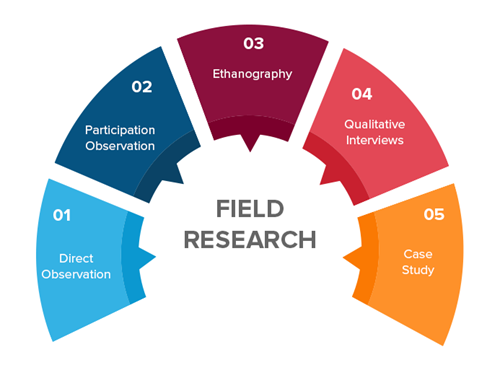
Large-scale field data collection involves gathering information from multiple locations, often across regions or countries, using surveys, observations, interviews, or sensor-based inputs. It is widely used in:
- Public health and epidemiological studies
- NGO and social impact programs
- Agricultural and environmental research
- Market research and consumer behavior analysis
- Government surveys and census operations
These projects typically involve hundreds or thousands of field workers collecting vast amounts of data, making efficiency and accuracy critical.
Challenges in Traditional Field Data Collection
Before the rise of digital platforms, field data collection relied heavily on paper-based systems and manual processes. This approach presents several challenges:
| Challenge | Impact |
|---|---|
| Manual Data Entry | High risk of errors and inconsistencies |
| Delayed Reporting | Slow decision-making and analysis |
| Data Loss | Missing or damaged paper records |
| Limited Scalability | Difficult to manage large teams and datasets |
| Lack of Real-Time Visibility | No immediate insights into field activities |
These limitations can significantly impact the quality and reliability of research outcomes.
What Are Research Data Collection Platforms?
Research data collection platforms are digital solutions designed to streamline the process of gathering, managing, and analyzing data from the field. These platforms typically include mobile applications for field workers, cloud-based storage systems, and web dashboards for researchers and administrators.
Core Capabilities
- Mobile-based data collection
- Real-time synchronization
- Offline data capture
- Centralized data management
- Advanced analytics and reporting
How Research Platforms Simplify Field Data Collection
1. Mobile-First Data Collection
Modern platforms enable field workers to collect data using smartphones or tablets. Digital forms replace paper surveys, ensuring accuracy and consistency.
2. Real-Time Data Synchronization
Data collected in the field is instantly synced to central servers, allowing researchers to monitor progress and analyze results in real time.
3. Offline Functionality
Field research often takes place in remote areas with limited connectivity. Offline capabilities allow data collection without internet access, with automatic syncing once connectivity is restored.
4. Automated Validation and Error Reduction
Built-in validation rules ensure that data is entered correctly, reducing errors and improving data quality.
5. Centralized Data Management
All collected data is stored in a centralized system, making it easy to access, analyze, and share.
Key Features of Research Platforms
| Feature | Benefit |
|---|---|
| Digital Surveys and Forms | Eliminate paperwork and improve accuracy |
| GPS Tracking | Verify location of data collection |
| Multimedia Capture | Collect photos, videos, and audio data |
| Role-Based Access | Ensure data security and controlled access |
| Cloud Storage | Secure and scalable data management |
| Analytics Dashboard | Real-time insights and reporting |
Benefits of Using Research Platforms
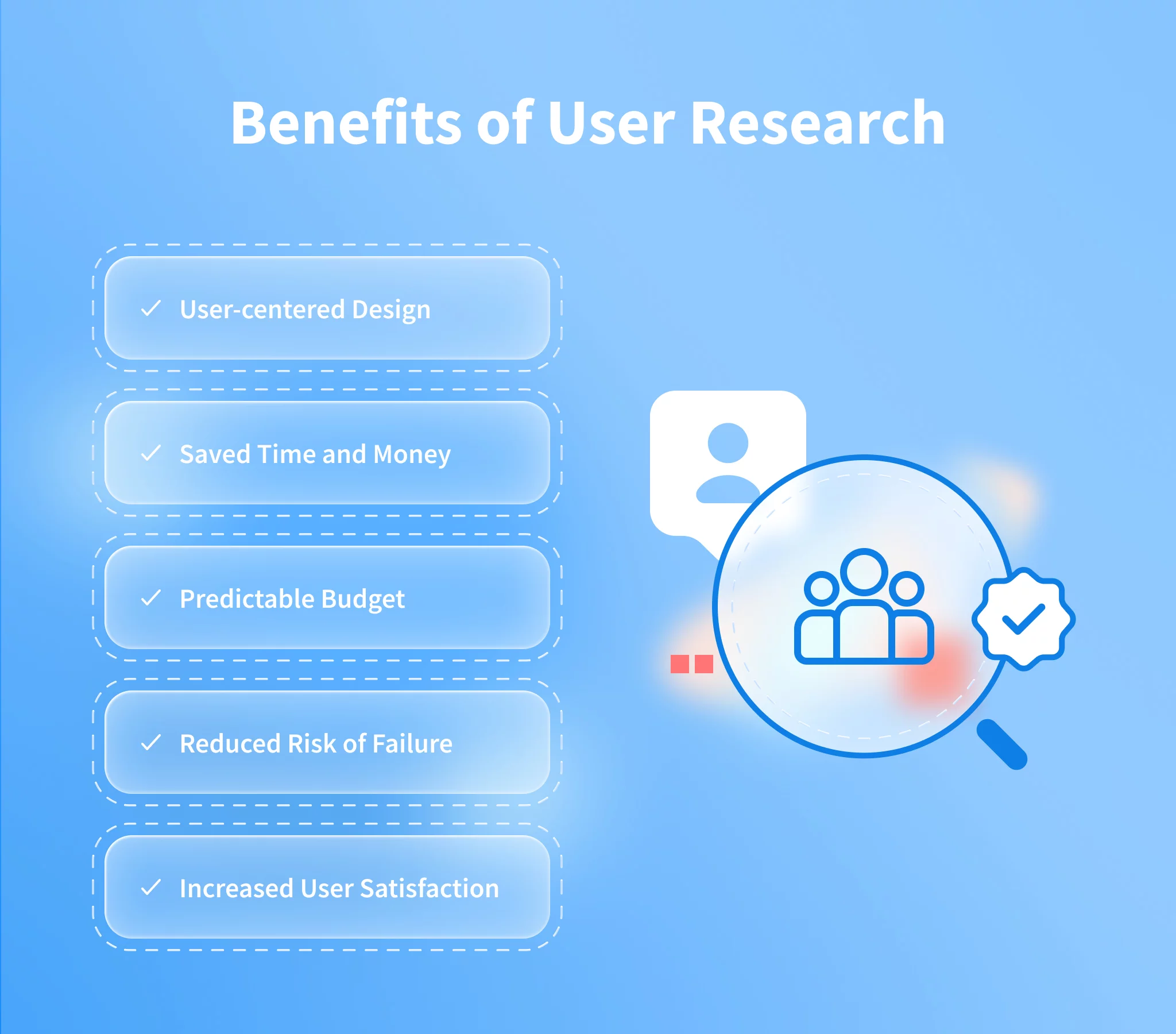
Improved Data Accuracy
Automated validation and digital entry minimize human errors, ensuring reliable data.
Faster Data Collection
Mobile tools and real-time syncing significantly speed up the data collection process.
Enhanced Scalability
Platforms can handle large datasets and multiple field teams across regions.
Cost Efficiency
Reducing paper usage, manual labor, and administrative overhead lowers overall costs.
Better Decision-Making
Access to real-time data enables faster and more informed decisions.
Use Cases Across Industries
1. Public Health Research
Collect data on disease outbreaks, patient health, and vaccination programs.
2. Social Impact Programs
Measure the effectiveness of NGO initiatives and community development projects.
3. Agricultural Research
Monitor crop conditions, soil health, and farming practices.
4. Market Research
Gather consumer insights and behavior data for business strategy.
5. Environmental Studies
Track climate data, wildlife populations, and ecological changes.
Traditional vs Digital Data Collection
| Traditional Method | Digital Research Platform |
|---|---|
| Paper-based surveys | Mobile digital forms |
| Manual data entry | Automated data capture |
| Delayed reporting | Real-time insights |
| High error rates | Data validation and accuracy |
| Limited scalability | Highly scalable systems |
Challenges in Implementing Research Platforms
- Resistance to adopting new technology
- Training field staff
- Integration with existing systems
- Data privacy and security concerns
- Initial development costs
With the right technology partner, these challenges can be effectively addressed.
Custom vs Off-the-Shelf Research Platforms
| Custom Platform | Off-the-Shelf Platform |
|---|---|
| Tailored to specific research needs | Generic features |
| Flexible and scalable | Limited customization |
| Better integration | Compatibility issues |
| Higher long-term ROI | Lower upfront cost |
Custom platforms provide a more efficient and scalable solution for large-scale research projects.
Future Trends in Research Data Collection
- Artificial Intelligence for predictive insights
- Machine Learning for pattern recognition
- Integration with IoT devices
- Cloud-based scalable infrastructure
- Advanced data visualization tools
These technologies will further enhance the capabilities of research platforms, making data collection faster, smarter, and more efficient.
Why Choose BM Coder for Research Platform Development?
Developers App India BM Coder specializes in building scalable, secure, and user-friendly research data collection platforms tailored to your needs.
Our expertise ensures seamless integration, real-time data capabilities, and high-performance solutions that drive impactful research outcomes.
Get Started with a Powerful Research Platform
Ready to simplify your field data collection and improve research efficiency?
Contact us today to build a customized research platform that meets your unique requirements.
📧 Email: [email protected]
📱 WhatsApp: +91 9586979730
Conclusion
Research platforms are revolutionizing large-scale field data collection by enabling real-time data capture, improving accuracy, and enhancing scalability. Organizations that adopt these digital solutions can conduct research more efficiently, reduce costs, and generate actionable insights faster.
As the demand for data-driven decision-making continues to grow, investing in a robust research data collection platform is essential for staying ahead in today’s competitive landscape.
Blog ID: 1471Author: parth
Date: 22-04-2026
We to code. It's our passion






you can also reach us at our given
email address or phone number.