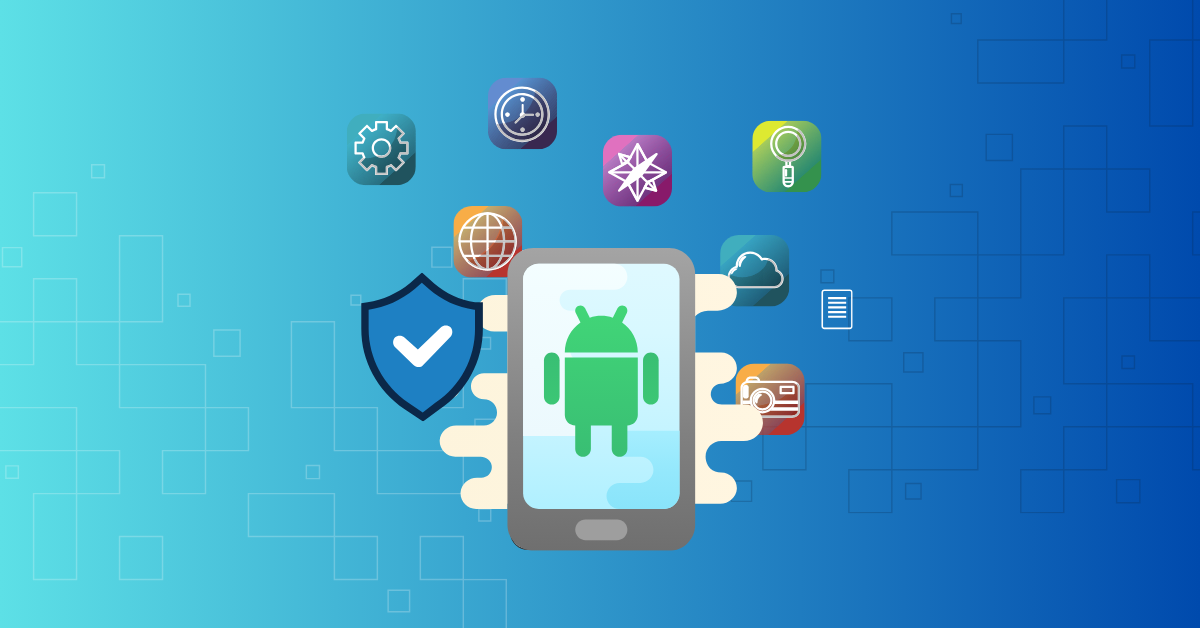
The financial services industry has undergone a profound transformation over the past decade, driven by rapid digitalization and the widespread adoption of mobile technology. At the heart of this revolution lies Android—one of the most dominant mobile platforms globally. From mobile banking and digital wallets to stock trading and insurance platforms, Android applications are now essential to delivering seamless, secure, and scalable financial services.
However, as financial transactions increasingly shift to mobile devices, the need for robust security in Android apps has never been more critical. Security is no longer a feature—it's a foundational requirement. In this blog, we explore how secure Android apps are powering modern financial services, the technologies behind them, and best practices for building trustworthy fintech applications.
If you're looking to build secure fintech solutions, explore our Fintech android app devlopment to ensure your application meets the highest standards of security and performance.
The Rise of Android in Financial Services
Android holds a significant share of the global smartphone market, making it the platform of choice for financial institutions aiming to reach a broad audience. The flexibility, scalability, and open ecosystem of Android make it ideal for fintech innovation.
| Feature | Benefit for Financial Services |
|---|---|
| Wide User Base | Reach diverse demographics across regions |
| Customizability | Build tailored financial solutions |
| Integration Capabilities | Connect with APIs, banking systems, and third-party services |
| Cost Efficiency | Lower development and deployment costs |
Why Security is Critical in Fintech Android Apps
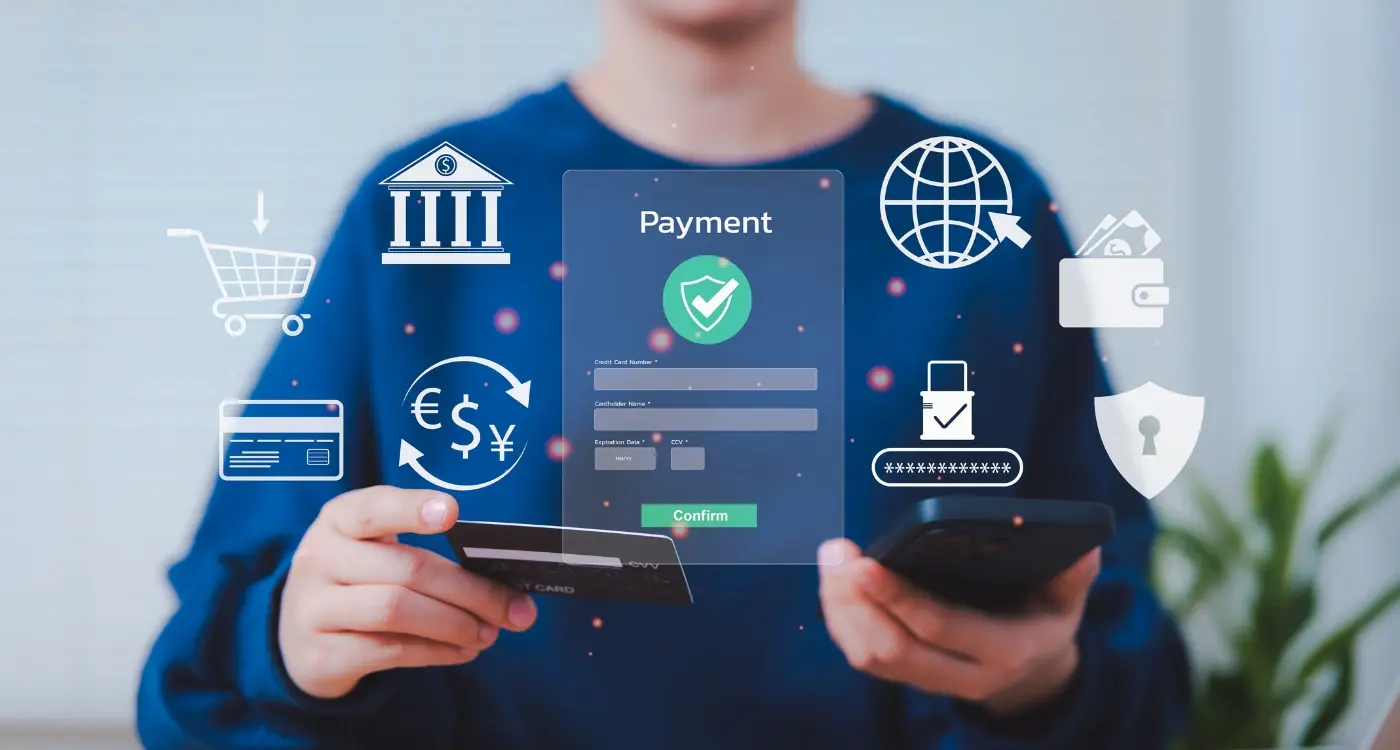
Financial applications deal with highly sensitive data, including personal information, banking credentials, and transaction histories. Any breach can result in severe financial and reputational damage.
- Unauthorized access to accounts
- Data leaks and identity theft
- Fraudulent transactions
- Regulatory penalties
Therefore, building secure Android apps is essential for maintaining trust and compliance in financial services.
Core Security Features in Android Fintech Apps
1. Data Encryption
Encryption ensures that sensitive data is protected both at rest and in transit. Financial apps use advanced encryption standards (AES) and secure communication protocols (HTTPS, TLS).
2. Multi-Factor Authentication (MFA)
MFA adds an extra layer of security by requiring users to verify their identity through multiple methods such as OTPs, biometrics, or authentication apps.
3. Biometric Authentication
Android supports fingerprint scanning and facial recognition, providing secure and convenient login options for users.
4. Secure APIs
APIs are essential for connecting financial services, but they must be secured using authentication tokens, rate limiting, and encryption.
5. Code Obfuscation
Obfuscation makes it difficult for attackers to reverse-engineer the app, protecting sensitive logic and data.
6. Secure Storage
Sensitive data should never be stored in plain text. Android provides secure storage options such as the Keystore system.
Security Challenges in Android Fintech Development
| Challenge | Solution |
|---|---|
| Device Fragmentation | Test across multiple devices and OS versions |
| Malware Threats | Use secure coding practices and regular updates |
| Data Leakage | Implement encryption and secure storage |
| Network Attacks | Use HTTPS and certificate pinning |
Role of Compliance and Regulations
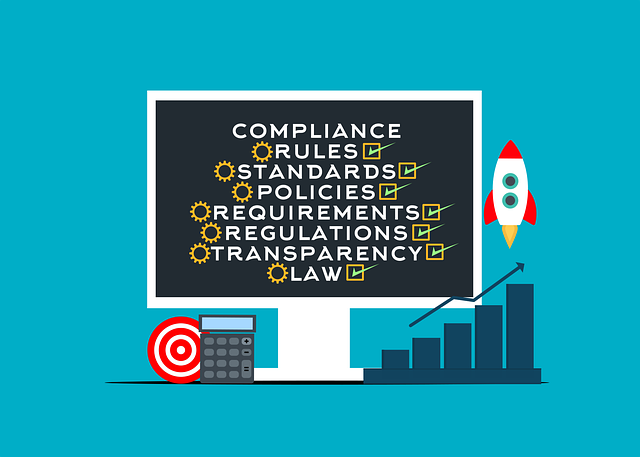
Financial apps must comply with industry standards and regulations such as:
- PCI-DSS (Payment Card Industry Data Security Standard)
- GDPR (General Data Protection Regulation)
- RBI Guidelines (for Indian financial apps)
Compliance ensures that applications adhere to strict security protocols and protect user data effectively.
Best Practices for Building Secure Android Fintech Apps
- Use secure coding standards
- Regularly update dependencies and libraries
- Perform penetration testing
- Implement real-time monitoring
- Educate users about security practices
How Secure Android Apps Enhance User Trust
Trust is the foundation of financial services. A secure app not only protects users but also enhances brand reputation. Features like biometric login, instant alerts, and encrypted transactions give users confidence in using mobile financial services.
Future Trends in Secure Fintech Android Apps

- AI-powered fraud detection
- Blockchain integration
- Advanced biometric authentication
- Zero-trust security models
Why Choose BM Coder for Fintech Android Development
Developers App India BM Coder is a trusted software development company specializing in secure and scalable Android applications for financial services. With expertise in fintech solutions, we ensure your app meets the highest security standards while delivering exceptional user experience.
| Service | Benefit |
|---|---|
| Custom Android Development | Tailored fintech solutions |
| Security Implementation | End-to-end data protection |
| API Integration | Seamless connectivity with financial systems |
| Maintenance & Support | Continuous security updates |
Conclusion
Secure Android apps are the backbone of modern financial services, enabling safe, fast, and convenient transactions for millions of users worldwide. As fintech continues to evolve, investing in robust security measures is essential for staying competitive and building user trust.
Whether you're launching a new fintech startup or upgrading an existing platform, focusing on security-first Android development will ensure long-term success.
Get Started with Secure Fintech App Development
Ready to build a secure and scalable Android fintech application? Partner with BM Coder today.
📧 Email: [email protected]
📱 WhatsApp: +91.9586979730
Contact us now to discuss your project and take the first step toward building a secure financial future.
Blog ID: 1346Author: parth
Date: 01-04-2026
We to code. It's our passion









you can also reach us at our given
email address or phone number.