In today’s data-driven world, mobile data collection platforms are widely used across industries such as healthcare, agriculture, logistics, government, and field services. These platforms enable field workers to gather critical information in real time, often from remote and high-risk environments. However, with this convenience comes a major responsibility—protecting sensitive field data.
Whether it's personal health records, financial details, geolocation data, or operational insights, securing this information is essential to maintain trust, ensure compliance, and prevent breaches. Mobile data collection platforms must be designed with robust security frameworks that safeguard data at every stage—from capture to storage to transmission.
If you're planning to build a secure and scalable platform, explore our secure mobile application development tailored for data-sensitive environments.
Why Protecting Sensitive Field Data Is Critical
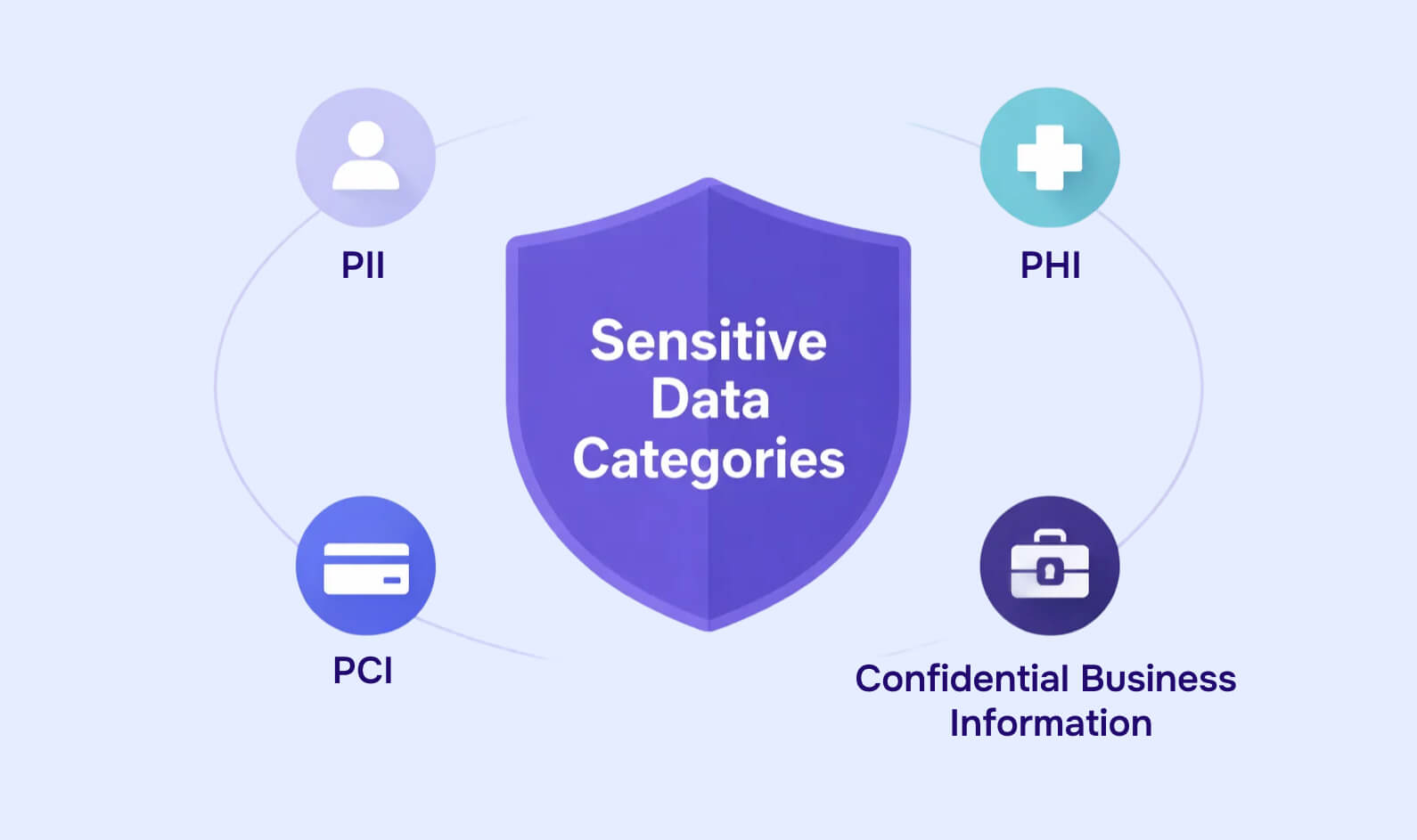
Field data is often highly sensitive and can include personally identifiable information (PII), confidential business data, or government records. A breach can result in:
- Legal and regulatory penalties
- Loss of customer trust
- Financial damages
- Operational disruptions
- Reputational harm
Therefore, implementing strong data protection mechanisms is not optional—it is a necessity.
Types of Sensitive Data in Field Operations
| Data Type | Examples | Risk Level |
|---|---|---|
| Personal Data | Name, phone number, ID details | High |
| Health Data | Medical records, diagnostics | Very High |
| Location Data | GPS coordinates, movement patterns | High |
| Financial Data | Transactions, account details | Very High |
| Operational Data | Reports, surveys, inspections | Medium |
Key Security Challenges in Mobile Data Collection
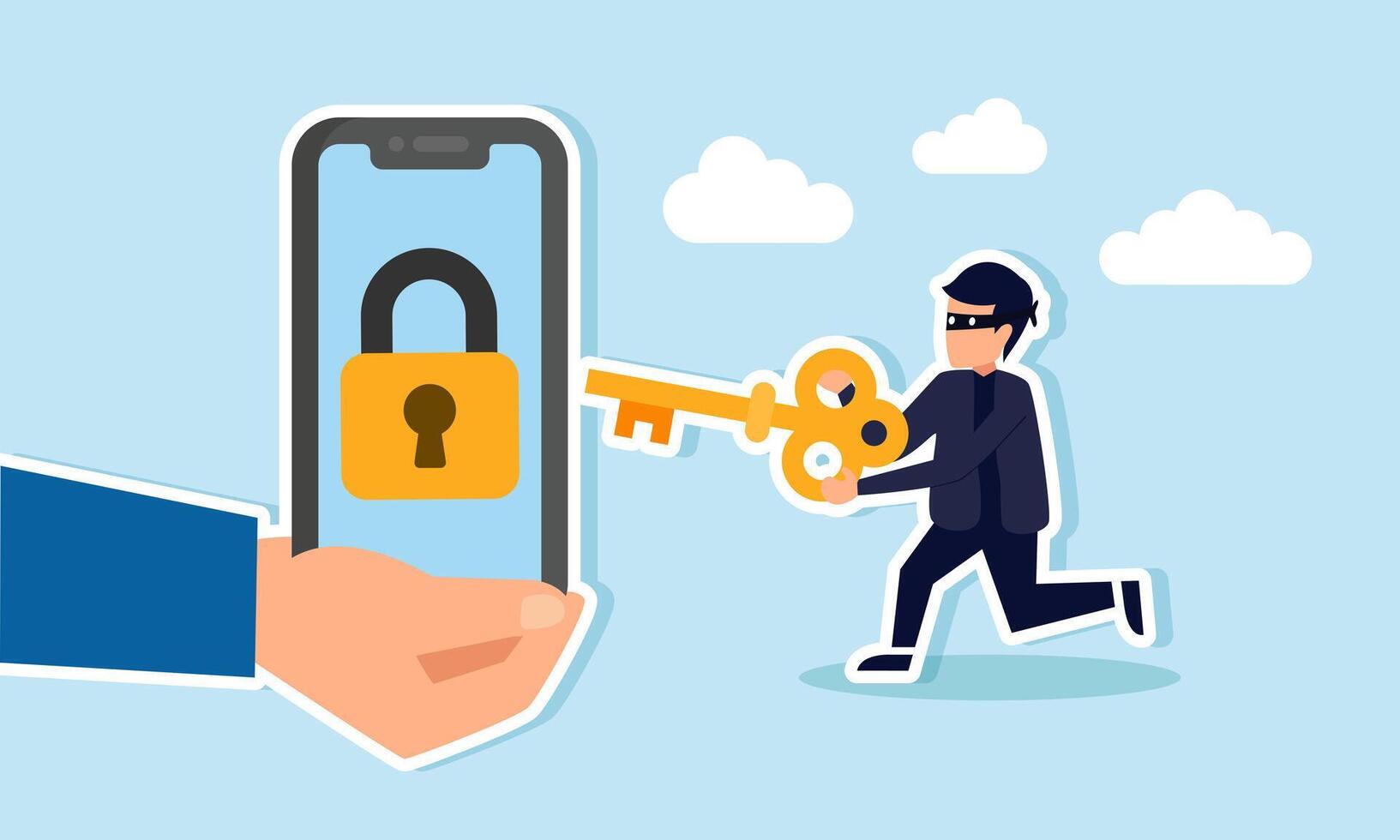
- Unsecured networks in remote locations
- Device theft or loss
- Unauthorized access
- Data interception during transmission
- Improper storage practices
Addressing these challenges requires a multi-layered security approach.
Core Strategies for Protecting Sensitive Field Data
1. End-to-End Encryption
Encryption ensures that data is unreadable to unauthorized users. Mobile platforms use:
- Data-at-rest encryption for stored data
- Data-in-transit encryption using HTTPS/TLS protocols
This guarantees that even if data is intercepted, it cannot be accessed without proper decryption keys.
2. Secure Authentication and Authorization
Access control is critical in preventing unauthorized usage. Common practices include:
- Multi-factor authentication (MFA)
- Role-based access control (RBAC)
- Biometric authentication (fingerprint, face recognition)
| Authentication Method | Security Level | User Convenience |
|---|---|---|
| Password Only | Low | High |
| MFA | High | Medium |
| Biometric | Very High | High |
3. Secure Local Data Storage
Field apps often store data locally due to offline requirements. Secure storage techniques include:
- Encrypted databases (e.g., SQLite with encryption)
- Keychain or secure enclave usage
- Automatic data wipe after failed login attempts
4. Data Synchronization Security
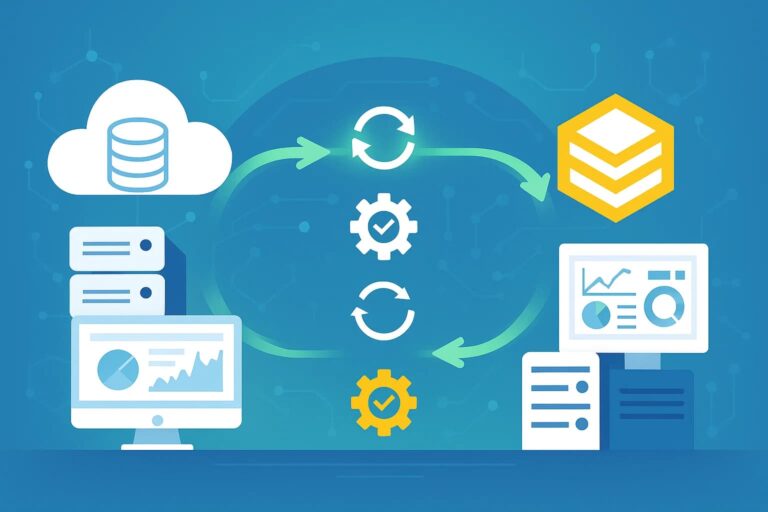
When data is synced with servers, it must be protected through:
- Secure APIs
- Token-based authentication
- Encrypted payloads
5. Device-Level Security
Ensuring the device itself is secure is equally important:
- Remote device management (MDM)
- Remote wipe capabilities
- App sandboxing
6. Audit Trails and Logging
Tracking user actions helps detect suspicious behavior and ensures accountability.
7. Compliance with Data Protection Regulations
Mobile platforms must adhere to global and regional regulations such as:
- GDPR (General Data Protection Regulation)
- HIPAA (Healthcare data protection)
- ISO/IEC 27001 standards
Architecture of a Secure Mobile Data Collection Platform
| Layer | Security Measures |
|---|---|
| Frontend (Mobile App) | Encryption, authentication, secure UI |
| API Layer | Token validation, rate limiting |
| Backend Server | Access control, monitoring |
| Database | Encrypted storage, backups |
| Cloud Infrastructure | Firewall, intrusion detection |
Offline Data Security Considerations
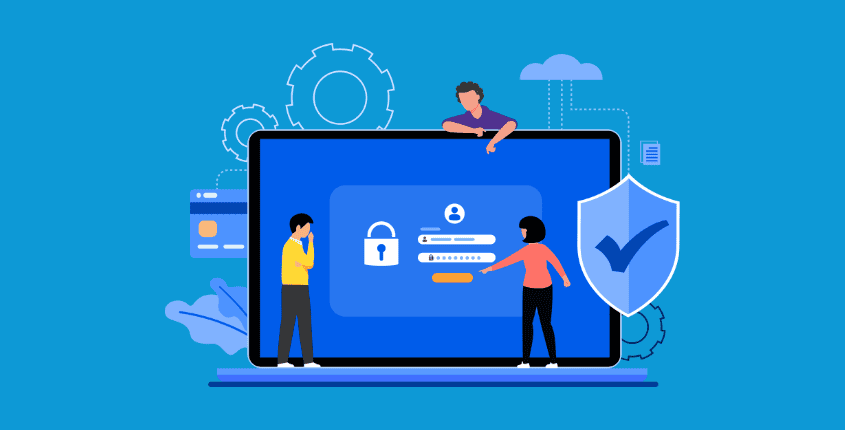
In remote environments, offline functionality is essential—but it introduces additional risks. Best practices include:
- Encrypting all offline data
- Limiting data storage duration
- Using secure sync mechanisms
- Implementing session timeouts
Best Practices for Secure Mobile Data Collection
- Adopt a security-first development approach
- Regularly update and patch applications
- Conduct penetration testing
- Use secure coding standards
- Educate users on security practices
Common Security Threats and Mitigation
| Threat | Description | Mitigation Strategy |
|---|---|---|
| Man-in-the-Middle Attack | Intercepted data transmission | Use HTTPS and TLS encryption |
| Device Theft | Unauthorized access to stored data | Enable remote wipe and encryption |
| Phishing | Credential theft | Implement MFA and user training |
| Malware | Malicious software on device | App sandboxing and monitoring |
Real-World Use Cases
Healthcare Field Surveys
Securely collecting patient data in rural areas while ensuring compliance with health regulations.
Government Data Collection
Protecting citizen data during census and welfare program surveys.
Agriculture Monitoring
Safeguarding farm data and farmer information collected by field officers.
Logistics and Delivery
Securing shipment and customer data during delivery operations.
The Future of Secure Mobile Data Platforms
As technology evolves, so do security threats. Future advancements will include:
- AI-driven threat detection
- Blockchain for data integrity
- Zero-trust security models
- Advanced biometric authentication
Organizations must stay ahead by continuously upgrading their security strategies.
Why Choose BM Coder for Secure App Development?
Developers App India BM Coder specializes in building secure, scalable, and high-performance mobile applications. Our expertise in data protection, encryption, and compliance ensures that your platform meets the highest security standards.
We design solutions that are not only secure but also user-friendly and reliable in real-world conditions.
Get in Touch
Conclusion
Protecting sensitive field data in mobile data collection platforms is a complex but essential task. By implementing robust encryption, secure authentication, and compliance-driven practices, organizations can ensure data integrity and user trust.
As mobile data collection continues to grow across industries, investing in security will be the key to long-term success. Partner with BM Coder to build secure, future-ready solutions that protect your most valuable asset—your data.
Blog ID: 1465Author: parth
Date: 22-04-2026
We to code. It's our passion








you can also reach us at our given
email address or phone number.