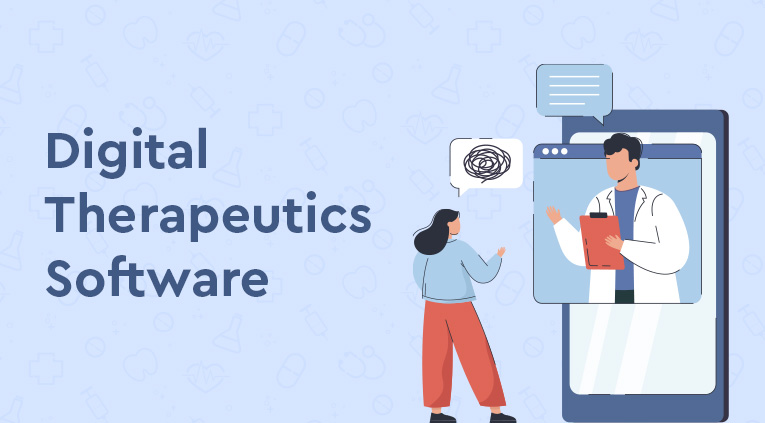
Software-based therapies are changing how patients receive care, manage chronic conditions, follow treatment plans, and stay connected with healthcare providers. Unlike traditional health apps that mainly track steps, calories, or reminders, software-based therapies are designed to support clinical treatment through structured digital programs, patient monitoring, behavioral guidance, and personalized interventions.
For healthcare startups, hospitals, clinics, pharmaceutical companies, and wellness brands, this shift creates a major opportunity to build clinically useful digital tools that improve patient outcomes. Developers App India BM Coder is a software development company that helps businesses build secure, scalable, and user-friendly healthcare platforms. If you are planning to create a digital therapy product, our digital therapeutics app development can help you design and develop a reliable solution for modern patient treatment.
What Are Software-Based Therapies?
Software-based therapies are digital treatment solutions delivered through mobile apps, web platforms, connected devices, or cloud-based systems. These therapies may help patients manage conditions such as diabetes, anxiety, depression, insomnia, obesity, chronic pain, respiratory disease, cardiovascular issues, and medication adherence problems.
The main goal of software-based therapy is to provide structured support beyond the hospital or clinic. Patients can receive treatment guidance, educational content, progress tracking, reminders, symptom monitoring, lifestyle coaching, and real-time feedback through digital platforms.
| Traditional Treatment Support | Software-Based Therapy Support |
|---|---|
| Clinic visits and paper instructions | App-based treatment plans and digital guidance |
| Manual symptom tracking | Automated progress and symptom monitoring |
| Limited follow-up between appointments | Continuous engagement and remote support |
| Generic patient education | Personalized content and behavioral coaching |
| Delayed clinical insights | Real-time data visibility for care teams |
Why Software-Based Therapies Are Becoming Important
Healthcare systems are under pressure to deliver better outcomes with limited resources. Patients need more convenient access to treatment, and providers need better ways to monitor progress outside the clinic. Software-based therapies help bridge this gap by extending care into the patient’s daily life.
Many health conditions require consistent behavior change. For example, a patient with diabetes may need to monitor glucose levels, follow diet plans, take medication on time, stay active, and report symptoms. A patient dealing with anxiety may need regular therapy exercises, mood tracking, breathing techniques, and guided support. Software-based therapies make these activities easier to manage.
Key Benefits of Software-Based Therapies
| Benefit | How It Helps Patients | How It Helps Providers |
|---|---|---|
| Better adherence | Patients receive reminders and structured guidance | Providers can track whether patients follow plans |
| Personalized treatment | Care plans adjust based on progress and symptoms | Doctors get more meaningful patient data |
| Remote monitoring | Patients can share updates without frequent visits | Care teams can identify issues earlier |
| Improved engagement | Interactive tools keep patients involved | Higher engagement may improve outcomes |
| Scalable care delivery | More patients can access support digitally | Clinics can manage larger patient groups efficiently |
How Software-Based Therapies Improve Patient Treatment
1. They Support Continuous Care
Traditional care often depends on appointments. A patient may visit a doctor, receive advice, and then return after weeks or months. During that gap, the provider may not know whether the patient followed the treatment plan or experienced new symptoms.
Software-based therapies solve this problem by creating a continuous care loop. Patients can log symptoms, complete therapy modules, receive reminders, and share progress regularly. This helps healthcare providers make better decisions based on real-world patient behavior.
2. They Improve Treatment Adherence
One of the biggest challenges in healthcare is adherence. Many patients forget medications, stop exercises, skip follow-ups, or do not fully understand treatment instructions. Digital therapies can reduce these issues with reminders, progress dashboards, motivational messages, and personalized alerts.
When patients see their progress visually, they are more likely to stay consistent. For example, a digital therapy app may show completed sessions, medication streaks, symptom improvements, or weekly health goals. This creates accountability and motivation.
3. They Personalize Patient Experience
Every patient is different. Age, condition severity, lifestyle, medication routine, symptoms, and personal goals can vary. Software-based therapies can use patient data to personalize recommendations and treatment journeys.
For example, a mental health app may recommend breathing exercises when stress levels increase. A diabetes management platform may suggest diet tips based on glucose logs. A rehabilitation app may adjust exercise difficulty based on recovery progress.
4. They Help Providers Make Data-Driven Decisions
Healthcare providers often depend on patient memory during consultations. Patients may forget symptoms, medication timing, or lifestyle details. Software-based therapies collect structured data over time, helping doctors understand what is really happening between visits.
This data may include symptoms, mood scores, pain levels, medication usage, activity levels, sleep patterns, therapy completion, and device readings. With this information, providers can adjust treatment plans more accurately.
5. They Reduce Pressure on Healthcare Systems
Hospitals and clinics often face high patient loads. Many follow-up visits are necessary but time-consuming. Digital therapy platforms can support patients remotely, reducing unnecessary visits and improving care team efficiency.
Patients with stable conditions can continue guided care at home, while providers focus more attention on patients who need urgent support. This makes healthcare delivery more efficient and scalable.
Popular Use Cases of Software-Based Therapies
| Use Case | Digital Therapy Features |
|---|---|
| Diabetes management | Glucose tracking, medication reminders, diet guidance, activity monitoring |
| Mental health support | Mood tracking, CBT modules, guided meditation, journaling, crisis alerts |
| Chronic pain management | Pain logs, exercise plans, relaxation therapy, progress reports |
| Cardiac rehabilitation | Exercise tracking, vitals monitoring, lifestyle coaching, provider feedback |
| Medication adherence | Smart reminders, refill alerts, dosage tracking, caregiver notifications |
| Sleep therapy | Sleep diary, behavioral therapy modules, relaxation guidance, habit tracking |
| Weight management | Meal logging, goal setting, activity plans, coaching, progress analytics |
Important Features of a Digital Therapeutics App
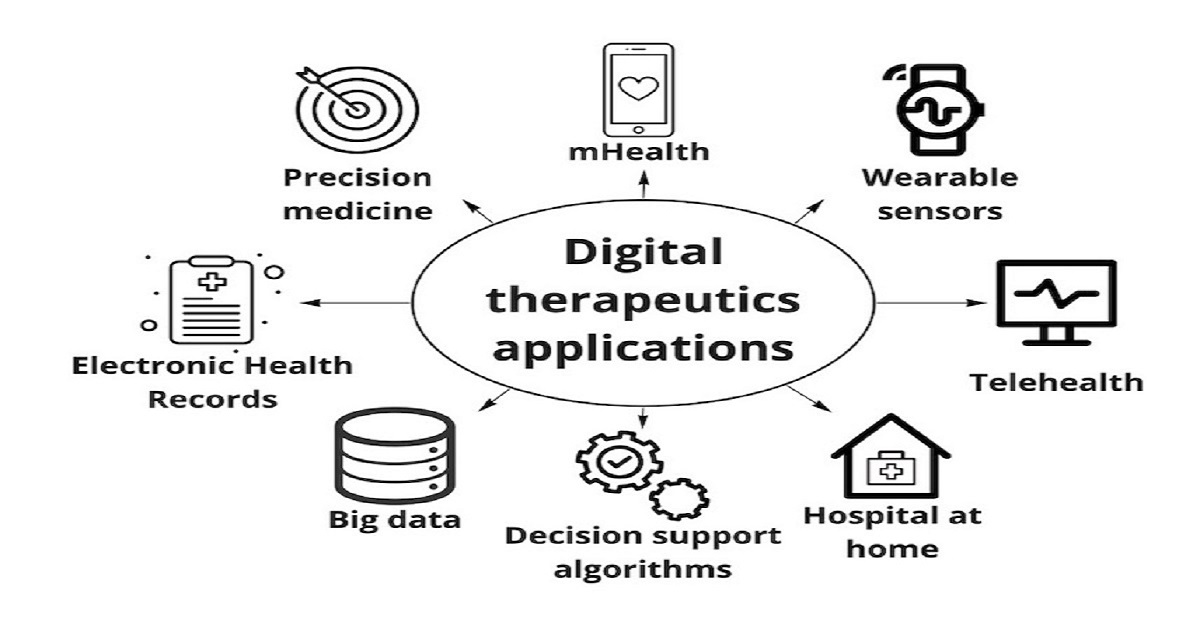
A strong software-based therapy platform should be simple for patients, useful for providers, and secure for healthcare data. The design must focus on trust, usability, privacy, and measurable outcomes.
Patient App Features
- User registration and secure login
- Personalized treatment plans
- Medication and therapy reminders
- Symptom and progress tracking
- Educational content and therapy modules
- Goal setting and habit tracking
- Push notifications and alerts
- Chat or consultation support
- Reports and health insights
- Integration with wearable devices
Provider Dashboard Features
- Patient profile management
- Treatment plan assignment
- Patient progress monitoring
- Risk alerts and abnormal activity flags
- Analytics and reports
- Communication tools
- Care team collaboration
- Data export and documentation
Admin Panel Features
- User and role management
- Content management
- Therapy module management
- Subscription and payment management
- App analytics
- Security controls
- Compliance settings
- Support ticket management
Role of AI in Software-Based Therapies
Artificial intelligence can make digital therapy platforms more intelligent and personalized. AI can analyze patient behavior, identify risk patterns, recommend next steps, and automate routine support.
For example, AI can detect when a patient is missing medication frequently, experiencing worsening symptoms, or not completing therapy exercises. The system can then send reminders, notify caregivers, or alert healthcare providers.
| AI Capability | Application in Digital Therapy |
|---|---|
| Predictive analytics | Identifies patients at risk of poor adherence or worsening symptoms |
| Personalized recommendations | Suggests therapy activities based on patient progress |
| Chatbot support | Answers common questions and guides users through app features |
| Behavior analysis | Tracks patterns in mood, sleep, activity, or medication usage |
| Automated alerts | Notifies providers when patient data shows concern |
Security and Compliance in Software-Based Therapy Platforms
Healthcare apps handle sensitive patient information, so security must be a top priority. A digital therapeutics platform should follow strong data protection practices, including encryption, secure authentication, access control, audit logs, and privacy-focused architecture.
Important security practices include:
- Encrypted data storage and transmission
- Role-based access control
- Secure login with multi-factor authentication
- Regular security testing
- Consent management
- Audit trails for data access
- Secure API development
- Cloud infrastructure protection
Healthcare businesses should also consider relevant regional compliance requirements depending on their target market. The app should be developed with privacy, transparency, and patient trust from the beginning.
How Digital Therapeutics Apps Create Value for Healthcare Businesses
Software-based therapies are not only useful for patients; they also create business value. Healthcare organizations can improve service delivery, expand patient reach, collect better insights, and offer modern care experiences.
| Business Goal | How Digital Therapy Helps |
|---|---|
| Improve patient outcomes | Provides continuous support and personalized treatment guidance |
| Increase patient engagement | Uses interactive tools, reminders, and progress tracking |
| Expand digital services | Allows care delivery beyond physical locations |
| Generate data insights | Collects structured health and behavior data |
| Build competitive advantage | Offers modern technology-driven healthcare experiences |
Development Process for a Digital Therapeutics App
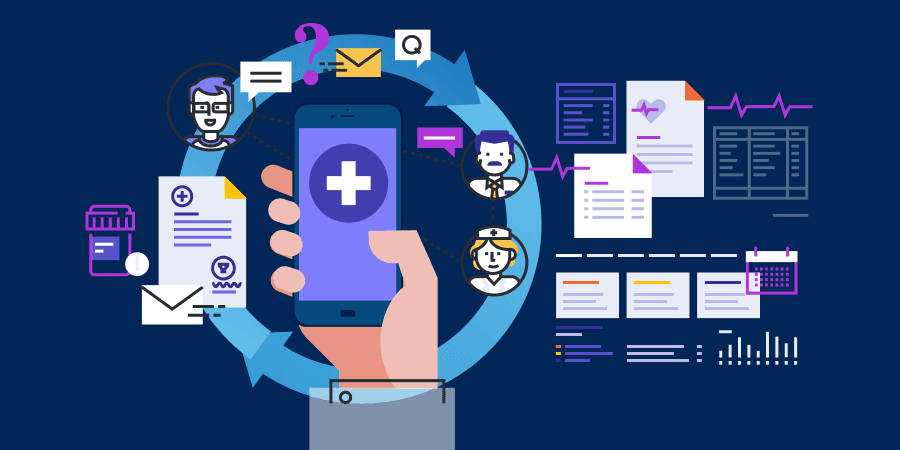
Building a software-based therapy platform requires more than normal app development. It needs healthcare understanding, user experience design, secure architecture, clinical workflow planning, and scalable technology.
1. Discovery and Planning
The first step is understanding the target condition, user needs, business goals, treatment model, and compliance requirements. This stage defines the app’s core purpose, feature list, user roles, and technical roadmap.
2. UX/UI Design
Healthcare apps must be easy to use for patients of different ages and technical abilities. The interface should be clean, accessible, and calming. Important actions like logging symptoms, checking reminders, or contacting a provider should be simple.
3. App and Backend Development
Developers build the patient app, provider dashboard, admin panel, APIs, database, authentication system, notification engine, and reporting modules. The backend must be secure, scalable, and optimized for healthcare data.
4. Integration
The platform may need integration with wearables, EHR systems, payment gateways, telehealth systems, pharmacy platforms, lab systems, or third-party analytics tools.
5. Testing and Quality Assurance
Testing is critical in healthcare software. The app should be tested for functionality, usability, security, performance, device compatibility, and data accuracy.
6. Launch and Support
After launch, the platform requires monitoring, updates, bug fixes, feature improvements, security maintenance, and user support.
Technology Stack for Software-Based Therapy Platforms
| Layer | Technology Options |
|---|---|
| Mobile App | Flutter, React Native, Swift, Kotlin |
| Web Dashboard | React.js, Next.js, Angular, Vue.js |
| Backend | Node.js, Python, Django, Laravel, Java |
| Database | PostgreSQL, MongoDB, MySQL |
| Cloud | AWS, Google Cloud, Microsoft Azure |
| Notifications | Firebase Cloud Messaging, Twilio, SendGrid |
| Analytics | Custom dashboards, BI tools, event tracking |
| Security | JWT, OAuth, encryption, access control |
Challenges in Building Software-Based Therapies
Digital therapy development requires careful planning. Common challenges include patient engagement, clinical validation, compliance, security, integration complexity, and user trust.
Many users download health apps but stop using them after a short time. To solve this, the app must provide real value, easy navigation, personalized content, and meaningful progress tracking. The experience should feel supportive, not complicated.
Another challenge is data privacy. Patients must trust that their health information is safe. Clear consent, strong security, and transparent data handling are essential.
Future of Software-Based Therapies
The future of patient treatment will include more digital support, remote monitoring, AI-driven personalization, and connected care ecosystems. Software-based therapies will become an important part of preventive care, chronic disease management, mental health support, rehabilitation, and medication adherence.
As patients become more comfortable with digital healthcare, demand for clinically useful and easy-to-use therapy apps will continue to grow. Businesses that invest early in digital therapeutics can build strong positions in the healthcare technology market.
Why Choose Developers App India BM Coder?
Developers App India BM Coder is a software development company that builds custom healthcare, wellness, telemedicine, pharmacy, and digital therapeutics solutions. Our team focuses on secure architecture, modern UI/UX, scalable backend systems, and practical healthcare workflows.
We can help you build:
- Digital therapeutics apps
- Patient treatment platforms
- Remote patient monitoring systems
- Medication adherence apps
- Mental health therapy apps
- Chronic disease management platforms
- Doctor and patient dashboards
- Healthcare admin panels
- AI-powered healthcare tools
Conclusion
Software-based therapies are transforming patient treatment by making care more continuous, personalized, data-driven, and accessible. They help patients follow treatment plans, track symptoms, stay engaged, and receive support outside traditional clinical settings.
For healthcare businesses, digital therapeutics apps offer a powerful way to improve outcomes, increase patient engagement, and deliver modern digital care. With the right development partner, you can build a secure, scalable, and user-friendly software-based therapy platform that creates real value for patients and providers.
Build Your Digital Therapeutics App with Developers App India BM Coder
Planning to build a software-based therapy platform, digital treatment app, or patient engagement solution? Developers App India BM Coder can help you turn your healthcare idea into a secure and scalable digital product.
Email: [email protected]
WhatsApp: +91.9586979730
Author: parth
Date: 29-04-2026
We to code. It's our passion










you can also reach us at our given
email address or phone number.